
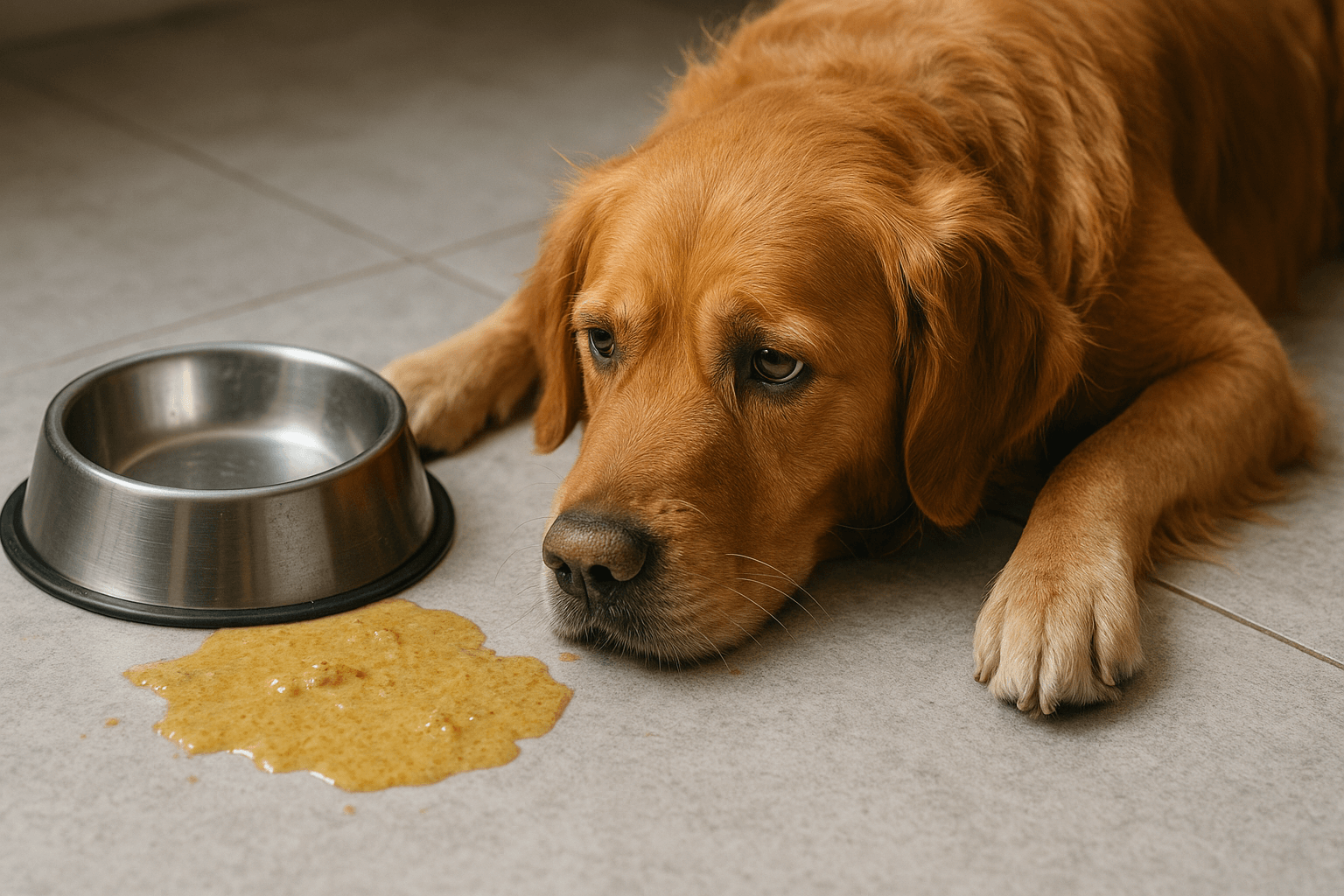

What Is Gastroenteritis in Dogs? Best 7 Expert Tips!

What Is Gastroenteritis in Dogs? Best 7 Expert Tips!

What Is Gastroenteritis in Dogs? Understanding This Common Canine Condition

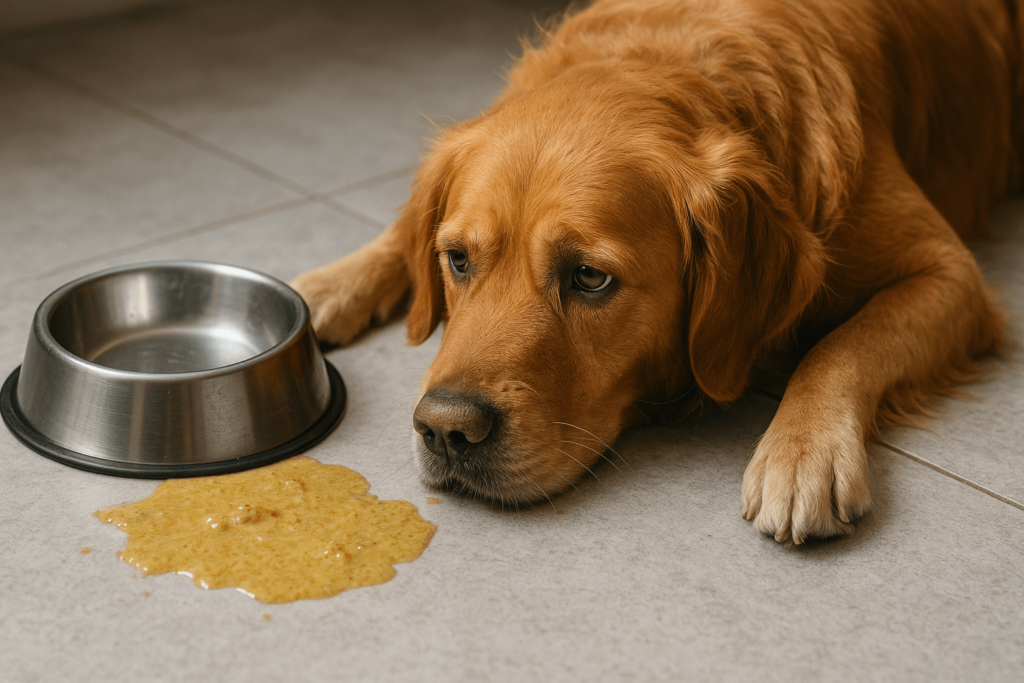
Gastroenteritis in dogs is a frequent yet often misunderstood digestive issue that affects dogs of all ages and breeds. Characterized by inflammation of the stomach and intestines, it typically leads to vomiting, diarrhea, and discomfort. While usually not life-threatening when addressed early, gastroenteritis can quickly escalate if ignored—especially in puppies, seniors, or dogs with underlying health conditions. Understanding its causes, symptoms, and proper care is essential for every dog owner who wants to ensure their pet’s swift recovery and long-term well-being.

Common Causes of Gastroenteritis in Dogs

Gastroenteritis doesn’t appear out of nowhere—it’s usually triggered by a specific irritant or underlying issue. Identifying the root cause is the first step toward effective treatment and prevention.

 
  • Dietary Indiscretion:
    Dogs are notorious for eating things they shouldn’t—spoiled food, garbage, or even non-food items like socks or plastic—which can inflame the gut lining.

     
  • Infections:
    Bacterial (e.g., Salmonella, E. coli), viral (e.g., parvovirus, coronavirus), or parasitic (e.g., Giardia, hookworms) infections are common culprits, especially in unvaccinated or outdoor dogs.

     
  • Sudden Diet Changes:
    Abruptly switching dog food without a gradual transition can shock the digestive system and trigger inflammation.

     
  • Stress or Anxiety:
    Dogs under emotional distress—due to travel, boarding, or household changes—can develop stress-induced gastroenteritis.

     
  • Toxin Exposure:
    Ingestion of household chemicals, certain plants (like lilies or sago palms), or human medications can lead to severe gastrointestinal upset.


Pinpointing the cause helps tailor treatment and prevent recurrence. Never assume it’s “just a tummy bug”—some triggers require urgent veterinary attention.

What Is Gastroenteritis in Dogs? Best 7 Expert Tips!

Common Causes of Gastroenteritis in Dogs

Gastroenteritis doesn’t appear out of nowhere—it’s usually triggered by a specific irritant or underlying issue. Identifying the root cause is the first step toward effective treatment and prevention.

 
  • Dietary Indiscretion:
    Dogs are notorious for eating things they shouldn’t—spoiled food, garbage, or even non-food items like socks or plastic—which can inflame the gut lining.

     
  • Infections:
    Bacterial (e.g., Salmonella, E. coli), viral (e.g., parvovirus, coronavirus), or parasitic (e.g., Giardia, hookworms) infections are common culprits, especially in unvaccinated or outdoor dogs.

     
  • Sudden Diet Changes:
    Abruptly switching dog food without a gradual transition can shock the digestive system and trigger inflammation.

     
  • Stress or Anxiety:
    Dogs under emotional distress—due to travel, boarding, or household changes—can develop stress-induced gastroenteritis.

     
  • Toxin Exposure:
    Ingestion of household chemicals, certain plants (like lilies or sago palms), or human medications can lead to severe gastrointestinal upset.


Pinpointing the cause helps tailor treatment and prevent recurrence. Never assume it’s “just a tummy bug”—some triggers require urgent veterinary attention.

Mild Gastroenteritis Signs Severe Gastroenteritis Warning Signs
Occasional vomiting (1–2 times) Vomiting blood or bile repeatedly
Soft or slightly loose stool Watery diarrhea with blood or mucus
Mild lethargy Extreme weakness or collapse
Slight decrease in appetite Complete refusal to eat or drink for 12+ hours
Normal hydration (moist gums, skin snaps back) Dry gums, sunken eyes, or slow skin tenting (dehydration)

How Veterinarians Diagnose Gastroenteritis

Not all stomach upsets are simple gastroenteritis—some mimic more serious conditions like pancreatitis, intestinal blockage, or liver disease. A thorough veterinary assessment ensures accurate diagnosis.

 
  • Physical Examination:
    Your vet will check hydration, abdominal pain, temperature, and overall condition.

     
  • Fecal Testing:
    A stool sample can reveal parasites, bacterial overgrowth, or hidden blood.

     
  • Blood Work:
    Complete blood count (CBC) and chemistry panels help assess organ function and infection markers.

     
  • Imaging (X-rays or Ultrasound):
    Used if a foreign body, tumor, or obstruction is suspected.

     
  • Dietary & Exposure History:
    Your detailed account of recent meals, environment, or symptoms helps narrow causes.


Never skip diagnostics if symptoms persist—assumptions can delay life-saving care.

At-Home Care for Mild Gastroenteritis

For mild cases, veterinarians often recommend temporary home care—but only under specific conditions.

 
  • Withhold Food Temporarily:
    Fast your dog for 12–24 hours (not for puppies or diabetic dogs) to let the gut rest—but always provide fresh water.

     
  • Offer Small Sips of Water:
    Prevent dehydration by giving water in small, frequent amounts.

     
  • Introduce a Bland Diet Gradually:
    After fasting, feed boiled chicken (no skin) and white rice in a 1:3 ratio, in small portions 3–4 times daily.

     
  • Avoid Human Medications:
    Never give Pepto-Bismol, Imodium, or NSAIDs—they can be toxic to dogs.

     
  • Monitor Closely:
    Keep a symptom log. If vomiting resumes or diarrhea worsens, stop home care and call your vet.


Home treatment is only safe for short-term, mild cases. When in doubt, consult your veterinarian first.


Preventing Gastroenteritis in Dogs

Prevention is far easier—and kinder—than treating a sick dog. A few proactive habits can drastically reduce risk.

 
  • Secure Trash and Toxins:
    Use dog-proof bins and keep cleaning supplies, medications, and toxic plants out of reach.

     
  • Transition Food Gradually:
    Mix new food with old over 5–7 days to avoid digestive shock.

     
  • Maintain Parasite Prevention:
    Use monthly dewormers and flea/tick control as recommended by your vet.

     
  • Avoid Table Scraps:
    Human food—especially fatty, spicy, or seasoned dishes—can trigger inflammation.

     
  • Manage Stress:
    Create a calm routine, use calming aids during travel or storms, and provide mental enrichment.


A stable, safe environment is your best defense against unexpected stomach upsets.

When to Seek Emergency Veterinary Care

Some signs of gastroenteritis require immediate attention—delaying treatment can be fatal.

 
  • Vomiting or Diarrhea Lasting Over 24 Hours:
    Prolonged fluid loss leads to dangerous dehydration.

     
  • Blood in Vomit or Stool:
    Indicates internal bleeding, ulceration, or severe infection like parvovirus.

     
  • Distended or Painful Abdomen:
    Could signal bloat (GDV) or intestinal obstruction—both are emergencies.

     
  • Neurological Symptoms:
    Tremors, seizures, or disorientation suggest toxin exposure.

     
  • Collapse or Unresponsiveness:
    A sign of shock, extreme dehydration, or systemic infection.


Trust your instincts—if your dog seems “off,” don’t wait. Early intervention saves lives.

Supporting Long-Term Digestive Health After Gastroenteritis

Recovery from gastroenteritis is just the beginning—maintaining a resilient digestive system is key to preventing future episodes. A proactive approach to gut health can significantly reduce the risk of recurrent upset and support your dog’s overall vitality.

 
  • Feed a High-Quality, Species-Appropriate Diet:
    Choose dog food with real meat as the first ingredient, minimal fillers, and no artificial additives to promote optimal digestion.

     
  • Incorporate Probiotics and Prebiotics:
    These support a balanced gut microbiome, aiding nutrient absorption and strengthening immune defenses in the digestive tract.

     
  • Avoid Frequent Diet Swaps:
    Stick to a consistent feeding routine and avoid unnecessary flavor or brand changes that can stress the GI system.

     
  • Ensure Clean, Fresh Water at All Times:
    Hydration supports mucosal lining repair in the gut and helps flush out residual irritants.

     
  • Schedule Regular Wellness Checkups:
    Routine vet visits allow early detection of underlying issues like food sensitivities, parasites, or inflammatory bowel disease.


By nurturing your dog’s gut long after symptoms subside, you’re investing in a lifetime of better digestion, stronger immunity, and more joyful tail wags.

“Gastroenteritis is inflammation of the gastrointestinal tract (stomach and the intestines). It can be caused by infection with bacteria, viruses, parasites, medications, or even new foods.” — Malcolm Weir, DVM, MSc, MPH

Frequently Asked Questions About Gastroenteritis in Dogs

Can gastroenteritis in dogs go away on its own?

Mild cases may resolve within 24–48 hours with rest and hydration. However, if symptoms persist or worsen, veterinary care is essential.

Yes—viral and bacterial forms (like parvovirus or Salmonella) are highly contagious. Isolate your dog and disinfect shared areas.

Typically 3–5 days, then gradually transition back to regular food over another 3–5 days. Follow your vet’s specific advice.

Absolutely. Stress alters gut motility and microbiome balance, leading to inflammation—common after boarding, moves, or loud events.

Yes—but only veterinarian-approved canine probiotics. Human probiotics may contain ingredients unsafe for dogs.

Supporting Your Dog’s Recovery and Long-Term Gut Health

Gastroenteritis is more than a temporary upset—it’s a signal that your dog’s digestive system needs support. With prompt care, most dogs bounce back quickly, but long-term gut health should remain a priority. Focus on high-quality food, consistent routines, and regular vet checkups to build resilience. Remember, a healthy gut means a happier, more energetic dog who’s ready to wag, play, and explore life by your side—without unexpected trips to the clinic.

Is Rawhide Bad for Cats? Best 7 Expert Tips!

Is Rawhide Bad for Cats? Best 7 Expert Tips! – Discover the risks, safe alternatives, and expert advice to keep your feline friend healthy and happy.

Is Rawhide Bad for Dogs? Best 7 Expert Tips!

Is Rawhide Bad for Dogs? Best 7 Expert Tips! – Discover the risks, benefits, and safer alternatives to rawhides for your dog’s chewing needs.

Understanding Anorexia in Cats: Best 7 Expert Tips!

Understanding Anorexia in Cats: Best 7 Expert Tips! – Learn why cats stop eating, spot warning signs, and discover how to help your feline regain appetite safely.

Understanding Anorexia in Dogs: Best 7 Expert Tips!

Understanding Anorexia in Dogs: Best 7 Expert Tips! – Learn causes, symptoms, and solutions to help your dog regain appetite and stay healthy.

Leave a Reply

Your email address will not be published. Required fields are marked *