
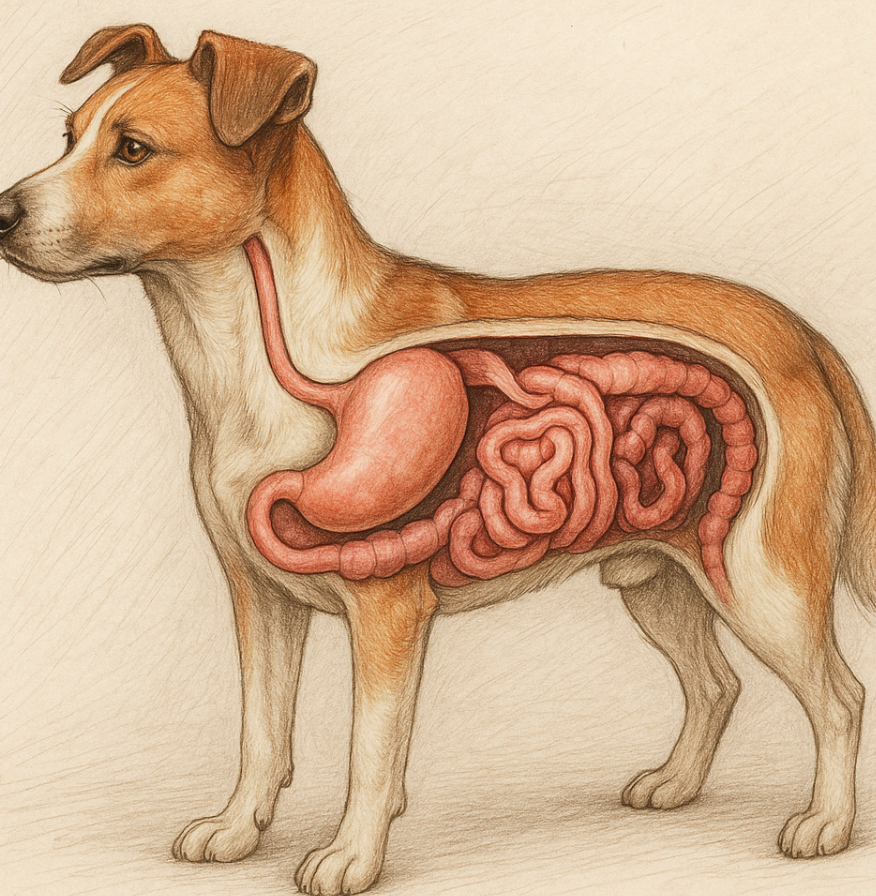

Understanding the Dog Digestive System
The dog digestive system is a fascinating and complex process that transforms food into nutrients essential for your furry friend’s health and vitality. As a pet owner, understanding how your dog’s digestive system works can help you make informed decisions about their diet, identify potential issues, and ensure they live a happy, healthy life. From the moment food enters their mouth to the final waste elimination, every step plays a crucial role in their overall well-being. In this blog post, we’ll explore the intricacies of the dog digestive system, its unique features, and how you can support it through proper care and nutrition.
Expert Opinion on the Digestive Process in Pets
“The process of digestion begins when your pet picks up food with its mouth and starts chewing. Enzymes found in saliva begin breaking down the food chemically. The process continues with swallowing, additional breakdown of food in the stomach, absorption of nutrients in the intestines, and elimination of waste. Digestion is critical not only for providing nutrients but also for maintaining the proper balance of fluid and electrolytes (salts) in the body.”
Key Components of the Dog Digestive System
The dog digestive system consists of several interconnected parts, each with a specific function. Understanding these components provides insight into how dogs process food and absorb nutrients.
Mouth and Teeth:
Dogs use their sharp teeth to tear and chew food, beginning the mechanical breakdown of food before swallowing.Esophagus:
The esophagus transports food from the mouth to the stomach, using muscular contractions called peristalsis.Stomach:
The stomach serves as a storage and digestion chamber, where strong acids and enzymes break down food into a semi-liquid form called chyme.Small Intestine:
This is where most nutrient absorption occurs, aided by enzymes from the pancreas and bile from the liver.Large Intestine and Colon:
Water is absorbed here, and undigested material is compacted into feces for elimination.
Together, these components work harmoniously to ensure your dog receives the energy and nutrients they need to thrive.
How the Dog Digestive Process Works
The dog digestive process is a step-by-step journey that ensures food is broken down efficiently and nutrients are absorbed effectively. Here’s a breakdown of how it unfolds.
Ingestion:
Food enters through the mouth, where saliva begins the initial breakdown of carbohydrates.Digestion in the Stomach:
Gastric juices containing hydrochloric acid and pepsin further break down proteins and fats in the stomach.Nutrient Absorption in the Small Intestine:
Enzymes from the pancreas and bile from the liver assist in breaking down food molecules so they can be absorbed into the bloodstream.Fermentation in the Large Intestine:
Beneficial bacteria in the colon ferment undigested fibers, producing short-chain fatty acids that support gut health.Elimination:
Waste products are expelled from the body as feces, completing the digestive cycle.
This intricate process highlights the importance of maintaining a balanced diet and healthy digestive environment for your dog.
Check this guide 👉How Long Does Dog Digestion Take? Best 7 Expert Tips!
Check this guide 👉Understanding Dog Digestive Health: Best 7 Health Tips!
Check this guide 👉Why Is My Dog Throwing Up Undigested Food? Best 7 Tips!
Functions of the Dog Digestive System | Common Digestive Issues in Dogs |
|---|---|
Breaks down food into digestible nutrients | Diarrhea due to dietary changes |
Absorbs water and essential vitamins | Vomiting caused by ingestion of toxins |
Supports immune system via gut bacteria | Constipation from lack of fiber |
Eliminates waste products efficiently | Bloating or gas from poor food choices |
Produces enzymes for nutrient breakdown | Pancreatitis from high-fat diets |
Factors That Affect a Dog’s Digestive Health
Several factors can influence the efficiency and health of your dog’s digestive system. Being aware of these elements can help you maintain their digestive well-being.
Dietary Choices:
High-quality, balanced diets promote better digestion, while poor-quality food can lead to gastrointestinal upset.Age and Activity Level:
Puppies and senior dogs often have different digestive needs compared to adult dogs, requiring tailored nutrition.Hydration Levels:
Adequate water intake is essential for proper digestion and preventing issues like constipation.Stress and Anxiety:
Emotional stress can disrupt digestion, leading to symptoms like diarrhea or loss of appetite.Underlying Health Conditions:
Conditions such as allergies, infections, or chronic diseases can impact digestive function and require veterinary attention.
By addressing these factors, you can support your dog’s digestive health and prevent potential problems.
Tips for Supporting Your Dog’s Digestive System
Maintaining a healthy digestive system is key to your dog’s overall well-being. Here are some practical tips to keep their gut functioning optimally.
Provide a Balanced Diet:
Feed your dog high-quality food formulated for their age, size, and activity level to ensure proper nutrient absorption.Introduce Probiotics:
Probiotic supplements or foods rich in beneficial bacteria can enhance gut health and improve digestion.Monitor Treat Intake:
Limit treats and avoid feeding table scraps, which can upset your dog’s stomach and lead to digestive issues.Ensure Regular Exercise:
Physical activity stimulates bowel movements and promotes a healthy digestive tract.Schedule Routine Vet Check-Ups:
Regular veterinary visits help detect and address any underlying digestive issues early on.
These simple steps can go a long way in keeping your dog’s digestive system in top shape.
Signs Your Dog’s Digestive System Is Struggling
Recognizing early warning signs can help you address digestive issues before they escalate. Look out for these red flags.
Diarrhea or Loose Stools:
Frequent loose stools may indicate food intolerance, infection, or dietary indiscretion.Vomiting or Retching:
Occasional vomiting might not be alarming, but persistent retching requires immediate attention.Loss of Appetite:
A sudden refusal to eat could signal discomfort or an underlying health issue.Excessive Gas or Bloating:
These symptoms may point to poor digestion or sensitivity to certain foods.Lethargy or Weakness:
Lack of energy combined with digestive symptoms could indicate a more serious condition.
Acting quickly when you notice these signs can prevent complications and ensure your dog gets the care they need.
Foods to Avoid for a Healthy Dog Digestive System
Certain foods can wreak havoc on your dog’s digestive system and should be avoided at all costs.
Chocolate and Caffeine:
These contain theobromine, which is toxic to dogs and can cause severe digestive distress.Onions and Garlic:
These ingredients damage red blood cells and irritate the digestive tract.Grapes and Raisins:
Even small amounts can lead to kidney failure and accompanying digestive symptoms.Dairy Products:
Many dogs are lactose intolerant, making dairy a common cause of diarrhea and gas.Fatty Foods:
High-fat meals can trigger pancreatitis, a painful and potentially life-threatening condition.
Avoiding these foods protects your dog’s digestive health and prevents unnecessary suffering.
Benefits of a High-Fiber Diet for Dogs
Incorporating fiber into your dog’s diet can have numerous benefits for their digestive system.
Promotes Regular Bowel Movements:
Fiber adds bulk to stool, helping regulate bowel movements and prevent constipation.Supports Gut Microbiome:
Soluble fiber acts as a prebiotic, feeding beneficial gut bacteria and improving overall gut health.Aids Weight Management:
High-fiber foods can help dogs feel fuller longer, reducing overeating and aiding weight control.Reduces Risk of Anal Gland Issues:
Adequate fiber intake ensures firm stools, which naturally express anal glands during defecation.Helps Manage Diabetes:
Fiber slows glucose absorption, stabilizing blood sugar levels in diabetic dogs.
Adding fiber-rich foods to your dog’s diet can significantly enhance their digestive and overall health.
Frequently Asked Questions About the Dog Digestive System
How long does it take for a dog to digest food?
On average, it takes 6-8 hours for food to pass through a dog’s digestive system, but this can vary based on factors like size and diet.
Why does my dog eat grass?
Eating grass may help dogs induce vomiting if they feel unwell or simply satisfy a natural instinct to consume plant material.
What are signs of digestive problems in dogs?
Symptoms include vomiting, diarrhea, constipation, bloating, excessive gas, or changes in appetite.
Can I give my dog human food?
Some human foods are safe for dogs, but many can upset their stomach or even be toxic. Always consult your vet before sharing food.
How can I improve my dog’s gut health?
Feeding a balanced diet, providing probiotics, and ensuring regular exercise are effective ways to boost your dog’s digestive health.
Prioritizing Your Dog’s Digestive Health
A healthy digestive system is the foundation of your dog’s overall well-being, influencing everything from energy levels to immune function. By understanding how the dog digestive system works and taking proactive steps to support it, you can ensure your furry companion leads a happy, healthy life. Paying attention to their diet, hydration, and behavior will help you catch potential issues early and provide the care they need. Remember, a thriving digestive system means a thriving dog—and that’s something every pet owner should strive for.
Is Rawhide Bad for Cats? Best 7 Expert Tips! – Discover the risks, safe alternatives, and expert advice to keep your feline friend healthy and happy.

Is Rawhide Bad for Dogs? Best 7 Expert Tips! – Discover the risks, benefits, and safer alternatives to rawhides for your dog’s chewing needs.

Understanding Anorexia in Cats: Best 7 Expert Tips! – Learn why cats stop eating, spot warning signs, and discover how to help your feline regain appetite safely.

Understanding Anorexia in Dogs: Best 7 Expert Tips! – Learn causes, symptoms, and solutions to help your dog regain appetite and stay healthy.