

Hormonal Imbalance in Dogs: Best 7 Expert Tips!

Hormonal Imbalance in Dogs: Best 7 Expert Tips!

Hormonal Imbalance in Dogs: Recognizing the Silent Signals

Your dog’s body runs on a delicate orchestra of hormones—tiny chemical messengers that regulate everything from metabolism to mood. When that balance shifts, even slightly, it can trigger puzzling changes in behavior, coat, weight, or energy. While hormonal imbalances are often treatable, they’re easy to miss if you don’t know what to look for. From thyroid troubles to adrenal overdrive, these conditions affect dogs of all ages and breeds. The good news? With early detection and proper care, most dogs go on to live full, healthy lives.

Common Types of Hormonal Imbalances in Dogs


Not all hormonal issues look the same—each gland and hormone plays a unique role, and dysfunction shows up in distinct ways. Understanding the most frequent imbalances helps you spot red flags early.

 
  • Hypothyroidism:
    An underactive thyroid slows metabolism, leading to weight gain, lethargy, hair loss, and cold intolerance—especially common in medium to large breeds.
     
  • Cushing’s Disease (Hyperadrenocorticism):
    Overproduction of cortisol causes increased thirst, urination, a pot-bellied appearance, and thinning skin—often seen in older dogs.
     
  • Addison’s Disease (Hypoadrenocorticism):
    The opposite of Cushing’s; the adrenal glands produce too little cortisol and aldosterone, potentially causing weakness, vomiting, or even collapse.
     
  • Diabetes Mellitus:
    Insulin deficiency or resistance leads to high blood sugar, resulting in excessive thirst, frequent urination, and unexplained weight loss despite a good appetite.
     
  • Sex Hormone Imbalances:
    Intact or spayed/neutered dogs may develop issues like alopecia or behavioral shifts due to abnormal estrogen, testosterone, or progesterone levels.
 

While symptoms can overlap with other illnesses, persistent or progressive changes should always prompt a veterinary hormone panel.

 
Hormonal Imbalance in Dogs: Best 7 Expert Tips!

Early Warning Signs Every Owner Should Know


Hormonal imbalances rarely announce themselves with drama—they creep in slowly, making them easy to dismiss as “just aging.” But your dog’s body is sending signals.

 
  • Unexplained weight changes:
    Gaining or losing weight without diet or exercise changes is a classic red flag.
     
  • Skin and coat deterioration:
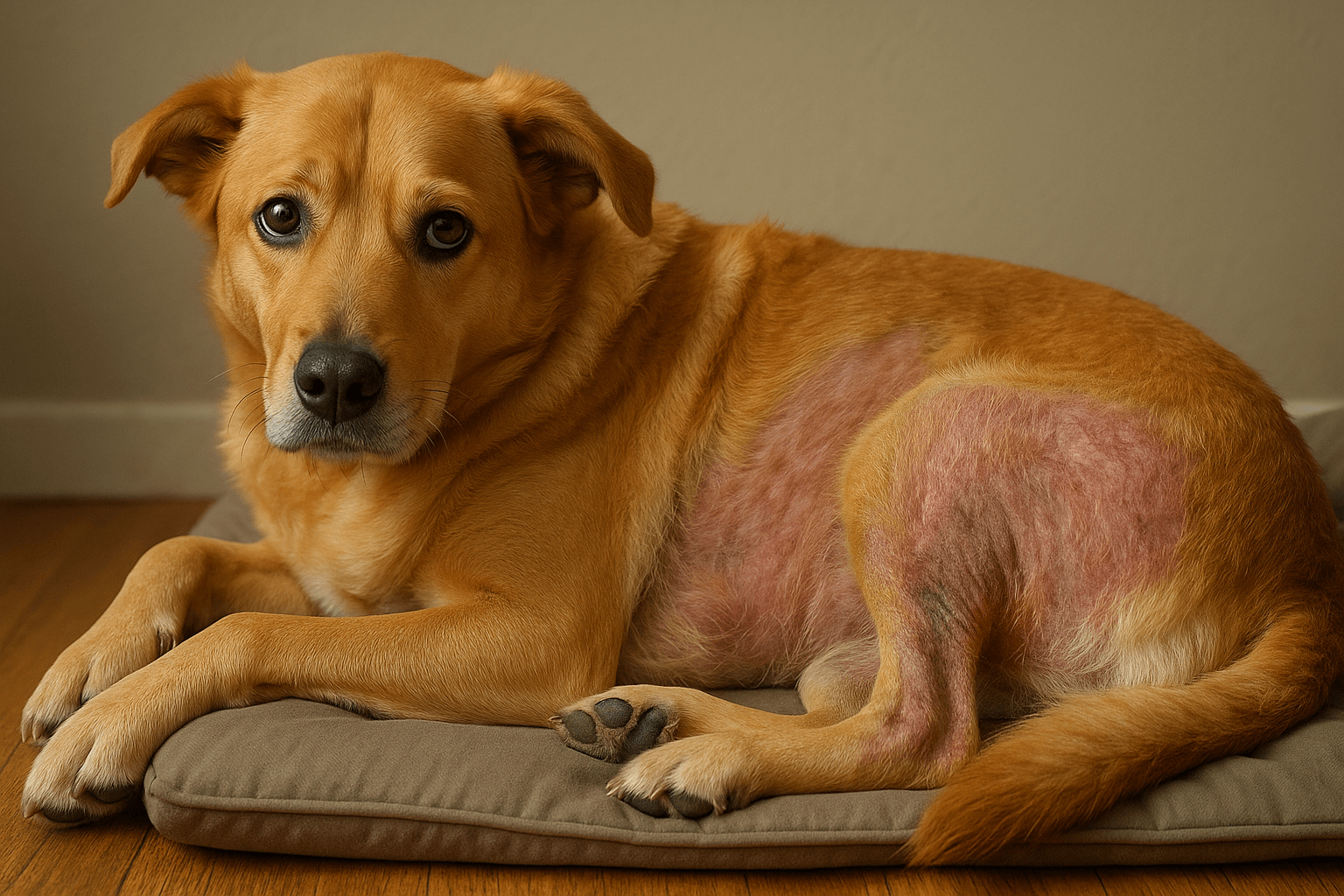
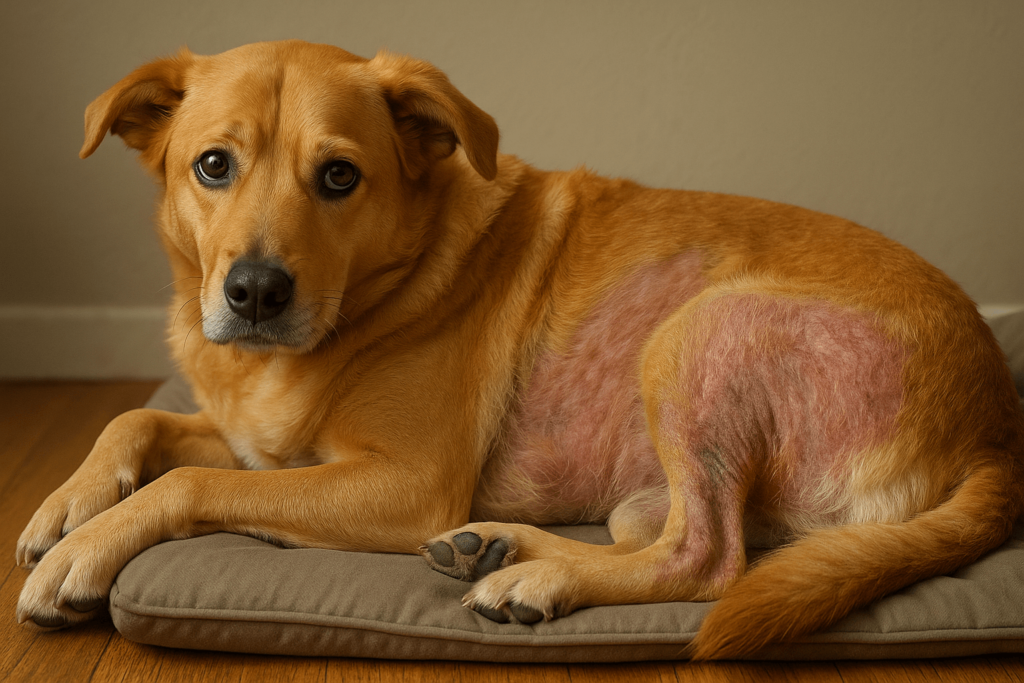
    Dry, flaky skin, hair thinning (especially along the trunk), or recurrent infections often point to endocrine issues.
     
  • Behavioral shifts:
    Increased anxiety, lethargy, or sudden aggression can stem from hormonal dysregulation.
     
  • Changes in thirst and urination:
    Drinking from puddles, asking for water constantly, or having accidents indoors warrant investigation.
     
  • Loss of muscle tone or stamina:
    A once-active dog now reluctant to walk or play may be battling fatigue from metabolic imbalance.
 

Catching these signs early can prevent complications and simplify treatment—so trust your gut if something feels “off.”

Typical Symptoms by Condition Key Diagnostic Tests
Weight gain, hair loss → Hypothyroidism T4, TSH, Free T4 by equilibrium dialysis
Pot belly, panting → Cushing’s ACTH stimulation test, Low-dose dexamethasone suppression
Weakness, vomiting → Addison’s ACTH stimulation test (baseline cortisol low)
Excessive thirst, weight loss → Diabetes Blood glucose, fructosamine, urinalysis
Symmetrical hair loss → Sex hormone issues Sex hormone panel, ultrasound, history of neutering

Diagnosis: How Vets Pinpoint the Problem


Because symptoms overlap, veterinarians rely on a combination of history, physical exam, and specific blood tests to confirm a hormonal imbalance.

 
  • Detailed medical history:
    Your observations about appetite, energy, coat changes, and bathroom habits are crucial clues.
     
  • Baseline bloodwork (CBC, chemistry):
    Reveals indirect signs like elevated liver enzymes (common in Cushing’s) or high cholesterol (in hypothyroidism).
     
  • Specialized endocrine panels:
    Targeted tests measure exact hormone levels and gland responsiveness—like the ACTH stimulation test for adrenal function.
     
  • Imaging when needed:
    Ultrasounds or X-rays can detect tumors on adrenal or thyroid glands, especially in complex cases.
     
  • Repeat testing for monitoring:
    Some conditions require follow-up tests to adjust medication doses and ensure stability over time.
 

Accurate diagnosis is the foundation of effective treatment—so don’t skip recommended lab work, even if your dog “seems fine.”

Treatment Options by Condition


Once diagnosed, most hormonal imbalances are manageable with medication, lifestyle support, or surgery—tailored to the specific gland involved.

 
  • Hypothyroidism:
    Treated with daily synthetic thyroid hormone (levothyroxine); most dogs improve within weeks.
     
  • Cushing’s Disease:
    Managed with medications like trilostane or mitotane to suppress excess cortisol—lifelong monitoring is essential.
     
  • Addison’s Disease:
    Requires lifelong steroid (prednisone) and mineralocorticoid (DOCP or fludrocortisone) replacement therapy.
     
  • Diabetes Mellitus:
    Controlled with insulin injections, consistent feeding schedules, and regular glucose monitoring.
     
  • Sex hormone disorders:
    May resolve with neutering (if intact) or require hormone supplementation in rare post-neuter cases.
 

With proper treatment, many dogs regain their vitality and enjoy years of stable health.

What NOT to Do When You Suspect a Hormonal Issue


Well-meaning owners sometimes try shortcuts that delay real help or worsen the problem. Avoid these common pitfalls.

 
  • Self-medicating with supplements:
    “Thyroid support” or “adrenal boosters” from pet stores can interfere with real treatment or mask symptoms.
     
  • Ignoring subtle changes:
    Writing off lethargy or coat thinning as “just old age” may delay diagnosis of treatable conditions.
     
  • Skipping follow-up blood tests:
    Hormone levels fluctuate—medication doses often need fine-tuning based on lab results, not just symptoms.
     
  • Changing diet drastically without guidance:
    While nutrition matters, no food “cures” hormonal imbalance—focus on vet-approved support.
     
  • Assuming it’s behavioral:
    A suddenly anxious or house-trained dog having accidents may be physically unwell, not “acting out.”
 

When hormones are out of sync, professional care—not guesswork—is what brings relief.

Supporting Your Dog at Home During Treatment


Medication is key, but your daily care plays a huge role in your dog’s recovery and long-term stability.

 
  • Stick to a strict schedule:
    Give medications and meals at the same time daily—consistency keeps hormone levels steady.
     
  • Monitor water intake and output:
    Keep track of how much your dog drinks and urinates, especially with Cushing’s or diabetes.
     
  • Protect their skin and coat:
    Use gentle shampoos, avoid harsh brushes, and keep them warm if they’re hypothyroid and cold-sensitive.
     
  • Provide low-stress exercise:
    Short, calm walks support circulation and mood without overtaxing an unbalanced system.
     
  • Watch for side effects or relapse:
    Lethargy, vomiting, or sudden behavior changes during treatment need immediate vet attention.
 

Your calm, attentive presence is powerful medicine in itself.

Prevention and Long-Term Wellness Strategies


While not all hormonal issues are preventable, proactive care reduces risk and catches problems early.

 
  • Annual wellness bloodwork:
    Start as early as age 5—baseline panels help detect imbalances before symptoms appear.
     
  • Maintain a healthy weight:
    Obesity stresses endocrine organs and masks early signs like weight gain.
     
  • Spay/neuter thoughtfully:
    Discuss timing with your vet—early removal may influence long-term hormone balance in some breeds.
     
  • Minimize chronic stress:
    Stable routines, safe spaces, and positive training support healthy cortisol regulation.
     
  • Choose reputable breeders:
    Some hormonal conditions (like hypothyroidism) have genetic links—ask about health testing.
 

Prevention isn’t a guarantee, but it builds resilience in your dog’s endocrine system for life.

“Endocrine system diseases can develop when too much or not enough hormone is produced, or when normal pathways for hormones to be used and removed are disrupted.”
— Robert J. Kemppainen, DVM, PhD

Frequently Asked Questions

Can hormonal imbalance in dogs be cured?

Some conditions like certain tumors can be cured with surgery, but most (e.g., hypothyroidism, Cushing’s) require lifelong management—not a cure, but excellent control is possible.

Many dogs show changes in 2–6 weeks. Hair regrowth may take 2–4 months, while energy often improves within days to weeks.

Yes. Hypothyroidism is common in Golden Retrievers and Dobermans; Cushing’s in Poodles and Dachshunds; Addison’s in Standard Poodles and Westies.

No—but a balanced, high-quality diet supports overall endocrine health and complements medical treatment.

Yes. Proactive screening in senior dogs (7+ years) can catch imbalances early, before they impact quality of life.

Final Thoughts – Balance Restored, Joy Returned


A hormonal imbalance may quietly dim your dog’s spark—but with knowledge, vigilance, and veterinary partnership, that light can shine brightly again. These conditions aren’t moral failures or inevitable declines; they’re medical puzzles with real solutions. By tuning into your dog’s signals, advocating for proper testing, and committing to consistent care, you give them the gift of stability, comfort, and renewed zest for life. After all, every wag, nap, and playful leap starts with a body in balance—and a heart that knows it’s loved and understood.

Is Rawhide Bad for Cats? Best 7 Expert Tips!

Is Rawhide Bad for Cats? Best 7 Expert Tips! – Discover the risks, safe alternatives, and expert advice to keep your feline friend healthy and happy.

Is Rawhide Bad for Dogs? Best 7 Expert Tips!

Is Rawhide Bad for Dogs? Best 7 Expert Tips! – Discover the risks, benefits, and safer alternatives to rawhides for your dog’s chewing needs.

Understanding Anorexia in Cats: Best 7 Expert Tips!

Understanding Anorexia in Cats: Best 7 Expert Tips! – Learn why cats stop eating, spot warning signs, and discover how to help your feline regain appetite safely.

Understanding Anorexia in Dogs: Best 7 Expert Tips!

Understanding Anorexia in Dogs: Best 7 Expert Tips! – Learn causes, symptoms, and solutions to help your dog regain appetite and stay healthy.

Leave a Reply

Your email address will not be published. Required fields are marked *