

Why Is My Dog Becoming More Reactive?
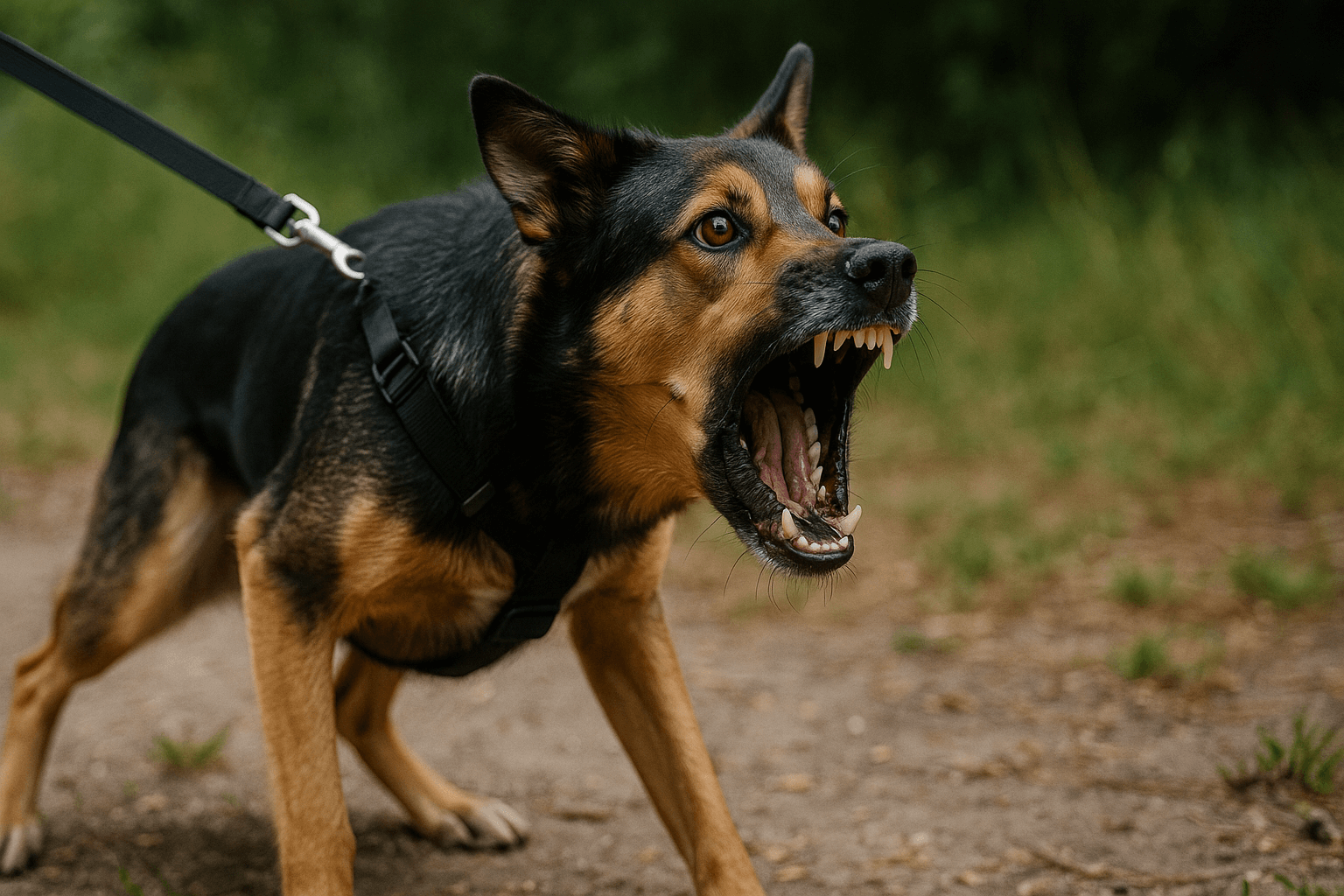
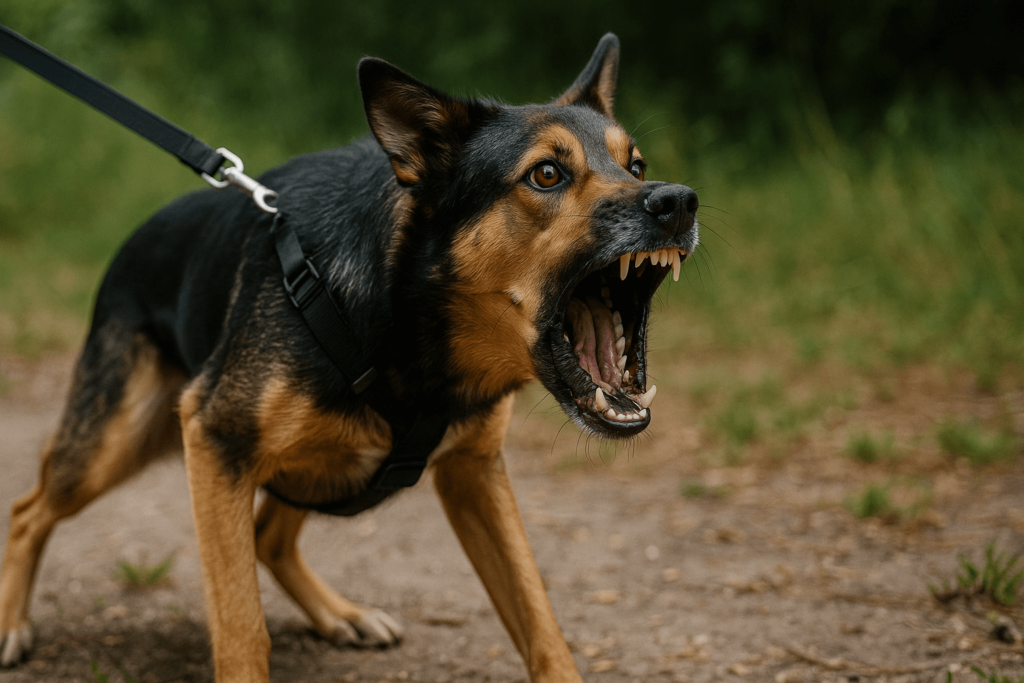
If your once-calm dog now barks, lunges, or freezes at the sight of other dogs, strangers, or everyday noises, you’re not imagining things—reactivity is real, and it’s more common than you think. Reactivity isn’t “bad behavior”; it’s often a sign of fear, frustration, or unmet emotional needs. Many dogs become increasingly reactive due to subtle shifts in environment, health, or routine that go unnoticed. The good news? With understanding and the right approach, reactivity can be managed—and often improved. Let’s explore what’s really going on beneath those tense moments.
Common Triggers Behind Increased Reactivity
Reactivity doesn’t appear out of nowhere. It usually stems from identifiable stressors or changes in your dog’s world. Recognizing these triggers is the first step toward helping your dog feel safe again.
- Lack of early socialization:
Dogs not exposed to varied people, animals, or environments during puppyhood may develop heightened sensitivity later in life. - Past negative experiences:
A single scary event—like a dog attack or loud noise—can create lasting associations that fuel reactive outbursts. - Pain or medical issues:
Undiagnosed discomfort (e.g., arthritis, ear infections) can make dogs irritable and more likely to snap or startle. - Environmental changes:
Moving homes, new roommates, construction noise, or even a change in your work schedule can increase anxiety and vigilance. - Adolescence or aging:
Hormonal shifts in young dogs or cognitive changes in seniors can alter how they process stimuli and respond to stress.
Understanding the “why” behind the behavior helps you respond with empathy—not punishment.
Signs Your Dog Is Struggling (Beyond Barking)
Reactivity isn’t always loud. Sometimes, it shows up as subtle tension or avoidance. Learning to read these signals can prevent escalation.
- Stiff body posture or raised hackles:
Indicates heightened arousal or discomfort, even before vocalization begins. - Whale eye (showing the whites of the eyes):
A classic sign of stress when a dog feels cornered or unsure. - Lip licking or frequent yawning:
These “calming signals” signal internal conflict or anxiety in social situations. - Refusing treats in triggering settings:
If your dog won’t take high-value food near other dogs or people, they’re likely too stressed to think clearly. - Hiding, freezing, or backing away:
Not all reactivity is aggressive—some dogs shut down or retreat when overwhelmed.
These cues are your dog’s way of saying, “I’m not okay”—and they deserve to be heard.
Check this guide 👉Cryptorchidism Dog Behavior: Best 7 Expert Tips!
Check this guide 👉What Is a Dog Behaviorist? Best 7 Expert Tips!
Check this guide 👉Dog Puberty Behavior: Best 7 Expert Tips!
| Supportive Responses | Counterproductive Reactions |
|---|---|
| Increase distance from triggers | Yelling or jerking the leash |
| Reward calm behavior immediately | Forcing interaction “to get used to it” |
| Use calming equipment (front-clip harness) | Punishing after the fact |
| Create predictable routines | Ignoring early stress signals |
| Consult a certified behavior professional | Labeling your dog as “aggressive” |
The Role of Fear and Frustration in Reactivity
Many people mistake reactivity for aggression—but it’s usually rooted in fear or blocked desire (like wanting to greet but being on leash). Understanding this distinction changes everything.
- Fear-based reactivity:
Dogs bark or lunge to create space from what they perceive as a threat—“Go away before you hurt me!” - Frustration-based reactivity:
Friendly dogs may react because they’re excited but restrained, leading to conflicted, explosive behavior. - Leash reactivity is common:
The leash restricts natural movement, amplifying stress and making dogs feel trapped in social situations. - Body language differs subtly:
Fearful dogs often tuck tails and avoid eye contact; frustrated dogs may whine, pull forward, and fixate. - Both types worsen without intervention:
Repeated exposure without support teaches the dog that reacting “works”—reinforcing the cycle.
Addressing the emotion—not just the behavior—is key to lasting change.
How Health Changes Can Increase Reactivity
A sudden uptick in reactivity may signal an underlying medical issue. Never assume it’s “just behavioral” without ruling out physical causes.
- Chronic pain (e.g., arthritis):
Makes dogs less tolerant of touch, movement, or surprise, leading to defensive reactions. - Hearing or vision loss:
Startling easily due to reduced senses can result in snapping or barking when approached unexpectedly. - Thyroid imbalances:
Hypothyroidism is linked to increased anxiety and mood changes in dogs. - Dental disease:
Mouth pain can make dogs irritable during play, handling, or even while resting. - Cognitive decline in seniors:
Can cause confusion, disorientation, and heightened reactivity to familiar stimuli.
A full veterinary check—including bloodwork—should be step one when reactivity spikes unexpectedly.
Mistakes Owners Unknowingly Make
Even well-meaning actions can accidentally reinforce or worsen reactivity. Awareness prevents unintentional harm.
- Consoling with a soothing voice during reactions:
Dogs may interpret this as praise for the reactive behavior, not comfort for their distress. - Pulling tightly on the leash:
Triggers opposition reflex—your dog pulls harder and feels more threatened. - Allowing off-leash greetings with strangers:
Creates inconsistency and teaches dogs that pulling = meeting others. - Skipping management in favor of “training through it”:
Constant exposure without recovery time floods the nervous system and deepens anxiety. - Assuming reactivity will “go away” with age:
Without intervention, most reactive patterns intensify over time.
Small shifts in your response can create big breakthroughs in your dog’s emotional resilience.
Effective Strategies to Reduce Reactivity
Progress is possible—with patience, consistency, and science-backed methods. These approaches build trust and reshape your dog’s emotional responses.
- Create safe distance (threshold work):
Stay far enough from triggers that your dog notices but remains calm—this is where learning happens. - Use counter-conditioning:
Pair the appearance of a trigger (e.g., another dog) with high-value treats to build positive associations. - Practice “look at that” games:
Teach your dog to glance at a trigger and then check back with you for a reward—building focus and choice. - Control the environment:
Use visual barriers, walk during quiet hours, or carry calming sprays to reduce exposure during training. - Prioritize off-leash decompression:
Regular, safe off-leash time in quiet areas helps lower overall stress and improves impulse control.
Change takes time—but every calm moment rewires your dog’s brain for confidence.
When to Seek Professional Help
Some cases need more than DIY training. Knowing when to call a pro protects your dog’s well-being—and your bond.
- Reactivity involves biting or snapping:
Even if no injury occurs, this signals high distress needing expert guidance. - Your dog shuts down or trembles:
Severe fear responses require trauma-informed, force-free support. - You feel overwhelmed or unsafe:
Your emotional state matters—burnout helps no one. A trainer can lighten the load. - Progress stalls for weeks despite consistency:
A fresh perspective can uncover hidden triggers or adjust your plan. - Reactivity started after trauma or loss:
Grief or PTSD in dogs benefits from specialized behavior rehabilitation.
Look for professionals certified by organizations like the IAABC or CCBC who use positive, fear-free methods.
“Reactivity is an emotional response to a change in the environment that is based in fear, anxiety, or frustration,” explains Laura Gendron, CPDT-KA, LFDM, FFCP
Frequently Asked Questions
Is reactivity the same as aggression?
No. Reactivity is an emotional overreaction (often fear or frustration), while aggression includes intent to harm. But reactive dogs can bite if pushed too far.
Can reactivity be cured?
It may not disappear completely, but most dogs improve dramatically with proper management and training—living happy, functional lives.
Why did my dog become reactive at age 3?
Adolescent hormone shifts can resurface unresolved fears, or chronic pain may have developed. Health and behavior should both be assessed.
Does punishment help stop reactivity?
No—it increases fear and erodes trust. Punishment suppresses behavior temporarily but worsens the underlying emotion.
How long does it take to see improvement?
Many owners see small wins in 2–6 weeks with consistency; significant change often takes 3–12 months, depending on severity and history.
Final Thoughts – Reactivity Is a Call for Help, Not Defiance
When your dog barks, lunges, or freezes, they’re not trying to embarrass you or be difficult. They’re communicating distress in the only way they know how. Reactivity isn’t a life sentence—it’s an invitation to deepen your understanding, adjust your expectations, and become your dog’s safe place in a noisy world. With compassion, science-backed tools, and professional support when needed, you can help your dog feel secure again. And in that safety, you’ll rediscover the calm, connected companion who’s been there all along—just waiting to trust the world a little more.
Is Rawhide Bad for Cats? Best 7 Expert Tips! – Discover the risks, safe alternatives, and expert advice to keep your feline friend healthy and happy.

Is Rawhide Bad for Dogs? Best 7 Expert Tips! – Discover the risks, benefits, and safer alternatives to rawhides for your dog’s chewing needs.

Understanding Anorexia in Cats: Best 7 Expert Tips! – Learn why cats stop eating, spot warning signs, and discover how to help your feline regain appetite safely.

Understanding Anorexia in Dogs: Best 7 Expert Tips! – Learn causes, symptoms, and solutions to help your dog regain appetite and stay healthy.