
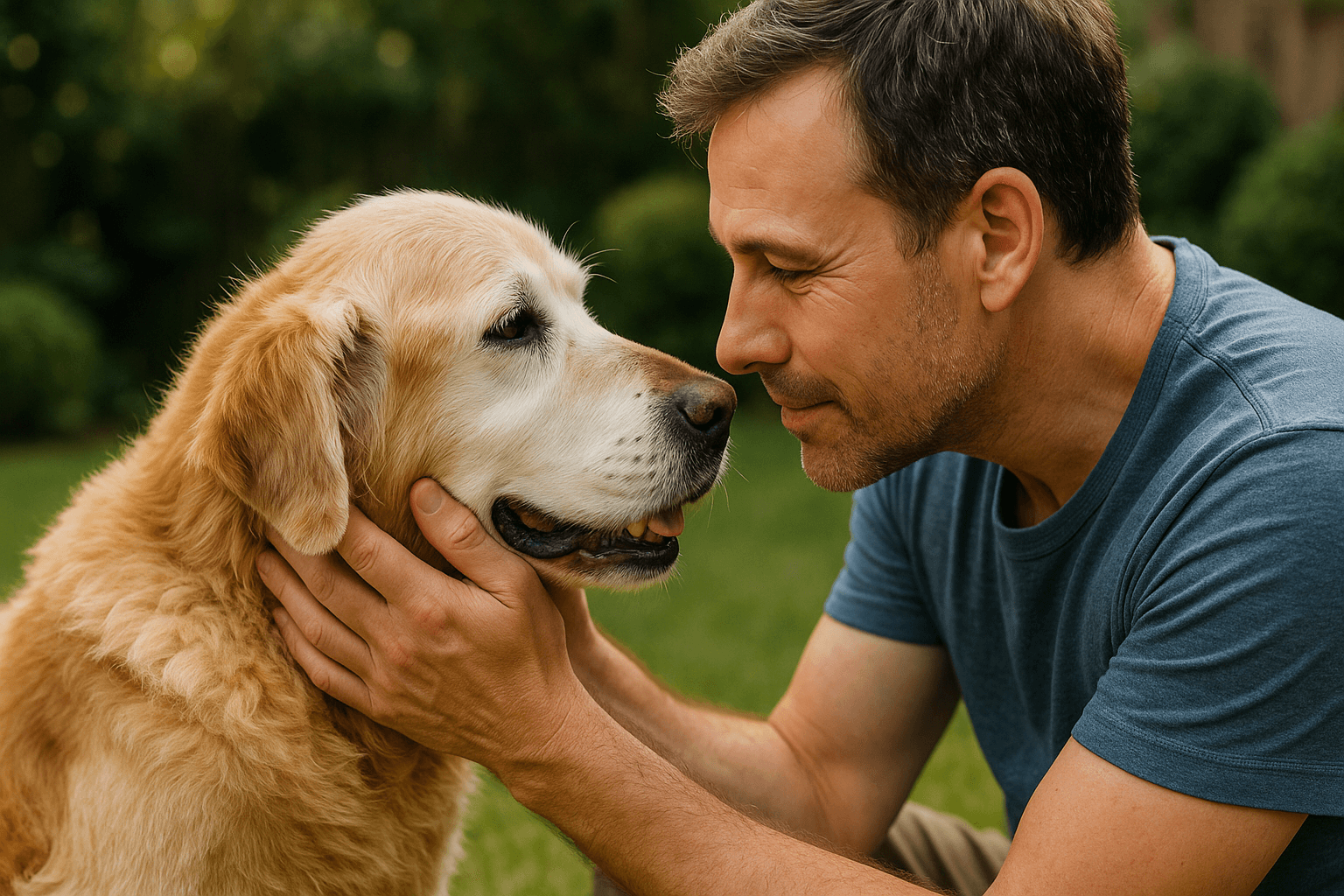

How to Make My Dog Live Longer
Every dog owner dreams of more time with their loyal companion—more walks, more naps on the couch, more joyful tail wags. While genetics play a role in longevity, your daily choices have a powerful impact on how long—and how well—your dog lives. From nutrition and preventive care to emotional well-being, small, consistent actions can add meaningful years to your pet’s life. In this guide, we’ll explore science-backed, vet-approved strategies to help your dog thrive well into their golden years. Because more time together isn’t just a wish—it’s something you can actively nurture.
The Science Behind Canine Longevity
Researchers have made exciting discoveries about what helps dogs live longer, healthier lives. While no magic formula exists, certain patterns consistently emerge across long-lived dogs of all breeds and sizes.
- Breed and size matter:
Smaller breeds generally live longer than large or giant breeds—sometimes by a decade—due to slower aging and lower cancer rates. - Metabolism and oxidative stress:
Dogs with balanced metabolic function and reduced cellular damage from free radicals tend to age more gracefully. - Early-life nutrition:
Puppies fed high-quality, breed-appropriate diets develop stronger immune systems and healthier organs long-term. - Caloric moderation:
Multiple studies show that dogs fed slightly fewer calories (without malnutrition) live significantly longer and have fewer age-related diseases. - Genetic screening advancements:
DNA tests now help identify inherited risks early, allowing for proactive management of conditions like heart disease or joint disorders.
Understanding these factors empowers you to make choices that support not just lifespan—but healthspan.
Annual Preventive Care That Extends Life
Routine veterinary visits are one of the most effective ways to catch problems before they become serious. Prevention truly is longevity in action.
- Wellness exams twice a year after age 7:
Senior dogs age faster—biannual check-ups help detect issues like kidney disease or thyroid imbalance early. - Dental cleanings as needed:
Periodontal disease is linked to heart, liver, and kidney problems; clean teeth support whole-body health. - Parasite prevention year-round:
Fleas, ticks, heartworm, and intestinal worms cause chronic stress and organ damage if left unchecked. - Vaccinations tailored to lifestyle:
Over-vaccination isn’t necessary, but core vaccines and region-specific protection (like leptospirosis) are vital. - Bloodwork and urinalysis starting at midlife:
Baseline tests at age 5–6 help track trends and uncover silent conditions before symptoms appear.
Investing in prevention today can spare your dog pain—and you heartbreak—tomorrow.
Check this guide 👉How to Make My Dog Happy: Best 7 Expert Tips!
Check this guide 👉Understanding Happy Dog Syndrome: Best 7 Expert Tips!
Check this guide 👉Are Zoomies a Sign of a Happy Dog? Best 7 Expert Tips!
| Daily Longevity Boosters | Common Longevity Pitfalls |
|---|---|
| High-quality, age-appropriate food | Free-feeding or excessive treats |
| Daily mental stimulation | Chronic stress or isolation |
| Regular, moderate exercise | Obesity (a top lifespan reducer) |
| Clean water always available | Skipping dental care |
| Strong human-animal bond | Ignoring subtle behavior changes |
Nutrition That Supports a Long, Vibrant Life
What you feed your dog is foundational to their long-term health. Food isn’t just fuel—it’s information for every cell in their body.
- Choose whole-food-based formulas:
Look for named meat sources (e.g., “chicken” not “meat meal”) and avoid artificial preservatives, colors, or excessive fillers. - Adjust for life stage and activity:
Puppies, adults, and seniors have different needs; feeding the wrong formula can lead to imbalances over time. - Incorporate omega-3 fatty acids:
Found in fish oil or algae, these support brain, heart, and joint health—especially in aging dogs. - Limit processed treats:
Use vegetables (carrots, green beans) or lean meat bits as rewards to avoid empty calories and additives. - Consider supplements wisely:
Glucosamine, probiotics, or antioxidants may help—but only under veterinary guidance to avoid interactions.
Feeding well isn’t about perfection—it’s about consistent, thoughtful choices that accumulate into years of vitality.
The Power of Exercise and Mental Engagement
A long life isn’t just about physical health—it’s about a stimulated, fulfilled mind. Boredom and inactivity accelerate cognitive decline.
- Daily walks with sniffing time:
Sniffing is mentally enriching; let your dog explore at their own pace to reduce stress and boost mood. - Puzzle toys and food-dispensing games:
These mimic natural foraging behavior and keep the brain sharp, especially in older dogs. - New skills and gentle training:
Learning “new tricks” at any age builds neural connections and strengthens your bond. - Social interaction (when appropriate):
Playdates or calm greetings with friendly dogs provide emotional enrichment—without overstimulation. - Indoor enrichment for bad-weather days:
Hide-and-seek, scent games, or simple obedience sessions keep minds active year-round.
A tired body is good—but a tired, satisfied mind is the secret to joyful aging.
Weight Management: The #1 Factor You Control
Obesity is the single biggest preventable cause of shortened lifespan in dogs. Even mild overweight status reduces life expectancy by up to 2.5 years.
- Know your dog’s ideal weight:
Use body condition scoring (ribs easily felt, visible waist) rather than just the scale. - Measure meals precisely:
“Eyeballing” food leads to slow, unnoticed weight gain—use a measuring cup or kitchen scale. - Account for all calories:
Treats, table scraps, and dental chews count; keep extras under 10% of daily intake. - Adjust portions with age:
Metabolism slows after age 5–7; most dogs need fewer calories even if activity seems unchanged. - Partner with your vet on a plan:
If your dog is overweight, a tailored diet and exercise protocol is far more effective than guesswork.
Keeping your dog lean isn’t about restriction—it’s about giving them more tomorrows.
Emotional Well-Being and Stress Reduction
Chronic stress releases cortisol, which suppresses immunity and accelerates aging. A calm, secure dog is a healthier dog.
- Predictable routines:
Dogs thrive on consistency in feeding, walks, and bedtime—this reduces anxiety and supports digestion and sleep. - Safe, quiet spaces:
Provide a crate or bed where your dog can retreat during storms, guests, or loud events. - Positive reinforcement only:
Fear-based training or punishment increases long-term stress; reward-based methods build confidence. - Avoid prolonged isolation:
If you’re away often, consider dog walkers, pet sitters, or calming aids (like pheromone diffusers). - Watch for subtle stress signs:
Lip licking, yawning, or hiding aren’t “just quirks”—they’re signals your dog needs support.
Love and security aren’t just comforting—they’re biological longevity boosters.
Breed-Specific and Age-Tailored Longevity Strategies
One size doesn’t fit all. Tailoring care to your dog’s breed tendencies and life stage maximizes their potential lifespan.
- Research your breed’s common issues:
For example, Cavaliers need heart monitoring; Dachshunds need back protection; Boxers need cancer vigilance. - Start joint care early in large breeds:
Supplements and controlled exercise before age 2 can delay arthritis in susceptible dogs. - Senior diet transitions at the right time:
Most dogs benefit from senior formulas around age 7 (or 5 for giant breeds)—sooner if health issues arise. - Cognitive support after age 8:
Antioxidant blends (like those with vitamin E and selenium) may slow canine cognitive dysfunction. - End-of-life planning with dignity:
Discuss palliative care and quality-of-life scales with your vet before crisis hits—so decisions are guided by love, not panic.
Personalized care turns general advice into powerful, individualized longevity medicine.
“The best exercise is the one you and your dog will do… Weekend warriors—dogs that are largely sedentary then do short bursts of excessive activity—can experience a whole host of health issues.”
— Dr. Kate Creevy, Texas A&M College of Veterinary Medicine
Frequently Asked Questions
Can diet really add years to my dog’s life?
Yes. Studies show dogs fed balanced, portion-controlled, high-quality diets live longer and develop fewer chronic diseases.
How much exercise does my dog need to live longer?
Most dogs benefit from 30–60 minutes of daily activity—but even short, frequent mental games make a significant difference.
Do supplements help dogs live longer?
Some do—like omega-3s for heart health or glucosamine for joints—but only when chosen based on your dog’s specific needs and vet advice.
Is it true that spayed/neutered dogs live longer?
Generally, yes. Altered dogs have lower risks of reproductive cancers and certain infections, though timing matters for some breeds.
What’s the biggest mistake owners make about longevity?
Waiting for symptoms. Proactive care—before problems arise—is what truly extends both life and quality of life.
Final Thoughts – More Than Years, More Than Time
Helping your dog live longer isn’t just about adding candles to a birthday cake—it’s about filling every day with health, joy, and connection. The walks, the meals you measure with care, the vet visits you prioritize, the quiet moments of trust—all these choices weave a longer, richer story together. You can’t control everything, but you hold more power than you know. And in giving your dog the gift of a vibrant, well-supported life, you’ll find your own heart fuller, too. Here’s to many more years of wagging tails, warm nuzzles, and shared sunbeams.
Is Rawhide Bad for Cats? Best 7 Expert Tips! – Discover the risks, safe alternatives, and expert advice to keep your feline friend healthy and happy.

Is Rawhide Bad for Dogs? Best 7 Expert Tips! – Discover the risks, benefits, and safer alternatives to rawhides for your dog’s chewing needs.

Understanding Anorexia in Cats: Best 7 Expert Tips! – Learn why cats stop eating, spot warning signs, and discover how to help your feline regain appetite safely.

Understanding Anorexia in Dogs: Best 7 Expert Tips! – Learn causes, symptoms, and solutions to help your dog regain appetite and stay healthy.