
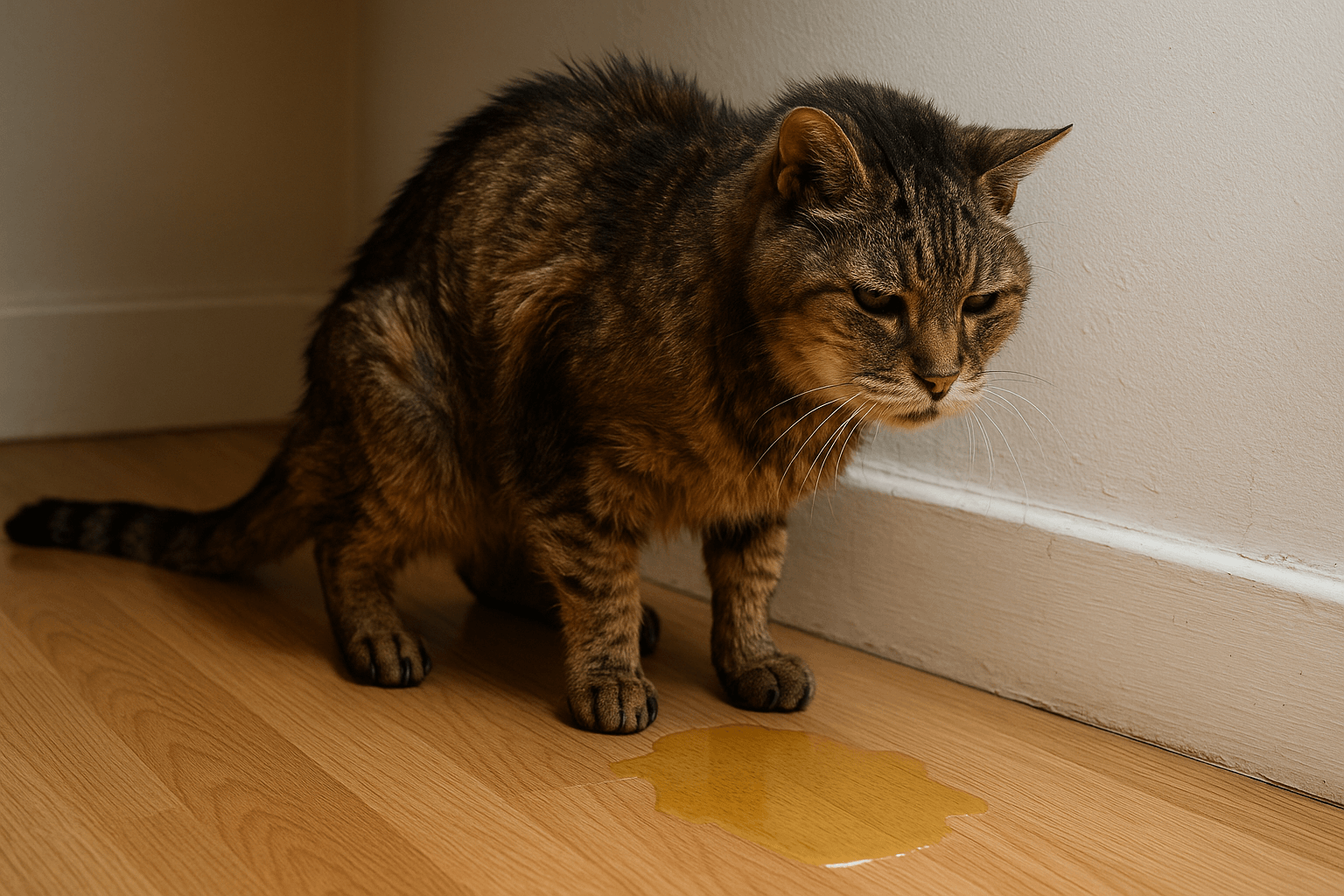
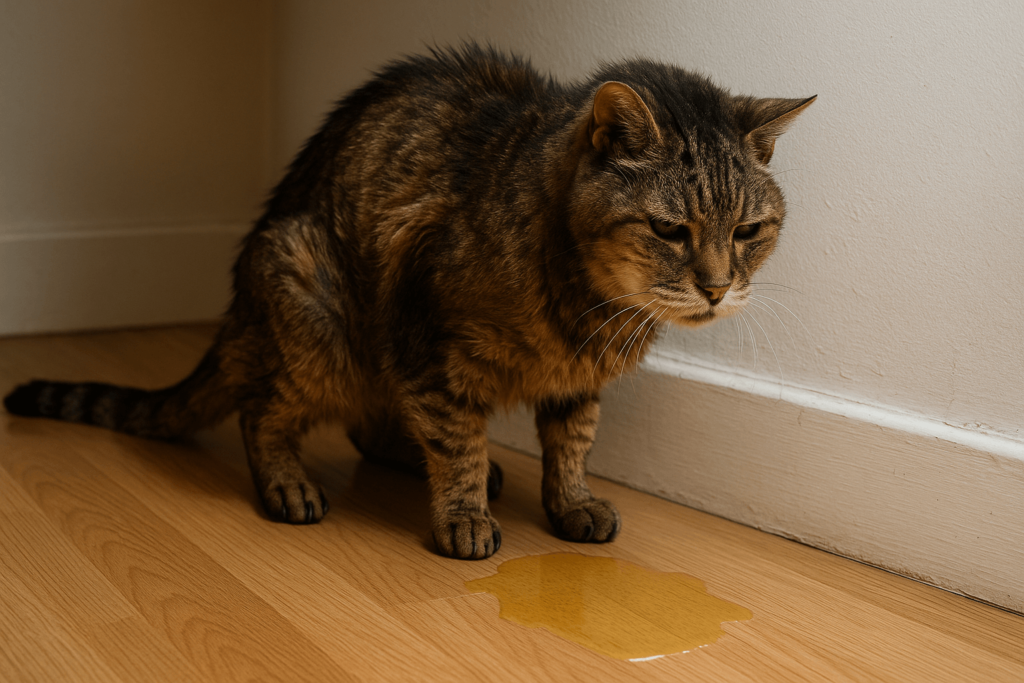

Why Is My Older Cat with Kidney Failure Peeing Everywhere? Best 7 Tips!

Why Is My Older Cat with Kidney Failure Peeing Everywhere? Best 7 Tips!

Why Is My Older Cat with Kidney Failure Peeing Everywhere?


Watching your senior cat suddenly start urinating outside the litter box is distressing — especially when it’s linked to kidney failure. This behavior isn’t spite or laziness; it’s a physical and emotional signal that something is wrong. Kidney disease is common in aging cats, and changes in urination are among its most noticeable symptoms. Understanding the connection between kidney failure and inappropriate peeing is the first step toward helping your beloved companion feel more comfortable and secure during this challenging time.

How Kidney Failure Affects Your Cat’s Urination Habits


Chronic kidney disease (CKD) impairs your cat’s ability to concentrate urine, leading to increased thirst and frequent, large-volume urination. This physiological shift often results in accidents around the house — not out of defiance, but because their body simply can’t hold it.

 
  • Increased Urine Output:
    Damaged kidneys lose the ability to reabsorb water, causing your cat to produce far more urine than usual — sometimes up to three times the normal amount.

     
  • Urgency and Frequency:
    Your older cat may feel a sudden, overwhelming need to go and not make it to the litter box in time, especially if mobility is limited.

     
  • Reduced Bladder Control:
    Neurological or muscular weakness associated with age and illness can diminish voluntary control over urination.

     
  • Litter Box Aversion:
    If your cat associates the litter box with discomfort (from straining or pain), they may start avoiding it altogether.

     
  • Dehydration Paradox:
    Even though they drink more, cats with kidney failure can become dehydrated quickly, which further disrupts urinary function and behavior.


These changes are medical, not behavioral. Responding with compassion — not punishment — is essential to supporting your cat through this phase.

Why Is My Older Cat with Kidney Failure Peeing Everywhere? Best 7 Tips!

Common Signs of Kidney Disease in Senior Cats


While inappropriate urination is a red flag, it rarely occurs in isolation. Kidney failure progresses slowly, and early detection can significantly improve quality of life.

 
  • Excessive Thirst:
    You may notice your cat constantly at the water bowl or drinking from unusual sources like sinks or puddles.

     
  • Weight Loss and Poor Appetite:
    As toxins build up in the bloodstream, your cat may lose interest in food and begin to lose muscle mass.

     
  • Lethargy and Withdrawal:
    Cats with kidney issues often become less active, sleep more, and seek quiet, isolated spots.

     
  • Bad Breath or Oral Ulcers:
    A metallic or ammonia-like odor from the mouth can signal uremia, a buildup of waste products.

     
  • Vomiting or Nausea:
    Toxin accumulation can irritate the stomach lining, leading to intermittent vomiting or drooling.


If you observe any combination of these signs alongside peeing outside the box, a veterinary visit is urgent. Early intervention can slow disease progression and restore comfort.

Kidney Failure Symptoms Behavioral Impact
Dilute, frequent urination Accidents near sleeping areas or doorways
Increased thirst Drinking from toilets or puddles, leading to messes
Litter box discomfort Peeing on soft surfaces like beds or rugs
Weakness or stiffness Avoiding basement or upstairs litter boxes
Cognitive decline Forgetting litter box location or purpose

Why Your Older Cat Might Be Peeing Outside the Litter Box


It’s tempting to assume your cat is being “bad,” but in reality, their actions are driven by physical limitations and discomfort.

 
  • Physical Discomfort:
    Arthritis or joint pain can make climbing into a high-sided litter box painful or impossible.

     
  • Confusion or Dementia:
    Cognitive dysfunction in senior cats can cause them to forget where the litter box is or what it’s for.

     
  • Stress from Illness:
    Feeling unwell increases anxiety, which may manifest as territorial marking or loss of bathroom habits.

     
  • Litter Texture Sensitivity:
    Cats with sensitive paws may dislike certain litters, especially if they have concurrent urinary pain.

     
  • Overwhelmed by Volume:
    If the litter box isn’t cleaned frequently, the odor of large urine volumes may deter your cat from using it.


Addressing these root causes — rather than the symptom alone — leads to more effective and humane solutions.

How to Adapt the Litter Box for a Cat with Kidney Disease


Simple modifications can make a world of difference in helping your senior cat stay clean and comfortable.

 
  • Use Low-Entry Boxes:
    Choose litter boxes with a cut-out entrance or a ramp so your cat can walk in easily without jumping.

     
  • Increase Quantity:
    Follow the “n+1” rule: for one cat, provide two boxes, placed on every level of your home.

     
  • Opt for Larger Pans:
    A bigger surface area gives your cat room to position comfortably, especially if they’re unsteady.

     
  • Choose Unscented, Soft Litter:
    Avoid clumping litters with strong perfumes; opt for fine-grained, dust-free options like paper or silica.

     
  • Clean Frequently:
    Scoop at least twice daily and fully change litter weekly to reduce odor and encourage use.


These adjustments reduce physical barriers and make the litter box a welcoming, accessible space.

Medical Management of Kidney Failure and Urinary Issues


Veterinary care is central to managing both kidney disease and its urinary side effects.

 
  • Subcutaneous Fluids:
    Many owners learn to administer fluids at home, which helps flush toxins and maintain hydration.

     
  • Prescription Kidney Diets:
    Formulas like Hill’s k/d or Royal Canin Renal are low in phosphorus and protein, easing kidney workload.

     
  • Phosphate Binders and Medications:
    Drugs like benazepril or potassium supplements can regulate electrolytes and blood pressure.

     
  • Appetite Stimulants:
    If nausea causes food refusal, medications like mirtazapine can restore interest in eating.

     
  • Regular Bloodwork Monitoring:
    Tracking creatinine, BUN, and SDMA levels helps adjust treatment before symptoms worsen.


Consistent medical support not only extends life but also reduces urinary accidents by stabilizing your cat’s physiology.

Cleaning and Odor Control Tips for Accidents


Thorough cleaning prevents repeat marking and keeps your home hygienic and welcoming.

 
  • Use Enzymatic Cleaners:
    Products like Nature’s Miracle break down urine proteins and eliminate odors that attract repeat accidents.

     
  • Avoid Ammonia-Based Cleaners:
    These smell like urine to cats and can encourage more peeing in the same spot.

     
  • Blot, Don’t Rub:
    Immediately absorb fresh urine with paper towels to minimize absorption into fabric or flooring.

     
  • Wash Bedding Frequently:
    Any fabric your cat sleeps on should be laundered weekly in pet-safe detergent.

     
  • Use Washable Throws:
    Place machine-washable blankets on favorite napping spots to protect furniture and simplify cleanup.


Effective odor control reduces stress for both you and your cat — and discourages future accidents.

When to Talk to Your Veterinarian


Not all peeing issues are solely due to kidney disease. Some require urgent attention.

 
  • Blood in Urine:
    This could indicate a urinary tract infection or crystals, which need separate treatment.

     
  • Straining Without Producing Urine:
    This is a medical emergency — especially in male cats — and may signal a blockage.

     
  • Sudden Increase in Accidents:
    A rapid change may reflect a secondary infection, hypertension, or disease progression.

     
  • Complete Litter Box Abandonment:
    If your cat stops using any box for more than 24 hours, investigate immediately.

     
  • Signs of Pain:
    Crying, hunched posture, or tail flicking during urination warrant prompt evaluation.


Never assume it’s “just old age.” Many complications are treatable when caught early.

“Many medical conditions that cause cats to urinate or defecate more frequently, such as kidney disease, diabetes, and digestive disorders, cause cats to produce more urine or stool. Their boxes may fill up more quickly, driving them to seek cleaner locations to eliminate.”

Frequently Asked Questions About Older Cats with Kidney Failure Peeing Everywhere

Why is my older cat suddenly peeing on my bed?

Your cat may associate your bed with safety and comfort. In kidney failure, they often urinate where they rest due to urgency or weakness — not to upset you.

Unfortunately, chronic kidney disease is irreversible. However, early and consistent management can slow progression and maintain quality of life for months or years.

No. Punishment increases stress and worsens the problem. Focus on medical care, environmental adjustments, and positive reinforcement instead.

Scoop at least twice daily and fully replace litter every 3–7 days. Cats with high urine output are more sensitive to odor buildup.

Yes. Many cats prefer running water, which feels fresher. Consider adding a cat water fountain to encourage hydration.

Supporting Your Senior Cat with Compassion


Living with an older cat with kidney failure requires patience, observation, and love. Their accidents are not defiance — they’re a plea for help. By addressing medical needs, adapting their environment, and responding with kindness, you give them dignity in their golden years. Every clean blanket, every low-entry litter box, every gentle stroke says, “I’m here for you.” That’s the true heart of caregiving — and your cat feels it deeply.

Is Rawhide Bad for Cats? Best 7 Expert Tips!

Is Rawhide Bad for Cats? Best 7 Expert Tips! – Discover the risks, safe alternatives, and expert advice to keep your feline friend healthy and happy.

Is Rawhide Bad for Dogs? Best 7 Expert Tips!

Is Rawhide Bad for Dogs? Best 7 Expert Tips! – Discover the risks, benefits, and safer alternatives to rawhides for your dog’s chewing needs.

Understanding Anorexia in Cats: Best 7 Expert Tips!

Understanding Anorexia in Cats: Best 7 Expert Tips! – Learn why cats stop eating, spot warning signs, and discover how to help your feline regain appetite safely.

Understanding Anorexia in Dogs: Best 7 Expert Tips!

Understanding Anorexia in Dogs: Best 7 Expert Tips! – Learn causes, symptoms, and solutions to help your dog regain appetite and stay healthy.

Leave a Reply

Your email address will not be published. Required fields are marked *