
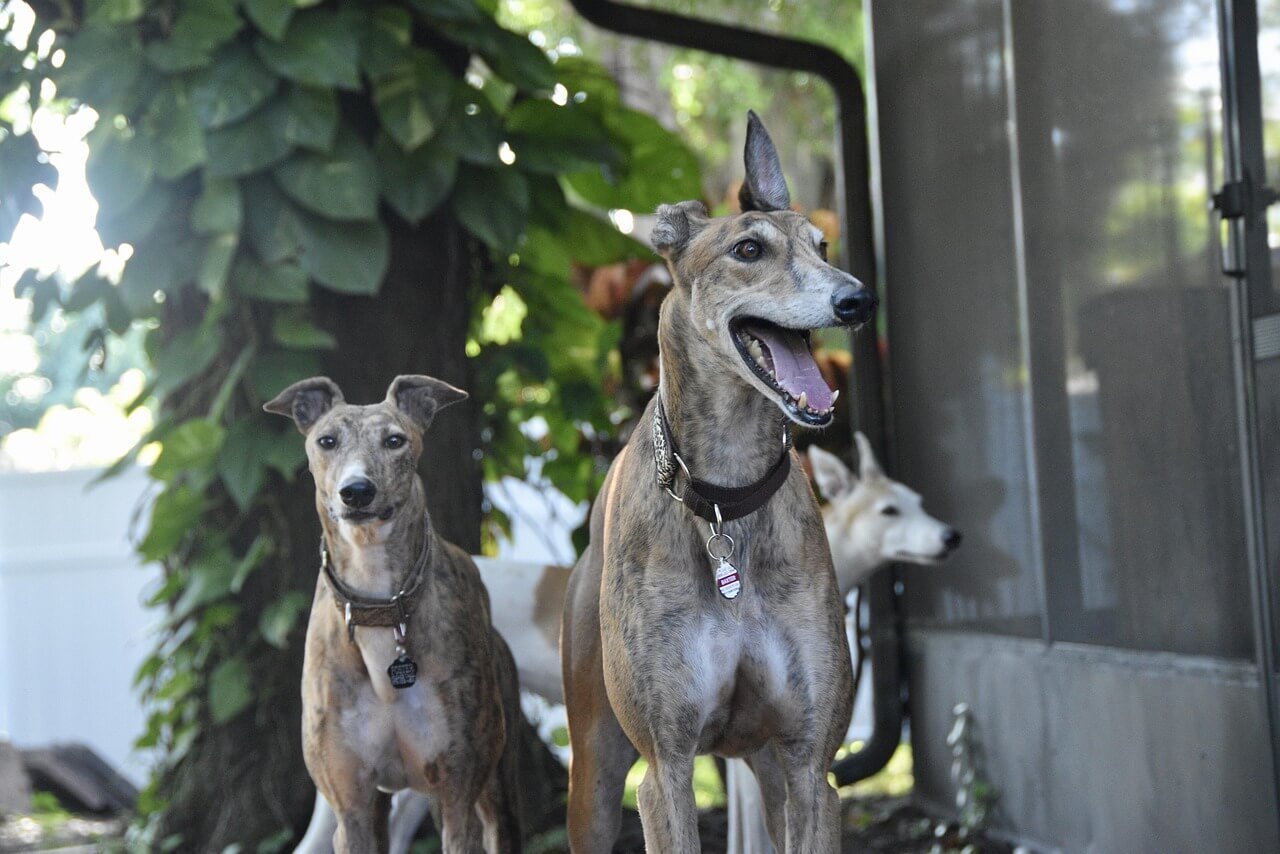


Why Does My Dog Grunt? Decoding the Sounds of Your Furry Friend
Dogs are known for their expressive nature, and while barking, whining, and growling often take the spotlight, grunting is a lesser-known yet equally intriguing behavior. If you’ve ever wondered why your dog makes these pig-like noises, you’re not alone. Many pet owners find themselves puzzled when their furry companion starts to grunt, whether during playtime, sleep, or even while lounging on the couch. In this blog post, we’ll dive into the fascinating world of canine communication and explore the reasons behind this unique sound. By understanding what your dog’s grunts mean, you can strengthen your bond and ensure their well-being.
Common Reasons Why Dogs Grunt
Dog grunting can occur for a variety of reasons, and while it’s often harmless, it’s essential to consider the context in which it happens. Here are some of the most common explanations for this quirky behavior.
Expressing Comfort and Contentment:
Dogs may grunt when they’re feeling relaxed, such as after settling into their favorite spot or receiving a belly rub. It’s similar to a human sigh of satisfaction.Seeking Attention or Affection:
Some dogs grunt to get your attention, especially if they’ve learned that this sound elicits a positive response like petting or treats.Reacting to Excitement:
When dogs are overly excited—such as during playtime or meal prep—they may grunt as part of their energetic communication.Responding to Smells or Sounds:
Dogs have an incredible sense of smell, and certain scents might prompt them to grunt as a way of processing what they’re experiencing.Signaling Discomfort or Pain:
In some cases, grunting can indicate physical discomfort, such as joint pain or digestive issues. Observing other symptoms is crucial here.
By paying attention to the situation and your dog’s overall demeanor, you can better understand whether their grunting is playful, contented, or a sign of something more serious.
How to Interpret Your Dog’s Grunts
Interpreting your dog’s grunts requires careful observation of their body language and environment. Here are some tips to help you decode what your dog might be trying to communicate.
Watch Their Body Language:
A relaxed posture, wagging tail, or closed eyes often accompanies happy grunting, while stiff muscles or pinned ears could signal distress.Consider the Timing:
If your dog grunts while eating, playing, or resting, it’s likely a sign of enjoyment. However, sudden grunting during movement could indicate discomfort.Evaluate Environmental Factors:
Loud noises, unfamiliar scents, or changes in routine might trigger grunting as your dog processes new stimuli.Look for Accompanying Symptoms:
Additional signs like limping, lethargy, or loss of appetite alongside grunting may point to underlying health concerns.Assess Recent Changes:
Has anything changed in your dog’s life recently? Moving homes, introducing new pets, or altering routines can influence their vocalizations.
Understanding the nuances of your dog’s behavior helps you respond appropriately and ensure their well-being.
Check this guide 👉 Why Does My Dog Keep Licking Her Privates? Best 7 Tips!
Check this guide 👉 Why Does My Dog Rub Its Face on the Carpet? Best 7 Tips!
Check this guide 👉 Why Is My Dog Swallowing So Much? Best 7 Expert Tips!
Behavioral Causes of Dog Grunting | Health-Related Causes of Dog Grunting |
|---|---|
Seeking attention or affection | Joint pain or arthritis |
Expressing happiness or relaxation | Digestive issues or bloating |
Reacting to exciting activities | Respiratory problems |
Interacting with new smells or sounds | Dental pain or gum inflammation |
Responding to environmental changes | Allergies causing nasal irritation |
When to Be Concerned About Dog Grunting
While dog grunting is often harmless, there are instances where it may warrant a visit to the veterinarian. Knowing when to seek professional advice ensures your dog stays healthy and comfortable.
Persistent or Sudden Onset Grunting:
If your dog suddenly starts grunting frequently without an obvious reason, it could indicate an underlying issue.Accompanied by Limping or Stiffness:
Grunting combined with difficulty moving may suggest joint pain or arthritis, especially in older dogs.Changes in Eating Habits:
If your dog grunts while eating or avoids food altogether, dental pain or digestive problems could be the culprit.Labored Breathing or Coughing:
Grunting paired with respiratory symptoms may signal a condition affecting their lungs or airways.Unusual Vocalizations During Rest:
Dogs who grunt excessively while sleeping might be experiencing discomfort or pain that interrupts their rest.
Being proactive about your dog’s health ensures any concerning behaviors are addressed promptly and effectively.
Tips for Managing and Responding to Dog Grunting
If your dog’s grunting doesn’t stem from a medical issue, there are several ways to manage and encourage positive behaviors. These strategies can help you build a stronger bond with your pet.
Reward Positive Behavior:
Reinforce desired actions, like calm grunting during relaxation, with treats or praise to encourage repetition.Provide Mental Stimulation:
Engage your dog with puzzle toys, scent games, or training sessions to channel their energy constructively.Create a Comfortable Environment:
Ensure your dog has a cozy space to relax, free from loud noises or stressful triggers that might cause anxious grunting.Monitor Food and Treat Portions:
Overfeeding or giving rich snacks can lead to digestive discomfort, which might result in grunting. Stick to a balanced diet.Consult a Trainer or Behaviorist:
If your dog’s grunting seems excessive or problematic, seek guidance from a professional to address the root cause.
With patience and consistency, you can help your dog feel secure and reduce unnecessary grunting.
Signs Your Dog Is Happy
Recognizing signs of happiness in your dog helps you confirm whether their grunting is a positive expression. Look for these indicators to gauge your dog’s mood.
Relaxed Facial Expression:
Soft eyes, a slightly open mouth, and a loose jaw often accompany feelings of contentment.Playful Energy:
Bouncing around, wagging their tail, or engaging in zoomies suggests your dog is in high spirits.Cuddling or Leaning Against You:
Physical closeness is a clear sign your dog trusts and enjoys your company.Tail Wagging Variations:
A slow, steady wag typically indicates calm happiness, while rapid wags reflect excitement.Vocalizations Beyond Grunting:
Whining, whimpering, or soft barks paired with grunts can further emphasize your dog’s joyful state.
Understanding these signs deepens your connection with your dog and reassures you of their emotional well-being.
How to Address Excessive Grunting
If your dog’s grunting becomes excessive or disruptive, there are steps you can take to manage the behavior effectively.
Identify Triggers:
Observe what prompts the grunting—is it food, attention, or specific environments? Pinpointing triggers helps you address the root cause.Redirect Their Focus:
Use commands, toys, or activities to distract your dog from repetitive grunting behaviors.Establish Boundaries:
Teach your dog when and where certain vocalizations are acceptable to minimize unwanted sounds.Practice Calm Interactions:
Encourage quiet behavior through rewards, reinforcing silence over noise.Consult a Professional:
If efforts to curb excessive grunting fail, a trainer or veterinarian can offer tailored solutions.
With consistent effort, you can guide your dog toward healthier communication habits.
Fun Facts About Dog Communication
Dogs have a rich repertoire of sounds and signals they use to interact with humans and other animals. Here are some fun facts about their communication methods.
Each Bark Has a Purpose:
Studies show that dogs adjust the pitch and frequency of their barks depending on the situation, from alerting owners to greeting friends.Whiskers Play a Role:
A dog’s whiskers aren’t just for navigation—they also enhance their ability to detect subtle changes in their environment, influencing their vocal responses.Tail Talk Isn’t Just About Wagging:
The speed, direction, and height of a wag convey different messages, adding depth to your dog’s non-verbal communication.Yawning Can Be Contagious:
Dogs often yawn in response to human yawning, showing empathy and strengthening the human-dog bond.Grunting Isn’t Limited to Humans:
Some wild canines, like wolves, also emit low-frequency grunts as part of their social interactions.
These fascinating insights highlight the complexity and charm of canine communication.
Frequently Asked Questions About Dog Grunting
Is it normal for dogs to grunt?
How can I tell if my dog’s grunting is a sign of pain?
Should I be worried if my dog grunts a lot?
Occasional grunting is usually harmless, but persistent or unusual grunting may signal an underlying issue that requires veterinary attention.
Can allergies cause my dog to grunt?
Yes, nasal irritation from allergies or environmental factors can lead to increased grunting.
Do certain breeds grunt more than others?
Brachycephalic breeds, such as pugs and bulldogs, are more prone to grunting due to their unique respiratory structures.
How can I tell if my dog’s grunting is a sign of pain?
Look for additional signs like limping, restlessness, or changes in appetite. If in doubt, consult your veterinarian.
Embracing the Quirks of Your Grunting Dog
Dog grunting is just one of the many unique ways our canine companions express themselves. Whether it’s a sign of joy, excitement, or even discomfort, understanding the meaning behind these sounds strengthens the bond between you and your pet. By staying observant, addressing potential health concerns, and responding thoughtfully, you can ensure your dog feels heard and cared for. So, the next time your furry friend lets out a little grunt, take a moment to appreciate the personality and charm that make them truly one of a kind.
Is Rawhide Bad for Cats? Best 7 Expert Tips! – Discover the risks, safe alternatives, and expert advice to keep your feline friend healthy and happy.

Is Rawhide Bad for Dogs? Best 7 Expert Tips! – Discover the risks, benefits, and safer alternatives to rawhides for your dog’s chewing needs.

Understanding Anorexia in Cats: Best 7 Expert Tips! – Learn why cats stop eating, spot warning signs, and discover how to help your feline regain appetite safely.

Understanding Anorexia in Dogs: Best 7 Expert Tips! – Learn causes, symptoms, and solutions to help your dog regain appetite and stay healthy.