
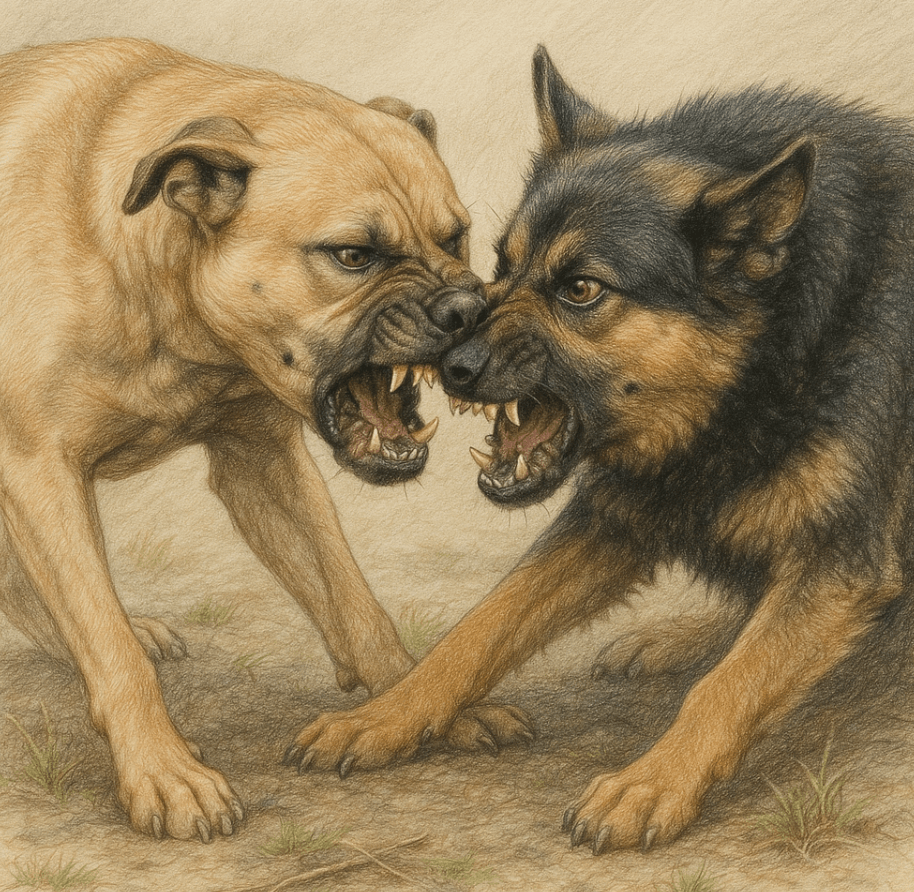

Why Does My Dog Fight Other Dogs? Best 7 Expert Tips!

Why Does My Dog Fight Other Dogs? Best 7 Expert Tips!

Why Does My Dog Fight Other Dogs?


If you’ve ever witnessed your dog getting into a scuffle with another canine, you know how stressful and confusing it can be. Whether it’s a brief growl or a full-blown fight, understanding the reasons behind this behavior is crucial for ensuring your dog’s safety and maintaining harmony in social settings. Dog aggression toward other dogs can stem from a variety of factors, including fear, territorial instincts, or even past experiences. In this blog post, we’ll explore the root causes of dog-on-dog conflict, provide actionable tips to manage and prevent fights, and help you build a stronger bond with your furry companion. Let’s dive into what might be driving your dog’s behavior and how you can address it effectively.

Expert Insight on Dog Aggression

“Understanding dog aggression in its many forms makes it easier to find the appropriate solution for the behavior. It can also help you be a better advocate for your dog, so you can get them out of harm’s way or to a vet if your dog is reacting with fear or pain aggression.”

Victoria Schade, CPDT-KA

Common Reasons Why Dogs Fight Other Dogs


Dogs communicate differently than humans, and what may seem like aggression could actually be a response to specific triggers. Here are some common reasons why your dog might engage in conflicts with other dogs.

 
  • Fear and Anxiety:
    A fearful dog may lash out to protect itself when feeling threatened or cornered by another dog.

  • Territorial Behavior:
    Dogs are naturally protective of their space, whether it’s their home, yard, or even their owner. Encroaching on their territory can provoke aggression.

  • Lack of Socialization:
    Dogs that haven’t been exposed to other dogs during their critical socialization period may struggle to interpret social cues, leading to misunderstandings.

  • Resource Guarding:
    Food, toys, or attention can trigger possessive behavior, causing your dog to react aggressively if they feel their resources are at risk.

  • Frustration or Overstimulation:
    Some dogs become overly excited in play situations and may escalate to aggression if they don’t know how to self-regulate.


Understanding these triggers is the first step toward addressing and preventing dog fights. By identifying the root cause, you can take proactive measures to manage your dog’s behavior.

Why Does My Dog Fight Other Dogs? Best 7 Expert Tips!

Signs Your Dog May Be About to Fight


Recognizing early warning signs can help you intervene before a situation escalates into a full-blown fight. These subtle cues often indicate that your dog is feeling uncomfortable or agitated.

 
  • Stiff Body Posture:
    A tense, rigid stance is a clear sign that your dog is on edge and may react defensively.

  • Growling or Snarling:
    Vocalizations like growls or snarls are your dog’s way of communicating discomfort or warning others to back off.

  • Raised Hackles:
    When the hair along your dog’s back stands up, it signals heightened arousal or agitation.

  • Direct Eye Contact:
    Prolonged staring between dogs can be a precursor to aggression, as it’s often perceived as a challenge.

  • Lip Licking or Yawning:
    While these behaviors can indicate stress rather than aggression, they’re still important signals to watch for in tense situations.


By paying attention to these signs, you can step in early and diffuse potential conflicts before they escalate.

Preventing Dog Fights
Managing Aggressive Behavior
Socialize your dog from an early age
Redirect your dog’s focus with treats
Avoid crowded or chaotic environments
Use calming commands like “sit” or “stay”
Keep your dog on a leash in public
Reward calm behavior consistently
Monitor playtime for signs of tension
Consult a professional trainer if needed
Introduce dogs gradually and calmly
Create safe spaces for your dog at home

How to Prevent Dog Fights in Social Settings


Preventing dog fights starts with proactive measures to ensure your dog feels safe and comfortable in social situations. Follow these steps to minimize the risk of conflict.

 
  • Choose Safe Playmates:
    Pair your dog with well-matched companions who share similar energy levels and play styles.

  • Supervise Interactions Closely:
    Always keep an eye on your dog during playdates or walks to intervene if tensions arise.

  • Avoid High-Stress Environments:
    Crowded parks or chaotic areas can overwhelm your dog, increasing the likelihood of reactive behavior.

  • Teach Basic Commands:
    Commands like “leave it” or “come” can help you regain control in potentially volatile situations.

  • Reward Positive Behavior:
    Reinforce good manners and calm interactions with treats, praise, or playtime to encourage peaceful behavior.


With consistent effort and supervision, you can create positive social experiences for your dog and reduce the chances of fights.

What to Do If Your Dog Gets Into a Fight


Even with precautions, dog fights can happen unexpectedly. Knowing how to respond safely is essential to protect both your dog and yourself.

 
  • Stay Calm and Avoid Panicking:
    Reacting emotionally can escalate the situation further. Take a deep breath and assess the scene.

  • Do Not Grab Your Dog by the Collar:
    Reaching for your dog’s collar puts you at risk of being bitten. Instead, focus on breaking their focus.

  • Use Loud Noises or Distractions:
    Clap your hands, shout firmly, or use a whistle to startle the dogs and interrupt the fight.

  • Separate Them Safely:
    Use objects like a chair, umbrella, or blanket to create physical barriers between the dogs.

  • Seek Veterinary Attention if Needed:
    After the fight, check both dogs for injuries and consult a vet if necessary to rule out hidden wounds.


Acting quickly and calmly can help de-escalate the situation and prevent further harm.

Tips for Socializing a Reactive Dog


If your dog struggles with reactivity, gradual socialization can help them build confidence and improve their interactions. Here are some strategies to try.

 
  • Start with Controlled Environments:
    Begin in low-stress settings, like a quiet backyard, before introducing your dog to busier areas.

  • Use Positive Reinforcement:
    Reward your dog for calm behavior around other dogs, reinforcing their progress with treats or praise.

  • Keep Initial Meetings Short:
    Limit interactions to avoid overwhelming your dog and gradually increase exposure over time.

  • Pair Socialization with Fun Activities:
    Combine playtime or training exercises with socialization to create positive associations.

  • Monitor Your Dog’s Stress Levels:
    Watch for signs of anxiety and remove your dog from the situation if they appear overwhelmed.


With patience and practice, even reactive dogs can learn to interact peacefully.

Understanding Breed-Specific Aggression Tendencies


Some breeds are predisposed to certain behaviors that may influence their likelihood of fighting. Understanding these tendencies can help you tailor your approach.

 
  • Herding Breeds:
    Dogs like Border Collies or Australian Shepherds may nip or chase due to their herding instincts.

  • Guarding Breeds:
    Breeds like Rottweilers or Dobermans may exhibit territorial or protective behaviors more frequently.

  • Terriers:
    Terriers were bred to hunt small animals, which can translate to high prey drives and assertiveness.

  • Bulldog-Type Breeds:
    Some bulldog breeds may have a reputation for stubbornness or dominance, requiring firm but gentle training.

  • Toy Breeds:
    Smaller dogs may display “small dog syndrome,” acting defensively due to their size disadvantage.


While breed tendencies matter, individual personality and upbringing play equally important roles.

How to Address Fear-Based Aggression in Dogs


Fear-based aggression is one of the most common reasons dogs fight, and addressing it requires empathy and careful handling. Here are some steps to help your dog feel more secure.

 
  • Identify Triggers:
    Observe what situations or stimuli cause your dog to react fearfully, such as loud noises or unfamiliar dogs.

  • Create a Safe Space:
    Provide a designated area where your dog can retreat when feeling anxious or overwhelmed.

  • Desensitize Gradually:
    Expose your dog to their triggers in small, controlled doses, rewarding calm behavior each time.

  • Use Calming Tools:
    Items like pheromone diffusers or anxiety wraps can help soothe your dog during stressful moments.

  • Consult a Professional:
    If fear-based aggression persists, seek guidance from a certified animal behaviorist for personalized support.


By addressing the root cause of your dog’s fear, you can help them feel more confident and less reactive in challenging situations.

Frequently Asked Questions About Dog Aggression

 
Why does my dog only fight certain dogs?

Your dog may have specific triggers, such as size, breed, or energy level, that make them uncomfortable around certain dogs.

Yes, with patience and consistency, behavioral training can help reduce aggressive tendencies and improve social skills.

Spaying or neutering can reduce hormonal influences on aggression but may not eliminate all behavioral issues.

Not necessarily, but you should assess whether your dog feels safe and relaxed in that environment before visiting.

Work with a professional trainer or behaviorist to address underlying issues and develop a tailored management plan.

Building a Peaceful Relationship Between Your Dog and Others


Dog fights are challenging, but they don’t have to define your dog’s social life. By understanding the root causes of aggression, recognizing warning signs, and taking proactive steps to manage behavior, you can create a safer and more harmonious environment for your furry friend. Remember, patience and consistency are key—your dog looks to you for guidance and reassurance. With the right approach, you can help your dog develop better social skills and enjoy positive interactions with other dogs. Together, you can overcome challenges and strengthen your bond, one peaceful encounter at a time.

Is Rawhide Bad for Cats? Best 7 Expert Tips!

Is Rawhide Bad for Cats? Best 7 Expert Tips! – Discover the risks, safe alternatives, and expert advice to keep your feline friend healthy and happy.

Is Rawhide Bad for Dogs? Best 7 Expert Tips!

Is Rawhide Bad for Dogs? Best 7 Expert Tips! – Discover the risks, benefits, and safer alternatives to rawhides for your dog’s chewing needs.

Understanding Anorexia in Cats: Best 7 Expert Tips!

Understanding Anorexia in Cats: Best 7 Expert Tips! – Learn why cats stop eating, spot warning signs, and discover how to help your feline regain appetite safely.

Understanding Anorexia in Dogs: Best 7 Expert Tips!

Understanding Anorexia in Dogs: Best 7 Expert Tips! – Learn causes, symptoms, and solutions to help your dog regain appetite and stay healthy.

Leave a Reply

Your email address will not be published. Required fields are marked *