

Why Does My Cat Stay in My Room All Day?
If you’ve ever wondered why your cat seems to prefer your room over any other space in the house, you’re not alone. Many cat owners notice their feline companions spending hours curled up on their bed, lounging near their desk, or simply hanging out in their personal space. While this behavior might seem puzzling at first, it’s actually quite common—and there are several reasons behind it. From comfort and security to bonding and territorial instincts, understanding why your cat chooses your room can help strengthen your bond and ensure their well-being. Let’s explore the fascinating world of feline preferences and uncover what makes your room so irresistible to your furry friend.
Reasons Why Your Cat Prefers Your Room
Cats are creatures of habit and instinct, and their choice to stay in your room often stems from a combination of physical, emotional, and environmental factors. Here are some common reasons why your room might be their favorite spot.
Comfort and Familiarity:
Your room likely smells like you, which provides a sense of familiarity and security for your cat. The scent of their human is incredibly comforting.Warmth and Coziness:
Beds, blankets, and soft surfaces in your room create an inviting environment that cats find irresistible, especially during cooler weather.Bonding and Attachment:
Cats form strong bonds with their humans, and staying close to you reinforces their sense of connection and safety.Quiet and Privacy:
Your room may offer a peaceful retreat away from noise, activity, or other pets, making it an ideal sanctuary for your cat.Territorial Instincts:
Cats are naturally territorial animals, and they may view your room as part of their “claimed” territory due to your presence and scent.
These factors highlight how your room serves as a haven for your cat, meeting both their physical and emotional needs.
Signs Your Cat Feels Safe in Your Room
When your cat consistently chooses to stay in your room, it’s often a sign that they feel secure and content in that space. Look for these behaviors that indicate your room is their safe haven.
Relaxed Body Language:
A cat that sprawls out, rolls onto their back, or kneads the bedding feels completely at ease in your room.Purring and Vocalizations:
Purring or soft meowing while in your room signals happiness and trust in their surroundings.Sleeping Near You:
Cats who sleep close to you are seeking comfort and warmth, as well as reinforcing their bond with you.Marking Their Territory:
Rubbing against furniture or leaving paw prints on your belongings indicates your cat views your room as part of their domain.Hiding Spots:
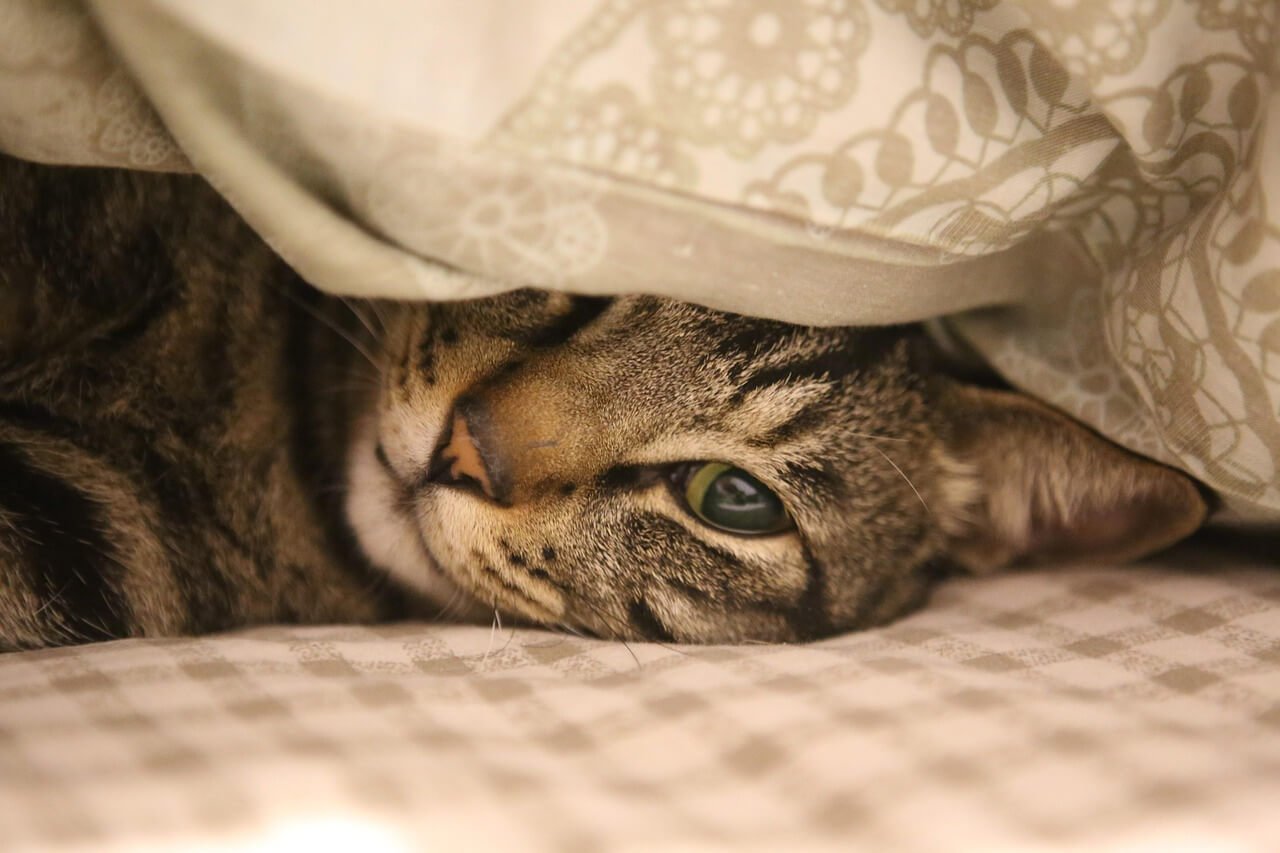
If your cat frequently hides under your bed or in cozy corners of your room, it shows they feel protected and secure there.
These signs confirm that your room is more than just a convenient space—it’s a place where your cat feels truly at home.
Check this guide 👉Understanding Why Cats Swish Their Tails: Best 7 Expert Tips
Check this guide 👉Why Does My Cat Walk on Me? Best 7 Expert Tips!
Check this guide 👉Why Does My Cat Never Hiss? Best 7 Expert Tips!
Ways to Make Your Room More Inviting | How to Respect Your Cat’s Preferences |
|---|---|
Add soft blankets or pet beds | Avoid disturbing your cat while they rest |
Provide scratching posts or toys | Allow them to come and go freely |
Keep the room quiet and free of chaos | Respect their choice of sleeping spots |
Use calming scents like lavender | Avoid rearranging furniture too often |
Maintain a consistent temperature | Observe their body language for cues |
How to Encourage Your Cat to Explore Other Spaces
While it’s natural for your cat to favor your room, encouraging them to explore other areas of the house can enrich their environment and provide variety. Here are some strategies to gently guide them beyond your personal space.
Create Comfort Zones Elsewhere:
Set up cozy beds, blankets, or cat trees in other rooms to make those spaces equally appealing.Offer Treats and Rewards:
Use treats or toys to lure your cat into new areas and reward them for exploring.Introduce New Toys or Activities:
Rotate toys or add interactive play options in different rooms to spark curiosity.Maintain Consistent Scents:
Place items that smell like you, such as clothing or bedding, in other areas to provide reassurance.Limit Time in Your Room Temporarily:
Gently close the door occasionally to encourage your cat to seek out alternative spaces.
With patience and creativity, you can help your cat feel comfortable venturing beyond your room while still honoring their preferences.
Common Misconceptions About Cats Staying in One Room
There are several myths about why cats stay in one room all day, but understanding the truth can help you better meet their needs. Here are some misconceptions debunked.
Myth: Cats Only Stay in One Room Because They’re Lazy:
In reality, cats choose spaces based on comfort, safety, and familiarity, not laziness.Myth: It Means They Don’t Like Other Family Members:
Cats may simply prefer the unique environment of your room, not necessarily disliking others.Myth: They’re Bored or Depressed:
While boredom can occur, most cats stay in one room because it meets their needs effectively.Myth: They Need More Attention:
Some cats are naturally independent and may not require additional attention despite staying in one room.Myth: It’s a Sign of Health Issues:
While illness can affect behavior, a cat staying in your room is usually a sign of contentment rather than illness.
By addressing these misconceptions, you can better interpret your cat’s behavior and respond appropriately.
Benefits of Your Cat Staying in Your Room
Having your cat stay in your room isn’t just comforting for them—it can also benefit you in surprising ways. Here’s how sharing your space with your feline friend can enhance your daily life.
Improved Sleep Quality:
Studies suggest that sleeping with pets can promote relaxation and improve overall sleep quality.Reduced Stress Levels:
The soothing purrs of your cat can lower stress and anxiety, creating a calming atmosphere in your room.Companionship and Emotional Support:
Having your cat nearby fosters a sense of companionship, which can combat feelings of loneliness.Increased Routine Consistency:
Cats thrive on routine, and their presence encourages structure in your daily schedule.Enhanced Bonding Opportunities:
Spending time together in close quarters strengthens the emotional connection between you and your cat.
These benefits highlight the mutual advantages of sharing your room with your beloved pet.
Tips for Creating a Cat-Friendly Bedroom
Transforming your room into a cat-friendly haven ensures your feline companion feels welcome and content. Here are some tips to make your space even more appealing.
Add Vertical Space:
Install shelves or wall-mounted perches to give your cat elevated vantage points.Use Non-Slip Mats:
Place non-slip mats under furniture to prevent accidents caused by jumping or climbing.Keep Essentials Accessible:
Ensure food, water, and litter boxes are easily accessible within or near your room.Incorporate Natural Light:
Open curtains or blinds to let sunlight in, creating a bright and inviting atmosphere.Minimize Clutter:
Reduce clutter to give your cat plenty of open space to move and explore safely.
A thoughtfully designed bedroom becomes a perfect retreat for both you and your cat.
Signs Your Cat Wants More Variety
While many cats are content staying in one room, some may secretly crave variety and stimulation. Look for these signs that your cat might want more diversity in their environment.
Excessive Meowing or Pawing at Doors:
This behavior may indicate curiosity about other parts of the house.Overgrooming or Restlessness:
Signs of boredom or frustration could mean your cat needs more mental stimulation.Increased Interest in Windows:
Cats staring longingly out windows may desire exposure to new sights and sounds.Playing with Door Handles:
Attempting to open doors suggests a desire to explore beyond their usual space.Following You Around the House:
If your cat trails you everywhere, they might enjoy spending time in other rooms too.
Recognizing these signs helps you provide a richer, more engaging environment for your curious companion.
Frequently Asked Questions About Cats Staying in One Room
Is it normal for my cat to stay in my room all day?
Yes, it’s completely normal for cats to develop a preference for specific spaces, especially if they feel safe and comfortable there.
Should I force my cat to leave my room?
No, forcing your cat to leave may cause stress. Instead, encourage exploration through positive reinforcement.
What if my cat hides in my room constantly?
Occasional hiding is normal, but persistent hiding could signal anxiety or illness. Consult your vet if concerned.
Can I use pheromone diffusers to encourage movement?
Yes, products like Feliway can help reduce stress and encourage cats to explore other areas of the house.
How can I tell if my cat is happy staying in my room?
Look for relaxed body language, purring, and regular eating and grooming habits as signs of contentment.
Understanding and Embracing Your Cat’s Preferences
Your cat’s decision to stay in your room all day is a testament to the strong bond you share and their innate need for comfort and security. By recognizing the reasons behind this behavior and taking steps to enhance their environment, you can ensure their happiness while fostering a deeper connection. Whether they’re curling up on your bed or claiming your desk as their throne, their presence in your room is a sign of trust and affection. Embrace this unique aspect of your relationship, and cherish the moments you spend together in your shared sanctuary.
Is Rawhide Bad for Cats? Best 7 Expert Tips! – Discover the risks, safe alternatives, and expert advice to keep your feline friend healthy and happy.

Is Rawhide Bad for Dogs? Best 7 Expert Tips! – Discover the risks, benefits, and safer alternatives to rawhides for your dog’s chewing needs.

Understanding Anorexia in Cats: Best 7 Expert Tips! – Learn why cats stop eating, spot warning signs, and discover how to help your feline regain appetite safely.

Understanding Anorexia in Dogs: Best 7 Expert Tips! – Learn causes, symptoms, and solutions to help your dog regain appetite and stay healthy.