

What Is the Vomeronasal Organ in Dogs: Best 7 Expert Tips!

What Is the Vomeronasal Organ in Dogs: Best 7 Expert Tips!

What Is the Vomeronasal Organ in Dogs—and Why It Matters

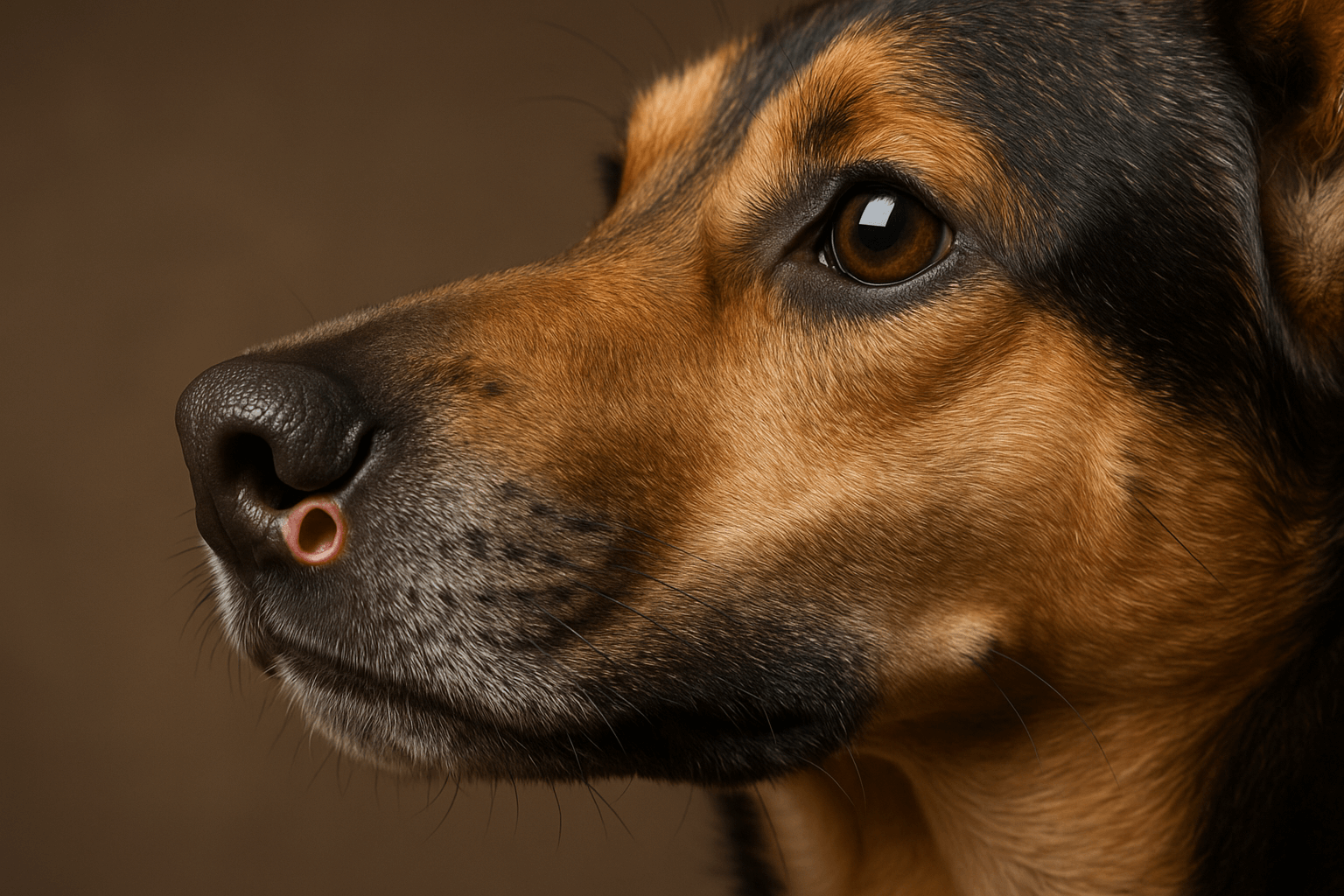
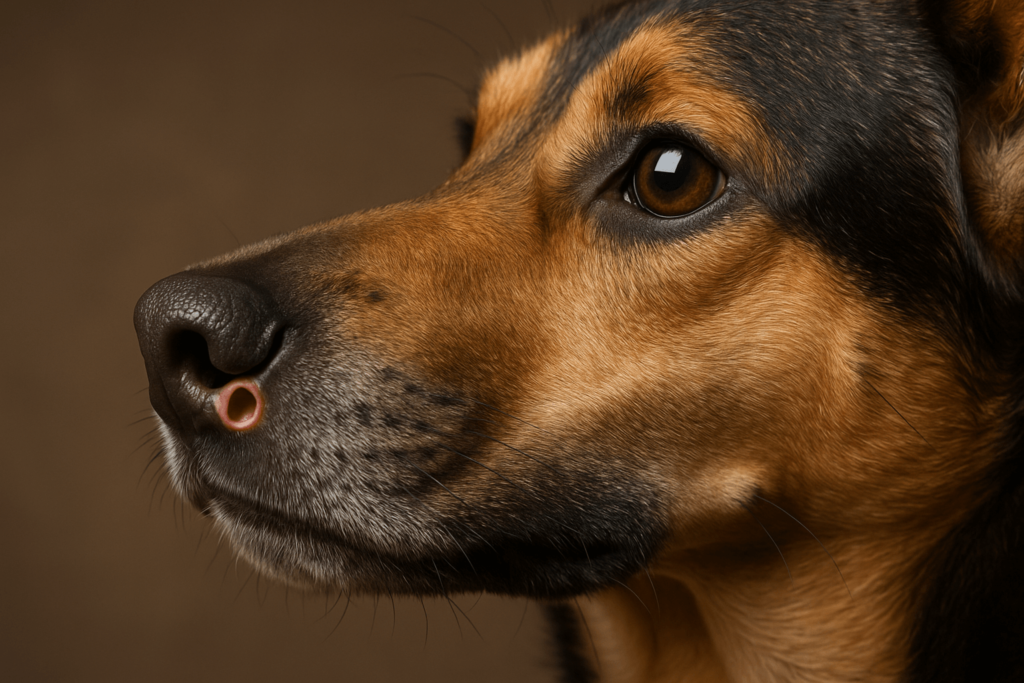
Dogs experience the world in ways we can barely imagine, and much of that magic lies hidden just behind their nose. One of their most fascinating biological tools is the vomeronasal organ—a specialized scent-detecting structure that gives them access to a secret layer of chemical communication. Often overlooked, this tiny organ plays a crucial role in how dogs interpret social cues, detect pheromones, and even make sense of their surroundings. Understanding it deepens our appreciation for their rich inner lives. From mating signals to emotional states, the vomeronasal organ helps your dog “read” the invisible stories carried on the air.

What Is the Vomeronasal Organ?


Also known as Jacobson’s organ, the vomeronasal organ is a sensory structure located in the roof of a dog’s mouth, just behind the front teeth and connected to the nasal cavity. Unlike the main olfactory system—which detects everyday smells—this organ is finely tuned to non-volatile chemical signals like pheromones.

 
  • Specialized for pheromone detection:
    It picks up heavy molecules that don’t float easily through the air, often requiring direct contact or close-range sniffing.
     
  • Linked to the limbic system:
    Signals from this organ go straight to brain areas tied to instinct, emotion, and reproduction—not conscious smell processing.
     
  • Activated by the flehmen response:
    You’ve likely seen it: your dog curls its lip, opens its mouth slightly, and freezes. That’s the flehmen response—a way to “pump” scents into the organ.
     
  • Present in many mammals:
    Cats, horses, deer, and even some primates have it—but in dogs, it’s especially refined for social and environmental interpretation.
     
  • Not used for food or danger scents:
    It doesn’t help with tracking prey or avoiding hazards; instead, it decodes biological messages from other animals.
 

This quiet, internal radar gives dogs insights into the emotional and reproductive states of other creatures—something humans can only guess at.

What Is the Vomeronasal Organ in Dogs: Best 7 Expert Tips!

How the Vomeronasal Organ Works in Daily Life


Your dog’s interactions with the world are subtly shaped by this hidden sense. From greeting a new dog to investigating a lamppost, the vomeronasal organ quietly gathers intelligence you’ll never see.

 
  • Sniffing urine marks:
    When your dog lingers over another dog’s urine, they’re not just smelling—it’s reading identity, gender, health, and even mood via pheromones.
     
  • Assessing new animals or people:
    Dogs often sniff faces, paws, or rear ends to gather chemical “profiles” processed partly through this organ.
     
  • Detecting reproductive status:
    Intact males can sense when a female is in heat from great distances—thanks largely to vomeronasal input.
     
  • Mother-pup bonding:
    Newborn puppies use this organ to recognize their mother’s scent before their eyes even open.
     
  • Environmental curiosity:
    In wild or semi-feral dogs, this organ helps interpret territorial markings and social hierarchies in shared spaces.
 

It’s like your dog has a built-in emotional decoder ring—silent, automatic, and astonishingly precise.

Main Olfactory System Vomeronasal Organ (Jacobson’s)
Detects airborne odors (food, smoke, grass) Detects pheromones and heavy chemical signals
Sends signals to the olfactory cortex Sends signals to the amygdala and hypothalamus
Used in tracking and navigation Used in social and reproductive assessment
Active during normal sniffing Activated via flehmen response or close contact
Helps avoid danger or find treats Reveals emotional or hormonal states of others

The Flehmen Response: Your Dog’s “Scent Pause”


That curious lip-curl your dog makes isn’t a grimace—it’s a deliberate behavior called the flehmen response, designed to channel scents into the vomeronasal organ for deeper analysis.

 
  • Lip curl and open mouth:
    This posture opens ducts near the incisors, allowing pheromone-rich air to reach the organ.
     
  • Common after intense sniffing:
    You’ll often see it after your dog investigates urine, feces, or another animal’s scent mark.
     
  • More frequent in intact males:
    They rely heavily on this response during mating season to assess female readiness.
     
  • Also seen in females:
    Mothers may use it to monitor pup development or detect stress signals.
     
  • Not a sign of discomfort:
    Despite how odd it looks, it’s a natural, voluntary behavior—like a dog hitting “pause” to read a message.
 

Next time you see it, know your dog is doing high-level chemical detective work—silent, focused, and fascinating.

Role in Social Behavior and Communication


Dogs “talk” through scent more than sound, and the vomeronasal organ is central to this silent language. It helps them navigate complex social landscapes without a single bark.

 
  • Reading emotional states:
    Stress, fear, or excitement release pheromones that other dogs detect through this organ.
     
  • Establishing hierarchy:
    Dominant dogs may leave stronger chemical signatures that subordinates interpret via vomeronasal input.
     
  • Avoiding conflict:
    A dog can sense aggression or anxiety in another and adjust its approach accordingly—often before any visual cue appears.
     
  • Bonding with humans:
    While less studied, dogs may also interpret human emotional pheromones, deepening their empathetic responses.
     
  • Group cohesion in multi-dog homes:
    Dogs in the same household often synchronize behaviors partly through shared pheromonal awareness.
 

In essence, this organ turns scent into social intelligence—allowing dogs to live in harmony, avoid threats, and connect deeply.

Differences Between Breeds and Individual Dogs


Not all dogs use the vomeronasal organ with the same intensity. Genetics, sex, and life experience all influence its role.

 
  • Scent hounds show stronger responses:
    Breeds like Beagles or Bloodhounds may exhibit more pronounced flehmen behavior due to heightened olfactory reliance.
     
  • Intact vs. neutered dogs:
    Hormonally intact dogs—especially males—use the organ more frequently for reproductive assessment.
     
  • Early socialization matters:
    Puppies exposed to diverse scents develop more nuanced interpretation skills via this system.
     
  • Age affects sensitivity:
    Older dogs may show reduced flehmen responses as sensory systems naturally decline.
     
  • Individual personality plays a role:
    Curious, investigative dogs tend to engage this organ more than aloof or disinterested ones.
 

So while all dogs have a vomeronasal organ, how they use it varies as much as their personalities.

Health and Dysfunction: When the System Falters


Though rarely discussed, issues with the vomeronasal organ can subtly impact behavior or social interaction.

 
  • Nasal or oral infections:
    Inflammation in the mouth or sinuses can block access to the organ’s ducts.
     
  • Dental disease:
    Severe gum or tooth infections near the incisors may interfere with proper function.
     
  • Neurological conditions:
    Rarely, brain or nerve disorders could disrupt signal processing from the organ.
     
  • Trauma to the palate:
    Injuries from chewing hard objects or accidents might damage the organ’s opening.
     
  • Behavioral changes as clues:
    A dog that suddenly ignores scent cues it once responded to may warrant a veterinary check.
 

While not a common concern, it’s worth considering if your dog’s social or investigative behaviors change uncharacteristically.

How to Support Your Dog’s Natural Scent Intelligence


Honoring your dog’s biology means giving their sensory world the space it deserves—vomeronasal organ included.

 
  • Allow time for sniffing on walks:
    Let them “read” the neighborhood—it’s mentally enriching and emotionally satisfying.
     
  • Avoid strong perfumes or cleaners:
    Harsh artificial scents can overwhelm or mask the subtle pheromones they’re trying to detect.
     
  • Use pheromone-based calming products wisely:
    Synthetic dog-appeasing pheromones (like Adaptil) work because of this organ—use them during vet visits or storms.
     
  • Respect their investigation rituals:
    Don’t rush or punish lip-curling or intense sniffing—it’s natural communication.
     
  • Keep oral health in check:
    Regular dental care ensures clear pathways to the vomeronasal ducts.
 

By supporting their innate abilities, you help your dog feel more confident, informed, and connected to their world.

“Jacobsen’s organ communicates with the part of the brain that deals with mating. By identifying pheromones, it provides male and female dogs with the information they need to determine if a member of the opposite sex is available for breeding.” — Tammy Hunter, DVM

Frequently Asked Questions

Do all dogs have a vomeronasal organ?

Yes—every dog is born with a functional vomeronasal organ, though usage varies by individual and circumstance.

Humans have a vestigial version, but it’s non-functional. We lack the neural wiring to process pheromonal signals consciously.

No. It’s purely a sensory behavior—often mistaken for a snarl, but it’s calm, focused, and non-threatening.

It depends on the scent. The response activates only when pheromone-rich or biologically significant odors are detected.

Indirectly—by reducing stress through pheromone diffusers or by allowing natural scent exploration, which improves focus and emotional balance.

The Silent World Your Dog Lives In


Your dog’s reality is layered with invisible signals—emotions, identities, and intentions carried on molecules you’ll never smell. At the heart of this secret world lies the vomeronasal organ, a quiet but powerful interpreter of life’s chemical poetry. By understanding its role, you gain a deeper respect for your dog’s instincts, choices, and silent conversations with the world around them. You may never see what they sense—but you can honor it by giving them space to explore, time to investigate, and trust in their ancient, elegant biology. After all, loving a dog means embracing not just who they are, but how they experience being.

Is Rawhide Bad for Cats? Best 7 Expert Tips!

Is Rawhide Bad for Cats? Best 7 Expert Tips! – Discover the risks, safe alternatives, and expert advice to keep your feline friend healthy and happy.

Is Rawhide Bad for Dogs? Best 7 Expert Tips!

Is Rawhide Bad for Dogs? Best 7 Expert Tips! – Discover the risks, benefits, and safer alternatives to rawhides for your dog’s chewing needs.

Understanding Anorexia in Cats: Best 7 Expert Tips!

Understanding Anorexia in Cats: Best 7 Expert Tips! – Learn why cats stop eating, spot warning signs, and discover how to help your feline regain appetite safely.

Understanding Anorexia in Dogs: Best 7 Expert Tips!

Understanding Anorexia in Dogs: Best 7 Expert Tips! – Learn causes, symptoms, and solutions to help your dog regain appetite and stay healthy.

Leave a Reply

Your email address will not be published. Required fields are marked *