

What Is Demodicosis in Dogs? Best 7 Expert Tips!

What Is Demodicosis in Dogs? Best 7 Expert Tips!

What Is Demodicosis in Dogs? Understanding Mange Caused by Demodex Mites

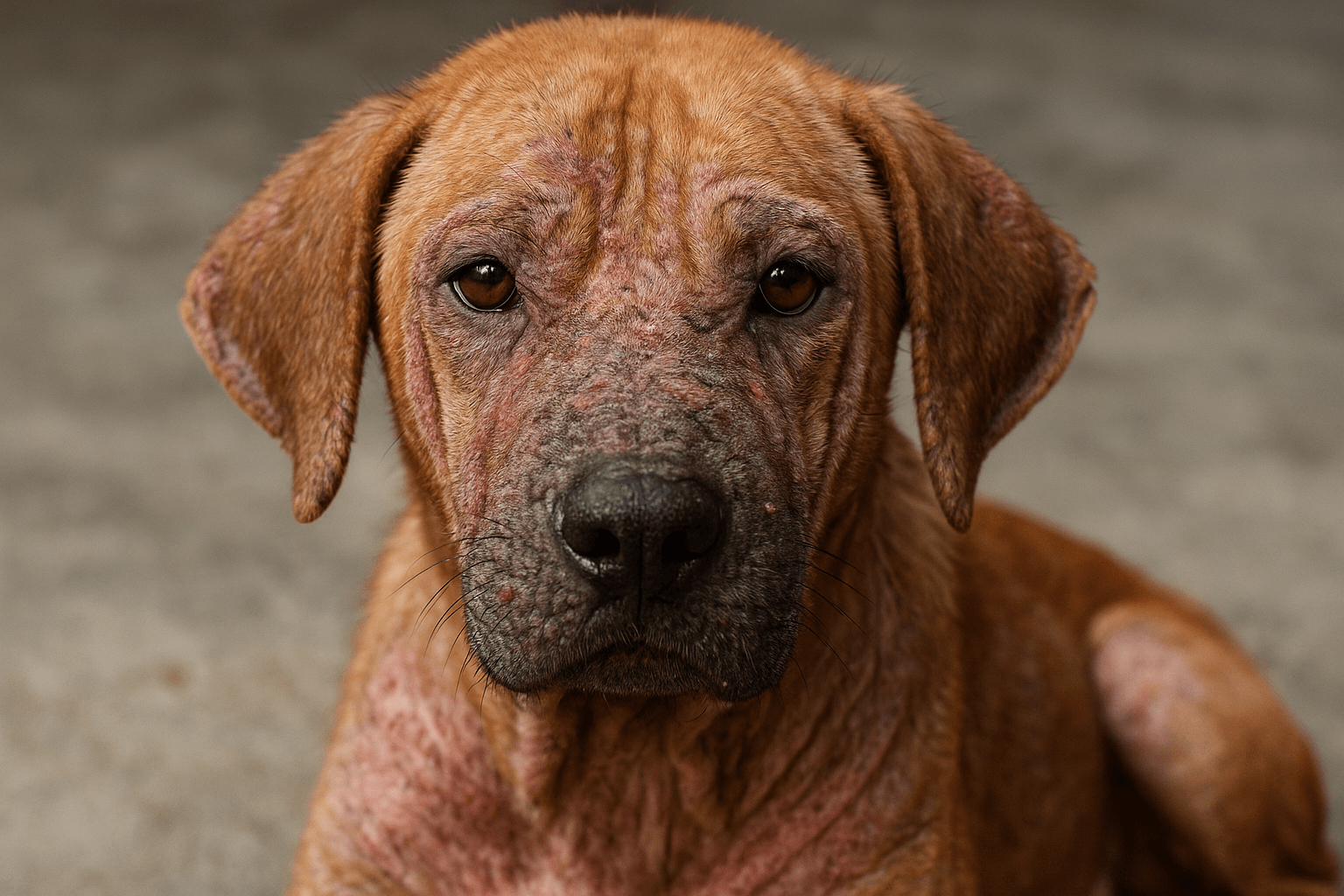
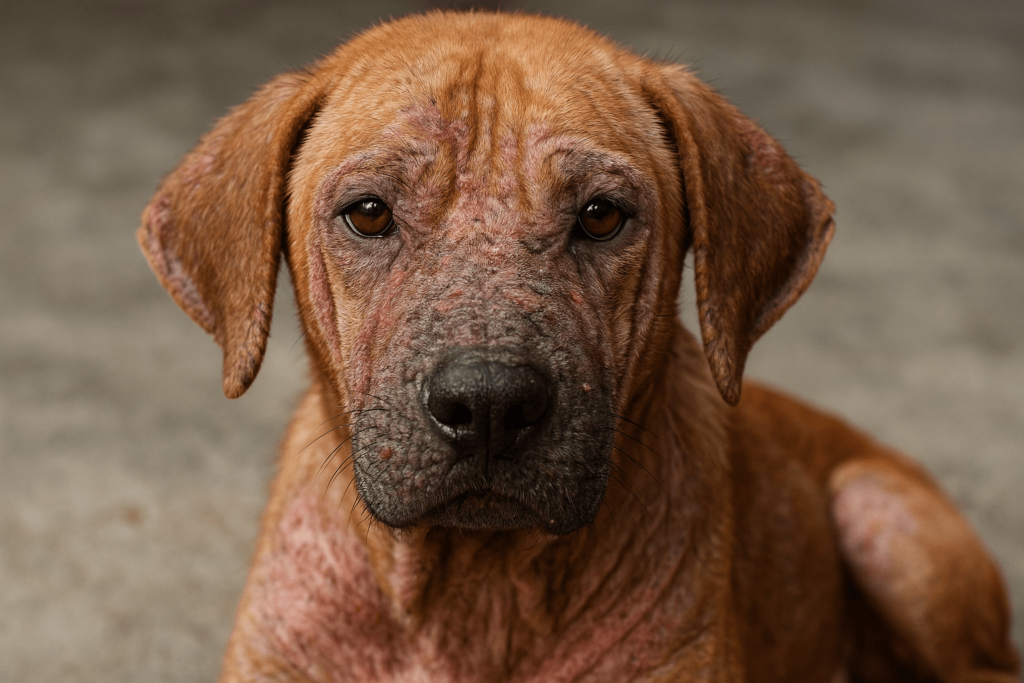
Demodicosis, also known as demodectic mange, is a common skin condition in dogs caused by an overgrowth of Demodex mites—microscopic parasites that naturally live in small numbers in a dog’s hair follicles. While these mites are usually harmless, an imbalance in the immune system can allow them to multiply uncontrollably, leading to skin inflammation, hair loss, and secondary infections. Though not contagious to humans, demodicosis can range from mild to severe and requires prompt veterinary attention. Understanding its causes, signs, and treatment options is key to helping your dog recover and thrive.

How Demodex Mites Affect Your Dog’s Skin

Demodex canis mites are part of your dog’s natural skin flora, but they only become problematic when the immune system can’t keep their numbers in check. This overgrowth triggers a cascade of skin issues that go beyond simple itching.

 
  • Immune System Immaturity:
    Puppies are especially vulnerable because their immune systems are still developing, making localized demodicosis common under one year of age.

     
  • Underlying Health Conditions:
    Adult dogs with demodicosis often have hidden illnesses—such as Cushing’s disease, hypothyroidism, or cancer—that suppress immune function.

     
  • Stress or Poor Nutrition:
    Significant stress, malnutrition, or prolonged steroid use can weaken immunity and create an environment where mites thrive.

     
  • Genetic Predisposition:
    Certain breeds—like Bulldogs, Shar-Peis, and Doberman Pinschers—are more prone to generalized demodicosis due to inherited immune traits.

     
  • Localized vs. Generalized Forms:
    Localized demodicosis affects just a few small areas (often the face or legs), while generalized demodicosis spreads across large portions of the body and is more serious.


Recognizing the root cause—whether temporary or systemic—is essential for effective treatment. Most puppies outgrow mild cases, but adult-onset demodicosis always warrants a full medical workup.

What Is Demodicosis in Dogs? Best 7 Expert Tips!

Common Signs and Symptoms of Demodicosis

Spotting demodicosis early can prevent complications and speed up recovery. While the condition isn’t typically itchy, visible changes to the skin and coat are hard to miss.

 
  • Patchy Hair Loss (Alopecia):
    Bald spots—often circular—appear most commonly on the face, paws, or forelimbs, with no redness or crusting in mild cases.

     
  • Red, Inflamed Skin:
    As mites multiply, the skin becomes irritated, warm to the touch, and may develop a greasy or oily appearance.

     
  • Secondary Bacterial Infections:
    Broken skin allows bacteria like Staphylococcus to invade, causing pustules, crusting, and a foul odor.

     
  • Thickened or Darkened Skin:
    Chronic cases lead to hyperpigmentation and lichenification (thickened, leathery skin), especially in generalized demodicosis.

     
  • Lethargy or Loss of Appetite:
    In severe, untreated cases, systemic infection can make your dog feel unwell, showing reduced energy or interest in food.


If you notice any of these signs, especially in a young dog or one with known health issues, schedule a vet visit immediately. Early diagnosis prevents progression.

Localized Demodicosis Generalized Demodicosis
Affects fewer than five small areas Involves large body regions or multiple limbs
Most common in puppies under 18 months Often linked to immune deficiency in adults
Usually resolves without treatment Requires aggressive, long-term therapy
Minimal to no itching May become itchy if infected
Excellent prognosis Guarded prognosis without consistent care

Diagnosing Demodicosis: What to Expect at the Vet

Accurate diagnosis is critical—demodicosis can mimic other skin diseases like ringworm or allergies. Your veterinarian will use specific tests to confirm the presence of Demodex mites.

 
  • Deep Skin Scraping:
    The vet gently scrapes layers of skin until capillary bleeding occurs, then examines the sample under a microscope to find mites deep in follicles.

     
  • Hair Pluck Test:
    In some cases, hairs are pulled from affected areas to check for mites clinging to the shaft or embedded in the follicle.

     
  • Cytology for Secondary Infections:
    Swabs or impression smears help identify bacterial or yeast overgrowth that may require additional treatment.

     
  • Blood Work and Hormone Panels:
    For adult-onset cases, blood tests screen for underlying conditions like thyroid dysfunction or Cushing’s disease.

     
  • Response to Treatment Trial:
    If mites aren’t found but suspicion remains high, a therapeutic trial with anti-parasitic medication may be used as a diagnostic tool.


Never attempt to self-diagnose or treat demodicosis. Over-the-counter “mange shampoos” are ineffective and can worsen the condition if used incorrectly.


Treatment Options for Demodicosis in Dogs

Treatment depends on severity, age, and underlying health. The goal is to kill mites while supporting immune recovery and managing secondary issues.

 
  • Topical Therapies:
    Amitraz dips (like Mitaban) are FDA-approved for generalized demodicosis and applied weekly under veterinary supervision.

     
  • Oral Medications:
    Modern isoxazoline drugs—such as fluralaner (Bravecto), afoxolaner (NexGard), and sarolaner (Simparica)—are highly effective off-label treatments with fewer side effects.

     
  • Antibiotics for Infections:
    Oral antibiotics like cephalexin or clindamycin are often needed for 3–6 weeks to clear bacterial folliculitis.

     
  • Medicated Shampoos:
    Benzoyl peroxide or chlorhexidine shampoos help unclog follicles, reduce bacteria, and improve skin healing.

     
  • Immune Support and Nutrition:
    High-quality diet, omega-3 fatty acids, and stress reduction help the body regain control over mite populations naturally.


Treatment can take weeks to months. Even after symptoms improve, follow-up skin scrapings are essential to confirm mite eradication and prevent relapse.

Breeds Most at Risk for Demodicosis

While any dog can develop demodicosis, some breeds have a well-documented genetic susceptibility due to immune-related traits.

 
  • English Bulldog:
    Prone to severe, early-onset generalized demodicosis linked to immune dysfunction.

     
  • Shar-Pei:
    Their dense skin folds and unique immune profile increase risk of chronic, recurrent cases.

     
  • Doberman Pinscher:
    Frequently affected by adult-onset demodicosis, often tied to hidden systemic illness.

     
  • Boston Terrier:
    Commonly develops localized demodicosis as puppies, though most outgrow it by 12–18 months.

     
  • Boxer:
    Known for aggressive forms of demodicosis that require long-term management.


If you own one of these breeds, monitor skin and coat health closely—early intervention makes a significant difference in outcomes.

Preventing Recurrence and Supporting Long-Term Health

Once your dog has had demodicosis, especially the generalized form, ongoing care is key to preventing relapse and maintaining wellness.

 
  • Avoid Immunosuppressive Drugs:
    Corticosteroids or other immune-lowering medications should only be used if absolutely necessary and under strict vet guidance.

     
  • Maintain a Consistent Routine:
    Stress weakens immunity—stick to regular feeding, walking, and sleeping schedules to promote calm.

     
  • Schedule Regular Vet Checkups:
    Biannual wellness exams help catch underlying issues before they trigger another mite flare-up.

     
  • Use Preventative Flea/Tick Products Wisely:
    Many isoxazoline-based preventatives (e.g., Bravecto) also suppress Demodex mites, offering dual protection.

     
  • Never Breed Affected Dogs:
    Responsible breeders avoid breeding dogs with a history of generalized demodicosis to prevent passing on genetic susceptibility.


Prevention isn’t about eliminating mites—they’re always there—but about keeping your dog’s immune system strong enough to keep them in check.

When to Worry: Red Flags That Need Immediate Care

Most cases of demodicosis are manageable, but certain signs indicate a medical emergency requiring urgent attention.

 
  • Rapid Spread of Hair Loss:
    Generalized demodicosis developing over days—not weeks—suggests severe immune compromise.

     
  • Fever or Swollen Lymph Nodes:
    Systemic infection or sepsis can occur if deep skin infections go untreated.

     
  • Loss of Appetite or Vomiting:
    These may signal a serious underlying disease like cancer or endocrine disorder.

     
  • Open Sores or Oozing Wounds:
    Deep pyoderma can lead to cellulitis or blood infection if not treated aggressively.

     
  • Neurological Symptoms:
    Rarely, mites can affect the paws so severely that your dog limps or refuses to walk—this needs pain management and wound care.


Never wait it out. Demodicosis can escalate quickly in immunocompromised dogs—early treatment saves lives.


“Demodectic mange is caused by a parasitic mite (Demodex canis or Demodex injai) that lives in the hair follicles of dogs. All normal dogs have a few of these mites on their skin. As long as the body’s immune system is functioning properly, these mites cause no harm.”
Malcolm Weir, DVM, MSc, MPH

Frequently Asked Questions About Demodicosis in Dogs

Is demodicosis contagious to other dogs or humans?

No. Demodex mites are species-specific and part of normal skin flora. You cannot “catch” demodicosis from your dog, nor can it spread to other pets through contact.

These are not effective against Demodex mites and may worsen skin irritation. Stick to vet-prescribed treatments for reliable results.

Localized cases may resolve in 4–8 weeks. Generalized demodicosis often requires 3–6 months of consistent therapy and negative skin scrapings before stopping treatment.

In most cases, hair regrows fully once mites are controlled and inflammation subsides. Chronic scarring may prevent regrowth in severe, long-standing cases.

Yes—stress suppresses immune function, allowing mite populations to surge. Major life changes (boarding, moving, new pets) can trigger flare-ups in susceptible dogs.

Supporting Your Dog Through Recovery

Demodicosis can be a long and emotional journey, but with patience and the right care, most dogs make a full recovery. Focus on consistent treatment, regular vet communication, and creating a calm, nurturing environment. Remember: your dog isn’t dirty or “bad”—they’re fighting an invisible imbalance with the help of your love and attention. By addressing both the mites and the underlying cause, you’re giving them the best chance at a healthy, happy life.

 
Is Rawhide Bad for Cats? Best 7 Expert Tips!

Is Rawhide Bad for Cats? Best 7 Expert Tips! – Discover the risks, safe alternatives, and expert advice to keep your feline friend healthy and happy.

Is Rawhide Bad for Dogs? Best 7 Expert Tips!

Is Rawhide Bad for Dogs? Best 7 Expert Tips! – Discover the risks, benefits, and safer alternatives to rawhides for your dog’s chewing needs.

Understanding Anorexia in Cats: Best 7 Expert Tips!

Understanding Anorexia in Cats: Best 7 Expert Tips! – Learn why cats stop eating, spot warning signs, and discover how to help your feline regain appetite safely.

Understanding Anorexia in Dogs: Best 7 Expert Tips!

Understanding Anorexia in Dogs: Best 7 Expert Tips! – Learn causes, symptoms, and solutions to help your dog regain appetite and stay healthy.

Leave a Reply

Your email address will not be published. Required fields are marked *