

Understanding Your Dogs Incisor Teeth: Best 7 Expert Tips!

Understanding Your Dogs Incisor Teeth: Best 7 Expert Tips!

Understanding Your Dogs Incisor Teeth: Small Teeth, Big Importance

Your dog’s smile is more than just adorable—it’s a window into their overall health, and those tiny front teeth play a surprisingly vital role. Known as incisors, these small but essential teeth sit at the front of your dog’s mouth and are involved in grooming, nibbling, and even expressing emotion. Though often overlooked, incisor health can reflect everything from dental hygiene to systemic illness. In this guide, we’ll explore what makes these teeth unique, how to care for them, and when to seek veterinary help. Because even the tiniest tooth deserves your attention.

What Are Dog Incisor Teeth—and Why Do They Matter?


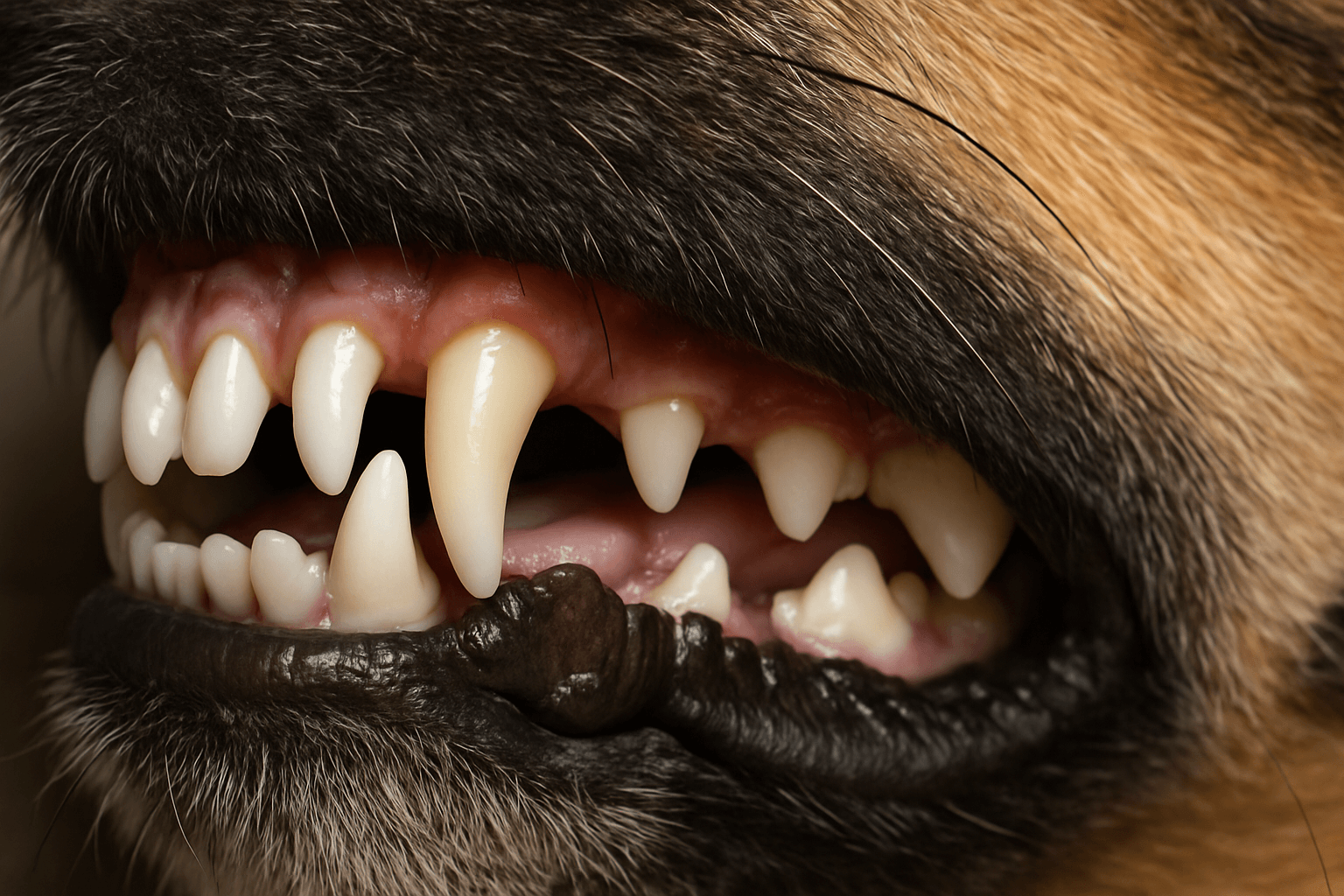
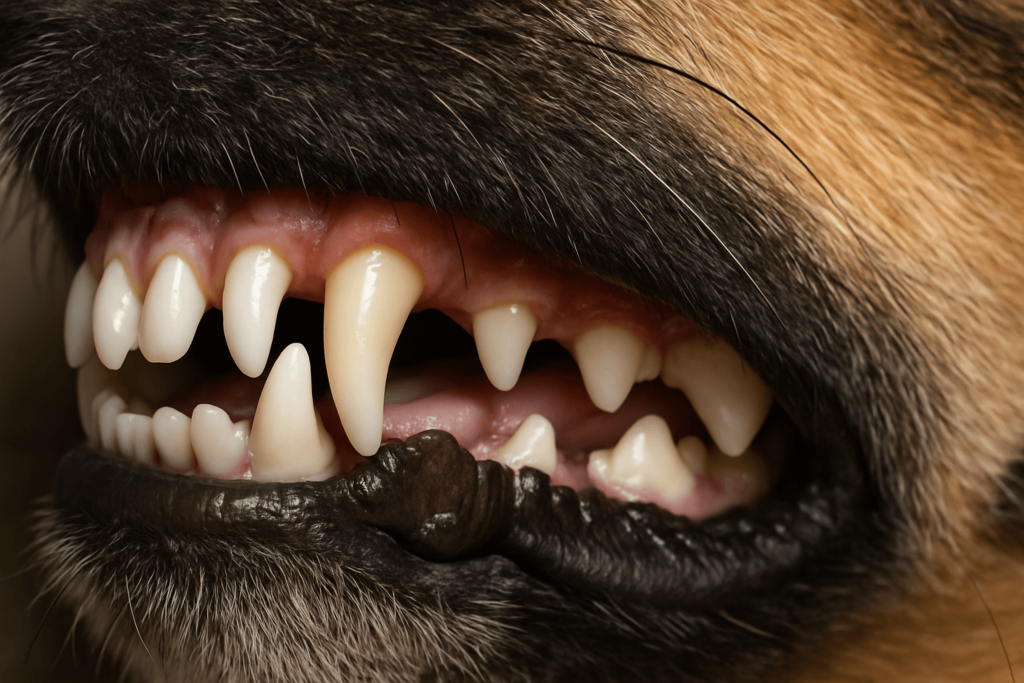
Dogs have 12 incisor teeth—six on the top and six on the bottom—nestled right at the front of their jaws. While they’re not used for tearing meat like canines or grinding kibble like molars, incisors serve subtle but critical functions in daily life.

 
  • Grooming tool:
    Dogs use their incisors to scratch itches, clean their paws, and even nibble at fur or debris caught in their coat.
     
  • Food manipulation:
    They help your dog scrape meat from bones, pick up small treats, or tidy kibble from the corners of their bowl.
     
  • Social and expressive role:
    Incisors are visible during lip curls, playful grimaces, or submissive grins—key parts of canine communication.
     
  • Bite alignment indicator:
    Veterinarians examine incisor alignment to assess jaw development, especially in puppies and brachycephalic breeds.
     
  • Early warning system:
    Because they’re small and exposed, incisors often show signs of plaque, tartar, or gum recession first—alerting you to dental issues early.
 

Though they may seem minor, incisor teeth are integral to comfort, behavior, and long-term oral health.

Understanding Your Dogs Incisor Teeth: Best 7 Expert Tips!

Common Incisor Problems in Dogs


Even though they’re small, dog incisor teeth are prone to several issues—some cosmetic, others serious. Early detection is key to preventing pain or tooth loss.

 
  • Plaque and tartar buildup:
    Due to their position, incisors collect food particles and bacteria easily, leading to rapid tartar accumulation.
     
  • Gingivitis and gum recession:
    Inflamed or receding gums around incisors are common in toy breeds and older dogs, often signaling periodontal disease.
     
  • Tooth fractures or chipping:
    Chewing on hard objects—or even enthusiastic play—can crack these delicate teeth.
     
  • Tooth resorption:
    A painful condition where the tooth structure breaks down from within, often starting at the incisors in small breeds.
     
  • Missing or retained baby incisors:
    Puppies sometimes fail to shed their deciduous incisors, causing crowding or misalignment in adult teeth.
 

Left untreated, these problems can lead to infection, discomfort, or even systemic illness—making routine checks essential.

Signs of Healthy Incisors Warning Signs to Watch For
Pink, snug gums with no redness Red, swollen, or bleeding gums
Clean, white tooth surfaces Yellow or brown tartar buildup
Teeth aligned evenly Loose or wobbly incisors
No bad breath Persistent foul odor from mouth
Dog eats and grooms normally Dropping food or pawing at mouth

Best Practices for Incisor Care at Home


Daily attention to your dog’s front teeth can prevent bigger problems down the road. With consistency and gentleness, you can keep those incisors clean and strong.

 
  • Daily tooth brushing:
    Use a soft-bristled brush or finger brush with dog-safe toothpaste—focus on the gumline where plaque forms fastest.
     
  • Dental chews designed for small teeth:
    Choose VOHC-approved chews that are soft enough not to damage incisors but effective at reducing plaque.
     
  • Rinse with dental water additives:
    These can help reduce bacteria in hard-to-reach areas, including between tightly spaced front teeth.
     
  • Wipe after meals (for small breeds):
    A damp gauze or cloth gently rubbed over incisors can remove food debris, especially in dogs with crowded mouths.
     
  • Avoid hard chew toys:
    Antlers, hooves, or nylon bones can fracture delicate incisors—opt for softer rubber or rope alternatives.
 

Small efforts add up: just a few minutes a day can preserve your dog’s smile for years.

Breed-Specific Incisor Concerns


Some breeds are far more prone to incisor issues due to jaw structure, size, or genetics. Knowing your dog’s risk helps you stay proactive.

 
  • Toy and brachycephalic breeds (e.g., Pugs, Yorkies):
    Crowded mouths increase plaque buildup and accelerate gum disease around incisors.
     
  • Dolichocephalic breeds (e.g., Greyhounds, Borzois):
    Long jaws can lead to misaligned incisors or increased exposure to trauma.
     
  • Small breeds with retained baby teeth:
    Puppies like Maltese or Chihuahuas often keep deciduous incisors, requiring early extraction to prevent adult tooth issues.
     
  • Breeds prone to periodontal disease:
    Dachshunds, Poodles, and Shih Tzus frequently show early incisor loss due to aggressive gum inflammation.
     
  • Working or scent hounds:
    Dogs that use their mouths actively (e.g., Beagles) may chip incisors during exploration or crate chewing.
 

Tailoring care to your dog’s breed can dramatically improve incisor longevity and comfort.

What NOT to Do When Caring for Incisors


Good intentions can backfire if you use the wrong tools or techniques. Avoid these common mistakes that harm rather than help.

 
  • Using human toothpaste:
    Fluoride and xylitol are toxic to dogs—even small amounts can cause vomiting or worse.
     
  • Scraping tartar with metal tools:
    This can scratch enamel and create grooves where bacteria thrive—only vets should perform dental scaling.
     
  • Ignoring baby teeth in puppies:
    Retained deciduous incisors must be removed by 6–7 months to prevent adult tooth misalignment.
     
  • Assuming no pain = no problem:
    Dogs rarely show dental pain overtly; by the time they stop eating, disease is often advanced.
     
  • Skipping vet dental checks:
    Annual oral exams catch incisor issues before they become emergencies—don’t wait for visible symptoms.
 

When in doubt, consult a veterinarian—especially one with dental experience.


When Incisors Need Professional Treatment


Sometimes, home care isn’t enough. Knowing when to seek veterinary dentistry can save teeth—and your dog’s quality of life.

 
  • Loose or mobile incisors:
    Indicates advanced periodontal disease; extraction may be necessary to prevent infection spread.
     
  • Visible root exposure:
    Gum recession that reveals tooth roots is painful and requires professional assessment.
     
  • Fractured teeth with pulp exposure:
    If the inner nerve is visible (pink or black spot), root canal or extraction is urgent.
     
  • Persistent baby incisors past 7 months:
    These must be surgically removed to allow proper adult tooth eruption.
     
  • Severe tartar with gingivitis:
    Professional cleaning under anesthesia is the only way to fully address subgingival plaque.
 

Modern veterinary dentistry is safe, effective, and often restores comfort your dog didn’t even realize was missing.

Preventing Future Incisor Problems


Long-term dental health starts with habits formed early—and maintained consistently. Prevention is always kinder (and cheaper) than treatment.

 
  • Start brushing as a puppy:
    Even before adult incisors erupt, get your dog used to mouth handling and gentle cleaning.
     
  • Schedule annual dental exams:
    Early cleanings (often by age 2 in small breeds) prevent irreversible damage.
     
  • Feed a dental-health diet if prone to issues:
    Some prescription or VOHC-approved kibbles reduce plaque mechanically.
     
  • Monitor chewing behavior:
    Redirect your dog from rocks, ice, or hard plastic that can chip front teeth.
     
  • Know your dog’s dental history:
    Track extractions, cleanings, or abnormalities so your vet can spot trends over time.
 

With thoughtful care, many dogs keep healthy incisors well into their senior years.

“Incisors: Located at the front of your dog’s mouth, incisors are small, sharp teeth used for nibbling, grooming, and scraping meat off of bones.” – Andrea Cormie

Frequently Asked Questions

How many incisor teeth does a dog have?

Dogs have 12 incisors total—6 on the upper jaw and 6 on the lower jaw.

Yes. While incisors help with grooming and nibbling, dogs adapt well after extractions, especially if rear teeth remain healthy.

Brown discoloration usually indicates tartar buildup or enamel damage—both require veterinary evaluation.

When done under proper anesthesia and pain management, extractions relieve pain rather than cause it—many dogs feel better immediately.

Yes. Puppies shed their 12 deciduous (baby) incisors between 3–6 months as adult teeth emerge.

Final Thoughts – Tiny Teeth, Lifelong Care


Your dog’s incisor teeth may be small, but they’re mighty in significance—impacting everything from hygiene to happiness. By understanding their role, recognizing warning signs, and committing to daily and professional care, you give your dog the gift of a pain-free, confident smile. Don’t wait for a problem to act: a quick weekly check, a gentle brush, and a yearly vet visit can preserve those little front teeth for life. After all, every wag, every lick, and every happy grin starts with a healthy mouth—and those twelve tiny incisors are at the heart of it all.

Is Rawhide Bad for Cats? Best 7 Expert Tips!

Is Rawhide Bad for Cats? Best 7 Expert Tips! – Discover the risks, safe alternatives, and expert advice to keep your feline friend healthy and happy.

Is Rawhide Bad for Dogs? Best 7 Expert Tips!

Is Rawhide Bad for Dogs? Best 7 Expert Tips! – Discover the risks, benefits, and safer alternatives to rawhides for your dog’s chewing needs.

Understanding Anorexia in Cats: Best 7 Expert Tips!

Understanding Anorexia in Cats: Best 7 Expert Tips! – Learn why cats stop eating, spot warning signs, and discover how to help your feline regain appetite safely.

Understanding Anorexia in Dogs: Best 7 Expert Tips!

Understanding Anorexia in Dogs: Best 7 Expert Tips! – Learn causes, symptoms, and solutions to help your dog regain appetite and stay healthy.

Leave a Reply

Your email address will not be published. Required fields are marked *