

Understanding the Distemper Vaccine for Cats
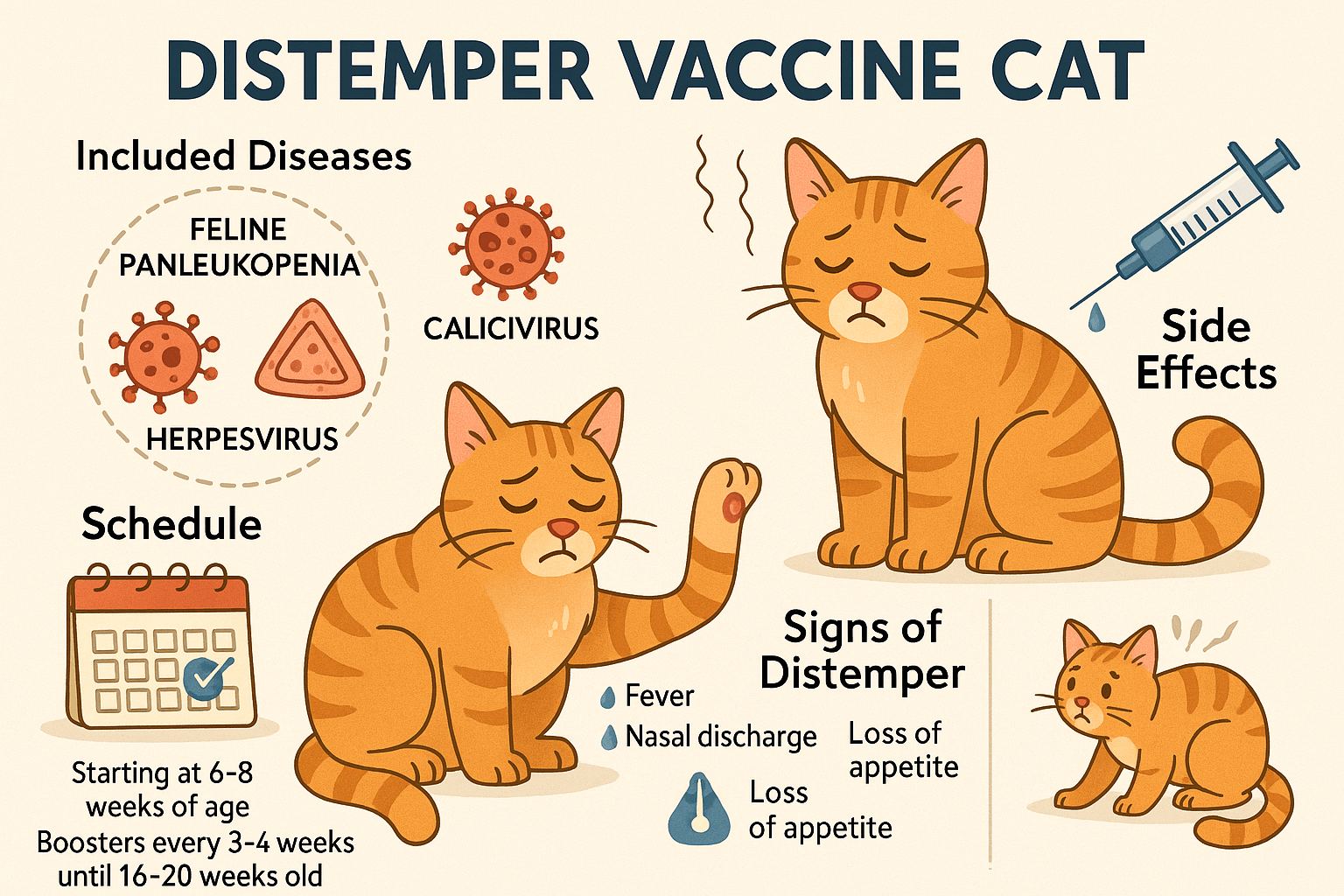
The distemper vaccine is one of the most critical components of a cat’s healthcare routine. This vaccine protects against feline panleukopenia, a highly contagious and often fatal viral disease that affects cats of all ages. While many pet owners are familiar with routine vaccinations, understanding the specifics of the distemper vaccine—its importance, administration, and potential side effects—is essential for ensuring your cat’s long-term health. In this blog post, we’ll explore everything you need to know about the distemper vaccine for cats, from its role in preventing disease to what you can expect during and after vaccination.
Why the Distemper Vaccine Is Essential for Cats
The distemper vaccine is a cornerstone of feline preventive care, offering protection against a devastating illness. Here’s why it’s so important for your cat’s well-being.
Prevents Feline Panleukopenia:
Feline panleukopenia, also known as feline distemper, attacks a cat’s immune system and digestive tract, leading to severe symptoms like vomiting, diarrhea, and dehydration.Highly Contagious Nature:
The virus spreads easily through direct contact, contaminated environments, or shared items like food bowls and litter boxes. Vaccination reduces transmission risks.Protects Vulnerable Kittens:
Kittens are especially susceptible to the virus due to their underdeveloped immune systems. Vaccination provides critical early protection.Reduces Mortality Rates:
Without vaccination, feline panleukopenia has a high mortality rate, particularly in young or unvaccinated cats. The vaccine significantly lowers this risk.Supports Herd Immunity:
Widespread vaccination helps protect not only individual cats but also entire populations by reducing the overall spread of the virus.
By prioritizing the distemper vaccine, you’re taking a proactive step toward safeguarding your cat’s health and contributing to broader disease prevention efforts.
How the Distemper Vaccine Works
Understanding how the distemper vaccine functions can help demystify its role in protecting your cat. Here’s a breakdown of its mechanism and benefits.
Stimulates Immune Response:
The vaccine introduces a harmless version of the virus, prompting the immune system to recognize and fight it without causing illness.Provides Long-Term Protection:
Most cats develop immunity after completing the initial vaccine series, with booster shots maintaining protection over time.Combines with Other Vaccines:
The distemper vaccine is often part of combination vaccines, such as the FVRCP vaccine, which also protects against respiratory infections.Safe for Healthy Cats:
When administered by a licensed veterinarian, the vaccine is safe and effective for most healthy cats, including kittens.Minimizes Disease Severity:
Even if a vaccinated cat contracts the virus, the vaccine typically reduces symptom severity and improves recovery chances.
The distemper vaccine’s ability to prime the immune system makes it an invaluable tool in preventing feline panleukopenia and ensuring your cat’s long-term health.
Check this guide 👉Cat Vaccine Side Effects: Best 7 Expert Tips!
Check this guide 👉Can I Give My Cat Vaccines Myself? Best 7 Expert Tips!
Check this guide 👉Understanding the FVRCP Cat Vaccine: Best 7 Health Tips!
Benefits of the Distemper Vaccine | Potential Side Effects to Monitor |
|---|---|
Prevents feline panleukopenia | Mild soreness at injection site |
Reduces transmission risks | Temporary lethargy or fever |
Protects vulnerable kittens | Rare allergic reactions |
Boosts overall immune health | Loss of appetite (short-term) |
Contributes to herd immunity | Swelling or irritation near the site |
Vaccination Schedule for Cats
Timing is crucial when it comes to administering the distemper vaccine. Following a proper schedule ensures maximum protection for your cat throughout their life.
Kitten Vaccination Series:
Kittens typically receive their first distemper vaccine at 6-8 weeks old, followed by boosters every 3-4 weeks until they’re 16 weeks old.First Booster Shot:
A booster shot is given one year after the initial kitten series to reinforce immunity.Adult Cat Boosters:
Adult cats usually require booster shots every 1-3 years, depending on their lifestyle and risk factors.High-Risk Environments:
Cats in shelters, multi-cat households, or outdoor settings may need more frequent vaccinations to maintain protection.Consult Your Veterinarian:
Your vet will tailor the vaccination schedule to your cat’s specific needs, considering age, health, and exposure risks.
Adhering to a consistent vaccination schedule ensures your cat remains protected against feline panleukopenia throughout their life.
Signs Your Cat May Need Immediate Veterinary Attention After Vaccination
While the distemper vaccine is generally safe, some cats may experience adverse reactions. Recognizing warning signs ensures prompt medical intervention if needed.
Severe Swelling or Redness:
Excessive swelling, redness, or warmth around the injection site could indicate an allergic reaction.Persistent Vomiting or Diarrhea:
Gastrointestinal upset lasting more than 24 hours should be evaluated by a veterinarian.Difficulty Breathing:
Labored breathing or wheezing may signal a severe allergic response requiring immediate attention.Extreme Lethargy:
If your cat seems unusually weak, unresponsive, or unable to move, seek veterinary care immediately.Facial Swelling:
Swelling of the face, lips, or eyes is a sign of anaphylaxis and requires urgent treatment.
Monitoring your cat closely after vaccination helps ensure their safety and allows for quick action if complications arise.
Risks of Skipping the Distemper Vaccine
Skipping the distemper vaccine puts your cat at significant risk, especially in environments where the virus may thrive. Understanding these risks underscores the importance of vaccination.
Increased Susceptibility to Illness:
Unvaccinated cats are far more likely to contract feline panleukopenia, which can progress rapidly and become life-threatening.Higher Treatment Costs:
Treating panleukopenia often involves intensive hospitalization and supportive care, which can be costly compared to the affordable vaccine.Spread to Other Cats:
An unvaccinated cat can unknowingly carry and transmit the virus to other felines, even if they don’t show symptoms themselves.Compromised Immune System:
Cats recovering from panleukopenia may experience weakened immunity, making them vulnerable to secondary infections.Emotional Toll on Owners:
Watching your cat suffer from a preventable disease can be emotionally devastating for pet owners.
Vaccinating your cat eliminates these risks and provides peace of mind for both you and your furry friend.
How to Prepare Your Cat for Vaccination
Preparing your cat for vaccination can make the process smoother and reduce stress for everyone involved. Follow these tips to ensure a positive experience.
Schedule During Calm Times:
Avoid booking appointments during busy or chaotic periods in your household to minimize distractions.Bring Comfort Items:
Take along a favorite blanket or toy to help soothe your cat during the visit.Feed Before the Appointment:
Offer a light meal before heading to the vet, unless instructed otherwise, to keep your cat calm and comfortable.Stay Calm Yourself:
Cats pick up on their owner’s emotions—if you’re relaxed, they’re more likely to remain calm too.Reward Good Behavior:
Praise and reward your cat after the appointment to reinforce positive associations with vet visits.
A little preparation goes a long way in ensuring a stress-free vaccination experience for your cat.
Myths About the Distemper Vaccine Debunked
Misconceptions about vaccines can deter pet owners from prioritizing their cat’s health. Let’s debunk some common myths surrounding the distemper vaccine.
Myth: Vaccines Cause More Harm Than Good:
Serious side effects are extremely rare, and the benefits of vaccination far outweigh the minimal risks.Myth: Older Cats Don’t Need Vaccines:
Senior cats still require regular boosters to maintain immunity and protect against diseases.Myth: Natural Immunity Is Better:
Relying solely on natural immunity leaves your cat exposed to potentially fatal illnesses that vaccines prevent.Myth: One Vaccine Lasts a Lifetime:
Booster shots are necessary to maintain long-term immunity, as the effects of the initial vaccine diminish over time.Myth: Indoor Cats Are Safe Without Vaccines:
Even indoor cats are at risk of exposure through indirect contact with contaminated surfaces or objects.
Separating fact from fiction helps ensure your cat receives the protection they need to thrive.
Frequently Asked Questions About the Distemper Vaccine for Cats
Is the distemper vaccine mandatory?
While not legally required everywhere, it’s strongly recommended as a core vaccine for all cats due to its importance in preventing deadly diseases.
Can indoor cats skip the vaccine?
Even indoor cats should be vaccinated, as the virus can be brought into the home on clothing, shoes, or other pets.
What if my cat misses a booster shot?
Contact your vet to reschedule the missed dose. Missing one booster won’t negate prior immunity, but staying on schedule is ideal.
Are there alternatives to the vaccine?
No natural alternatives provide the same level of protection as the distemper vaccine. Vaccination remains the best defense.
How much does the vaccine cost?
Costs vary depending on location and veterinary clinic but typically range from $15 to $50 per dose.
Investing in Your Cat’s Health Through Vaccination
The distemper vaccine is a vital tool in protecting your cat from one of the most dangerous viral diseases they may encounter. By understanding its benefits, following a proper vaccination schedule, and monitoring for potential side effects, you’re taking meaningful steps to ensure your feline companion lives a long, healthy, and happy life. Regular communication with your veterinarian will help you stay informed and make the best decisions for your cat’s unique needs. Remember, prevention is always better than cure—and the distemper vaccine exemplifies this principle perfectly.
Is Rawhide Bad for Cats? Best 7 Expert Tips! – Discover the risks, safe alternatives, and expert advice to keep your feline friend healthy and happy.

Is Rawhide Bad for Dogs? Best 7 Expert Tips! – Discover the risks, benefits, and safer alternatives to rawhides for your dog’s chewing needs.

Understanding Anorexia in Cats: Best 7 Expert Tips! – Learn why cats stop eating, spot warning signs, and discover how to help your feline regain appetite safely.

Understanding Anorexia in Dogs: Best 7 Expert Tips! – Learn causes, symptoms, and solutions to help your dog regain appetite and stay healthy.