
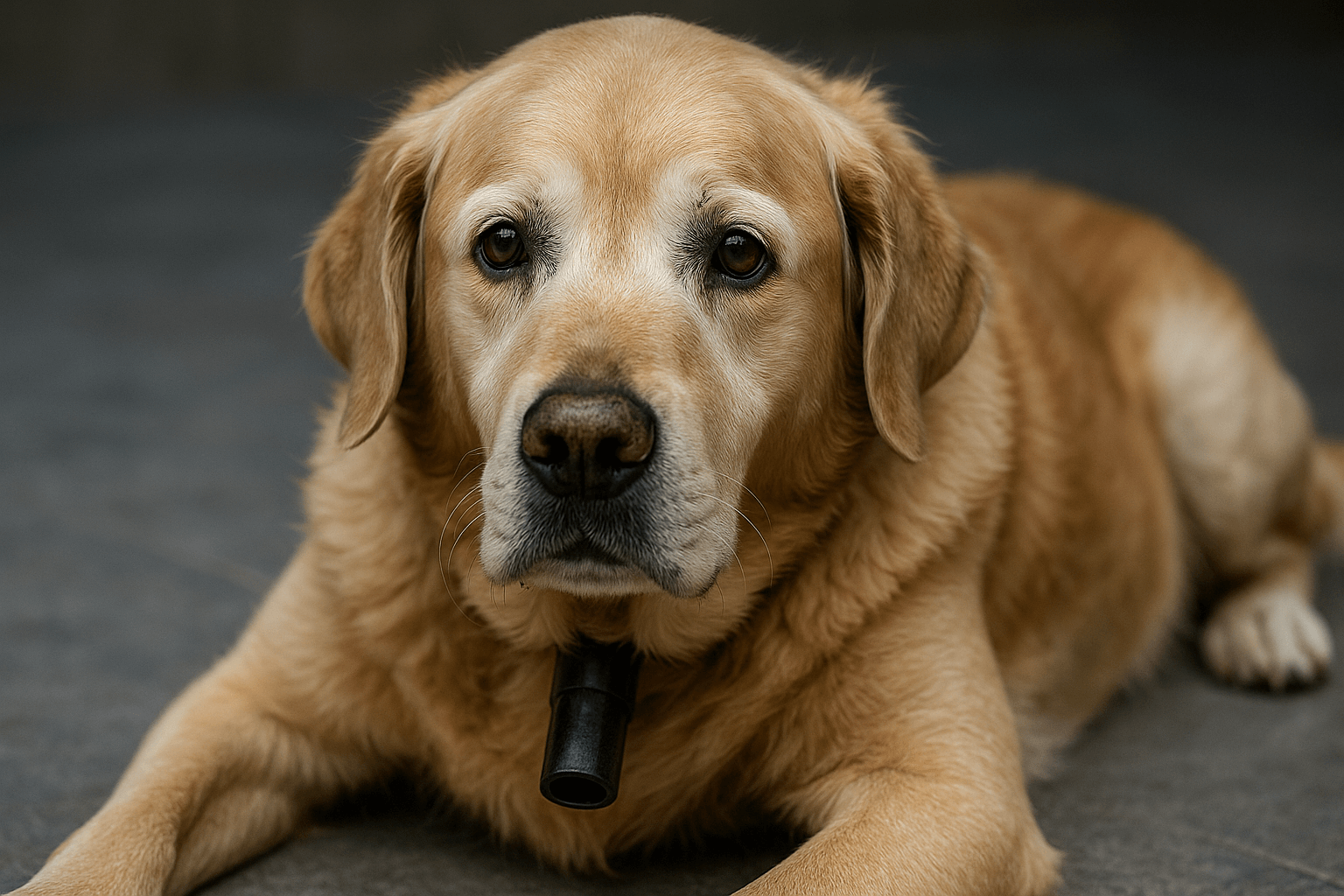
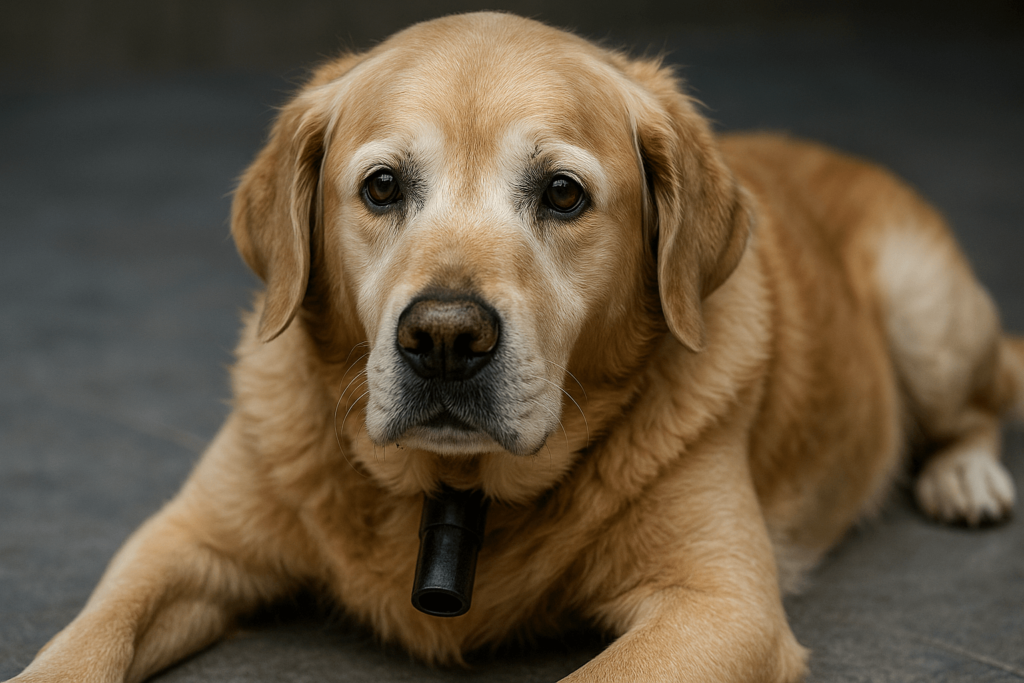

Understanding Dog Laryngeal Paralysis: A Lifeline for Struggling Breaths
Dog laryngeal paralysis is a condition that quietly steals a dog’s ability to breathe with ease. Often mistaken for normal aging or fatigue, it affects the larynx—the gateway to the airway—and can severely impact quality of life. While it’s most common in older, large-breed dogs, it can appear in younger animals due to congenital causes. Recognizing the signs early and understanding treatment options can make all the difference between distress and comfort. This guide offers expert-backed insights to help you support your dog through diagnosis, management, and recovery.
What Is Dog Laryngeal Paralysis?
Laryngeal paralysis occurs when the nerves controlling the laryngeal cartilages fail to function properly, leaving the airway partially blocked during inhalation. This condition disrupts normal breathing and can escalate quickly if ignored. Below are key facts to understand its nature and origins.
- Nerve Dysfunction at the Core:
The recurrent laryngeal nerve, responsible for opening the arytenoid cartilages during breathing, becomes damaged or degenerates over time. - Two Main Types Exist:
Acquired laryngeal paralysis (most common in senior dogs) and congenital laryngeal paralysis (seen in young dogs of specific breeds like Bouviers or Dalmatians). - Not Just a “Senior Dog Cough”:
While often dismissed as age-related panting, it’s a progressive neurological issue that worsens without intervention. - Bilateral Impact Is Typical:
In most cases, both sides of the larynx are affected, significantly narrowing the airway passage. - Linked to Broader Neurological Decline:
In many dogs, laryngeal paralysis is an early sign of a more widespread nerve degeneration syndrome known as Geriatric Onset Laryngeal Paralysis Polyneuropathy (GOLPP).
Understanding laryngeal paralysis as more than just a breathing quirk is the first step toward timely, life-enhancing care.
Common Signs and Symptoms to Watch For
Early detection hinges on recognizing subtle—and not-so-subtle—changes in your dog’s behavior and breathing. Because oxygen flow is compromised, symptoms often worsen with heat, stress, or exertion.
- Noisy, Raspy Breathing:
A hallmark sign is inspiratory stridor—a harsh, wheezing sound when your dog inhales, especially during walks or excitement. - Exercise Intolerance:
Your dog may tire quickly, stop mid-walk, or refuse to play, not out of laziness but from oxygen deprivation. - Voice Changes or Hoarseness:
Barks may become weak, raspy, or unusually quiet as the vocal cords lose proper tension. - Gagging or Coughing After Eating/Drinking:
Food or water can enter the compromised airway, triggering coughing fits or regurgitation. - Blue-Tinged Gums or Collapse in Severe Cases:
These are emergency signs of acute respiratory distress requiring immediate veterinary attention.
If you notice any of these signs, especially in a middle-aged or senior large-breed dog, seek a veterinary evaluation without delay.
Check this guide 👉Caring for a Paralyzed Dog: Best 7 Expert Tips!
Check this guide 👉What to Feed a Dog with Laryngeal Paralysis: Best 7 Tips!
Check this guide 👉Why Is My Dog Breathing Fast in His Sleep? Best 7 Tips!
| Key Risk Indicators | Management Priorities |
|---|---|
| Age over 8 years | Keep dog cool and calm; avoid overheating |
| Large or giant breed (e.g., Labrador, Golden Retriever) | Use harness instead of collar to reduce neck pressure |
| History of neck trauma or surgery | Elevate food and water bowls to ease swallowing |
| Pre-existing neurological conditions | Schedule regular vet check-ups for early monitoring |
| Congenital predisposition (in rare breeds) | Avoid strenuous activity during hot or humid weather |
Diagnosing Laryngeal Paralysis: What to Expect at the Vet
Confirming laryngeal paralysis requires a hands-on examination under light sedation, as the larynx must be observed in motion. Your vet will rule out other respiratory issues before making a definitive diagnosis.
- Physical Exam and History Review:
The vet will listen to your dog’s breathing and ask about symptom onset, breed, age, and activity levels. - Sedated Laryngeal Exam:
Under light anesthesia, the vet watches the arytenoid cartilages while your dog breathes—if they don’t open during inhalation, paralysis is confirmed. - Chest X-Rays Are Crucial:
These check for aspiration pneumonia (a common complication) and assess heart and lung health before any surgery. - Blood Work to Evaluate Overall Health:
Especially important in older dogs to ensure they can safely undergo anesthesia or surgery. - Neurological Screening for GOLPP:
Since laryngeal paralysis often coexists with peripheral neuropathy, a full neuro exam may be recommended.
Accurate diagnosis is essential—not just to confirm the condition, but to tailor a safe, effective treatment plan.
Treatment Options: From Conservative Care to Surgery
Treatment depends on severity, overall health, and owner goals. Mild cases may be managed medically, while severe cases often require surgical intervention.
- Medical Management for Mild Cases:
Focuses on reducing triggers: weight control, avoiding heat, using a harness, and anti-anxiety support during stress. - Emergency Oxygen and Cooling for Crises:
In acute respiratory distress, immediate stabilization with oxygen, IV fluids, and sedation is life-saving. - The Gold Standard: Tie-Back Surgery (Unilateral Arytenoid Lateralization):
This procedure permanently holds one side of the larynx open, dramatically improving airflow—though it carries aspiration risks. - Post-Surgical Care Is Intensive:
Strict rest, soft food, and vigilant monitoring for coughing or pneumonia are critical in the weeks after surgery. - Emerging Alternatives Under Study:
Nerve grafts, electrical stimulation, and laryngeal pacemakers are experimental but not yet widely available.
Working closely with a veterinary surgeon or internal medicine specialist ensures the best possible outcome for your dog.
Long-Term Care and Lifestyle Adjustments
Even after diagnosis or surgery, ongoing care is vital to maintain your dog’s comfort and prevent complications like aspiration pneumonia.
- Temperature Control Is Non-Negotiable:
Never leave your dog in a hot car or yard; use cooling mats and air conditioning during summer months. - Modify Exercise Routines:
Short, gentle walks in cool morning or evening hours are safer than vigorous play or midday hikes. - Dietary Adjustments Help Swallowing:
Moist, bite-sized food reduces choking risk; some dogs benefit from thickened water or elevated bowls. - Monitor for Aspiration Warning Signs:
Persistent cough, fever, lethargy, or loss of appetite could signal pneumonia—act fast if these appear. - Routine Veterinary Follow-Ups:
Every 6–12 months, or sooner if symptoms change, to assess nerve function and overall health.
With consistent adjustments, many dogs with laryngeal paralysis live happy, fulfilling lives for years.
Potential Complications and How to Prevent Them
While treatment can greatly improve breathing, laryngeal paralysis carries risks that require proactive management.
- Aspiration Pneumonia:
The most serious complication—food, water, or saliva entering the lungs—occurs in up to 20% of post-surgery cases. - Progression of GOLPP:
Hind limb weakness, swallowing difficulties, and megaesophagus may develop over time, requiring multidisciplinary care. - Anesthesia Risks During Diagnosis or Surgery:
Older dogs need tailored protocols; always choose a clinic experienced in airway emergencies. - Obesity Worsens Symptoms:
Extra weight increases respiratory effort—maintain lean body condition through diet and light activity. - Stress-Induced Breathing Crises:
Fireworks, vet visits, or thunderstorms can trigger panic and airway collapse; anti-anxiety meds may be needed.
Prevention focuses on vigilance, environmental control, and partnership with your veterinary team.
Breeds Most at Risk and Preventive Insights
Though any dog can develop laryngeal paralysis, certain breeds face higher odds due to genetics or anatomy.
- Labrador Retrievers Lead the List:
By far the most commonly affected breed, especially males over 8 years old. - Golden Retrievers and Irish Setters:
Also frequently diagnosed, often showing signs between 9–12 years of age. - Giant Breeds Like Newfoundlands and Great Danes:
Their size and rapid aging contribute to earlier nerve degeneration. - Congenital Cases in Young Dogs:
Seen in Siberian Huskies, Rottweilers, and Bouvier des Flandres—often apparent before 6 months. - Mixed Breeds Aren’t Immune:
Especially if they have large-breed ancestry, so awareness matters regardless of pedigree.
Knowing your dog’s risk helps you watch for early signs and act before a crisis occurs.
“Laryngeal paralysis, a disease of the upper airway, is common in dogs. The condition occurs when the cartilages of the larynx do not open and close normally during respiration.”
— Maureen H. Kemp, BVMS, PhD
Frequently Asked Questions About Dog Laryngeal Paralysis
Is laryngeal paralysis painful for dogs?
Not directly—it’s more distressing than painful, as dogs struggle to get enough air, leading to anxiety and panic.
Can laryngeal paralysis be reversed?
No, the nerve damage is permanent. However, surgery or management can significantly improve airflow and quality of life.
How long can a dog live with laryngeal paralysis?
With proper care, many dogs live 1–3+ years post-diagnosis. Those undergoing successful tie-back surgery often enjoy several good-quality years.
Is surgery always necessary?
Not always. Mild cases may be managed conservatively, but moderate to severe cases usually benefit from surgical intervention.
Can I prevent laryngeal paralysis?
Not entirely, since it’s often age- or genetics-related. But avoiding neck strain (use harnesses), managing weight, and keeping dogs cool can reduce risk and severity.
Breathing Easy Again: Hope, Care, and Compassion
A diagnosis of dog laryngeal paralysis can feel overwhelming—but it’s not the end of your dog’s story. With early recognition, expert veterinary care, and thoughtful daily adjustments, your companion can still enjoy walks, cuddles, and quiet moments with comfort. The key lies in patience, vigilance, and a commitment to their changing needs. Though their bark may soften and their pace slow, their love remains as strong as ever. And with your support, every breath they take can be a little easier, a little safer, and filled with the dignity they deserve.
Is Rawhide Bad for Cats? Best 7 Expert Tips! – Discover the risks, safe alternatives, and expert advice to keep your feline friend healthy and happy.

Is Rawhide Bad for Dogs? Best 7 Expert Tips! – Discover the risks, benefits, and safer alternatives to rawhides for your dog’s chewing needs.

Understanding Anorexia in Cats: Best 7 Expert Tips! – Learn why cats stop eating, spot warning signs, and discover how to help your feline regain appetite safely.

Understanding Anorexia in Dogs: Best 7 Expert Tips! – Learn causes, symptoms, and solutions to help your dog regain appetite and stay healthy.