

The Ethiopian Cat: Best 7 Expert Tips!

The Ethiopian Cat: Best 7 Expert Tips!

The Ethiopian Cat: Uncovering the Mystery Behind a Rare and Enchanting Feline


The Ethiopian cat isn’t a recognized breed — but that doesn’t make it any less captivating. Often whispered about in feline enthusiast circles, the term “Ethiopian cat” evokes images of slender, elegant, sun-kissed felines with striking eyes and an aura of ancient mystery. While no official breed exists under this name, many believe it refers to the native landrace cats of Ethiopia — wild, resilient, and beautifully adapted to their environment. This is their story.

The Origins of the So-Called “Ethiopian Cat”


The term “Ethiopian cat” is not officially recognized by any major cat registry like TICA or CFA. Yet, it persists — not as a fantasy, but as a reflection of real, untamed felines that have lived alongside humans in the Ethiopian highlands for centuries.

 
  • Ancient Lineage: These cats likely descended from African wildcats (Felis lybica), which were domesticated thousands of years ago across the Nile Valley and Horn of Africa.

  • Natural Adaptation: Living at altitudes up to 4,000 meters, Ethiopian cats developed lean bodies, thick coats for cooler nights, and exceptional agility for navigating rocky terrain.

  • Cultural Significance: In Ethiopian folklore, cats were sometimes seen as protectors of grain stores — and thus, indirectly, as guardians of life and prosperity.

  • Genetic Isolation: Due to Ethiopia’s geographic isolation and limited international trade in the past, these cats evolved with minimal human intervention — preserving unique traits.

  • Modern Recognition Gap: Unlike breeds like the Siamese or Persian, these cats never underwent selective breeding programs, so they remain “landrace” — not pedigreed, but profoundly authentic.


These aren’t just stray cats. They’re living relics of a time when cats roamed freely, unaltered by human vanity — and their beauty is all the more powerful for it.

The Ethiopian Cat: Best 7 Expert Tips!

Physical Characteristics of Ethiopian Landrace Cats


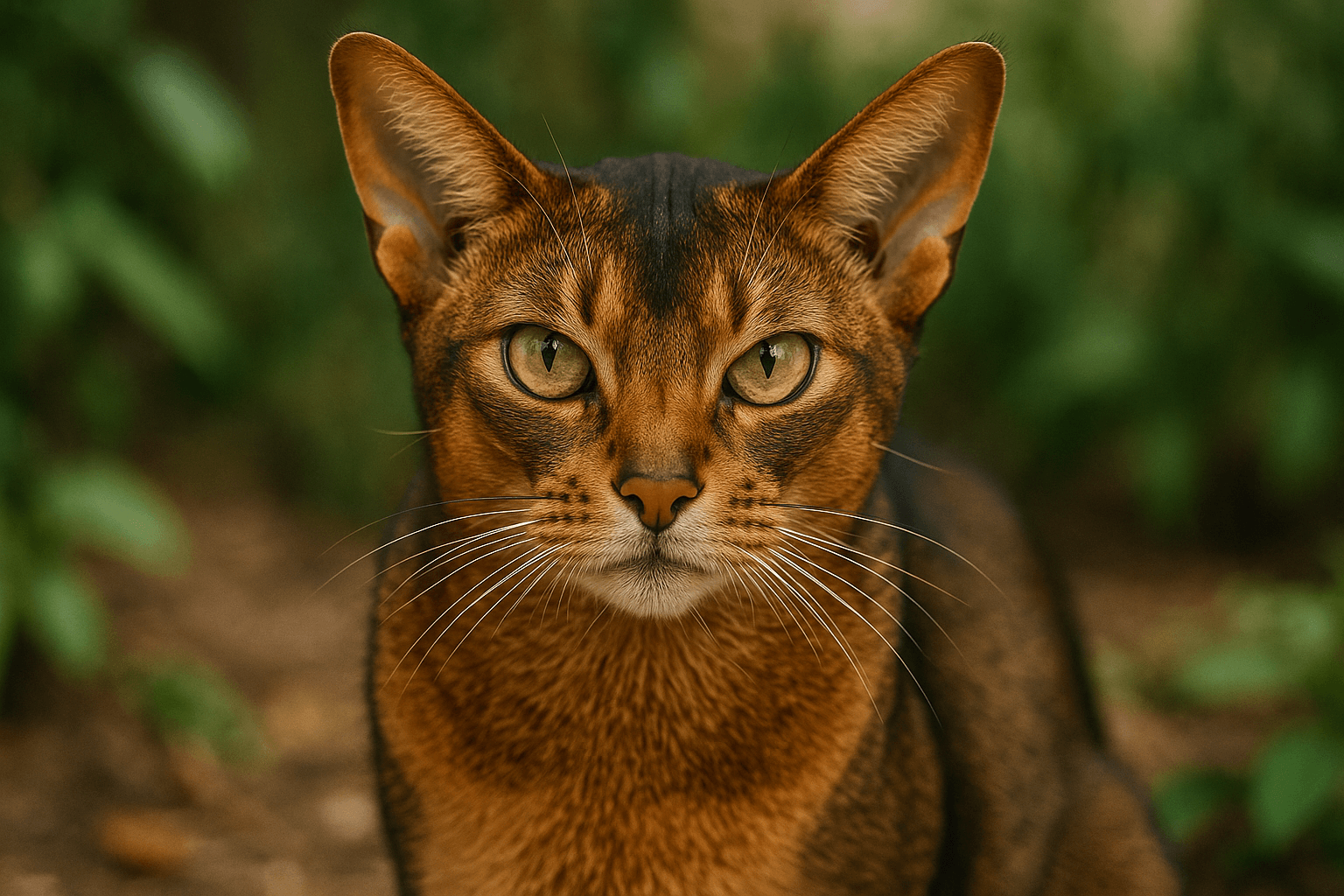
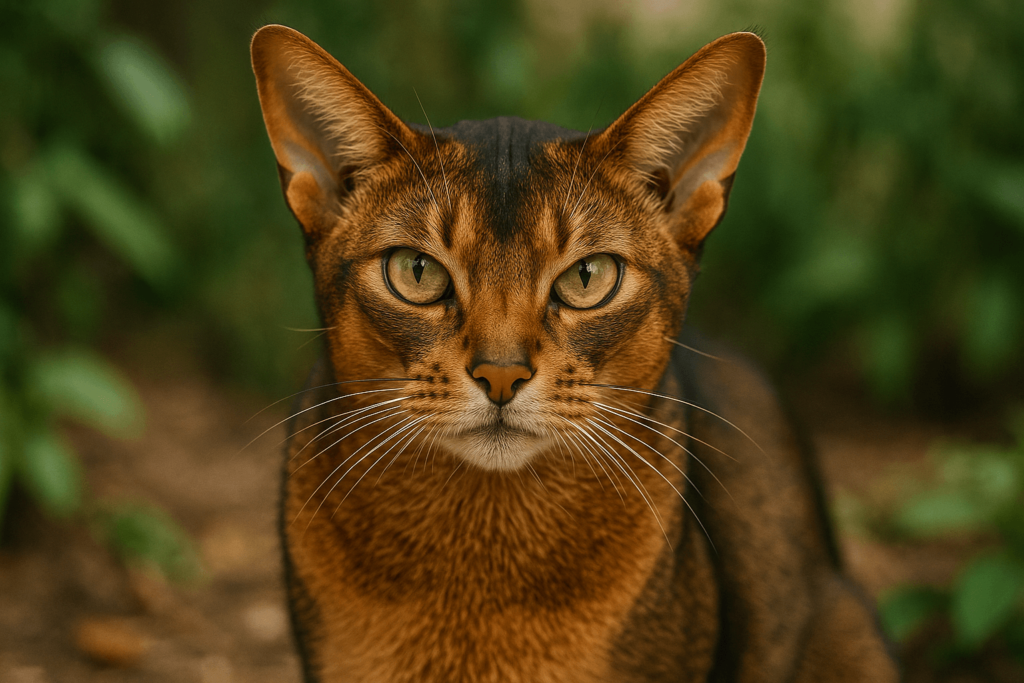
If you’ve ever seen a cat in the highlands of Addis Ababa or the Simien Mountains with a sleek, sun-bleached coat and eyes like molten amber — you’ve seen an Ethiopian cat in its truest form.

 
  • Coat Color & Texture: Most exhibit short, dense fur in shades of tan, golden-brown, or light gray — often with faint tabby stripes that blend perfectly with Ethiopian soil and rock.

  • Body Structure: Lean and muscular, with long legs built for climbing and sprinting across uneven ground — not for show rings, but for survival.

  • Eye Shape and Color: Large, almond-shaped eyes, typically in hues of gold, green, or hazel — designed for exceptional low-light vision during dawn and dusk hunts.

  • Ear Shape: Medium to large ears, slightly rounded at the tips, highly mobile and sensitive to subtle sounds — a trait vital for detecting prey and predators.

  • Tail Length and Use: Long, tapered tails used for balance on narrow ledges and as a communication tool — flicking when curious, wrapping when content.


Unlike the exaggerated features of pedigree breeds, Ethiopian cats embody functional elegance. Every physical trait serves a purpose — shaped not by fashion, but by the unforgiving rhythms of nature.

 
Natural Traits Survival Advantages
Short, dense fur Protects against temperature swings and UV exposure
Lean, athletic build Enables climbing, jumping, and chasing prey on rocky terrain
Highly sensitive ears Detects insects, rodents, and approaching dangers
Golden or green eyes Superior night vision for hunting at dawn and dusk
Long, balanced tail Maintains equilibrium on narrow ledges and uneven surfaces

Temperament and Behavioral Traits


The personality of the Ethiopian cat is as untamed as its origins — but not in a wild, unpredictable way. It’s a quiet confidence, born of self-reliance.

 
  • Independent Yet Affectionate: These cats observe their surroundings with calm curiosity. They don’t demand attention — but when they choose to sit beside you, it’s a deep gesture of trust.

  • Highly Observant: Ethiopian cats are masters of stillness. They watch, listen, and assess before acting — making them excellent hunters and intuitive companions.

  • Adaptable to Environment: Whether in a bustling city or remote village, they adjust quickly — a trait honed by centuries of coexisting with humans without formal domestication.

  • Vocal but Selective: Unlike chatty breeds, they communicate with soft chirps or gentle meows — only when necessary. Their silence speaks volumes.

  • Strong Territory Awareness: They mark their space not through aggression, but through presence. Once they claim a sunbeam or a windowsill, it’s theirs — respectfully.


This isn’t a pet that seeks constant interaction. It’s a companion that offers quiet companionship — the kind that lingers in your heart long after the cat has walked away.

Cultural and Historical Context of Cats in Ethiopia


Cats in Ethiopia don’t live in the shadow of history — they walk beside it.

 
  • Ancient Trade Routes: Ethiopia’s position along the incense and spice routes meant cats traveled with merchants, helping control rodent populations on caravans.

  • Religious Symbolism: While not worshipped like in ancient Egypt, cats were respected as protectors of food stores and homes — especially in Christian monasteries where grain was stored.

  • Folklore and Superstition: In some rural communities, a cat entering a home is seen as a sign of good fortune — while harming one is believed to invite misfortune.

  • Modern Urban Coexistence: In cities like Addis Ababa, cats are common around markets and alleyways — tolerated, rarely fed, but rarely chased away.

  • Lack of Formal Breeding: Unlike Western nations, Ethiopia never developed cat shows or breed standards. Cats remain what nature made them — diverse, resilient, and free.


This cultural context gives the Ethiopian cat a dignity that no pedigree can replicate. They are not owned — they are shared.

How to Care for an Ethiopian Cat (If You Adopt One)


While you won’t find “Ethiopian cat” on a breeder’s website, you may encounter cats from Ethiopia in rescue shelters — especially those adopted by expats or humanitarian workers.

 
  • Provide a Warm, Quiet Space: These cats often come from outdoor or semi-feral backgrounds. A calm, warm room helps them adjust without stress.

  • Feed High-Quality Protein: Prioritize meat-based diets with minimal fillers. Their digestive systems are adapted to lean prey, not grains or by-products.

  • Offer Vertical Spaces: Install cat trees or wall shelves. Their instinct to climb and observe from height is deeply ingrained.

  • Avoid Overhandling: Let them initiate contact. Forcing affection can undo months of trust-building.

  • Schedule Regular Vet Visits: Even if they appear healthy, parasites and zoonotic diseases are common in stray populations — deworming and vaccinations are essential.


Adopting a cat from this background isn’t about changing them. It’s about creating a safe space where their natural instincts can still flourish — gently, respectfully.


Common Misconceptions About Ethiopian Cats


There’s a lot of myth surrounding these cats — especially online. Let’s clear the air.

 
  • Myth: “Ethiopian cats are a rare breed.”
    They’re not. They’re landrace cats — naturally occurring populations, not selectively bred lines.

  • Myth: “They’re all striped or gray.”
    While many have classic tabby patterns, you’ll also find solid blacks, creams, and even tortoiseshell variants.

  • Myth: “They’re wild and aggressive.”
    Not true. They’re cautious, not hostile. With patience, they form deep bonds — just slowly.

  • Myth: “You can buy an Ethiopian cat online.”
    Legitimate breeders don’t sell them. Any website offering “Ethiopian kittens” is likely selling mixed-breed cats with misleading labels.

  • Myth: “They’re low-maintenance because they’re wild.”
    They need love, healthcare, and mental stimulation — just like any other cat. Their resilience doesn’t mean indifference.


Understanding these myths helps you appreciate the Ethiopian cat for what it truly is: a natural wonder, not a marketing label.

Why the Ethiopian Cat Matters in the World of Feline Conservation


Beyond charm and aesthetics, the Ethiopian cat holds ecological and genetic value.

 
  • Genetic Diversity: These cats represent a unique gene pool untouched by centuries of inbreeding — invaluable for future feline health research.

  • Ecosystem Balance: As natural predators, they help control rodent populations, reducing crop damage and disease spread in rural areas.

  • Cultural Heritage: They’re living artifacts of human-animal coexistence in one of the world’s oldest continuous civilizations.

  • Rescue Potential: Many are abandoned or stray. Protecting them isn’t just ethical — it preserves a piece of African biodiversity.

  • Inspiration for Ethical Breeding: Their beauty reminds us that nature, not human vanity, creates the most enduring feline forms.


Preserving these cats isn’t about creating a new breed. It’s about honoring the wild soul that still lives in every domestic cat — and ensuring it’s never lost.

FAQ: Ethiopian Cat – Your Questions Answered

 
Are Ethiopian cats a real breed?

No. They are landrace cats native to Ethiopia — naturally evolved, not selectively bred. No official registry recognizes them as a formal breed.

Yes — some are rescued by international aid workers or travelers and placed in shelters abroad. Look for reputable rescues specializing in African cats.

Generally, yes — if introduced slowly. Their cautious nature means they observe first, then adapt. Supervised introductions are key.

With proper care, they live 12–18 years — similar to other healthy domestic cats. Outdoor cats may have shorter lifespans due to environmental risks.

No. No cat is truly hypoallergenic. Their short coat may shed less than long-haired breeds, but allergens are in saliva and skin, not fur.

Embrace the Wild Grace of the Ethiopian Cat


The Ethiopian cat doesn’t need a pedigree. It doesn’t need a show title. It doesn’t need to be named or claimed. It simply is — a quiet testament to nature’s artistry, shaped by altitude, climate, and time. To welcome one into your home is not to domesticate a wild animal — it’s to honor a lineage that has endured for millennia.


Let them perch on your windowsill. Let them watch the world with those golden eyes. Let them choose when to purr. In their silence, you’ll find something rare: a bond not demanded, but given.

Is Rawhide Bad for Cats? Best 7 Expert Tips!

Is Rawhide Bad for Cats? Best 7 Expert Tips! – Discover the risks, safe alternatives, and expert advice to keep your feline friend healthy and happy.

Is Rawhide Bad for Dogs? Best 7 Expert Tips!

Is Rawhide Bad for Dogs? Best 7 Expert Tips! – Discover the risks, benefits, and safer alternatives to rawhides for your dog’s chewing needs.

Understanding Anorexia in Cats: Best 7 Expert Tips!

Understanding Anorexia in Cats: Best 7 Expert Tips! – Learn why cats stop eating, spot warning signs, and discover how to help your feline regain appetite safely.

Understanding Anorexia in Dogs: Best 7 Expert Tips!

Understanding Anorexia in Dogs: Best 7 Expert Tips! – Learn causes, symptoms, and solutions to help your dog regain appetite and stay healthy.

Leave a Reply

Your email address will not be published. Required fields are marked *