
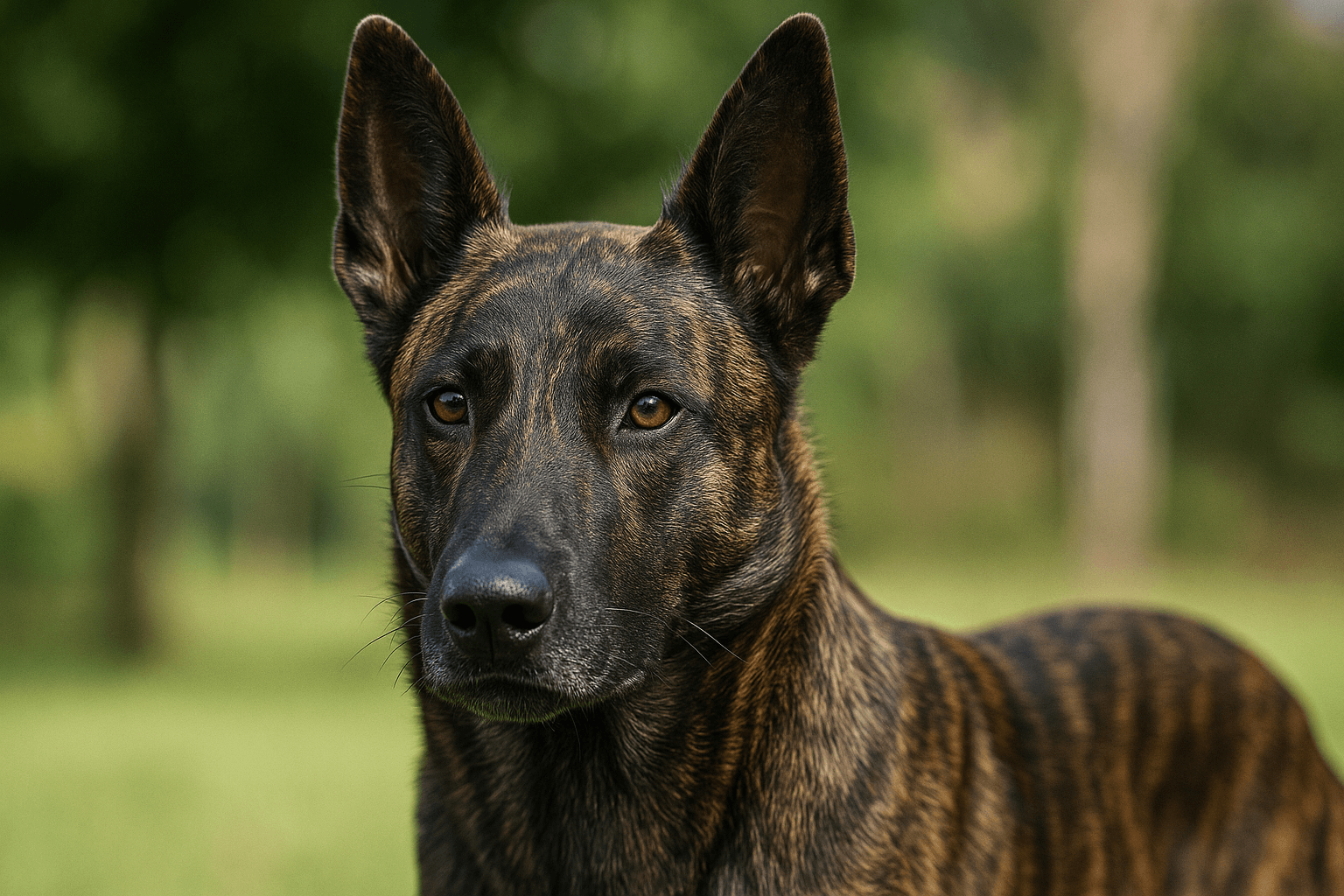
The Dutch Shepherd: A Versatile Guardian with Heart and Grit
Meet the Dutch Shepherd—a striking, intelligent, and deeply loyal working dog with a legacy rooted in the farms and fields of the Netherlands. Neither flashy nor fussy, this athletic breed thrives on purpose, partnership, and precision. With its keen mind, unwavering work ethic, and natural versatility, the Dutch Shepherd stands out as a true all-rounder among herding breeds. If you’re seeking a dog that’s as comfortable on the agility course as it is patrolling a perimeter or cuddling after a long day, this rare gem deserves your attention.
Origins and History of the Dutch Shepherd
Long before it gained recognition beyond Dutch borders, the Dutch Shepherd was the dependable farmhand of rural families—herding livestock, guarding property, and even pulling carts. Its development was shaped by function, not fashion, resulting in a rugged, adaptable dog built for real-world tasks.
- Farmstead Origins
Dutch Shepherds were originally bred as multipurpose farm dogs in the Netherlands during the 18th and 19th centuries, expected to manage flocks, protect property, and assist with daily chores. - Near Extinction and Revival
The mechanization of agriculture in the 20th century nearly wiped out the breed, but dedicated enthusiasts preserved its bloodlines, ensuring its survival. - Working Breed, Not Show Dog
Unlike many herding breeds refined for conformation rings, the Dutch Shepherd remained primarily a working dog, valued for performance over polish. - Military and Police Adoption
By the mid-20th century, the breed’s intelligence and trainability made it a favorite in European military and police K-9 units—a role it still excels in today. - Global Recognition and Rarity
Though recognized by the FCI and gaining traction with the AKC (currently in the Foundation Stock Service), the Dutch Shepherd remains relatively rare outside Europe, prized by performance enthusiasts and working dog handlers.
Today’s Dutch Shepherd carries the legacy of its utilitarian past in every alert gaze and purposeful stride—still a true partner, not just a pet.
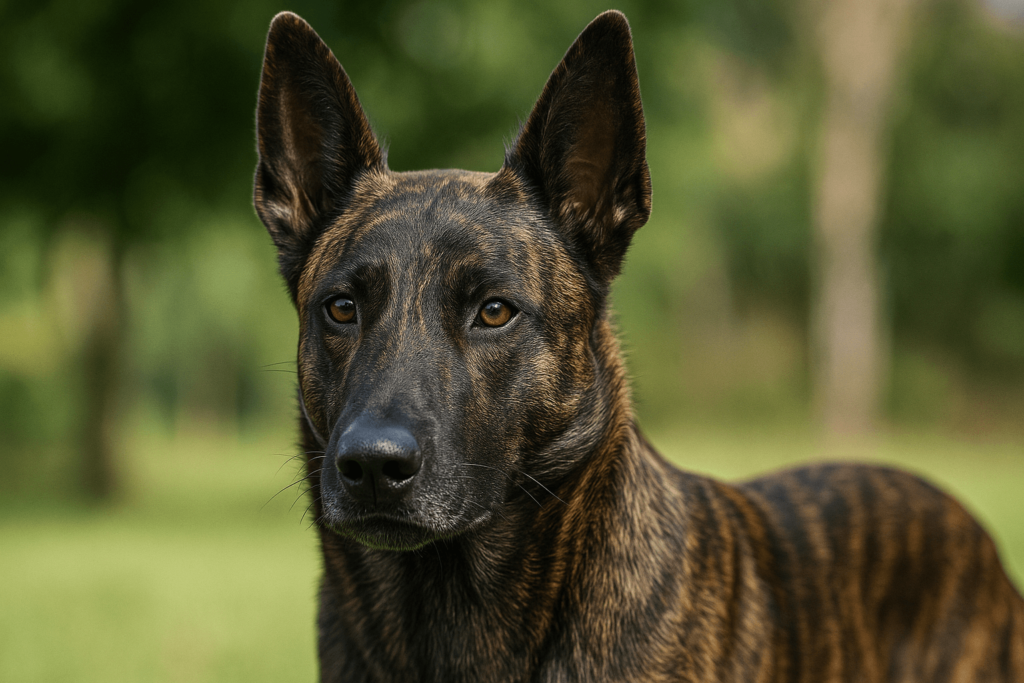
Distinctive Physical Traits of the Dutch Shepherd
The Dutch Shepherd commands attention with its athletic build, weather-resistant coat, and intense, intelligent expression. Every feature reflects its working heritage, from its agile frame to its resilient coat designed for all-season farm life.
- Muscular, Medium-Sized Frame
Standing 22–24.5 inches tall and weighing 50–70 pounds, the Dutch Shepherd is lean, powerful, and built for endurance and quick movement. - Unique Brindle Coat Only
Unlike other shepherds, the Dutch Shepherd comes exclusively in brindle—a tiger-striped pattern in shades of gold, silver, or brown over a black base—adding to its distinctive look. - Three Coat Types
The breed appears in short-haired, long-haired, and rough-haired varieties, all with a dense undercoat suited to harsh weather conditions. - Alert and Expressive Face
Almond-shaped eyes, upright ears, and a strong muzzle convey intelligence, focus, and readiness for action—never aggression or timidity. - Natural Tail and Athletic Posture
The tail is left intact and carried low with a slight curve; the overall posture is balanced, poised, and ready to spring into motion.
These traits aren’t merely aesthetic—they’re hallmarks of a dog built to work, think, and adapt in demanding environments.
Check this guide 👉What Is a White Swiss Shepherd Dog? Best 7 Expert Tips!
Check this guide 👉Shetland Shepherd Dog: Best 7 Expert Tips!
Check this guide 👉Akita Shepherd Dog: Best 7 Expert Tips!
Personality and Temperament: Smart, Steady, and Always On Duty
The Dutch Shepherd isn’t just smart—it’s strategically intelligent. Calm under pressure, observant by nature, and deeply bonded to its handler, this breed thrives in structured environments where it has a job to do. It’s not a dog that seeks constant attention, but one that stands by quietly, ready to act the moment it’s needed.
- Task-Oriented Mindset
Whether it’s herding sheep, searching for missing persons, or mastering obedience trials, the Dutch Shepherd approaches every challenge with focus and drive. - Deep Bond with Handler
This breed forms an intense, almost intuitive connection with its primary person, often reading cues without verbal commands. - Natural Caution with Strangers
Reserved around unfamiliar people, the Dutch Shepherd is watchful but not reactive—making it an excellent, discerning guardian. - Emotionally Stable and Confident
Bred for unpredictable farm life, it remains unflappable in new or stressful situations when properly socialized. - Not Overly Vocal
Unlike some watchdogs, the Dutch Shepherd barks purposefully—only when it sees a genuine reason to alert.
In the right hands, this temperament makes the Dutch Shepherd not just a companion, but a true working partner—calm, capable, and utterly reliable.
Training and Socialization Tips for Dutch Shepherd Owners
Training a Dutch Shepherd is a rewarding experience—but only if you respect its intelligence and independence. This breed responds to leadership, not dominance, and flourishes with clear communication, consistency, and purpose-driven methods.
- Begin Socialization Before 12 Weeks
Expose your puppy to diverse people, sounds, surfaces, and animals early to build confidence and prevent over-guarding tendencies. - Use Positive, Reward-Based Methods
Harsh corrections backfire; instead, use treats, praise, and play to motivate and reinforce desired behaviors. - Challenge the Mind Daily
Incorporate puzzle toys, scent work, or short obedience drills to satisfy its need for mental engagement. - Establish Clear Boundaries Early
This breed tests limits subtly—consistent rules from day one prevent future power struggles or selective listening. - Channel Instincts Constructively
Enroll in herding, tracking, or protection sports to give its natural drives a positive outlet.
With the right approach, your Dutch Shepherd will not only obey—it will anticipate, collaborate, and excel.
Grooming and Health Needs of the Dutch Shepherd
While not high-maintenance compared to fluffy show breeds, the Dutch Shepherd’s coat and robust frame still require attentive care to support long-term health and comfort.
- Coat Care Varies by Type
Short-haired dogs need weekly brushing; long and rough coats require 2–3 sessions per week to prevent mats, especially behind ears and legs. - Seasonal Shedding
Expect heavier shedding twice a year—daily brushing during these periods reduces airborne fur and keeps skin healthy. - Dental and Ear Hygiene
Brush teeth 2–3 times weekly and check ears weekly for wax or odor, especially in rough-coated types with more ear coverage. - Common Genetic Concerns
Reputable breeders screen for hip/elbow dysplasia, goniodysplasia (an eye condition), and allergies—ask for health clearances. - Lifespan and Preventive Care
With proper care, Dutch Shepherds live 12–15 years; annual vet visits, balanced nutrition, and joint supplements support longevity.
Proactive grooming and health management ensure your Dutch Shepherd stays as resilient on the inside as it appears on the outside.
Living with a Dutch Shepherd: Ideal Home and Lifestyle Fit
The Dutch Shepherd adapts surprisingly well to different living situations—but only if its physical and mental needs are met. This isn’t a dog that thrives on casual walks and couch time alone.
- Best for Active, Engaged Owners
Ideal owners are trainers, handlers, or outdoor enthusiasts who can provide structure, activity, and purpose daily. - Apartment Living? Possible—With Conditions
While they can live in apartments, they require extensive daily exercise and mental challenges to avoid restlessness or anxiety. - Thrives in Rural or Suburban Settings
A securely fenced yard and access to open space allow natural behaviors like patrolling, digging, and sprinting. - Good with Respectful Children
When raised together, they form strong bonds with kids—but their herding instinct may lead to nipping at running toddlers. - Not a “Free-Roaming” Dog
High prey drive and protective instincts mean off-leash freedom should only occur in secure areas.
This breed rewards commitment with unwavering loyalty—but it’s not a dog for the passive or unprepared owner.
Potential Challenges of Owning a Dutch Shepherd
The Dutch Shepherd’s strengths—intelligence, vigilance, drive—can become challenges without proper guidance. Understanding these traits upfront helps prevent frustration and fosters a stronger bond.
- Independent Thinker
It may choose not to obey if it deems a command unnecessary—training must emphasize trust, not just compliance. - Overprotective Tendencies
Without early socialization, its natural guarding instinct can escalate into suspicion or reactivity. - High Energy and Drive
Under-stimulated Dutch Shepherds may develop destructive habits like chewing, digging, or excessive barking. - Sensitivity to Harsh Treatment
Yelling or punishment damages trust; this breed shuts down or becomes evasive when handled roughly. - Rarity and Breeder Scarcity
Finding a reputable, health-tested breeder can take months or even years—patience and research are essential.
Acknowledging these realities isn’t discouragement—it’s preparation for a deeply rewarding partnership.
“The Dutch Shepherd is a lively, athletic, alert and intelligent breed, and has retained its herding instinct for which it was originally developed.” – American Kennel Club
Frequently Asked Questions About the Dutch Shepherd
Is the Dutch Shepherd a good family dog?
Yes—with proper training and socialization. They’re loyal and protective of family members but need guidance to interact gently with young children.
How does the Dutch Shepherd differ from the German Shepherd?
While both are intelligent herding breeds, the Dutch Shepherd is leaner, exclusively brindle, and bred more for versatility than standardized conformation. It’s also generally less prone to extreme hip issues.
Do Dutch Shepherds get along with other pets?
Often, if raised together. However, their strong prey drive may cause issues with small animals like cats or rabbits unless carefully managed.
Are Dutch Shepherds easy to train?
They’re highly trainable due to their intelligence—but not obedient by default. They require a confident, consistent handler who makes training meaningful.
Is the Dutch Shepherd hypoallergenic?
No. All coat types shed, especially during seasonal changes. Regular grooming helps manage loose fur but won’t eliminate allergens.
A Working Dog for the Modern World
The Dutch Shepherd may not be the most common dog at the park, but for those who understand its depth, it’s unmatched in loyalty, capability, and quiet devotion. More than a pet, it’s a partner—one that meets you at the gate after work, stands guard while you sleep, and rises to any challenge with grace and grit. In a world of fleeting trends, the Dutch Shepherd remains a timeless symbol of purpose, partnership, and unwavering heart. For the right owner, there’s simply no better match.

Is Rawhide Bad for Cats? Best 7 Expert Tips! – Discover the risks, safe alternatives, and expert advice to keep your feline friend healthy and happy.

Is Rawhide Bad for Dogs? Best 7 Expert Tips! – Discover the risks, benefits, and safer alternatives to rawhides for your dog’s chewing needs.

Understanding Anorexia in Cats: Best 7 Expert Tips! – Learn why cats stop eating, spot warning signs, and discover how to help your feline regain appetite safely.

Understanding Anorexia in Dogs: Best 7 Expert Tips! – Learn causes, symptoms, and solutions to help your dog regain appetite and stay healthy.