
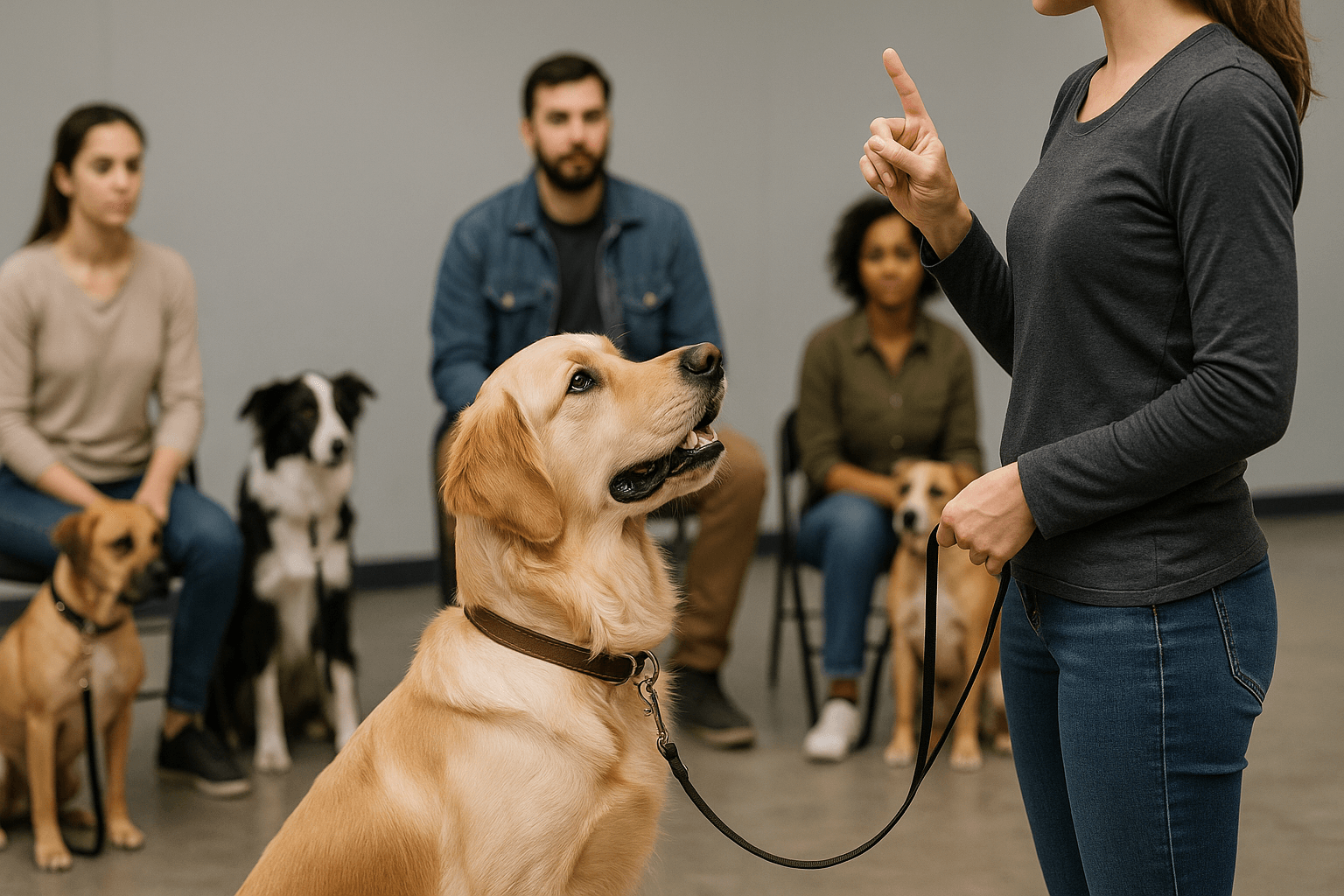
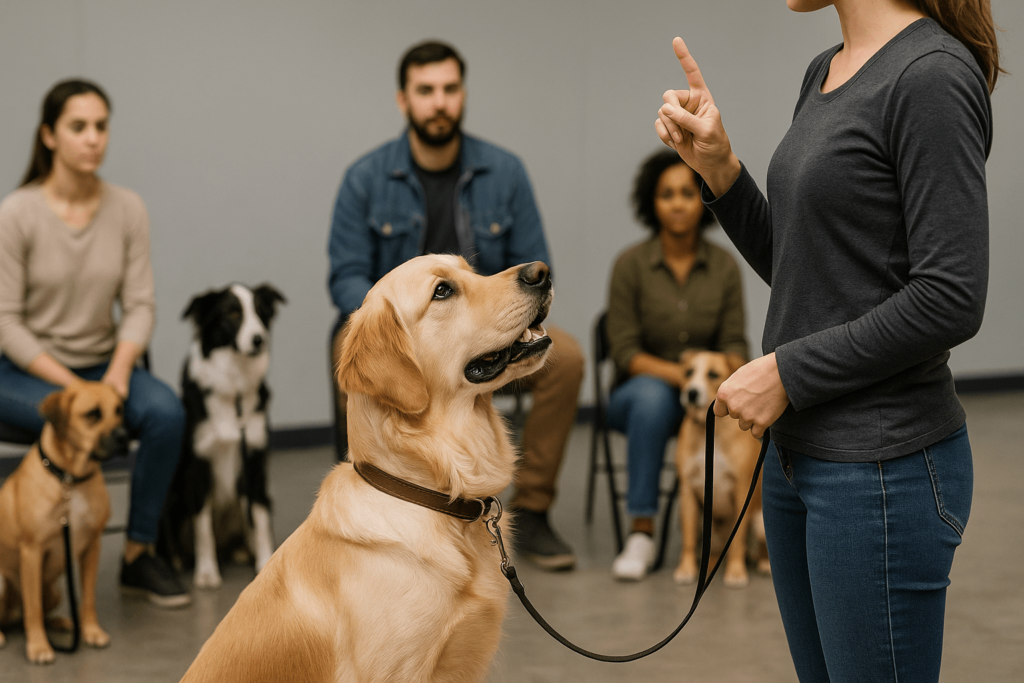

The Dog Obedience Class: Unlocking a Lifetime of Trust, Joy, and Good Manners
Enrolling in a dog obedience class isn’t just about teaching “sit” or “stay”—it’s the foundation of a joyful, respectful partnership between you and your dog. Whether you’ve just brought home a wriggly puppy or are navigating the quirks of an adult rescue, structured training builds confidence, strengthens communication, and prevents common behavioral frustrations. More than commands, obedience class offers socialization, mental stimulation, and a shared language that deepens your bond. With expert guidance and consistent practice, both you and your dog will enjoy greater freedom, safety, and connection in everyday life.
Why Enroll in a Dog Obedience Class?
Choosing a dog obedience class is one of the smartest investments you can make in your dog’s well-being—and your own peace of mind. Here’s what makes it so valuable:
- Professional Guidance from Certified Trainers
Instructors bring experience, objectivity, and proven methods that go beyond YouTube tutorials or guesswork. - Structured Learning Environment
Classes follow a curriculum that builds skills progressively, ensuring neither you nor your dog feels overwhelmed. - Real-World Distraction Practice
Training at home is quiet; class mimics parks, sidewalks, and vet waiting rooms—helping your dog focus amid chaos. - Early Problem Prevention
Addressing leash-pulling or jumping early stops small habits from becoming big issues later. - Community Support for Owners
You’ll meet fellow dog lovers, share tips, and realize you’re not alone in the training journey.
Obedience class isn’t a one-time fix—it’s the launchpad for a lifetime of smoother walks, calmer guests, and deeper trust.
What to Expect in a Typical Dog Obedience Class
First-time attendees often wonder what actually happens inside those training rooms. Most beginner classes blend foundational commands, handler education, and light socialization in a controlled, positive setting.
- Leash Manners and Heel Work
You’ll practice walking politely on a loose leash—no more being dragged down the sidewalk. - Core Commands (Sit, Down, Stay, Come)
These aren’t just tricks; they’re safety tools that keep your dog out of danger. - Impulse Control Exercises
Your dog learns to wait before eating, exiting doors, or greeting people—building patience and self-regulation. - Handler Communication Drills
Trainers teach you clear body language, consistent cues, and timing—because dogs read us more than we realize. - Controlled Socialization Opportunities
Brief, managed interactions with other dogs help build confidence without overstimulation.
By the end of a six-week course, you’ll both feel more coordinated, calm, and capable in daily life.
Check this guide 👉How to Keep a Dog Entertained: Best 7 Expert Tips!
Check this guide 👉How Much Play Time Does a Dog Need? Best 7 Expert Tips!
Check this guide 👉How to Teach Your Dog to Play Dead: Best 7 Expert Tips!
| Training Benefits for Your Dog | Training Benefits for You |
|---|---|
| Builds confidence through clear expectations | Reduces daily frustration and chaos |
| Improves focus despite distractions | Strengthens your leadership role |
| Prevents anxiety-driven behaviors | Makes vet visits and grooming easier |
| Enhances safety in public spaces | Boosts your confidence as a pet parent |
| Encourages mental engagement and calmness | Opens doors to dog-friendly activities |
Choosing the Right Obedience Class for Your Dog
Not all classes are created equal—and the best fit depends on your dog’s age, temperament, and learning style. Take time to research options that align with your goals and values.
- Puppy vs. Adult Classes
Puppy classes focus on socialization and gentle skill-building; adult classes address established habits or new foundations. - Class Size Matters
Smaller groups (6–8 dogs max) ensure personalized attention and reduce overstimulation. - Training Philosophy Alignment
Seek force-free, positive reinforcement methods—avoid trainers using choke chains, intimidation, or “alpha” tactics. - Instructor Credentials
Look for certifications from reputable organizations like CCPDT, KPA, or IAABC. - Location and Schedule Practicality
Consistency matters—choose a class you can attend reliably without excessive stress or travel.
The right class feels supportive, educational, and fun—not overwhelming or punitive.
Essential Gear to Bring to Your First Obedience Class
Showing up prepared sets you and your dog up for success from day one. Most trainers provide a list, but here’s what you’ll commonly need:
- Standard 4–6 Foot Leash (No Retractables!)
Gives you better control and clearer communication than a long, loose cord. - Flat or Martingale Collar or Well-Fitted Harness
Avoids throat strain and discourages pulling when used correctly. - High-Value Treats (Pea-Sized & Aromatic)
Think boiled chicken, cheese, or commercial soft treats—nothing dry or boring. - Treat Pouch or Accessible Pocket
Keeps rewards handy so you’re not fumbling in a bag during drills. - Water Bottle and Foldable Bowl
Training is mentally taxing—hydration helps your dog stay focused and calm.
Having the right tools removes distractions and lets you concentrate on learning together.
Common Mistakes New Obedience Students Make (And How to Avoid Them)
Even the most enthusiastic owners sometimes trip up in early training. Awareness helps you sidestep classic pitfalls.
- Inconsistent Cue Words or Timing
Saying “sit” one day and “sit down” the next confuses dogs—pick one cue and stick to it. - Overusing the Dog’s Name
If “Rex!” always precedes scolding or corrections, your dog may tune it out or feel anxious. - Expecting Perfection Too Soon
Obedience is a skill built over weeks—not mastered in one class. Celebrate small progress. - Ignoring Body Language Cues
Dogs communicate constantly through ears, tail, and posture—learn to read their signals. - Skipping Home Practice
One class a week isn’t enough. Just 5–10 minutes daily at home solidifies what you’ve learned.
Patience, clarity, and regular reinforcement turn frustration into forward momentum.
How to Practice Between Obedience Classes for Maximum Progress
Class provides the roadmap—but real learning happens in short, joyful sessions at home and in your neighborhood.
- Keep Sessions Short (3–5 Minutes)
Dogs learn best in brief bursts; end before frustration or boredom sets in. - Train in Low-Distraction Zones First
Master skills in your quiet living room before trying them at the dog park. - Integrate Commands into Daily Routines
Ask for a “sit” before meals, a “stay” before opening doors—make obedience part of life. - Use Real-Life Rewards
Let leash attachment, door opening, or toy access become rewards for good behavior. - Track Progress in a Simple Journal
Note what worked, what didn’t, and questions for your trainer—helps you stay focused.
Consistency outside class accelerates results and builds your dog’s reliability in real situations.
Long-Term Benefits of Completing an Obedience Course
The impact of a well-run obedience class extends far beyond six weeks—it shapes your dog’s entire life experience.
- Stronger Human-Animal Bond
Shared learning fosters mutual respect, trust, and emotional connection. - Greater Freedom and Access
A well-behaved dog is welcome more places—trails, pet-friendly cafes, friends’ homes. - Reduced Risk of Surrender or Rehoming
Behavioral issues are the top reason dogs enter shelters; obedience prevents many of them. - Enhanced Mental and Physical Health
Training provides cognitive stimulation that combats boredom and stress-related behaviors. - Foundation for Advanced Activities
Obedience skills open doors to agility, scent work, therapy work, or trick training.
Investing in obedience isn’t just about manners—it’s about giving your dog the tools to thrive in a human world.
“Before hiring a trainer or consultant, look at their resume and testimonials. Read about their ethics and methods. Find someone who focuses on positive training methods and does not attempt to confront or intimidate your pet.” — Ellen Lindell, VMD, DACVB
Frequently Asked Questions About Dog Obedience Classes
Is my dog too old for obedience class?
Absolutely not! Dogs of any age can learn new skills. Senior dogs may move slower, but they often focus better than puppies.
How soon after adoption should I start class?
For puppies, begin as early as 8–10 weeks (after initial vaccines). For adult rescues, wait 1–2 weeks to allow adjustment, then enroll.
Can I attend class if my dog is reactive or fearful?
Standard group classes may overwhelm reactive dogs. Look for private lessons or specialized “reactivity rehab” programs instead.
What if I miss a class session?
Most trainers offer handouts or quick recaps. Avoid skipping multiple weeks—consistency is key to progress.
Do I need to continue training after the course ends?
Yes—think of class as “Dog Kindergarten.” Ongoing practice, occasional brush-up sessions, or advanced classes keep skills sharp.
A Journey Worth Taking Together
Enrolling in a dog obedience class is more than a checklist item—it’s an act of love, responsibility, and partnership. Through clear communication, mutual respect, and shared effort, you’re not just teaching commands; you’re building a language that lets your dog feel safe, understood, and included in your world. The patience you invest today pays dividends for years: calmer walks, fewer accidents, joyful interactions, and a companion who trusts you completely. Whether your dog is six weeks or six years old, the classroom door is always open—and on the other side lies a happier life for you both.
Is Rawhide Bad for Cats? Best 7 Expert Tips! – Discover the risks, safe alternatives, and expert advice to keep your feline friend healthy and happy.

Is Rawhide Bad for Dogs? Best 7 Expert Tips! – Discover the risks, benefits, and safer alternatives to rawhides for your dog’s chewing needs.

Understanding Anorexia in Cats: Best 7 Expert Tips! – Learn why cats stop eating, spot warning signs, and discover how to help your feline regain appetite safely.

Understanding Anorexia in Dogs: Best 7 Expert Tips! – Learn causes, symptoms, and solutions to help your dog regain appetite and stay healthy.