
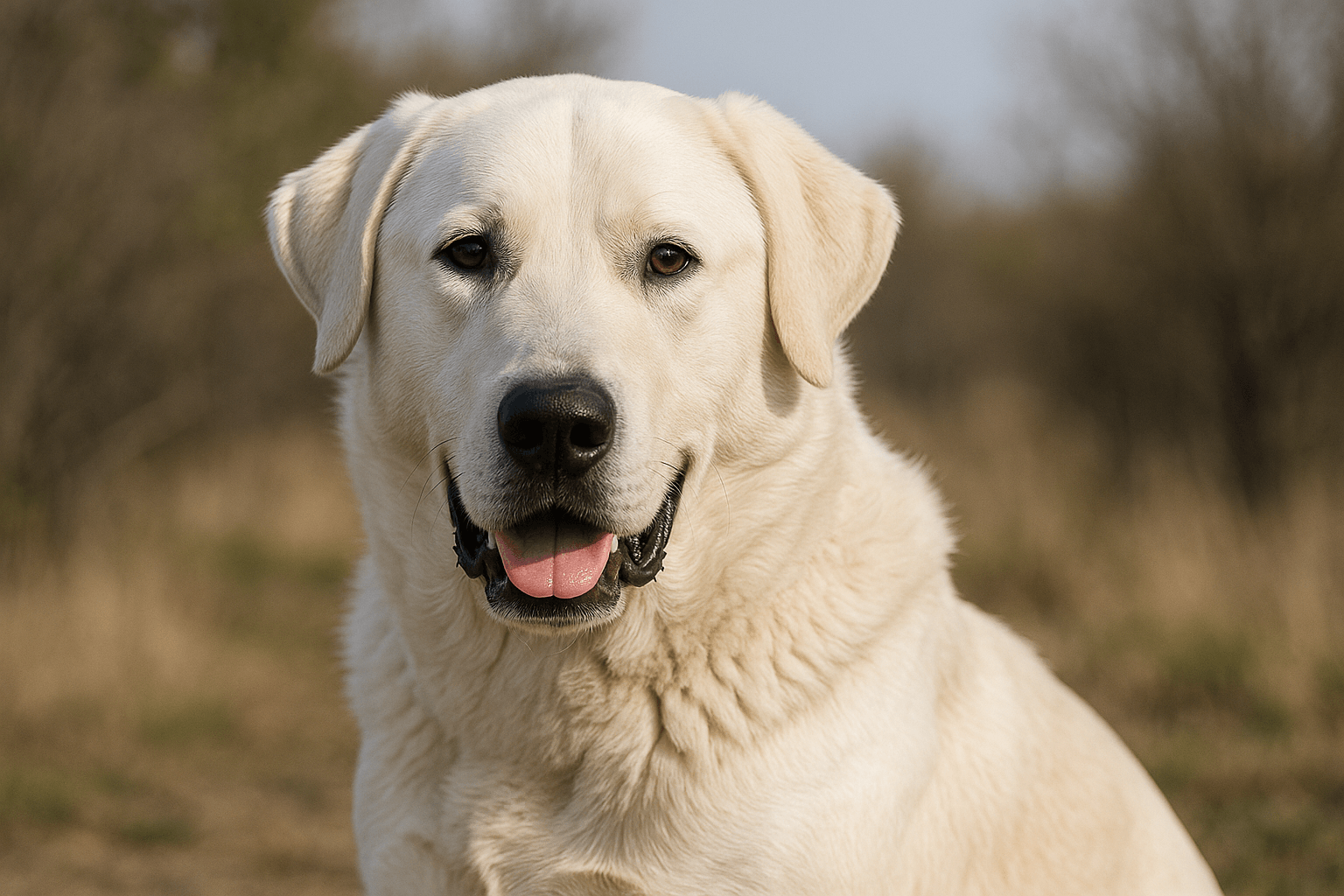
The Akbash Dog: A Noble Guardian with Snow-White Loyalty
Majestic, intelligent, and fiercely protective, the Akbash Dog stands as a living emblem of ancient pastoral traditions. Bred for centuries in the rugged landscapes of Turkey, this large white livestock guardian combines calm vigilance with deep devotion to its family. With its striking coat and independent mind, the Akbash is not a casual pet—but a purpose-driven companion for those who understand its heritage. If you seek a dog of quiet strength, unwavering loyalty, and gentle dignity, the Akbash may be your ideal guardian.
Origins and History of the Akbash Dog
The Akbash is far more than a beautiful white dog—it’s a time-tested protector with roots stretching back over 2,000 years in Anatolia. Developed by Turkish shepherds, this breed was shaped by necessity, terrain, and the constant threat of predators.
- Ancient Livestock Guardian:
The Akbash was bred specifically to defend sheep and goats from wolves, bears, and jackals across the mountainous regions of western Turkey. - Name Meaning “White Head”:
“Akbash” comes from the Turkish words ak (white) and baş (head), reflecting its pure white coat—a trait that helped shepherds distinguish it from predators at night. - Dual-Purpose Lineages:
Historically, two types existed: a leaner, faster type for chasing threats, and a heavier, more imposing type for standing ground—modern Akbash dogs often blend both traits. - Rare Outside Turkey Until Recently:
Though ancient in origin, the breed only gained international attention in the 1970s when American researchers began studying Turkish livestock guardians. - Recognized but Still Uncommon:
The United Kennel Club recognizes the Akbash, but it remains rare globally, cherished by those who value working integrity over show trends.
This breed’s history isn’t written in kennel club records alone—it’s etched in the survival of flocks and the trust of generations of shepherds.
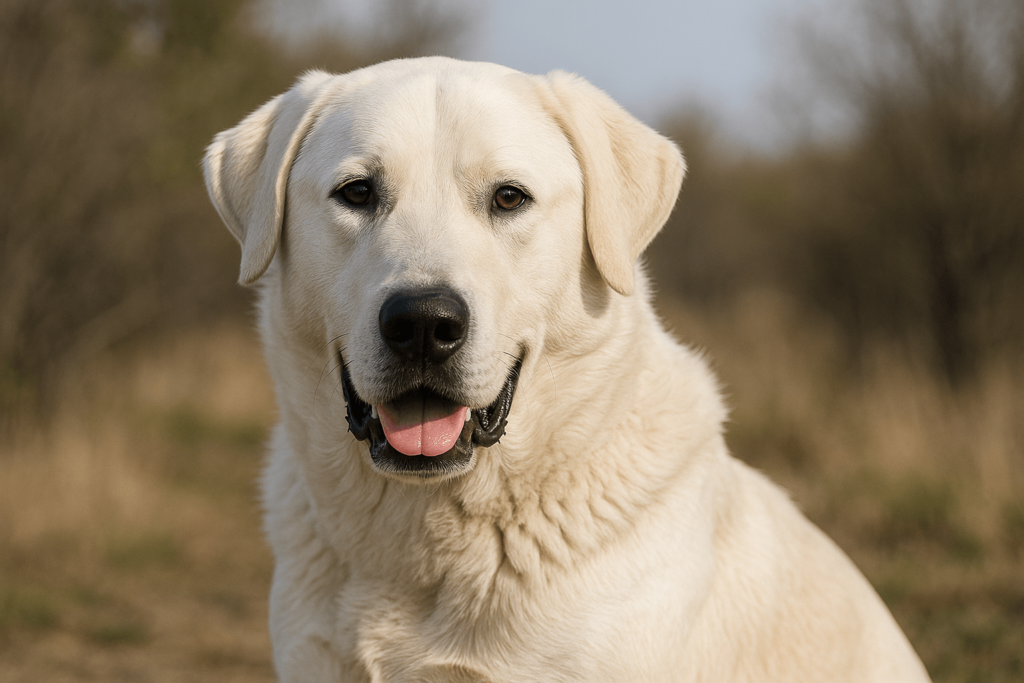
Distinctive Physical Traits of the Akbash Dog
Towering yet elegant, the Akbash commands attention with its snowy coat, almond-shaped eyes, and poised stance. Every feature serves a purpose honed by centuries of guarding in harsh conditions.
- Large, Muscular Frame:
Males stand 28–34 inches tall and weigh 90–140 pounds; females are slightly smaller but equally powerful—built for endurance, not speed alone. - Pure White, Double Coat:
The weather-resistant double coat ranges from medium to long, offering insulation against both summer heat and winter cold. - Almond-Shaped, Dark Eyes:
Their expressive eyes convey alertness without aggression, often rimmed with subtle pigment that enhances their keen vision. - Slightly Curved Tail and V-Shaped Ears:
The tail hangs low but lifts when alert; ears are medium-sized, set high, and fold forward in a gentle V—never cropped or altered. - Graceful, Efficient Movement:
Despite their size, Akbash dogs move with surprising lightness and balance, ideal for patrolling vast pastures without tiring.
These physical hallmarks aren’t just aesthetic—they’re the result of survival-driven evolution, making the Akbash both beautiful and battle-ready.
Check this guide 👉Livestock Guardian Dog: Best 7 Training Tips for Success!
Check this guide 👉The Romanian Carpathian Shepherd Dog: Best 7 Expert Tips!
Check this guide 👉Caucasian Shepherd Dog Lifespan: Best 7 Expert Tips!
| Temperament Highlights | Care Considerations |
|---|---|
| Calm, observant, and independent | Needs large, securely fenced yard—never off-leash in unsecured areas |
| Deeply loyal to family and flock | Weekly brushing; seasonal shedding can be heavy |
| Reserved with strangers—never overly friendly | Sensitive to heat—requires shade and fresh water in summer |
| Low play drive but high protective instinct | Needs early socialization to prevent over-guarding |
| Quiet unless a threat is detected | Prone to bloat—feed smaller meals, avoid exercise after eating |
Personality and Temperament: Calm, Watchful, and Deeply Devoted
Unlike many breeds bred for companionship, the Akbash was shaped by solitude and responsibility. It doesn’t seek constant attention—but when it bonds, its loyalty is absolute. This is a dog that watches, listens, and acts only when necessary.
- Natural Guardian Instinct:
From puppyhood, Akbash dogs assess their environment critically, instinctively positioning themselves between their charges and potential threats. - Gentle with Trusted Family:
With those it knows well, the Akbash is calm, affectionate, and even playful—though never clingy or needy. - Reserved Around Strangers:
It doesn’t greet visitors with wagging enthusiasm; instead, it observes silently, ready to intervene if needed. - Independent Decision-Maker:
Bred to work without human direction, it may ignore commands if it perceives a higher priority—respect, not obedience, guides its actions. - Low Tolerance for Chaos:
Loud households, erratic routines, or frequent guests can stress this thoughtful breed, which thrives on predictability.
In the right setting, the Akbash isn’t just a watchdog—it’s a silent sentinel whose presence alone deters danger.
Training and Socialization Needs for Akbash Owners
Training an Akbash requires patience, mutual respect, and an understanding that this isn’t a dog eager to please—it’s a dog that must choose to cooperate. Harsh methods backfire; consistency and calm leadership earn trust.
- Start Socialization Before 12 Weeks:
Expose your puppy to diverse people, animals, sounds, and surfaces to build confidence and prevent fear-based aggression. - Use Positive, Low-Pressure Techniques:
Food rewards, quiet praise, and routine work better than corrections—this breed shuts down under yelling or force. - Focus on Recall and Boundary Training:
Because of its roaming instincts, reliable off-leash control is unlikely; instead, reinforce strong fence respect and “stay” cues. - Avoid Repetitive Obedience Drills:
The Akbash quickly masters commands but loses interest in endless repetition—keep sessions short and purposeful. - Teach “Quiet” on Command Early:
While not a barker by nature, it will alert to real threats; teaching control prevents nuisance barking in suburban settings.
Success with this breed comes not from dominance, but from earning its quiet respect as a fair and steady leader.
Grooming and Health Considerations for the Akbash
Despite its long coat, the Akbash is relatively low-maintenance—but neglect can lead to matting, skin issues, or heat stress. Its large size also brings specific health vulnerabilities that proactive care can mitigate.
- Coat Care Basics:
Brush once a week year-round; increase to 2–3 times during seasonal sheds (spring and fall) to manage loose undercoat. - Bathing Only When Necessary:
Their coat is naturally dirt-resistant; over-bathing strips oils and can cause dry skin—bathe only every 2–3 months or after mud exposure. - Dental and Nail Maintenance:
Check teeth weekly; trim nails every 3–4 weeks to prevent joint strain from overgrowth. - Common Genetic Concerns:
Hip and elbow dysplasia, hypothyroidism, and bloat (GDV) are risks—choose breeders who perform OFA or PennHIP certifications. - Lifespan and Preventive Care:
With proper diet and vet oversight, Akbash dogs live 10–12 years; annual wellness checks are essential for early issue detection.
Grooming and health care aren’t chores—they’re acts of partnership with a dog that gives its whole life to protect yours.
Ideal Living Environment for the Akbash Dog
This breed thrives in rural or semi-rural settings with space, structure, and a clear role. It’s ill-suited for apartments, busy households, or owners seeking a “social” dog—its needs are specific but deeply rewarding when met.
- Rural or Suburban Homesteads Preferred:
A home with acreage, livestock, or large fenced yards allows the Akbash to fulfill its natural instincts safely. - Not Suited for Small Spaces:
Even with walks, apartment living causes stress and boredom, potentially leading to digging, barking, or escape attempts. - Climate Sensitivity:
While cold-tolerant, the Akbash overheats easily—never leave it outside in high heat without shade, breeze, and water. - Best as an Only Dog or with Calm Companions:
It can coexist with other dogs if raised together, but may dominate or challenge assertive breeds. - Needs a Job or Purpose:
Whether guarding goats, patrolling property, or participating in cart-pulling, the Akbash needs mental engagement tied to responsibility.
Without the right environment, this noble breed becomes anxious; with it, the Akbash flourishes as a serene, steadfast guardian.
Potential Challenges of Owning an Akbash
The Akbash is not a “starter” dog. Its size, independence, and protective drive demand experienced, committed ownership. Those unprepared may find its traits overwhelming—but those who understand them find a lifelong ally.
- Strong-Willed and Selective Listener:
It will obey only if it trusts you and sees the logic—training requires patience, not force. - High Escape Risk if Bored:
A bored Akbash can dig under or jump over fences; secure, tall enclosures (6+ feet) with dig barriers are essential. - Not Naturally Dog-Park Friendly:
Its guarding instinct may trigger aggression toward unfamiliar dogs, especially in “territory” like backyards. - Slow to Warm to New People:
Guests may be met with silent observation, not wagging—early exposure helps, but aloofness is part of the breed. - Heavy Shedding Twice a Year:
While not high-maintenance daily, seasonal “blowouts” require daily brushing to manage loose fur indoors.
These challenges aren’t flaws—they’re reflections of a breed built for a serious job. Respect them, and you’ll earn a guardian of unmatched devotion.
They require early and consistent training and socialization to become well-rounded pets.” — Dr. Nita Vasudevan
Frequently Asked Questions About the Akbash Dog
Is the Akbash Dog good with children?
Yes—with proper socialization and supervision. It’s gentle with familiar kids but may be aloof or protective with strangers’ children.
Do Akbash dogs bark a lot?
No. They bark only when necessary—typically to alert of intruders, wildlife, or unusual activity. They’re among the quietest guardian breeds.
How much exercise does an Akbash need?
Moderate. Two 30-minute walks plus yard time suffice. They’re not hyperactive but need space to roam and patrol.
Are Akbash dogs hypoallergenic?
No. They shed moderately year-round and heavily twice a year. Not recommended for allergy sufferers.
Can an Akbash live in the city?
Rarely. Their size, guarding instincts, and need for space make urban living stressful for both dog and owner. Rural settings are ideal.
A Guardian’s Grace in a Snow-White Frame
The Akbash Dog is more than a pet—it’s a legacy of loyalty, honed over millennia to protect, observe, and stand firm. It won’t fetch your slippers or perform tricks on command, but it will watch over your home, your family, and your peace with unwavering dedication. For those who appreciate quiet strength over flashy charm, the Akbash offers a partnership rooted in trust, duty, and deep, silent love. In a world of noise, this noble white guardian remains a steady, calming presence—proof that true protection often walks on silent paws.

Is Rawhide Bad for Cats? Best 7 Expert Tips! – Discover the risks, safe alternatives, and expert advice to keep your feline friend healthy and happy.

Is Rawhide Bad for Dogs? Best 7 Expert Tips! – Discover the risks, benefits, and safer alternatives to rawhides for your dog’s chewing needs.

Understanding Anorexia in Cats: Best 7 Expert Tips! – Learn why cats stop eating, spot warning signs, and discover how to help your feline regain appetite safely.

Understanding Anorexia in Dogs: Best 7 Expert Tips! – Learn causes, symptoms, and solutions to help your dog regain appetite and stay healthy.