
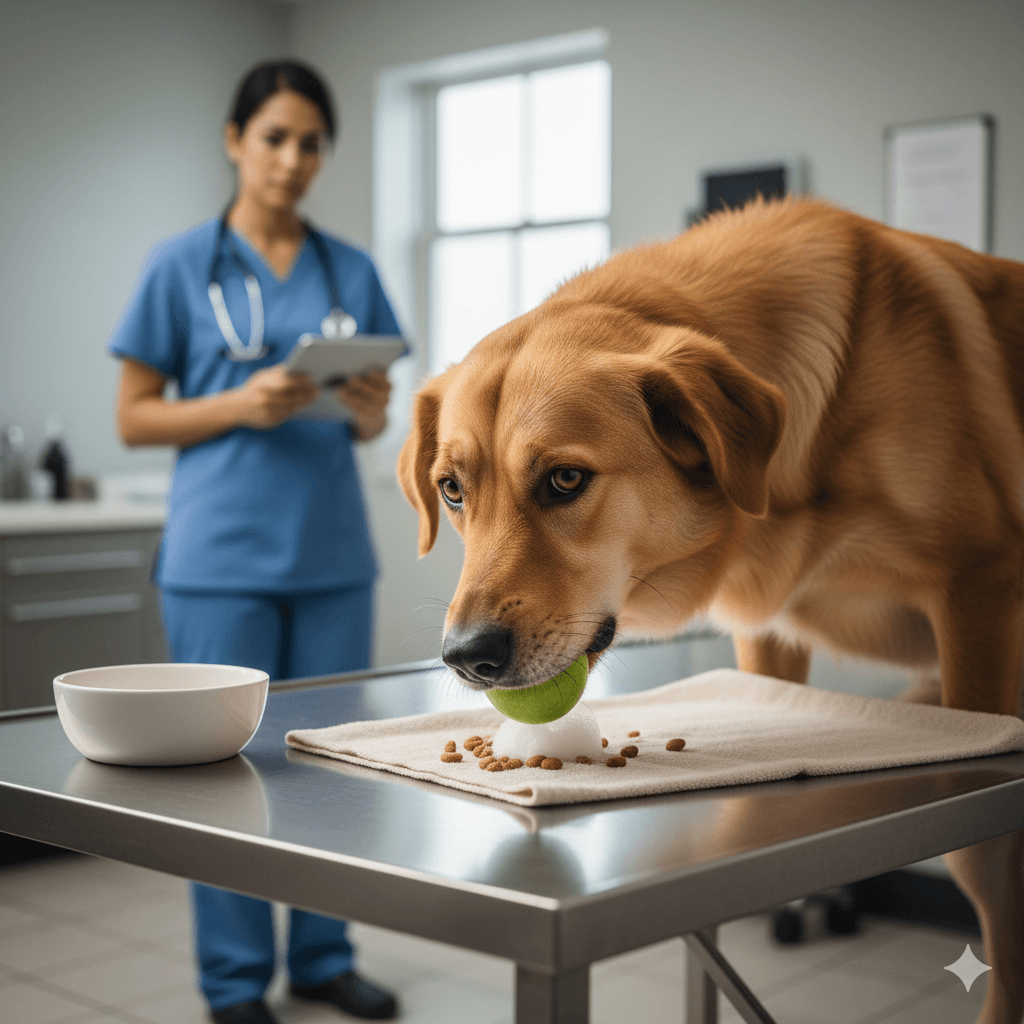

Signs of Esophageal Problems in Dogs: Best 7 Expert Tips!

Signs of Esophageal Problems in Dogs: Best 7 Expert Tips!

Understanding Signs of Esophageal Problems in Dogs

If your dog suddenly struggles to swallow, gags after eating, or regurgitates food hours later, they may be showing signs of an esophageal issue. Unlike vomiting, regurgitation is passive and often points to a problem in the esophagus—the muscular tube connecting the throat to the stomach. These conditions can range from mild inflammation to serious structural disorders like megaesophagus. Early recognition is vital, as untreated esophageal problems can lead to malnutrition, aspiration pneumonia, or chronic discomfort. With careful observation and prompt care, many dogs respond well to treatment and enjoy a good quality of life.

Common Clinical Signs of Esophageal Dysfunction

Esophageal issues in dogs often present with distinct symptoms centered around swallowing and food transit. Because the esophagus has no pain receptors, dogs rarely cry out—but their behavior speaks volumes. Watch for these telltale clues:

 
  • Regurgitation (Not Vomiting):
    Regurgitation is effortless and may include undigested food, water, or mucus, often occurring minutes to hours after eating—unlike vomiting, which involves abdominal contractions.
     
  • Repeated Swallowing or Gagging:
    Your dog may gulp repeatedly, stretch their neck, or paw at their mouth after meals in an attempt to clear a perceived blockage.
     
  • Reluctance to Eat or Drink:
    Dogs with esophageal pain or discomfort may approach the bowl cautiously, take small bites, or walk away mid-meal to avoid triggering distress.
     
  • Weight Loss Despite Normal Appetite:
    If food isn’t reaching the stomach due to poor motility or obstruction, your dog may lose weight even if they appear hungry.
     
  • Excessive Drooling or Salivation:
    Saliva may pool and drip from the mouth, especially after attempting to swallow, due to delayed esophageal emptying or irritation.
 

These signs should never be dismissed as “picky eating”—they often signal a mechanical or neurological issue requiring veterinary evaluation.

Signs of Esophageal Problems in Dogs: Best 7 Expert Tips!

When to Suspect a Serious Esophageal Disorder

While occasional regurgitation might be benign, certain patterns or combinations of symptoms suggest underlying disease. Identifying red flags early can prevent life-threatening complications like aspiration pneumonia:

 
  • Regurgitation with Clear Mucus or Foam:
    This often indicates esophageal stasis or inflammation, especially if it happens consistently after water intake.
     
  • Coughing or Wheezing After Eating:
    Food or liquid entering the airway due to poor esophageal function can cause respiratory distress—a major risk for pneumonia.
     
  • Nasal Discharge or Sneezing After Meals:
    In rare cases like esophageal perforation or fistulas, food may travel abnormally into the nasal passages.
     
  • Lethargy or Fever Alongside Swallowing Issues:
    These systemic signs may signal infection, foreign body perforation, or secondary pneumonia.
     
  • History of Choking or Foreign Body Ingestion:
    Dogs who’ve swallowed bones, toys, or sticks are at higher risk for strictures, ulcers, or partial obstructions.
 

Any of these warrant immediate veterinary attention—delaying care can turn a manageable issue into an emergency.

Early Warning Signs
Conditions That May Develop
Occasional regurgitation
Megaesophagus (dilated, non-functional esophagus)
Mild gagging after meals
Esophagitis (inflammation from acid or foreign bodies)
Slight hesitation to eat
Esophageal stricture (narrowing from scarring)
Occasional drooling
Vascular ring anomaly (congenital defect in puppies)
Coughing post-meal
Aspiration pneumonia (life-threatening lung infection)

Underlying Causes of Esophageal Issues in Dogs

Esophageal problems stem from structural, neurological, or acquired factors. Understanding potential causes helps guide diagnosis and prevention:

 
  • Megaesophagus:
    A condition where the esophagus loses muscle tone and dilates, preventing food from moving to the stomach—can be congenital or acquired.
     
  • Foreign Body Obstruction:
    Bones, rawhides, or toys can lodge in the esophagus, causing irritation, ulceration, or complete blockage.
     
  • Gastroesophageal Reflux:
    Stomach acid flowing backward during anesthesia or illness can burn the esophageal lining, leading to pain and scarring.
     
  • Neurological Disorders:
    Conditions like myasthenia gravis or hypothyroidism can impair nerve signals needed for coordinated swallowing.
     
  • Trauma or Iatrogenic Injury:
    Esophageal damage can occur during intubation, endoscopy, or force-feeding if not performed carefully.
 

Pinpointing the root cause often requires imaging or endoscopy—but knowing possible triggers helps you provide a clearer history to your vet.

Diagnostic Steps Your Veterinarian May Take

If esophageal disease is suspected, your vet will move beyond basic exams to visualize and assess function:

 
  • Thoracic X-rays (With or Without Contrast):
    Barium swallow studies highlight swallowing motion, dilation, or obstructions in real time.
     
  • Fluoroscopy:
    A live video X-ray that captures the esophagus in action—ideal for diagnosing motility disorders like megaesophagus.
     
  • Endoscopy:
    A small camera is passed down the esophagus to check for ulcers, strictures, foreign bodies, or tumors.
     
  • Blood Work and Neurological Tests:
    To rule out systemic diseases like myasthenia gravis or Addison’s that can secondarily affect esophageal function.
     
  • Ultrasound or CT Scan (If Needed):
    Used in complex cases to evaluate surrounding structures or detect masses compressing the esophagus.
 

Accurate diagnosis is the foundation of effective treatment—never skip these steps in pursuit of quick fixes.

At-Home Management Strategies for Mild or Chronic Cases

For diagnosed conditions like stable megaesophagus, home care plays a crucial role in preventing complications:

 
  • Elevated Feeding (Bailey Chair or Upright Position):
    Feed your dog upright and keep them vertical for 10–15 minutes after meals to use gravity for food transit.
     
  • Modified Diet Consistency:
    Blend food into a slurry or use meatballs that are easier to swallow—avoid dry kibble or crumbly textures.
     
  • Small, Frequent Meals:
    Reduce volume per meal to prevent esophageal overload and regurgitation.
     
  • Hydration via Gel or Ice Slurries:
    Water can be hard to retain; offer thickened broths or ice chips to minimize aspiration risk.
     
  • Quiet, Stress-Free Eating Environment:
    Rushing or excitement during meals can worsen swallowing coordination—create a calm routine.
 

Consistency in these practices dramatically improves comfort and reduces emergency visits over time.

Preventive Measures to Protect Your Dog’s Esophageal Health

While not all causes are preventable, smart habits lower the risk of injury or inflammation:

 
  • Supervise Chewing and Play:
    Avoid hard bones, rawhides, or toys that can splinter or swell in the esophagus.
     
  • Never Force Pills or Food:
    If giving medication, use pill pockets or liquid forms; never shove pills down the throat dry.
     
  • Monitor During and After Anesthesia:
    Discuss esophageal protection protocols with your vet if your dog needs surgery.
     
  • Address Reflux Early:
    If your dog has frequent vomiting or acid reflux, ask about stomach-protectant medications.
     
  • Know Breed Predispositions:
    Breeds like German Shepherds, Wire Fox Terriers, and Miniature Schnauzers are more prone to megaesophagus—screen early.
 

Prevention isn’t foolproof, but it significantly reduces avoidable esophageal trauma.

Special Considerations for Puppies and Senior Dogs

Age influences both risk and recovery. Puppies may have congenital defects, while seniors face degeneration or secondary diseases:

 
  • Puppies with Congenital Megaesophagus:
    Often diagnosed by 6 months; some outgrow it, while others need lifelong management—early nutrition support is critical.
     
  • Senior Dogs and Neuromuscular Decline:
    Age-related nerve or muscle weakening can mimic or worsen esophageal motility issues.
     
  • Higher Aspiration Risk in Older Dogs:
    Weaker cough reflexes mean inhaled food is less likely to be cleared—vigilance is key.
     
  • Medication Side Effects:
    Some drugs used in seniors (e.g., NSAIDs, sedatives) can contribute to esophagitis or reduced motility.
     
  • Slower Healing in Aged Tissue:
    Esophageal ulcers or strictures may take longer to resolve, requiring extended care plans.
 

Tailored approaches based on life stage lead to better outcomes and comfort.

“Signs of problems with the esophagus include difficulty swallowing and regurgitation (return of food or liquid before it has reached the stomach). Regurgitation is effortless and has few warning signs, in contrast to vomiting which is an active process preceded by signs of nausea.”

Patricia Walters, VMD, DACVIM, DACVECC

Frequently Asked Questions About Signs of Esophageal Problems in Dogs

What’s the difference between vomiting and regurgitation?

Vomiting involves abdominal heaving and partially digested food, while regurgitation is passive, effortless, and brings up undigested food or water.

Some causes (like foreign bodies) are curable with removal; others (like megaesophagus) require lifelong management but not necessarily poor quality of life.

Not always—with careful feeding and aspiration prevention, many dogs live for years. However, complications like pneumonia can be life-threatening.

No—elevated feeding is only recommended for diagnosed esophageal disorders. For healthy dogs, ground-level bowls are safer and more natural.

It can occur within hours of a regurgitation episode, especially if the dog is lying down. Watch closely for coughing, lethargy, or breathing changes.

Supporting Your Dog Through Esophageal Challenges

Seeing your dog struggle to swallow or lose weight from a condition they can’t explain is deeply unsettling—but your calm, consistent care makes all the difference. Esophageal problems may alter how you feed or play, but they don’t have to diminish the bond you share. With early detection, smart adaptations, and partnership with your veterinary team, your dog can still thrive. Remember: every upright meal, every gentle encouragement, and every moment of patience is an act of love. In the quiet strength of your daily routine, you give your dog not just nourishment—but dignity, safety, and unwavering trust.

Is Rawhide Bad for Cats? Best 7 Expert Tips!

Is Rawhide Bad for Cats? Best 7 Expert Tips! – Discover the risks, safe alternatives, and expert advice to keep your feline friend healthy and happy.

Is Rawhide Bad for Dogs? Best 7 Expert Tips!

Is Rawhide Bad for Dogs? Best 7 Expert Tips! – Discover the risks, benefits, and safer alternatives to rawhides for your dog’s chewing needs.

Understanding Anorexia in Cats: Best 7 Expert Tips!

Understanding Anorexia in Cats: Best 7 Expert Tips! – Learn why cats stop eating, spot warning signs, and discover how to help your feline regain appetite safely.

Understanding Anorexia in Dogs: Best 7 Expert Tips!

Understanding Anorexia in Dogs: Best 7 Expert Tips! – Learn causes, symptoms, and solutions to help your dog regain appetite and stay healthy.

Leave a Reply

Your email address will not be published. Required fields are marked *