
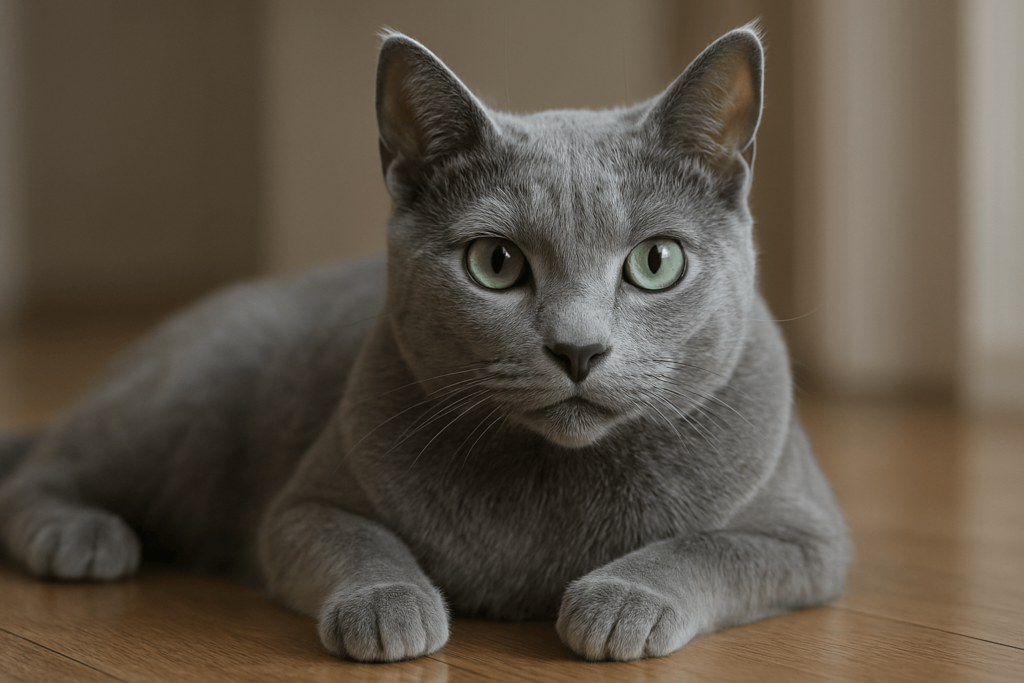

Russian Blue Cat Lifespan: How Long Do These Elegant Felines Live?
The Russian Blue is more than just a cat with a shimmering coat and emerald eyes — it’s a living work of elegance, intelligence, and quiet devotion. Known for their reserved nature and silky, blue-gray fur, these felines have captured hearts worldwide. But for prospective owners and current caretakers alike, one question stands out: How long can a Russian Blue cat live? The answer isn’t just a number — it’s a reflection of genetics, care, and the deep bond you build with your feline companion. In this guide, we uncover the truth behind Russian Blue cat lifespan, what influences it, and how you can help your cat thrive for decades.
Why Russian Blue Cats Are Among the Longest-Lived Breeds
Russian Blues aren’t just beautiful — they’re remarkably resilient. Their longevity isn’t accidental; it’s the result of strong genetics, low predisposition to hereditary disease, and a naturally healthy constitution. Here’s why this breed consistently outlives many others:
Robust Genetic Foundation:
Russian Blues are one of the few naturally occurring breeds with minimal inbreeding, preserving genetic diversity and reducing inherited health risks.Low Susceptibility to Common Feline Diseases:
Unlike some pedigree cats, they rarely suffer from hypertrophic cardiomyopathy or polycystic kidney disease.Strong Immune System:
Their natural resilience helps them fight off infections and recover more quickly from minor illnesses.Stable Temperament Reduces Stress:
Their calm, predictable nature lowers chronic stress levels — a major contributor to early aging in cats.Ideal Body Structure:
Their lean, muscular build avoids the obesity-related complications common in more sedentary breeds.
This combination makes the Russian Blue one of the most dependable long-term companions you can welcome into your home. With proper care, they don’t just survive — they flourish.
Key Factors That Extend a Russian Blue Cat’s Lifespan
A Russian Blue’s potential lifespan can stretch well beyond 15 years — even reaching 20 or more. But this outcome isn’t guaranteed. It’s shaped daily by the choices you make. Here’s what truly makes the difference:
High-Quality Diet:
A nutritionally complete, meat-based diet rich in taurine and omega-3s supports heart, vision, and coat health — critical for longevity.Regular Veterinary Check-Ups:
Annual exams catch early signs of dental disease, kidney issues, or hyperthyroidism before they become serious.Indoor Living:
Keeping your Russian Blue indoors protects them from traffic, predators, toxins, and infectious diseases.Mental Stimulation:
Puzzle feeders, interactive toys, and window perches prevent boredom — a silent killer of feline well-being.Consistent Routine:
Russian Blues thrive on predictability. Stable feeding, play, and sleep times reduce anxiety and promote emotional health.
When you treat your Russian Blue not as a pet, but as a valued member of your family — their body responds with decades of quiet loyalty.
Check this guide 👉Understanding Russian Blue Cat Behavior: Best 7 Expert Tips!
Check this guide 👉Russian Blue vs Grey Cat: Best 7 Expert Tips!
Check this guide 👉Russian Blue Tuxedo Cat: Best 7 Expert Tips!
| Lifespan Influencers | Impact on Longevity |
|---|---|
| Diet Quality | High-protein, low-carb diets prevent diabetes and obesity — major lifespan reducers. |
| Indoor Environment | Indoor cats live 3–5 times longer than outdoor cats due to reduced trauma and exposure. |
| Dental Care | Untreated gum disease can lead to heart and kidney failure — a leading cause of early death. |
| Spaying/Neutering | Reduces risk of reproductive cancers and eliminates stress from mating behaviors. |
| Daily Interaction | Emotional bonding lowers cortisol levels, improving immune function and overall vitality. |
Common Health Issues That Can Affect Russian Blue Cats
While Russian Blues are generally healthy, no breed is immune to all illness. Being aware of potential risks lets you act early and effectively.
Dental Disease:
Tartar buildup and gingivitis are common after age 5. Brushing teeth 2–3x weekly prevents painful infections.Obesity:
Even active Russian Blues can gain weight if overfed. Measure portions and avoid free-feeding dry food.Hyperthyroidism:
More common in cats over 10, this condition causes weight loss, increased appetite, and restlessness. Easily treatable if caught early.Heart Conditions:
Though rare, hypertrophic cardiomyopathy can occur. Regular vet ultrasounds are recommended after age 7.Urinary Tract Issues:
Stress or poor hydration can trigger FLUTD. Always provide fresh water and wet food to dilute urine.
Knowledge is your best defense. Don’t wait for symptoms — schedule preventive screenings and stay informed.
The Role of Nutrition in Maximizing Russian Blue Cat Lifespan
Food isn’t just fuel — it’s medicine. The right diet directly influences how long and how well your Russian Blue lives.
Prioritize Animal Protein:
The first three ingredients should be named meats like chicken, turkey, or fish — never “meat by-products” or grains.Avoid Fillers and Artificial Additives:
Corn, soy, wheat, and artificial colors offer no nutritional value and may trigger allergies or inflammation.Moisture Is Non-Negotiable:
Feed at least 50% wet food. Russian Blues are prone to low water intake — wet food prevents urinary and kidney strain.Taurine Is Essential:
This amino acid supports heart and eye health. Always confirm your food contains adequate levels.Portion Control Prevents Obesity:
Most adult Russian Blues need only 200–250 kcal per day. Use a scale, not a scoop.
A cat fed premium, species-appropriate food doesn’t just live longer — they move with more grace, sleep more soundly, and glow with vitality.
How to Create a Stress-Free Environment for Your Russian Blue
Russian Blues are sensitive souls. A noisy, chaotic home can shorten their life — even if their diet is perfect.
Quiet Spaces Matter:
Provide elevated perches or cozy hideaways where they can retreat from noise or visitors.Minimize Sudden Changes:
Moving furniture, new pets, or altered routines can trigger anxiety. Introduce changes slowly.Keep Litter Boxes Clean:
Russian Blues are fastidious. A dirty box may cause them to hold urine — leading to UTIs.Avoid Loud Noises:
Vacuum cleaners, blenders, or fireworks can cause lasting stress. Use white noise or calming music to buffer sound.One-on-One Time Daily:
Even 10 minutes of gentle petting or play reinforces security and emotional well-being.
A calm home isn’t a luxury — it’s a necessity for a Russian Blue’s mental health and longevity.
The Impact of Spaying and Neutering on Russian Blue Cat Lifespan
Spaying or neutering your Russian Blue isn’t just about preventing litters — it’s one of the most powerful longevity tools you have.
Reduces Cancer Risk:
Spayed females have near-zero risk of uterine or ovarian cancer. Neutered males avoid testicular cancer entirely.Eliminates Roaming Behavior:
Intact males wander far in search of mates — increasing risk of accidents, fights, or getting lost.Decreases Aggression and Marking:
Neutering reduces spraying and territorial aggression — improving household harmony and reducing stress.Prevents Pyometra:
This life-threatening uterine infection affects up to 25% of unspayed females by age 10.Promotes Calmer Demeanor:
Altered cats often become more affectionate and less anxious — contributing to lower stress hormones.
Veterinarians agree: spaying/neutering at 5–6 months significantly increases average lifespan. It’s not just responsible — it’s lifesaving.
When to Expect Age-Related Changes in Your Russian Blue
Russian Blues age gracefully — but they don’t stay young forever. Recognizing the signs of aging helps you adapt their care.
Slower Movement:
Reduced agility after age 12 is normal. Provide ramps or steps to reach favorite spots.Duller Coat:
Coat may lose its sheen. Omega-3 supplements can help restore luster.Increased Sleep:
Older cats sleep 18–20 hours a day. This is normal unless accompanied by lethargy or loss of appetite.Cloudy Eyes or Hearing Loss:
Cataracts and hearing decline are common after age 14. Adapt your communication — use visual cues.Changes in Litter Box Habits:
Arthritis or kidney issues may cause accidents. Keep litter boxes low and ultra-clean.
Aging isn’t decline — it’s evolution. With thoughtful adjustments, your Russian Blue can enjoy their golden years with dignity and comfort.
Frequently Asked Questions About Russian Blue Cat Lifespan
How long do Russian Blue cats typically live?
Most live 15–20 years. With exceptional care, many reach 20+ — some even 22–25.
Are Russian Blue cats prone to any genetic diseases?
Very few. They have low rates of inherited conditions compared to other purebreds. Still, regular vet visits are essential.
Do Russian Blues live longer than mixed-breed cats?
Often yes. Their stable genetics and low disease risk give them an edge over many random-bred cats.
Should I feed my Russian Blue wet food or dry food?
Wet food is strongly preferred. It supports hydration, kidney health, and prevents obesity. Use dry food sparingly, if at all.
At what age should I spay or neuter my Russian Blue?
Between 5 and 6 months. Early alteration reduces cancer risk and behavioral issues long-term.
Embracing the Journey With Your Russian Blue
A Russian Blue doesn’t just share your home — they become part of your story. Their quiet purrs, their glowing eyes, their gentle head bumps — these are the quiet gifts of a long, loving life. Understanding their lifespan isn’t about counting years. It’s about maximizing them. It’s about choosing the right food, protecting them from harm, honoring their sensitivity, and giving them the peace they deserve. You don’t need to be a veterinarian or a breeder to give your Russian Blue the longest, happiest life possible. You just need to care — deeply, consistently, and with love. And when they curl up beside you at night, eyes half-closed, tail wrapped around their paws — you’ll know you got it right.
Is Rawhide Bad for Cats? Best 7 Expert Tips! – Discover the risks, safe alternatives, and expert advice to keep your feline friend healthy and happy.

Is Rawhide Bad for Dogs? Best 7 Expert Tips! – Discover the risks, benefits, and safer alternatives to rawhides for your dog’s chewing needs.

Understanding Anorexia in Cats: Best 7 Expert Tips! – Learn why cats stop eating, spot warning signs, and discover how to help your feline regain appetite safely.

Understanding Anorexia in Dogs: Best 7 Expert Tips! – Learn causes, symptoms, and solutions to help your dog regain appetite and stay healthy.