

Reverse Sneezing in Dogs: Best 7 Expert Tips!

Reverse Sneezing in Dogs: Best 7 Expert Tips!

Reverse Sneezing in Dogs: When Snorting Sounds Like an Alarm


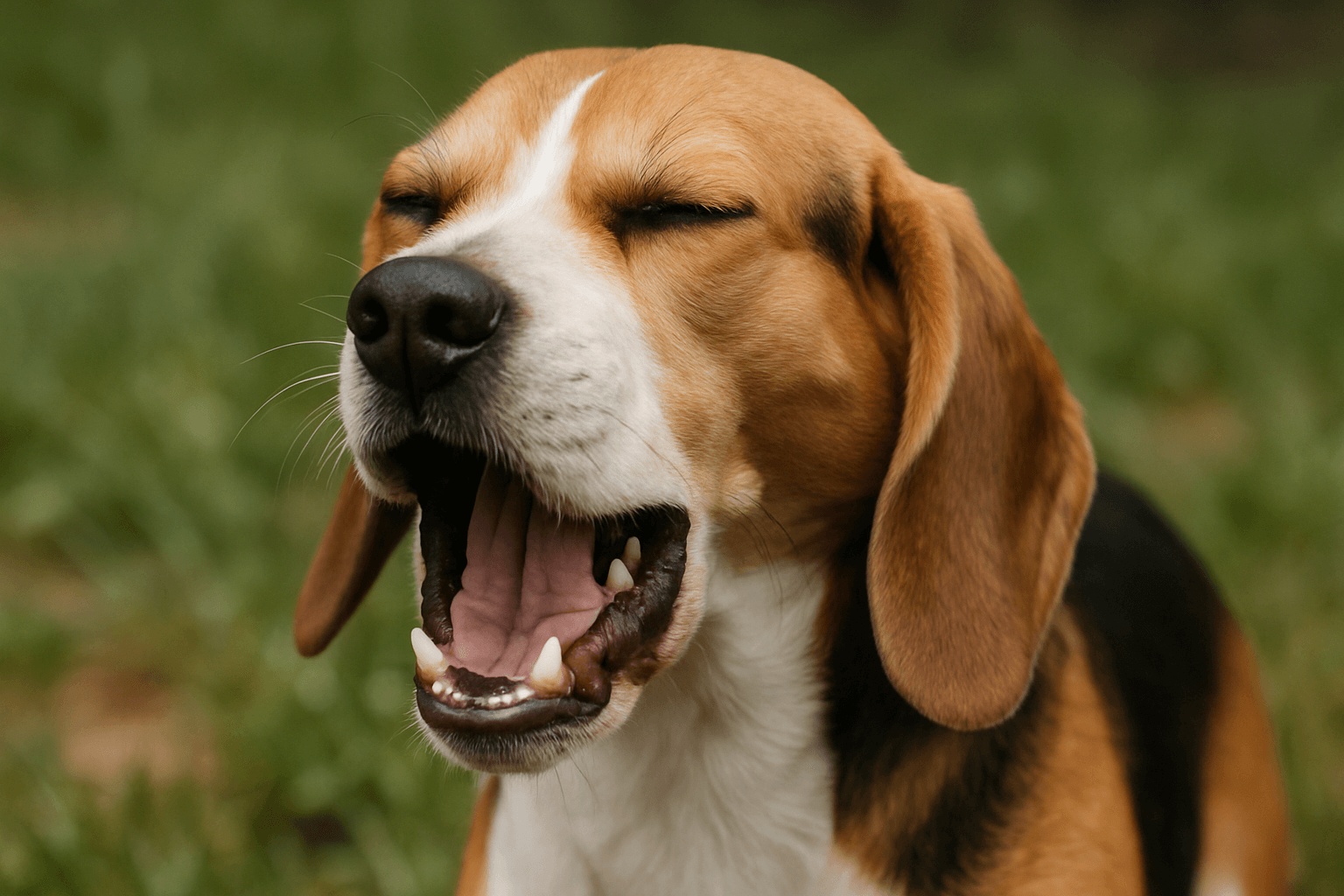
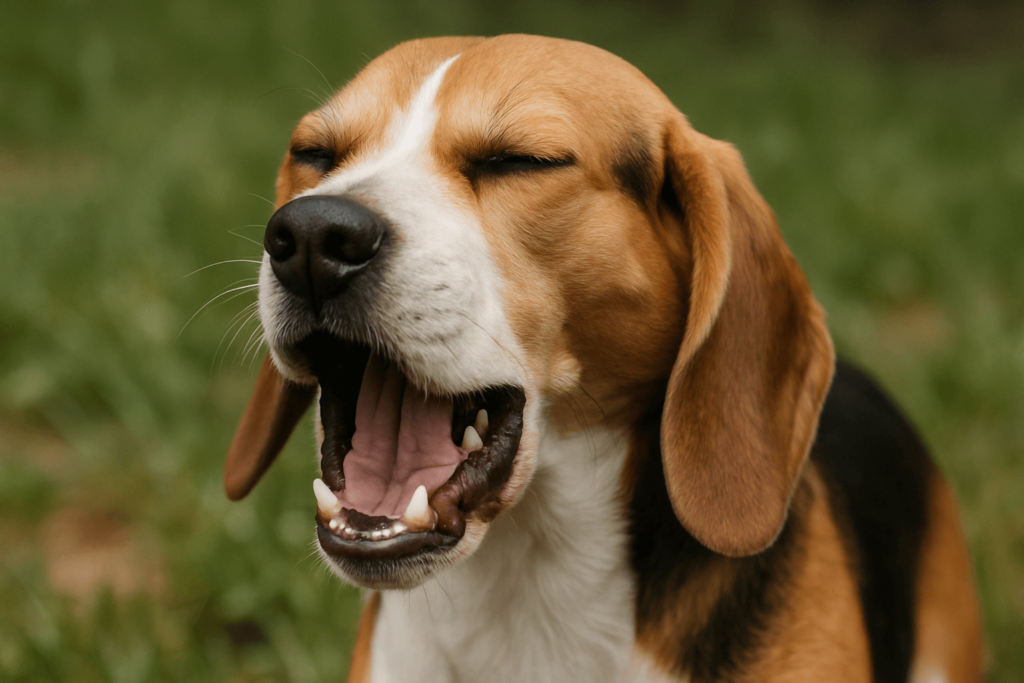
If you’ve ever heard your dog suddenly snort, wheeze, or make a rapid honking noise like a tiny goose caught in a panic, you’ve likely witnessed reverse sneezing. Though startling the first time, this common—and usually harmless—phenomenon affects many dogs across breeds and ages. Characterized by rapid, repeated inhalations through the nose, reverse sneezing often looks worse than it is.

Most episodes last only seconds and resolve on their own, leaving your pup perfectly fine. Understanding what triggers it and when to worry can ease your mind and help you support your dog with calm confidence.

What Exactly Is Reverse Sneezing?


Reverse sneezing occurs when a dog rapidly pulls air into the nose instead of pushing it out like a regular sneeze. This reflex helps clear irritants from the nasopharynx—the area behind the nasal passages and above the soft palate. While odd to observe, it’s a natural response and rarely dangerous.

 
  • Temporary Nasal Spasm:
    The soft palate and throat muscles spasm briefly, narrowing the airway and causing that signature snorting sound.
     
  • Common in Brachycephalic Breeds:
    Dogs with short snouts—like Pugs, Bulldogs, and Shih Tzus—are more prone due to their compressed airways.
     
  • Not True Sneezing:
    Unlike a normal sneeze that expels air outward, reverse sneezing involves forceful inward inhalation.
     
  • Episodic and Brief:
    Most episodes last under 30 seconds and stop as suddenly as they start, with no lingering effects.
     
  • Often Triggered by Irritants:
    Common culprits include pollen, dust, perfume, excitement, or even pulling on a leash.
 

Although alarming to witness, reverse sneezing is typically a benign reflex that resolves without intervention.

Reverse Sneezing in Dogs: Best 7 Expert Tips!

Common Causes Behind the Snort


Reverse sneezing can appear out of nowhere, but it’s usually a response to something irritating your dog’s upper respiratory tract. Identifying these triggers helps you prevent or minimize future episodes.

 
  • Environmental Allergens:
    Pollen, mold, smoke, or cleaning products can tickle the back of the throat and prompt a spasm.
     
  • Excitement or Overstimulation:
    Sudden bursts of joy—like greeting you at the door—can lead to rapid breathing and reverse sneezing.
     
  • Leash Pressure on the Neck:
    Tight collars or sudden tugs may compress the trachea or stimulate throat nerves.
     
  • Post-Meal or Drinking Episodes:
    Eating or drinking too quickly can cause minor throat irritation or misaligned swallowing.
     
  • Anatomical Factors:
    Dogs with elongated soft palates or narrow nasal passages are more susceptible anatomically.
 

Understanding the root cause makes it easier to reduce frequency and reassure yourself it’s not a medical emergency.

Common Triggers How to Reduce Risk
Strong fragrances or cleaning sprays Use pet-safe, unscented cleaners and avoid perfumes near your dog
Pollen or seasonal allergens Limit outdoor time during high-pollen days and wipe paws after walks
Tight collars or leash strain Switch to a harness instead of a neck collar
Excitement or rapid breathing Practice calm greetings and avoid overstimulating play
Dry indoor air (winter heating) Use a humidifier to maintain optimal indoor moisture levels

How to Help Your Dog During an Episode


While you can’t always prevent reverse sneezing, you can gently support your dog during an episode to shorten its duration and reduce stress—for both of you.

 
  • Stay Calm and Reassuring:
    Your anxiety can heighten your dog’s stress, making the episode last longer; speak softly and stroke their back.
     
  • Gently Massage the Throat:
    Light pressure on the throat may help relax spasming muscles and ease airflow.
     
  • Cover the Nostrils Briefly:
    Blocking the nose for 1–2 seconds encourages swallowing, which can reset the soft palate.
     
  • Offer a Treat or Water:
    Swallowing helps reposition the soft palate and stop the reflex cycle.
     
  • Avoid Picking Up or Restraining:
    Unless necessary, let your dog stay grounded—it often helps them regain control faster.
 

Most episodes end on their own, but your calm presence makes all the difference in your dog’s comfort.

Breeds Most Prone to Reverse Sneezing


While any dog can experience reverse sneezing, certain breeds are more susceptible due to their facial structure or genetic predispositions.

 
  • Brachycephalic (Flat-Faced) Breeds:
    Pugs, French Bulldogs, and Boston Terriers have compressed airways that heighten sensitivity.
     
  • Toy and Small Breeds:
    Chihuahuas, Miniature Pinschers, and Affenpinschers often have more delicate throat anatomy.
     
  • Dogs with Elongated Soft Palates:
    This anatomical trait—common in many toy breeds—can trigger spasms more easily.
     
  • Allergy-Prone Individuals:
    Breeds prone to environmental sensitivities may experience more frequent episodes.
     
  • Energetic or High-Strung Personalities:
    Overexcitement is a known trigger, so spirited dogs may snort more during play or greetings.
 

Knowing your dog’s risk level helps you anticipate and manage episodes with proactive care.

When Reverse Sneezing Isn’t Just Reverse Sneezing


Occasionally, what looks like reverse sneezing may actually signal a more serious condition requiring veterinary attention.

 
  • Collapsing Trachea:
    Common in small breeds, this causes a honking cough that can mimic reverse sneezing but worsens with activity.
     
  • Nasal Mites or Infections:
    Persistent sneezing, nasal discharge, or bloody noses suggest an underlying issue.
     
  • Foreign Body Obstruction:
    Grass seeds or small objects stuck in the nose cause repeated sneezing and distress.
     
  • Allergic or Autoimmune Rhinitis:
    Chronic inflammation leads to frequent respiratory episodes beyond typical reverse sneezing.
     
  • Heart or Lung Disease:
    In senior dogs, respiratory distress may masquerade as reverse sneezing but includes fatigue or bluish gums.
 

If symptoms persist, worsen, or seem unusual, always consult your vet to rule out pathology.

Preventive Measures to Reduce Frequency


You can’t eliminate reverse sneezing entirely, but smart lifestyle adjustments can significantly cut down on episodes.

 
  • Use a Harness Instead of a Collar:
    Reduces pressure on the neck and throat during walks—especially important for prone breeds.
     
  • Maintain a Clean, Low-Allergen Home:
    Regular vacuuming, air purifiers, and fragrance-free cleaners minimize airborne triggers.
     
  • Avoid Overexcitement Triggers:
    Practice calm greetings and structured play to prevent emotional spikes that spark episodes.
     
  • Feed Slow-Feed Bowls:
    Prevents gulping air during meals, which can irritate the throat afterward.
     
  • Schedule Regular Vet Check-Ups:
    Early detection of dental, nasal, or respiratory issues prevents complications that mimic or worsen reverse sneezing.
 

Simple changes often lead to fewer snorting surprises and a more comfortable life for your dog.

Home Remedies and Myths Debunked


Not all advice online is reliable—some “remedies” are harmless, while others delay real care or cause stress.

 
  • Myth: Reverse Sneezing Is Always Allergies:
    While allergens can trigger it, many episodes stem from excitement or anatomy, not immune response.
     
  • Fact: Gently Blowing in Their Face Can Help:
    A soft puff of air may interrupt the spasm—but never forcefully or repeatedly.
     
  • Myth: It’s a Sign of Choking:
    Dogs can’t choke during reverse sneezing—they’re still moving air, just noisily.
     
  • Fact: Hydration Supports Throat Health:
    Well-hydrated mucous membranes are less likely to become irritated.
     
  • Myth: You Must Give Antihistamines:
    Unless prescribed, medications aren’t needed—and can even be harmful without diagnosis.
 

Stick to vet-approved strategies and avoid unproven home “cures” that do more harm than good.

“Reverse sneezing is a disconcerting event in which a dog makes unpleasant respiratory sounds that sound like it is dying — or will die in the next few minutes… the good news is that reverse sneezing is a far simpler condition that usually does not need any treatment.”
Becky Lundgren, DVM

Frequently Asked Questions About Reverse Sneezing in Dogs

 
Is reverse sneezing dangerous?

In nearly all cases, no—it’s a temporary, harmless reflex. However, frequent or prolonged episodes warrant a vet visit.

Extremely rare. Episodes are brief, and dogs continue breathing. If your dog collapses, it’s likely another issue.

Yes! A short video helps your vet distinguish reverse sneezing from seizures, choking, or tracheal collapse.

Some do, especially if triggered by teething or minor anatomy. Others may experience it throughout life.

Indirectly—food allergies may cause inflammation, but reverse sneezing is rarely diet-related unless linked to reflux or throat irritation.

A Snort of Reassurance


Reverse sneezing may sound like your dog is in distress, but in most cases, it’s just their quirky way of clearing a tickle in the throat. With its sudden onset and dramatic noises, it’s no wonder this reflex startles even seasoned dog owners. Yet, armed with knowledge, calm, and a vet’s guidance when needed, you can navigate these episodes with ease. Remember: your presence, patience, and understanding mean more to your dog than any intervention.

So the next time your pup snorts like a tiny, confused dragon, take a breath, offer a gentle stroke, and know that—more often than not—all is well in their little world. After all, even the oddest sounds can come from the healthiest, happiest hearts.

Is Rawhide Bad for Cats? Best 7 Expert Tips!

Is Rawhide Bad for Cats? Best 7 Expert Tips! – Discover the risks, safe alternatives, and expert advice to keep your feline friend healthy and happy.

Is Rawhide Bad for Dogs? Best 7 Expert Tips!

Is Rawhide Bad for Dogs? Best 7 Expert Tips! – Discover the risks, benefits, and safer alternatives to rawhides for your dog’s chewing needs.

Understanding Anorexia in Cats: Best 7 Expert Tips!

Understanding Anorexia in Cats: Best 7 Expert Tips! – Learn why cats stop eating, spot warning signs, and discover how to help your feline regain appetite safely.

Understanding Anorexia in Dogs: Best 7 Expert Tips!

Understanding Anorexia in Dogs: Best 7 Expert Tips! – Learn causes, symptoms, and solutions to help your dog regain appetite and stay healthy.

Leave a Reply

Your email address will not be published. Required fields are marked *