

Parasites in Cats: Best 7 Expert Tips!

Parasites in Cats: Best 7 Expert Tips!

Parasites in Cats: A Comprehensive Guide for Pet Owners


Cats, whether indoor or outdoor, are susceptible to a variety of parasites that can affect their health and well-being. From fleas and ticks to intestinal worms and protozoa, these unwelcome guests can cause discomfort, illness, and even serious complications if left untreated. Understanding the types of parasites that commonly afflict cats, recognizing the symptoms, and knowing how to prevent and treat infestations are essential skills for every cat owner. In this guide, we’ll explore everything you need to know about parasites in cats, empowering you to keep your feline friend happy, healthy, and parasite-free.

Expert Insight on Parasites in Cats

“Parasites can be internal or external, living either in your cat’s gut or living on their skin. External parasites can cause pruritus or itching, as well as transmit a variety of diseases. They can lead to secondary skin infections and even anemia with a high enough parasite load.”

Dr. Samantha Devine

Common Types of Parasites in Cats


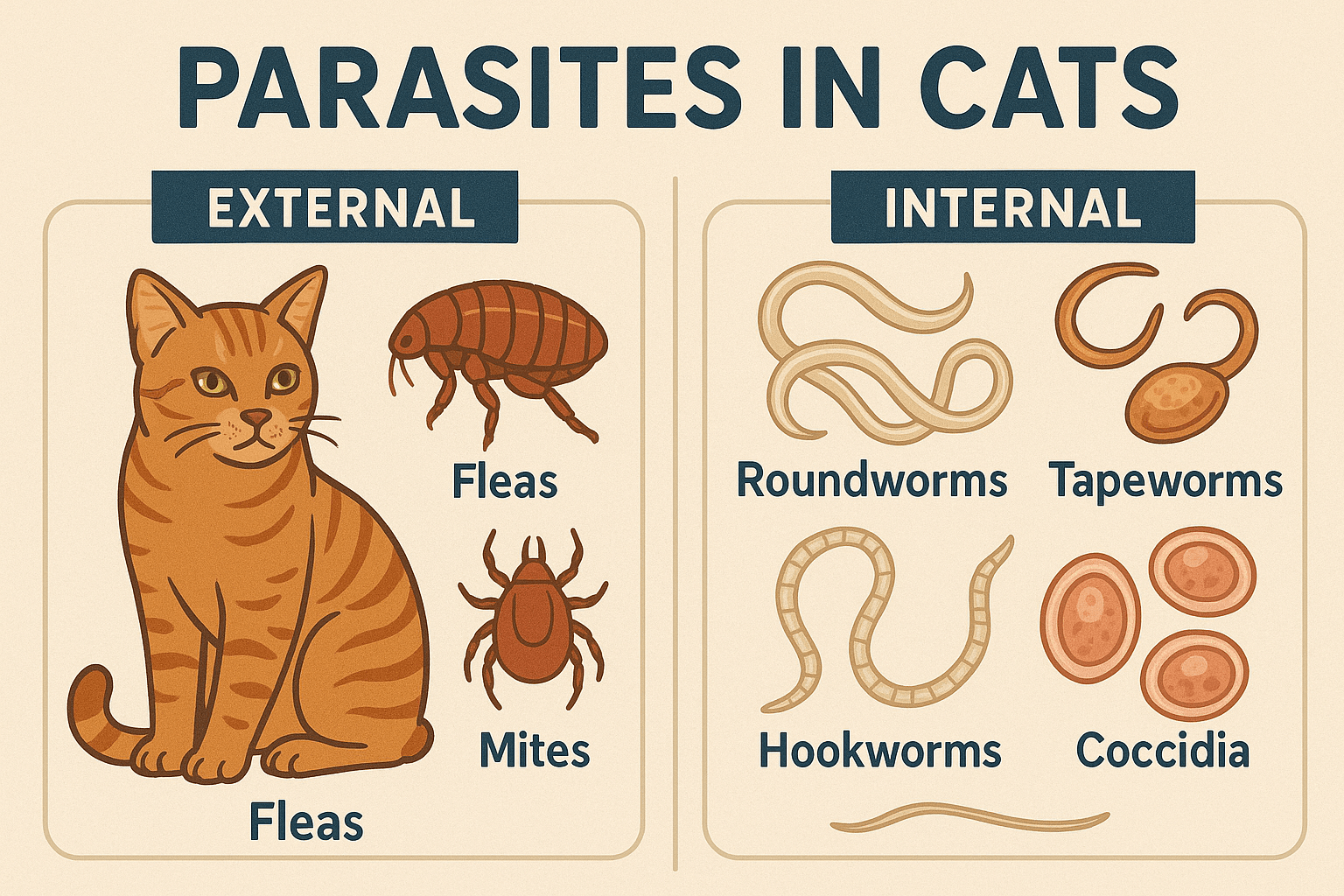
Parasites come in many forms, each with its own set of risks and challenges. Familiarizing yourself with the most common types of parasites in cats is the first step toward effective prevention and treatment.

 
  • Fleas:
    Fleas are tiny, wingless insects that feed on your cat’s blood, causing itching, irritation, and potential skin infections.

  • Ticks:
    Ticks attach to your cat’s skin and feed on their blood, potentially transmitting diseases like Lyme disease or babesiosis.

  • Roundworms:
    These intestinal parasites are often passed through contaminated soil or prey animals and can cause vomiting, diarrhea, and weight loss.

  • Tapeworms:
    Tapeworms are transmitted through fleas or ingested rodents and appear as small, rice-like segments in your cat’s feces.

  • Ear Mites:
    Ear mites are microscopic parasites that live in the ear canal, causing intense itching, head shaking, and dark debris buildup.


By understanding these common parasites, you can take proactive steps to protect your cat from infestations and minimize the risk of complications.

Parasites in Cats: Best 7 Expert Tips!

Signs Your Cat May Have Parasites


Detecting a parasitic infestation early is crucial for minimizing harm to your cat. Watch for these telltale signs that may indicate your feline friend is dealing with parasites.

 
  • Excessive Scratching or Grooming:
    Persistent scratching, licking, or biting at the skin could signal fleas, ticks, or mites.

  • Visible Worms in Feces or Vomit:
    If you notice small, spaghetti-like worms in your cat’s stool or vomit, they likely have intestinal parasites.

  • Hair Loss or Skin Irritation:
    Patchy fur, redness, or scabs on the skin may indicate flea infestations or allergic reactions to parasites.

  • Weight Loss or Poor Appetite:
    Intestinal worms can interfere with nutrient absorption, leading to unexplained weight loss or reduced appetite.

  • Head Shaking or Ear Discharge:
    Frequent head shaking combined with dark, crumbly ear discharge suggests an ear mite infestation.


Recognizing these symptoms promptly allows you to seek veterinary care and address the issue before it worsens.

Preventive Measures for Parasites
Treatment Options for Infestations
Regular use of flea and tick preventatives
Prescription dewormers for intestinal worms
Keeping your cat indoors
Topical treatments for fleas and ticks
Cleaning bedding and grooming tools
Ear drops for ear mites
Avoiding contact with stray animals
Bathing with medicated shampoos
Scheduling routine vet check-ups
Oral medications for severe infestations

How to Prevent Parasites in Cats


Prevention is always better than cure when it comes to parasites. Implementing these strategies can significantly reduce your cat’s risk of infestation.

 
  • Use Veterinary-Approved Preventatives:
    Monthly flea and tick treatments are highly effective at keeping external parasites at bay.

  • Maintain a Clean Environment:
    Regularly vacuum carpets, wash bedding, and clean litter boxes to eliminate parasite eggs or larvae.

  • Limit Outdoor Exposure:
    Keeping your cat indoors minimizes their exposure to fleas, ticks, and infected prey animals.

  • Inspect After Outdoor Time:
    Check your cat’s fur and skin for signs of fleas, ticks, or other abnormalities after outdoor adventures.

  • Feed a Balanced Diet:
    A strong immune system helps your cat resist parasitic infections, so ensure they’re eating high-quality food.


With consistent preventive measures, you can create a safer and healthier environment for your cat.

Treating Parasites in Cats Effectively


If your cat does become infested with parasites, prompt treatment is essential. Here’s how to address different types of infestations safely and effectively.

 
  • Consult Your Veterinarian:
    Always seek professional advice before starting treatment to ensure the correct diagnosis and medication.

  • Administer Deworming Medications:
    For intestinal worms, your vet may prescribe oral or injectable dewormers tailored to the specific parasite.

  • Apply Topical Treatments:
    Spot-on solutions can kill fleas and ticks within hours while providing ongoing protection.

  • Clean Affected Areas Thoroughly:
    Wash all fabrics your cat has come into contact with using hot water to eliminate lingering parasites.

  • Monitor for Improvement:
    Keep an eye on your cat’s condition and report any worsening symptoms to your vet immediately.


Timely intervention ensures your cat recovers quickly and avoids further complications.

Natural Remedies for Parasites

While veterinary treatments are the gold standard, some natural remedies can complement parasite prevention efforts. However, always consult your vet before trying alternatives.

 
  • Apple Cider Vinegar:
    Adding a small amount to your cat’s water may help deter fleas due to its acidic properties.

  • Diatomaceous Earth (Food Grade):
    Sprinkling this powder in your home can dehydrate fleas and ticks without harming your cat.

  • Herbal Flea Collars:
    Made from essential oils like lavender or cedarwood, these collars offer mild repellent effects.

  • Regular Brushing:
    Using a fine-toothed comb helps remove fleas, ticks, and loose hair, reducing the risk of infestations.

  • Probiotics for Gut Health:
    Supporting your cat’s gut flora can boost immunity against internal parasites.


Natural remedies can enhance prevention but should never replace professional treatments for severe cases.

Seasonal Risks for Parasites

The risk of certain parasites varies by season, making it important to adjust your prevention strategies accordingly.

 
  • Spring and Summer:
    Warmer weather increases flea and tick activity, requiring more frequent preventative measures.

  • Fall:
    As temperatures drop, fleas may migrate indoors, necessitating thorough cleaning routines.

  • Winter:
    While outdoor risks decrease, indoor infestations can still occur, particularly in multi-pet households.

  • Rainy Seasons:
    Wet conditions create ideal breeding grounds for parasites, emphasizing the need for environmental control.

  • Year-Round Vigilance:
    Even in low-risk seasons, maintaining basic preventive practices ensures continuous protection.


Adapting to seasonal changes helps you stay one step ahead of potential parasite threats.

Common Misconceptions About Cat Parasites

Misinformation about cat parasites can lead to ineffective prevention or delayed treatment. Clearing up these myths is vital for proper care.

 
  • Myth: Indoor Cats Don’t Need Preventatives:
    Indoor cats are still vulnerable to parasites brought in by humans, pets, or pests.

  • Myth: Fleas Are Only a Summer Problem:
    Fleas thrive year-round in warm indoor environments, not just during warmer months.

  • Myth: Over-the-Counter Treatments Are Enough:
    Many store-bought products lack efficacy compared to vet-prescribed options.

  • Myth: Parasites Only Affect Unhealthy Cats:
    Even healthy cats can fall victim to parasites, regardless of age or breed.

  • Myth: One Treatment Eliminates All Parasites:
    Different parasites require specific treatments, and reinfestation is possible without follow-up care.


Dispelling these misconceptions ensures you approach parasite management with accurate information and confidence.

Frequently Asked Questions About Parasites in Cats

 
Can indoor cats get parasites?

Yes, indoor cats can still contract parasites through contaminated items, visiting pests, or shared grooming tools.

Parasites can be especially harmful to kittens due to their weaker immune systems, requiring immediate treatment.

The frequency depends on your cat’s lifestyle, but most vets recommend deworming every 3-6 months as a precaution.

Untreated parasites can lead to severe health issues, including anemia, malnutrition, and secondary infections.

Some parasites, like roundworms and toxoplasmosis, can be transmitted to humans, highlighting the importance of prevention.

Protecting Your Cat from Parasites: A Lifelong Commitment


Parasites are an unfortunate reality for many cats, but with proper knowledge and preventive care, you can minimize their impact on your pet’s life. By staying informed about the types of parasites, recognizing symptoms early, and implementing effective prevention strategies, you can ensure your feline companion remains healthy and parasite-free. Remember, regular vet visits and a clean, safe environment are key to maintaining your cat’s well-being. With dedication and care, you can provide your cat with a long, happy, and comfortable life free from the burden of parasites.

Is Rawhide Bad for Cats? Best 7 Expert Tips!

Is Rawhide Bad for Cats? Best 7 Expert Tips! – Discover the risks, safe alternatives, and expert advice to keep your feline friend healthy and happy.

Is Rawhide Bad for Dogs? Best 7 Expert Tips!

Is Rawhide Bad for Dogs? Best 7 Expert Tips! – Discover the risks, benefits, and safer alternatives to rawhides for your dog’s chewing needs.

Understanding Anorexia in Cats: Best 7 Expert Tips!

Understanding Anorexia in Cats: Best 7 Expert Tips! – Learn why cats stop eating, spot warning signs, and discover how to help your feline regain appetite safely.

Understanding Anorexia in Dogs: Best 7 Expert Tips!

Understanding Anorexia in Dogs: Best 7 Expert Tips! – Learn causes, symptoms, and solutions to help your dog regain appetite and stay healthy.

Leave a Reply

Your email address will not be published. Required fields are marked *