
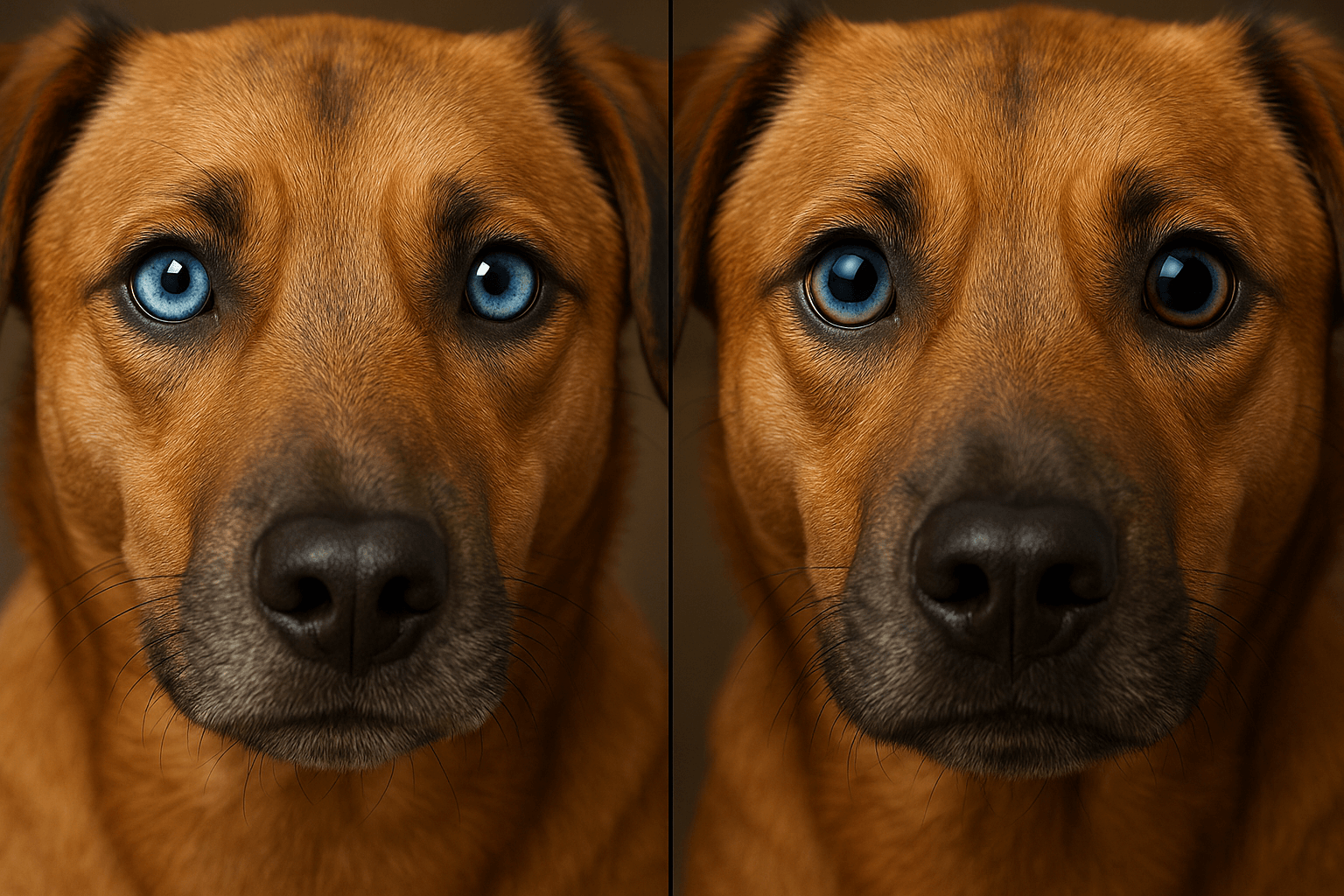

Normal Dog Pupils vs Dilated Pupils: Best 7 Expert Tips!

Normal Dog Pupils vs Dilated Pupils: Best 7 Expert Tips!

Normal Dog Pupils vs Dilated Pupils: What Every Dog Owner Needs to Know

Your dog’s eyes are more than just beautiful—they’re windows into their health, mood, and well-being. While pupil size naturally changes in response to light, persistent or unexplained dilation can signal everything from excitement to serious medical issues. Understanding the difference between normal and dilated pupils is crucial for spotting potential problems early and ensuring your dog stays happy and healthy.

How Dog Pupils Work: A Quick Biological Primer

Before diving into abnormalities, it helps to understand how canine pupils function under normal conditions. Much like humans, dogs adjust their pupil size in response to environmental stimuli—but their visual system is finely tuned for survival, not aesthetics.

 
  • Light Regulation:
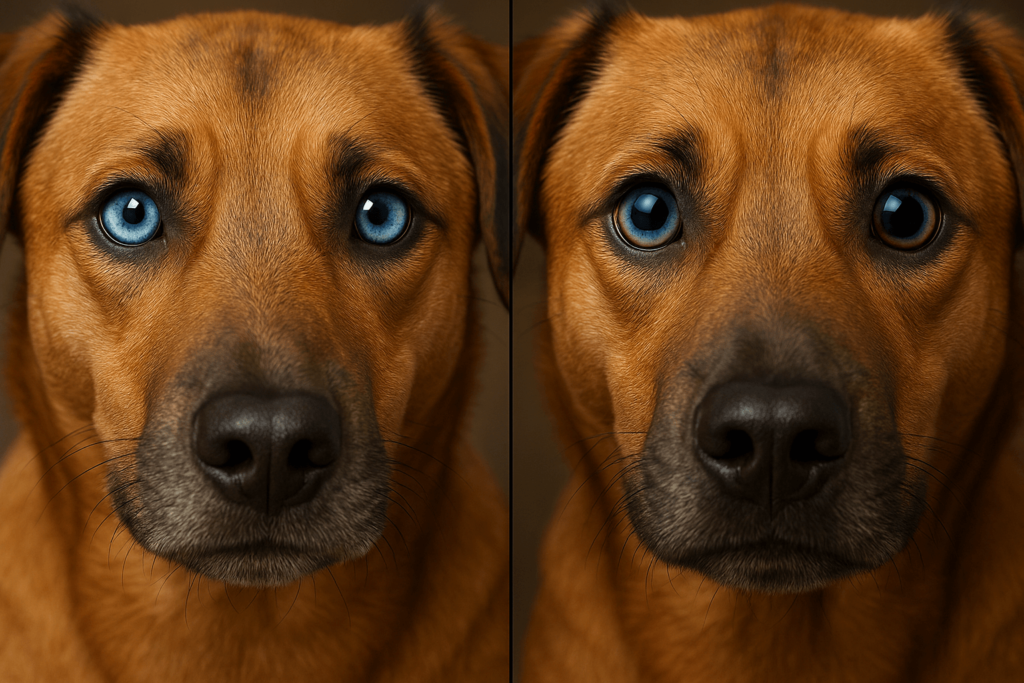
    In bright light, a dog’s pupils constrict to protect the retina; in dim light, they dilate to let in more light and improve night vision.
     
  • Emotional Influence:
    Pupil size can subtly shift during moments of fear, joy, or alertness—though these changes are usually brief and symmetrical.
     
  • Breed Variations:
    Some breeds (like Huskies or Greyhounds) may show slight baseline differences due to eye shape or pigmentation, but the underlying mechanics remain consistent.
     
  • Age-Related Changes:
    Puppies and senior dogs may exhibit slightly more variable pupil responses due to developing or aging neurological systems.
     
  • Healthy Symmetry:
    In a healthy dog, both pupils should react equally and simultaneously to light or stimuli—any asymmetry warrants attention.
 

Recognizing what’s typical for your dog is the first step toward identifying when something might be wrong.

Normal Dog Pupils vs Dilated Pupils: Best 7 Expert Tips!

Common Causes of Dilated Pupils in Dogs

Dilated pupils aren’t always a red flag—but they’re never meaningless. Many causes are harmless, while others demand immediate veterinary care.

 
  • Low Light Conditions:
    The most common and benign cause: pupils naturally widen in darkness to enhance vision.
     
  • Excitement or Arousal:
    During play, anticipation of treats, or greeting you, mild dilation can occur due to adrenaline release.
     
  • Pain or Discomfort:
    Dogs in pain—especially from abdominal issues, dental problems, or injuries—may have persistently dilated pupils as part of a stress response.
     
  • Neurological Disorders:
    Conditions like seizures, head trauma, or brain tumors can disrupt the nerves controlling pupil size, leading to abnormal dilation.
     
  • Toxin Exposure:
    Ingestion of certain plants, medications (like atropine), or household chemicals can cause dramatic, prolonged pupil dilation.
 

While occasional dilation is normal, persistent, one-sided, or unresponsive dilation should never be ignored.

Normal Pupil Behavior Concerning Pupil Dilation
Symmetrical in both eyes One pupil larger than the other (anisocoria)
Responsive to light changes No reaction to bright light (fixed pupils)
Temporary during excitement or darkness Persistent for hours without clear cause
Returns to normal quickly Accompanied by lethargy, vomiting, or loss of balance
No other behavioral changes Associated with disorientation or seizures

When Dilated Pupils Signal Medical Emergencies

Not all pupil changes are created equal. Some scenarios require urgent veterinary intervention to prevent permanent damage or life-threatening complications.

 
  • Head Trauma:
    Even minor falls or collisions can cause brain swelling or bleeding, leading to abnormal pupil responses that may worsen rapidly.
     
  • Glaucoma:
    This painful eye condition causes increased intraocular pressure, often resulting in a fixed, dilated pupil and cloudiness in the eye.
     
  • Ocular Tumors:
    Tumors in the iris or behind the eye can physically prevent pupil constriction, leading to asymmetrical dilation.
     
  • Anticholinergic Toxicity:
    Exposure to substances like lilies, scopolamine, or certain flea treatments can block nerve signals, causing “blown pupils” and dry mouth.
     
  • Severe Pain or Shock:
    Systemic distress—such as from bloat, pancreatitis, or internal bleeding—can trigger widespread neurological changes, including pupil dilation.
 

If you notice sudden, unexplained dilation alongside other symptoms, seek emergency care immediately. Time is often critical.

Behavioral and Environmental Factors That Affect Pupil Size

Sometimes, the answer isn’t medical—it’s situational. Dogs are sensitive creatures, and their eyes react to more than just light.

 
  • Stress or Fear:
    During thunderstorms, fireworks, or vet visits, your dog’s pupils may dilate due to heightened sympathetic nervous system activity.
     
  • Predatory Instinct Activation:
    When your dog locks onto a squirrel or toy, their pupils may widen as part of the “hunt mode” focus response.
     
  • Novel Environments:
    New homes, shelters, or travel can trigger temporary dilation as your dog processes unfamiliar sights and sounds.
     
  • Positive Anticipation:
    The moment you grab the leash or open the treat jar, mild dilation may occur from excitement—not distress.
     
  • Sleep Cycles:
    During REM sleep, dogs can exhibit rapid eye movements and fluctuating pupil size, which is completely normal.
 

Context matters. Always assess your dog’s full behavior—not just their eyes—before assuming something is wrong.

How to Check Your Dog’s Pupils at Home

Monitoring your dog’s eye health doesn’t require special tools—just observation and a flashlight.

 
  • Use a Penlight or Phone Flash:
    Gently shine light into each eye (one at a time) and watch for equal, brisk constriction within seconds.
     
  • Compare Both Eyes:
    Look for symmetry in size and reaction speed—any lag or difference could indicate a problem.
     
  • Note Ambient Lighting:
    Always assess in consistent lighting to avoid misinterpreting natural changes.
     
  • Watch Over Time:
    Take mental (or photo) notes of your dog’s “normal” so you can spot deviations quickly.
     
  • Avoid Restraint Stress:
    If your dog resists, don’t force it—stress itself can cause dilation, skewing your assessment.
 

Regular checks build your confidence and help you become your dog’s first line of defense.


Breeds More Prone to Pupil-Related Issues

While all dogs can experience pupil abnormalities, some breeds face higher risks due to anatomy or genetics.

 
  • Brachycephalic Breeds (Pugs, Bulldogs):
    Their shallow eye sockets and prominent eyes make them more susceptible to trauma and glaucoma.
     
  • Sighthounds (Greyhounds, Whippets):
    Naturally large pupils and sensitive retinas can make changes harder to interpret but also increase vulnerability to light damage.
     
  • Dogs with Blue Eyes (Siberian Huskies):
    Less iris pigment may make subtle changes more visible—but also increases light sensitivity.
     
  • Senior Dogs of Any Breed:
    Age-related conditions like cataracts or retinal degeneration often come with pupil irregularities.
     
  • Dogs with Preexisting Eye Conditions:
    Chronic uveitis or prior injuries can lead to permanently altered pupil responses.
 

Know your breed’s predispositions—and schedule regular eye exams with your vet.

Preventing and Managing Pupil-Related Concerns

Proactive care goes a long way in protecting your dog’s vision and overall health.

 
  • Keep Toxins Out of Reach:
    Store medications, plants, and chemicals securely—many common household items are toxic to dogs.
     
  • Use Protective Gear:
    For adventure dogs, consider protective goggles (like “Doggles”) in high-risk environments like thick brush or dusty trails.
     
  • Maintain Routine Vet Visits:
    Annual wellness exams often include eye checks that can catch issues before symptoms appear.
     
  • Create a Calm Environment:
    Reduce unnecessary stress through training, safe spaces, and predictable routines.
     
  • Never Ignore Sudden Changes:
    Even if your dog seems fine, abnormal pupils can be the first—and only—sign of a hidden emergency.
 

Your vigilance today can preserve your dog’s sight and quality of life tomorrow.

“The pupil constricts or dilates (enlarges) according to the amount of light that enters the eyes, with both pupils normally dilating in dim light and constricting in bright light.” — Ryan Llera, BSc, DVM

Frequently Asked Questions About Dog Pupils

Why are my dog’s pupils huge in daylight?

This is abnormal. Healthy pupils should constrict in bright light. If they stay dilated, it could indicate pain, neurological issues, or toxin exposure—contact your vet.

Yes. Fear, stress, or excitement can temporarily dilate pupils, but they should return to normal once the trigger passes.

This condition, called anisocoria, is always concerning. It may signal nerve damage, eye injury, or brain issues and requires immediate veterinary evaluation.

Not necessarily—but chronic dilation can occur in dogs with vision loss, as their eyes no longer respond to light. A vet can test for vision and eye health.

If your vet used dilating drops, effects typically last 4–8 hours. Longer dilation warrants a follow-up call.

Trust Your Instincts—Your Dog Is Counting on You

Your dog can’t tell you when something’s wrong—but their eyes often speak volumes. By learning the difference between normal pupil behavior and true red flags, you empower yourself to act swiftly, compassionately, and effectively. Whether it’s a moment of joy or a silent cry for help, those dark pools in your dog’s gaze hold vital clues. Stay observant, stay curious, and never hesitate to call your vet when something feels off. After all, your love—and attention—is part of their healing.

Is Rawhide Bad for Cats? Best 7 Expert Tips!

Is Rawhide Bad for Cats? Best 7 Expert Tips! – Discover the risks, safe alternatives, and expert advice to keep your feline friend healthy and happy.

Is Rawhide Bad for Dogs? Best 7 Expert Tips!

Is Rawhide Bad for Dogs? Best 7 Expert Tips! – Discover the risks, benefits, and safer alternatives to rawhides for your dog’s chewing needs.

Understanding Anorexia in Cats: Best 7 Expert Tips!

Understanding Anorexia in Cats: Best 7 Expert Tips! – Learn why cats stop eating, spot warning signs, and discover how to help your feline regain appetite safely.

Understanding Anorexia in Dogs: Best 7 Expert Tips!

Understanding Anorexia in Dogs: Best 7 Expert Tips! – Learn causes, symptoms, and solutions to help your dog regain appetite and stay healthy.

Leave a Reply

Your email address will not be published. Required fields are marked *