
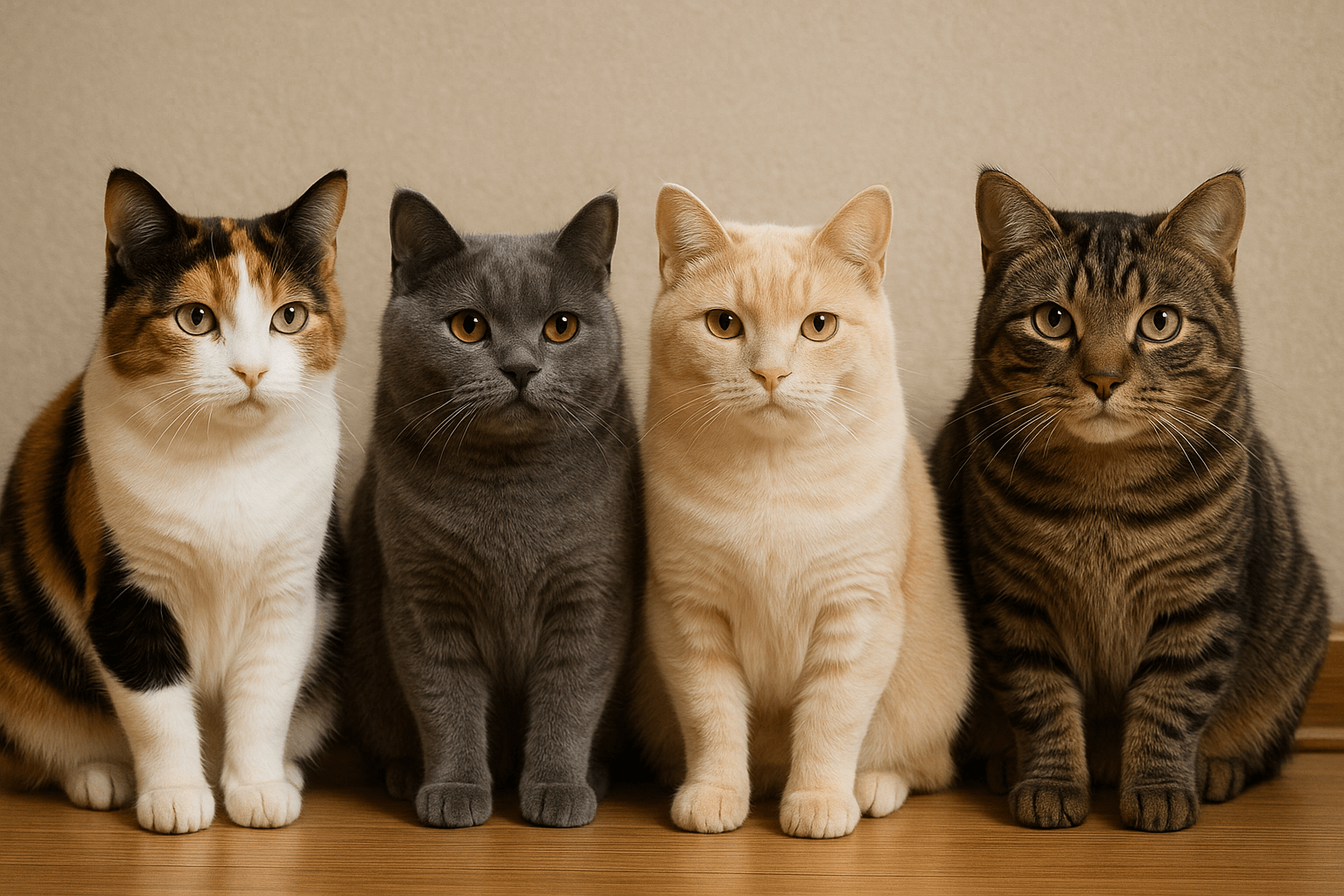
Manx Cat Colors: The Stunning Palette of a Rare and Enigmatic Breed
The Manx cat is more than just a tailless wonder—it’s a living legend wrapped in fur. Bred on the Isle of Man, this ancient breed captivates with its rounded silhouette, sturdy frame, and, most strikingly, its breathtaking array of coat colors and patterns. From deep blacks to shimmering silvers, from tortoiseshell mosaics to delicate tabby stripes, Manx cats wear their genetics like art. Understanding their color diversity isn’t just about aesthetics—it’s a window into their heritage, health, and the intricate science behind feline coat genetics. In this guide, we explore every shade, pattern, and nuance that makes the Manx one of the most visually compelling breeds in the feline world.
Why Manx Cat Colors Are So Diverse and Unique
Manx cats display an extraordinary spectrum of colors and patterns—not by accident, but by evolutionary design and careful breeding. Their coat variety reflects both natural mutation and intentional selection over centuries.
Genetic Flexibility:
The Manx breed accepts nearly all coat colors and patterns recognized by major cat registries, making them one of the most genetically diverse breeds.No Color Restrictions:
Unlike some breeds limited to specific hues, Manx cats can be solid, tabby, bicolor, tortoiseshell, calico, smoke, shaded, or even colorpoint—no palette is off-limits.Pattern Expression Variability:
Even within the same litter, kittens can inherit wildly different patterns due to the complex interaction of dominant and recessive genes.Influence of the Isle of Man Gene Pool:
Isolation on the island allowed for unique genetic combinations to flourish, resulting in rare combinations rarely seen in mainland breeds.Color Stability Over Generations:
Unlike some breeds where color fades with age, Manx coat colors tend to remain vibrant and true throughout their lifespan.
This genetic openness isn’t just beautiful—it’s a testament to the breed’s resilience and adaptability. Whether you’re drawn to the mystery of a black smoke or the joy of a tortoiseshell mosaic, there’s a Manx color for every soul.
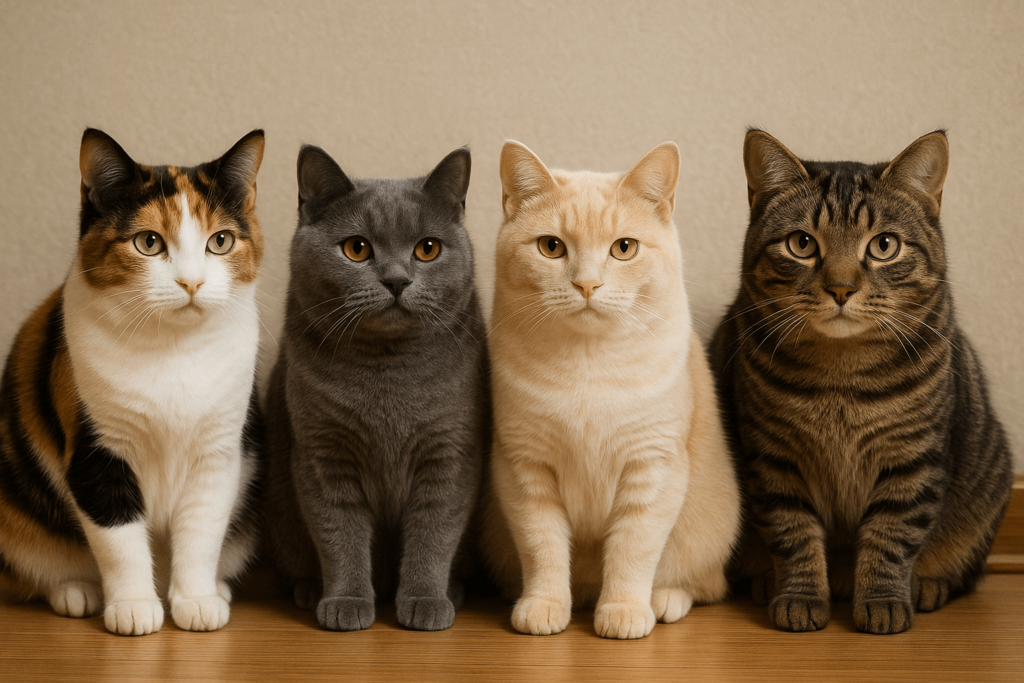
The Most Common and Beloved Manx Cat Colors
While Manx cats can appear in almost any hue, certain colors dominate in both show rings and homes. These shades have stood the test of time—and for good reason.
Solid Black:
A sleek, glossy black coat with no markings is one of the most classic and striking Manx variations, exuding elegance and mystery.White:
Pure white Manx cats are rare and prized for their luminous appearance, often appearing almost ethereal against their muscular build.Red (Orange):
Warm, vibrant reds range from pale apricot to deep ginger, often paired with striking green or gold eyes for dramatic contrast.Blue (Gray):
A cool, silvery-blue coat gives the Manx a regal, calm presence—perfect for their quiet, thoughtful demeanor.Cream:
Soft, pale cream coats are delicate and sweet, often seen in females due to the genetics of color inheritance.
These colors aren’t just popular—they’re iconic. Each carries its own charm, and each tells a story of lineage, light, and legacy.
Check this guide 👉Manx Cat Lifespan: Best 7 Expert Tips!
Check this guide 👉Tortoiseshell Manx Cat: Best 7 Expert Tips!
Check this guide 👉Manx Cat Price: Best 7 Expert Tips!
| Color Type | Distinctive Features |
|---|---|
| Solid Black | Glossy, uniform coat with no markings; enhances the Manx’s rounded silhouette. |
| White | Pure white fur, often with blue or gold eyes; requires extra grooming to maintain brilliance. |
| Red (Orange) | Warm, fiery tones ranging from apricot to deep ginger; often paired with tabby markings. |
| Blue (Gray) | Cool, silvery-gray coat; gives a calm, aristocratic appearance that complements their quiet nature. |
| Cream | Soft, pale ivory or peach-toned coat; typically found in females due to X-linked color genetics. |
Rare and Exotic Manx Cat Colors You’ve Probably Never Seen
Beyond the classics lie the hidden gems—colors so uncommon they’re almost mythical. These are the Manx cats that turn heads and spark conversations.
Chocolate:
A rich, warm brown coat—rare in Manx cats—requires a specific recessive gene and is highly sought after by breeders.Lilac (Lavender):
A diluted form of chocolate, lilac appears as a soft, dusty gray-pink; one of the rarest and most delicate Manx colors.Cinnamon:
A warm, spicy cinnamon tone, almost like roasted chestnuts, extremely uncommon and genetically complex.Tortoiseshell (Tortie):
A mosaic of black and red patches, almost always female due to X-chromosome inheritance; each tortie is genetically unique.Calico:
A tri-color blend of white, black, and red—often with distinct patches—this pattern is a visual masterpiece and a rarity in tailless breeds.
These colors aren’t just rare—they’re like fingerprints. No two are exactly alike, and each carries a genetic story that’s been passed down through generations.
Understanding Manx Cat Patterns: Tabby, Smoke, and More
Color is only half the story. The pattern on a Manx cat’s coat adds depth, drama, and individuality. These patterns are as varied as the cats themselves.
Classic Tabby:
Swirling, bold markings resembling a marble cake—often called “blotched tabby”—gives the Manx a wild, ancient look.Mackerel Tabby:
Narrow, vertical stripes like fishbones run along the body, creating a sleek, striped appearance favored by many breeders.Spotted Tabby:
Instead of stripes, spots break up the coat in a leopard-like pattern—rare but stunning on the Manx’s compact frame.Smoke:
A solid color on the surface with a silvery undercoat that “smokes” out when the cat moves—elegant and mysterious.Shaded Silver:
Pale tips over a silver base create a luminous glow, especially striking in bright light; often paired with green eyes.
Each pattern transforms the same base color into something entirely new. A black smoke Manx looks nothing like a solid black—yet both are equally magnificent.
How Coat Color Affects Manx Cat Health and Temperament
While color doesn’t determine personality, certain genetic links between coat color and health are well-documented in feline science.
White Manx Cats and Deafness:
White Manx cats with blue eyes have a higher risk of congenital deafness due to the dominant white gene’s association with cochlear development.Colorpoint Restrictions:
True colorpoint (like Siamese) is not accepted in all registries for Manx cats, as it suggests outcrossing with other breeds.Dilution Gene Risks:
Diluted colors like blue or lilac can sometimes be linked to skin sensitivities or thinner coats, requiring extra sun protection.Tortoiseshell and Calico Longevity:
Female tortoiseshell and calico cats often live longer, possibly due to genetic diversity from having two X chromosomes.No Color-Based Behavioral Traits:
Despite myths, a red Manx isn’t more “fiery” than a blue one—personality is shaped by environment, not pigment.
Understanding these connections helps you care for your Manx more holistically—not just with food and play, but with awareness of their unique biological needs.
Caring for Different Manx Coat Types and Colors
A Manx’s coat isn’t just about how it looks—it’s about how it feels, how it sheds, and how it responds to care.
Short-Haired Manx:
Most Manx have a dense, short double coat that requires weekly brushing to remove loose fur and prevent matting.Long-Haired (Cymric) Manx:
The long-haired variant, known as Cymric, needs brushing 2–3 times weekly to avoid tangles, especially around the ruff and tail base.Dark Colors and Dirt Visibility:
Black and dark Manx cats show dust and dirt more easily—regular grooming keeps their coat gleaming.Light Colors and Staining:
White and cream Manx cats may develop tear stains or food smudges; daily wiping around the eyes and chin helps maintain cleanliness.Seasonal Shedding:
All Manx cats shed heavily in spring and fall—invest in a good deshedding tool during these seasons to manage fur around the house.
Proper grooming isn’t just cosmetic—it’s essential for skin health, circulation, and bonding. A well-maintained coat reflects a well-loved cat.
Manx Cat Colors in Show Rings: What Judges Look For
If you’ve ever wondered why some Manx cats win titles and others don’t, the answer lies in strict breed standards—and color plays a key role.
No White Patches on Solid Colors:
Solid-colored Manx must be uniform; even a single white hair can disqualify in championship classes.Tabby Patterns Must Be Clear and Defined:
Blurry or faded markings are penalized—judges look for crisp, bold patterns that follow breed guidelines.Eye Color Compatibility:
Eye color must harmonize with coat color—e.g., copper or gold for reds, green for blues, and never blue for non-white cats.No Colorpoint Markings Allowed:
Pointed coloring (dark ears, face, legs) is a fault in most Manx standards, indicating mixed ancestry.Coat Texture and Density Matter:
A plush, springy double coat is ideal—flat or thin coats are considered a defect, regardless of color.
Winning isn’t just about beauty—it’s about conformity to a centuries-old standard. Every shade, stripe, and speckle is judged with precision.
Frequently Asked Questions About Manx Cat Colors
Can a Manx cat be completely white?
Yes. Pure white Manx cats are rare but accepted in most registries. They may have blue, gold, or odd eyes, but blue-eyed whites have a higher risk of deafness.
Why do some Manx cats have stripes even if they’re not tabby?
Many solid-colored Manx cats display faint “ghost striping,” especially in sunlight. This is a genetic leftover from their tabby ancestors and is perfectly normal.
Are Manx cats with long hair (Cymric) allowed to have the same colors as short-haired Manx?
Absolutely. The Cymric is considered a long-haired variant of the Manx, and all colors and patterns are permitted under the same breed standards.
Can two black Manx cats produce a red kitten?
Only if both carry the recessive red gene. It’s rare, but genetically possible—especially if either parent has red ancestry.
Do Manx cat colors change as they age?
Most don’t. However, some black Manx may develop a slight rust tint as they age, and dilute colors like blue may lighten slightly over time.
Embracing the Full Spectrum of Manx Beauty
The Manx cat is not defined by its lack of tail—but by the depth of its character, the strength of its spirit, and the infinite variety of its coat. From the quiet elegance of a blue smoke to the fiery drama of a red tabby, every color tells a tale of survival, adaptation, and artistry. To own a Manx is to welcome not just a pet, but a living masterpiece shaped by island winds and ancient genes.
Whether you’re drawn to the mystery of a solid black, the rarity of a lilac Cymric, or the joy of a calico mosaic, you’re not just choosing a color—you’re choosing a legacy. Let your Manx’s coat be a reminder: true beauty lies not in perfection, but in the wild, wonderful diversity of nature itself.

Is Rawhide Bad for Cats? Best 7 Expert Tips! – Discover the risks, safe alternatives, and expert advice to keep your feline friend healthy and happy.

Is Rawhide Bad for Dogs? Best 7 Expert Tips! – Discover the risks, benefits, and safer alternatives to rawhides for your dog’s chewing needs.

Understanding Anorexia in Cats: Best 7 Expert Tips! – Learn why cats stop eating, spot warning signs, and discover how to help your feline regain appetite safely.

Understanding Anorexia in Dogs: Best 7 Expert Tips! – Learn causes, symptoms, and solutions to help your dog regain appetite and stay healthy.