
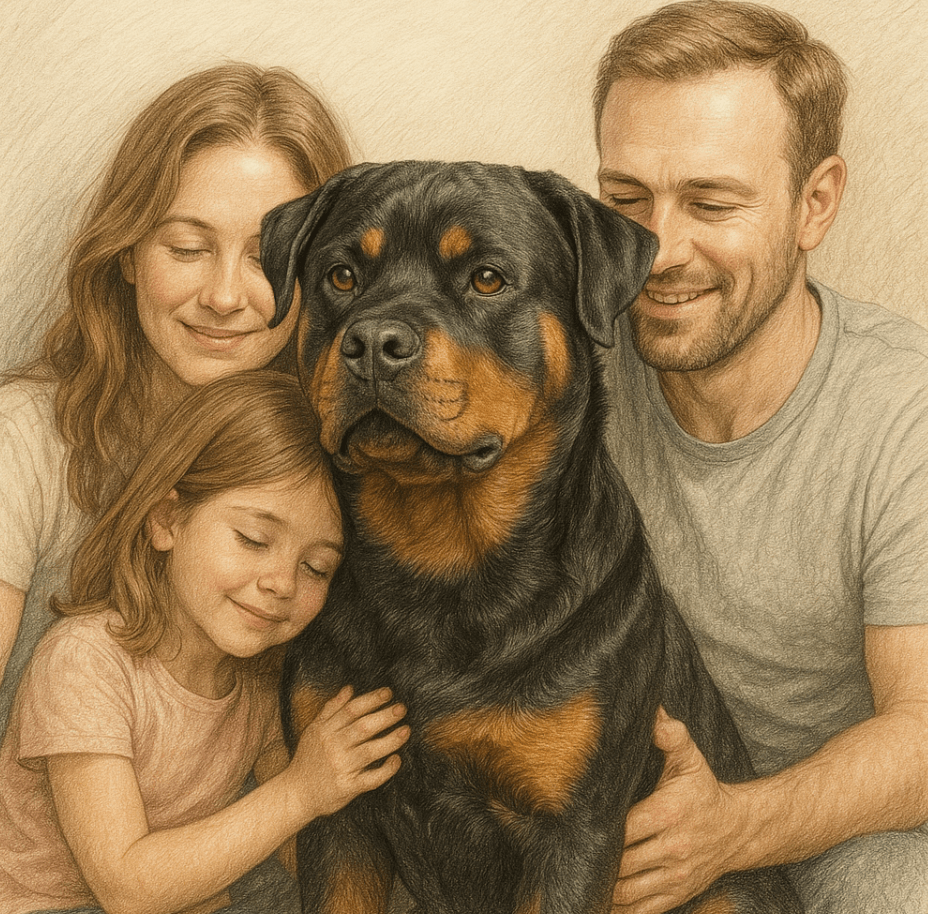

Is the Rottweiler a Good Family Dog?
When considering adding a Rottweiler to your family, many questions arise about their suitability as a family dog. Known for their strength, loyalty, and protective nature, Rottweilers are often misunderstood due to their imposing appearance. However, beneath their powerful exterior lies a loving and devoted companion capable of thriving in a family environment. Whether you’re a first-time dog owner or an experienced handler, understanding the temperament, needs, and characteristics of Rottweilers is essential to determine if they’re the right fit for your household. In this blog post, we’ll explore everything you need to know about making a Rottweiler part of your family.
Key Traits That Make Rottweilers Great Family Dogs
Rottweilers possess several qualities that make them excellent companions for families who can meet their needs. These traits highlight why they are often cherished as loyal and protective family members.
Loyalty and Devotion:
Rottweilers form strong bonds with their families and are known for their unwavering loyalty and affection toward their loved ones.Protective Instincts:
Naturally protective, Rottweilers are vigilant guardians who will go to great lengths to ensure the safety of their family.Playful and Energetic Nature:
Despite their serious reputation, Rottweilers enjoy playtime and can be wonderful companions for active families with children.Trainability and Intelligence:
Rottweilers are highly intelligent and eager to please, making them responsive to training when approached with consistency and patience.Compatibility with Kids (When Socialized):
Properly socialized Rottweilers are gentle and patient with children, often becoming their playful and protective companions.
These qualities demonstrate that Rottweilers can be exceptional family dogs when raised in a loving and structured environment.
Challenges of Owning a Rottweiler as a Family Dog
While Rottweilers have many positive traits, they also come with challenges that potential owners should consider before bringing one home. Understanding these factors ensures you’re prepared for the responsibilities of owning this breed.
High Exercise Needs:
Rottweilers require daily physical activity to prevent boredom and destructive behavior, which may be challenging for less active families.Strong Prey Drive:
Their natural instincts may lead them to chase smaller animals, requiring careful supervision around pets like cats or rabbits.Potential for Stubbornness:
Without consistent training and leadership, Rottweilers can become stubborn or overly independent, testing boundaries frequently.Risk of Aggression Without Socialization:
Poorly socialized Rottweilers may develop fear-based aggression, emphasizing the importance of early exposure to people and other animals.Size and Strength Concerns:
Their large size and powerful build can unintentionally knock over small children or fragile individuals if not trained properly.
By acknowledging these challenges, families can take proactive steps to address them and create a harmonious living environment.
Check this guide 👉Azawakh Rottweiler Mix: Best 7 Expert Tips!
Check this guide 👉Doberman Great Dane Rottweiler Mix: Best 7 Expert Tips!
Check this guide 👉Beagle Rottweiler Mix: Best 7 Expert Tips!
Pros of Rottweilers as Family Dogs | Cons of Rottweilers as Family Dogs |
|---|---|
Loyal and protective | High exercise requirements |
Gentle with kids (when socialized) | Potential for stubbornness |
Intelligent and trainable | Risk of aggression without training |
Playful and energetic | Large size can be intimidating |
Strong bond with family | Requires experienced handling |
Tips for Raising a Well-Behaved Rottweiler
To ensure your Rottweiler grows into a well-rounded and family-friendly dog, follow these practical tips for raising and training them effectively.
Start Training Early:
Begin obedience training and socialization during puppyhood to establish good habits and prevent behavioral issues later on.Provide Consistent Leadership:
Rottweilers thrive under confident leadership; set clear rules and enforce them consistently to maintain respect.Engage in Regular Exercise:
Daily walks, play sessions, and mental stimulation are crucial to keeping your Rottweiler physically and mentally healthy.Socialize Them Extensively:
Introduce your Rottweiler to various people, animals, and environments to help them develop confidence and adaptability.Use Positive Reinforcement:
Reward-based training methods work best with Rottweilers, encouraging cooperation through praise, treats, and toys.
With dedication and consistency, you can raise a happy, obedient Rottweiler who fits seamlessly into family life.
How to Ensure Your Rottweiler Gets Along with Kids
If you have children at home, it’s important to foster a safe and positive relationship between them and your Rottweiler. These strategies help build trust and mutual respect.
Teach Kids How to Interact Safely:
Educate children on how to approach and handle the dog gently, avoiding actions like pulling ears or tails.Supervise All Interactions:
Always monitor interactions between young kids and your Rottweiler to prevent accidents or misunderstandings.Encourage Calm Behavior Around Kids:
Reward your Rottweiler for staying calm and patient during playtime or when children are nearby.Avoid Rough Play:
Discourage wrestling or overly physical games that might encourage dominant or aggressive behavior.Create Separate Spaces:
Provide designated areas where both the dog and kids can retreat if they need personal space or downtime.
By fostering a respectful and supervised dynamic, you can ensure harmony between your Rottweiler and your children.
Common Misconceptions About Rottweilers
Many misconceptions surround Rottweilers, often painting them in an unfair light. Addressing these myths helps dispel stereotypes and promotes a better understanding of the breed.
Myth: Rottweilers Are Naturally Aggressive:
In reality, aggression results from improper training or neglect, not the breed itself.Myth: They Can’t Live in Apartments:
While they need space to move, Rottweilers can adapt to apartment living with sufficient exercise and mental stimulation.Myth: They Don’t Get Along with Other Pets:
Proper socialization allows Rottweilers to coexist peacefully with other animals in the household.Myth: Rottweilers Are Too Stubborn to Train:
With patience and consistency, Rottweilers excel in obedience and advanced training programs.Myth: They’re Only Guard Dogs:
Beyond guarding, Rottweilers are affectionate, playful, and versatile companions for active families.
Understanding the truth behind these misconceptions fosters appreciation for what makes Rottweilers unique.
Essential Supplies for Your Rottweiler
Equipping your home with the right supplies ensures your Rottweiler’s comfort, safety, and well-being. Here’s a list of must-have items for new owners.
Durable Collar and Leash:
Choose sturdy gear that can withstand their strength during walks or training sessions.Comfortable Bed:
Invest in a supportive bed designed for large breeds to prevent joint issues as they age.High-Quality Food:
Feed them a balanced diet formulated for large, active dogs to support their growth and energy needs.Interactive Toys:
Puzzle toys and chew-resistant options keep them entertained and mentally stimulated.Grooming Tools:
A slicker brush and nail clippers are essential for maintaining their coat and overall hygiene.
Having these essentials on hand prepares you for a smooth transition into life with a Rottweiler.
Health Considerations for Rottweilers
Like all breeds, Rottweilers are prone to certain health conditions that owners should be aware of. Proactive care and regular vet check-ups help manage these risks effectively.
Hip Dysplasia:
A common issue in large breeds, hip dysplasia can be managed with proper nutrition and controlled exercise.Heart Conditions:
Regular screenings help detect heart problems early, ensuring timely treatment and management.Obesity Risks:
Due to their love for food, Rottweilers can become overweight without portion control and adequate exercise.Bloat (Gastric Torsion):
Feeding smaller meals and avoiding vigorous activity after eating reduces the risk of this life-threatening condition.Allergies and Skin Issues:
Watch for signs of allergies, such as itching or redness, and consult your vet for appropriate remedies.
Staying informed about potential health concerns ensures your Rottweiler enjoys a long, happy, and healthy life.
Frequently Asked Questions About Rottweilers as Family Dogs
Are Rottweilers good with children?
Yes, when properly socialized and trained, Rottweilers can be gentle and protective companions for children.
Do Rottweilers require a lot of grooming?
No, their short coat is easy to maintain with regular brushing and occasional baths.
How much exercise does a Rottweiler need?
Rottweilers need at least 1-2 hours of exercise daily, including walks, playtime, and mental stimulation.
Can first-time owners handle a Rottweiler?
While possible, Rottweilers are better suited for experienced owners due to their strength and training needs.
Are Rottweilers aggressive by nature?
No, aggression stems from poor training or lack of socialization, not inherent traits of the breed.
Making the Decision: Is a Rottweiler Right for Your Family?
The question of whether a Rottweiler is a good family dog ultimately depends on your lifestyle, experience, and willingness to invest time in training and care. With their loyalty, protectiveness, and playful spirit, Rottweilers can bring immense joy and security to the right household. However, their strength, energy levels, and need for consistent guidance mean they aren’t suitable for every family. By carefully weighing the pros and cons and committing to responsible ownership, you can ensure a rewarding and lifelong partnership with this remarkable breed.
Is Rawhide Bad for Cats? Best 7 Expert Tips! – Discover the risks, safe alternatives, and expert advice to keep your feline friend healthy and happy.

Is Rawhide Bad for Dogs? Best 7 Expert Tips! – Discover the risks, benefits, and safer alternatives to rawhides for your dog’s chewing needs.

Understanding Anorexia in Cats: Best 7 Expert Tips! – Learn why cats stop eating, spot warning signs, and discover how to help your feline regain appetite safely.

Understanding Anorexia in Dogs: Best 7 Expert Tips! – Learn causes, symptoms, and solutions to help your dog regain appetite and stay healthy.