

How to Treat Dog Gingivitis: Best 7 Expert Tips!

How to Treat Dog Gingivitis: Best 7 Expert Tips!

How to Treat Dog Gingivitis

Gingivitis in dogs is more than just bad breath—it’s a common but reversible form of gum disease that, if ignored, can lead to serious health complications. Early signs like red gums, plaque buildup, or reluctance to chew are your dog’s quiet plea for help. The good news? With consistent care and the right approach, you can not only treat gingivitis but also prevent it from returning. This guide walks you through proven, vet-backed strategies to restore your dog’s oral health—safely and effectively. Because a healthy mouth means a happier, more vibrant life for your furry friend.

Recognizing the Early Signs of Gingivitis


Spotting gingivitis early gives you the best chance to reverse it before it damages teeth or spreads infection. Most dogs don’t show obvious pain until the condition is advanced—so knowing what to look for is key.

 
  • Red or inflamed gums:
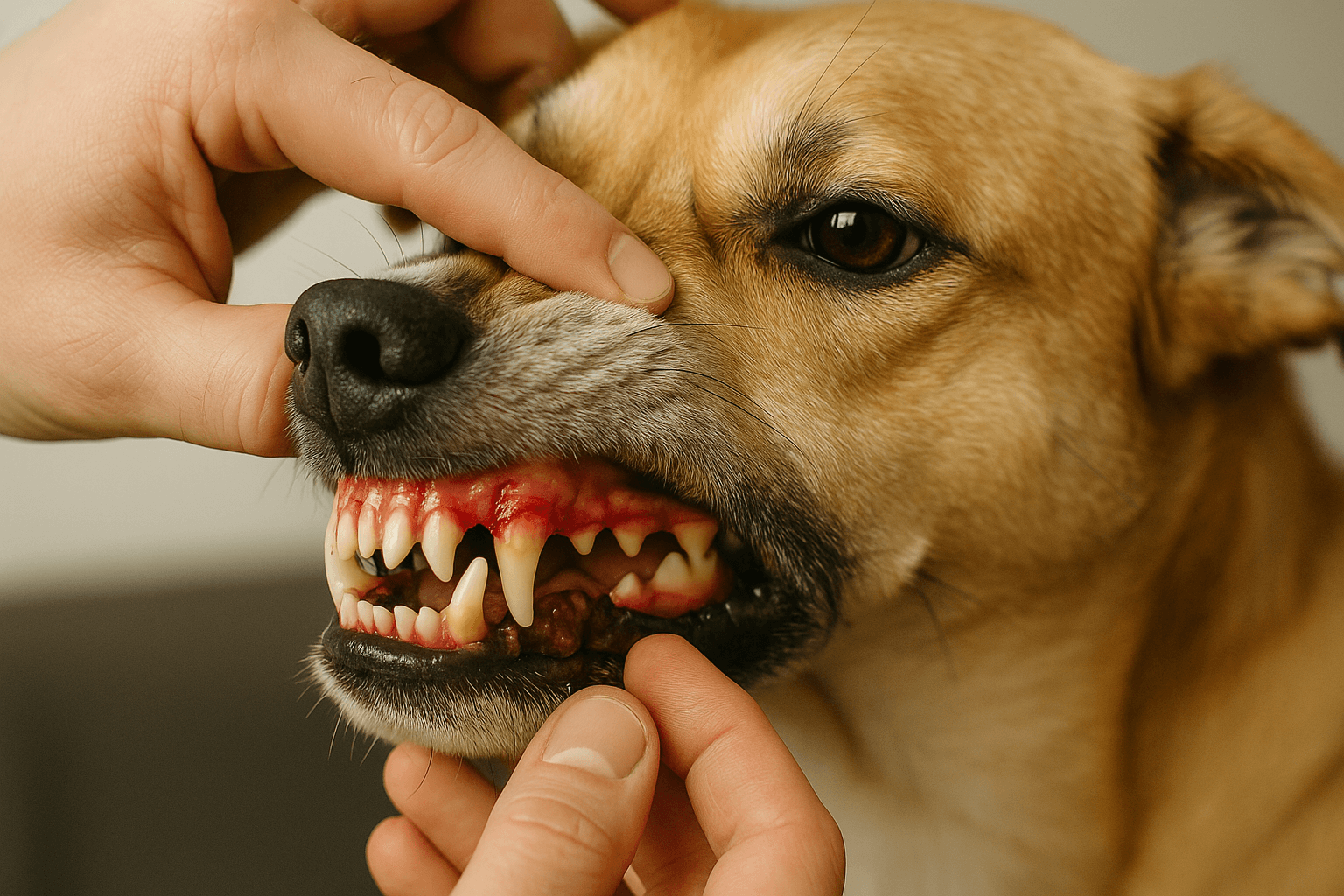
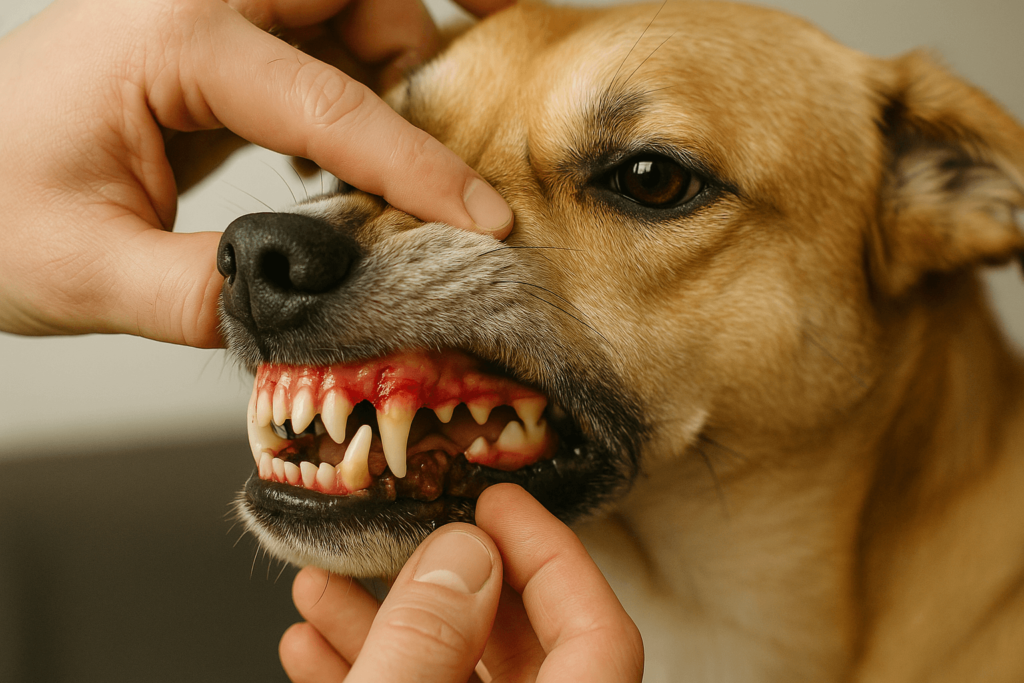
    Healthy gums are pink and firm; gingivitis causes them to appear reddened, especially along the gumline.
     
  • Bad breath (halitosis):
    While “dog breath” is normal, a persistent foul odor often signals bacterial overgrowth.
     
  • Yellow or brown tartar buildup:
    Plaque hardens into tartar within days—look for crusty deposits near the base of teeth.
     
  • Drooling or pawing at the mouth:
    Discomfort may lead your dog to drool excessively or rub its face with paws.
     
  • Reluctance to eat hard food or chew toys:
    Painful gums make chewing unpleasant, especially with dry kibble or tough treats.
 

Catching these signs early lets you act before gingivitis progresses to periodontitis—a painful, irreversible condition.

 
How to Treat Dog Gingivitis: Best 7 Expert Tips!

When to See a Veterinarian Immediately


Not all gum issues can be managed at home. Some symptoms signal advanced disease or secondary infection that requires professional care.

 
  • Bleeding gums:
    Even light brushing causes blood—this indicates severe inflammation or tissue damage.
     
  • Loose or missing teeth:
    A sign that bone and ligaments supporting teeth are already compromised.
     
  • Swelling under the eye or along the jaw:
    May indicate a tooth root abscess that needs antibiotics or extraction.
     
  • Refusal to eat for more than 24 hours:
    Pain or infection may be so severe your dog avoids food completely.
     
  • Pus or foul-smelling discharge from the mouth:
    Clear evidence of active infection requiring urgent treatment.
 

In these cases, home remedies won’t cut it—your dog needs a dental exam, possibly under anesthesia, to prevent systemic illness.

At-Home Prevention & Care Signs Requiring Veterinary Dentistry
Daily tooth brushing with dog-safe paste Bleeding or receding gums
Dental chews approved by VOHC Loose or broken teeth
Oral rinses or water additives Facial swelling or discharge
Regular chew toy rotation Persistent bad breath despite home care
Annual vet dental checkups Loss of appetite or weight loss

Safe At-Home Treatments for Mild Gingivitis


For early-stage gingivitis, consistent home care can often reverse inflammation and restore gum health—especially when started under veterinary guidance.

 
  • Daily tooth brushing:
    Use a soft finger brush or dog toothbrush with enzymatic toothpaste—never human toothpaste, which is toxic.
     
  • VOHC-approved dental chews:
    Products with the Veterinary Oral Health Council seal help reduce plaque and tartar mechanically.
     
  • Antibacterial oral rinses:
    Chlorhexidine-based rinses (vet-prescribed) can reduce bacterial load when brushing isn’t enough.
     
  • Dental water additives:
    Added to your dog’s bowl, these help freshen breath and slow plaque formation—ideal for resistant brushers.
     
  • Dietary support:
    Some prescription dental diets feature kibble designed to scrub teeth as your dog chews.
 

These methods work best as a preventive routine—but even in mild gingivitis, they should complement, not replace, professional advice.

Foods and Chews That Support Oral Health


What your dog eats plays a surprising role in gum health. The right textures and ingredients can actively fight plaque buildup.

 
  • Dry kibble over wet food:
    Crunchy kibble provides light abrasion that helps delay tartar—though it’s not a substitute for brushing.
     
  • Dental-specific diets (e.g., Hill’s t/d):
    Fiber structure encourages chewing that cleans tooth surfaces as your dog eats.
     
  • Rubber chew toys (like Kong):
    Encourage gnawing that stimulates gums and scrapes away soft plaque.
     
  • Raw bones (with caution):
    Some vets support raw meaty bones for oral health—but never cooked bones, which splinter dangerously.
     
  • Carrots or apple slices (in moderation):
    Natural, fibrous snacks offer gentle cleaning and satisfy chewing instincts.
 

Always supervise chewing sessions and avoid anything harder than your dog’s teeth—like antlers or hooves—that can cause fractures.

What NOT to Use for Dog Gingivitis


Good intentions can go wrong fast when using unsafe or ineffective products. Avoid these common pitfalls.

 
  • Human toothpaste or mouthwash:
    Contains xylitol, fluoride, or alcohol—all toxic to dogs, even in small amounts.
     
  • Baking soda:
    Too abrasive for enamel and can upset stomach acid if swallowed regularly.
     
  • Hard plastic or nylon bones:
    Can crack teeth or wear down enamel over time, worsening dental vulnerability.
     
  • Unproven “miracle” supplements:
    Powders or oils claiming to dissolve tartar lack scientific backing and may delay real treatment.
     
  • Skipping professional cleanings due to cost:
    Waiting too long allows reversible gingivitis to become irreversible periodontal disease—costing more long-term.
 

When in doubt, ask your vet before introducing any new oral product—your dog’s teeth depend on it.

The Role of Professional Dental Cleanings


Even the best home care can’t remove hardened tartar below the gumline—where gingivitis often starts. That’s where veterinary dentistry steps in.

 
  • Scaling and polishing under anesthesia:
    The gold standard for removing plaque and tartar above and below the gumline safely.
     
  • Dental X-rays:
    Reveal hidden issues like root infections or bone loss that aren’t visible during a surface exam.
     
  • Extractions (if needed):
    Severely damaged teeth may need removal to eliminate pain and infection sources.
     
  • Antibiotic therapy:
    Used before or after cleaning in dogs with systemic conditions or active infection.
     
  • Personalized home care plan:
    Your vet will recommend tools and routines based on your dog’s specific needs post-cleaning.
 

Most dogs benefit from a professional cleaning every 1–3 years—depending on breed, age, and home care consistency.

Long-Term Prevention Strategies


Treating gingivitis isn’t a one-time fix—it’s the start of lifelong oral wellness. Prevention is easier, kinder, and far less expensive.

 
  • Start brushing early:
    Puppies adapt quickly; make it a positive, daily ritual with treats and praise.
     
  • Schedule annual dental exams:
    Even if teeth look clean, hidden issues can lurk—early detection saves teeth.
     
  • Know your breed’s risk:
    Toy breeds like Yorkies, Poodles, and Chihuahuas are prone to early and severe gingivitis.
     
  • Monitor chewing behavior:
    A sudden drop in toy interest may be your first clue something’s wrong in the mouth.
     
  • Combine methods for best results:
    Brushing + dental chews + water additive + vet checks = comprehensive defense.
 

Consistency turns prevention into habit—and healthy gums into your dog’s new normal.


“Your dog will benefit tremendously from a professional oral assessment, treatment, and teeth cleaning under anesthesia, followed by a consistent oral homecare routine.” – Courtney Barnes, BSc, DVM

Frequently Asked Questions

Can gingivitis in dogs be reversed?

Yes—when caught early. Daily brushing and professional cleaning can fully reverse gingivitis before it damages bone or ligaments.

Ideally daily. Brushing every other day is the minimum to prevent plaque from hardening into tartar.

No. While helpful, chews can’t replace brushing—they should be part of a broader oral care routine.

For most dogs, yes. Modern protocols include pre-op bloodwork and monitoring to minimize risks—far safer than leaving infection untreated.

Not reliably. Even dental diets need to be combined with mechanical cleaning (brushing or chews) for full protection.

A Healthy Mouth, A Healthier Life


Treating dog gingivitis isn’t just about fresh breath or pearly whites—it’s about safeguarding your companion’s overall well-being. Poor oral health has been linked to heart, kidney, and liver disease because bacteria from the mouth can enter the bloodstream. By taking gum health seriously, you’re not just saving teeth; you’re adding quality—and possibly years—to your dog’s life. Start small, stay consistent, and partner with your vet. Your dog’s bright, pain-free smile is worth every moment of care.

Is Rawhide Bad for Cats? Best 7 Expert Tips!

Is Rawhide Bad for Cats? Best 7 Expert Tips! – Discover the risks, safe alternatives, and expert advice to keep your feline friend healthy and happy.

Is Rawhide Bad for Dogs? Best 7 Expert Tips!

Is Rawhide Bad for Dogs? Best 7 Expert Tips! – Discover the risks, benefits, and safer alternatives to rawhides for your dog’s chewing needs.

Understanding Anorexia in Cats: Best 7 Expert Tips!

Understanding Anorexia in Cats: Best 7 Expert Tips! – Learn why cats stop eating, spot warning signs, and discover how to help your feline regain appetite safely.

Understanding Anorexia in Dogs: Best 7 Expert Tips!

Understanding Anorexia in Dogs: Best 7 Expert Tips! – Learn causes, symptoms, and solutions to help your dog regain appetite and stay healthy.

Leave a Reply

Your email address will not be published. Required fields are marked *