

How to Tell If Your Cat Has Herpes: Best 7 Expert Tips!

How to Tell If Your Cat Has Herpes: Best 7 Expert Tips!

How to Tell If Your Cat Has Herpes

Feline herpesvirus (FHV-1) is far more common than most cat owners realize — and it’s not the same as human herpes. This highly contagious viral infection primarily affects a cat’s eyes, nose, and respiratory tract. While it can’t be cured, it can be managed effectively with early recognition and proper care. Knowing the signs could mean the difference between mild discomfort and serious complications for your beloved feline.

Understanding Feline Herpesvirus

Feline herpesvirus type 1 (FHV-1) is one of the leading causes of upper respiratory infections in cats, especially in shelters, multi-cat households, or stressful environments. Nearly all cats are exposed to it at some point, and once infected, the virus remains dormant in their system for life — flaring up during times of stress or illness.

 
  • Extremely Common:
    Up to 90% of cats are exposed to FHV-1 during kittenhood, often from their mother.

  • Lifelong Carrier Status:
    Even symptom-free cats can carry and shed the virus intermittently throughout their lives.

  • Stress-Triggered Reactivation:
    Events like moving, vet visits, or introducing a new pet can cause dormant virus to resurface.

  • Not a Human Threat:
    Feline herpes is species-specific and poses zero risk to people or other animals like dogs.

  • Highly Contagious Among Cats:
    The virus spreads through direct contact, shared food bowls, or contaminated surfaces.


While feline herpes sounds alarming, most cases are manageable with supportive care. Early detection is key to preventing secondary infections and ensuring your cat lives a comfortable life.

How to Tell If Your Cat Has Herpes: Best 7 Expert Tips!

Common Signs Your Cat May Have Herpes

Recognizing the early symptoms of feline herpes can help you seek timely veterinary care and reduce your cat’s discomfort. These signs often mimic a cold but can escalate quickly if ignored.

 
  • Sneezing and Nasal Discharge:
    Persistent sneezing and clear or cloudy nasal discharge are hallmark signs of an upper respiratory infection, often caused by FHV-1.

     
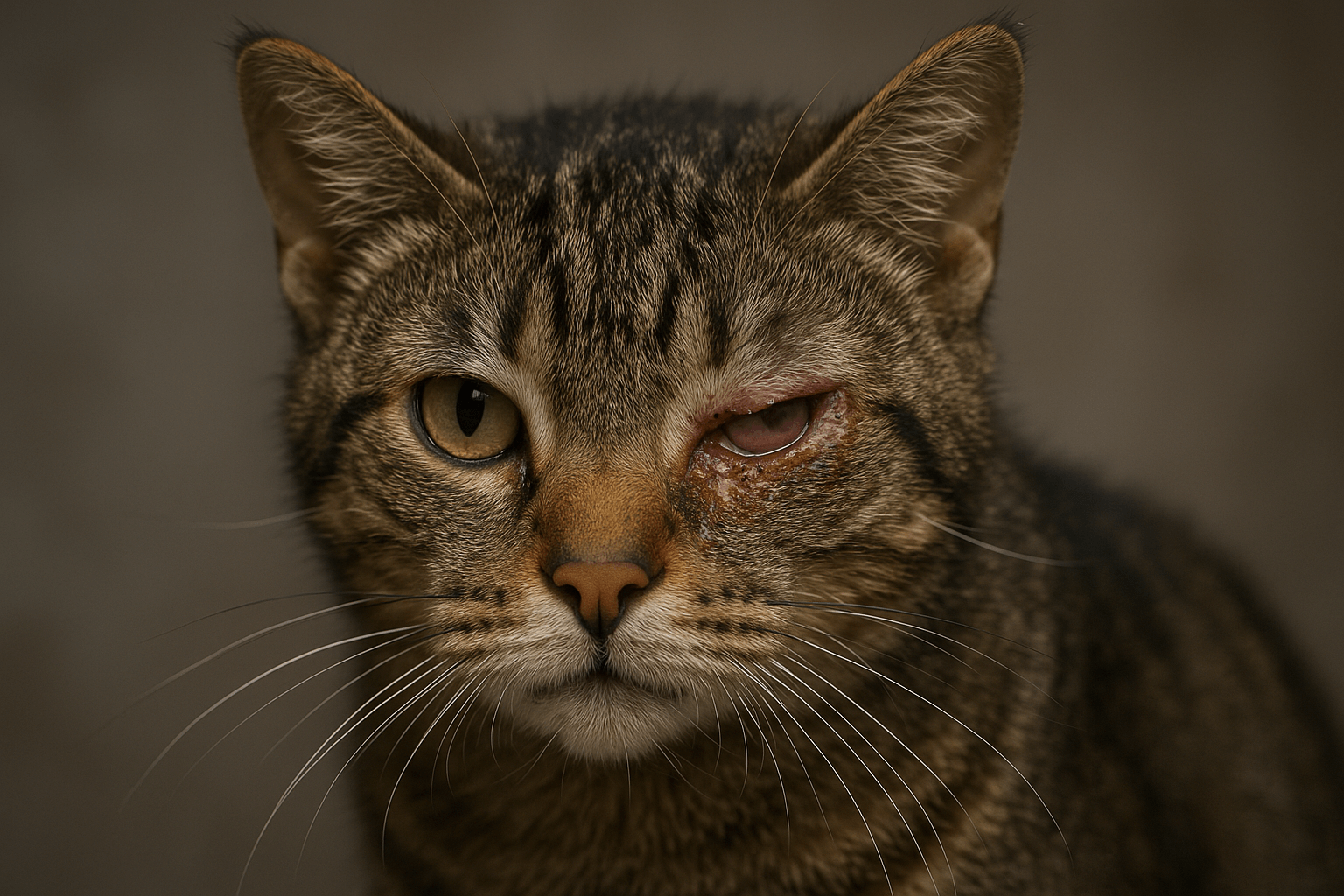
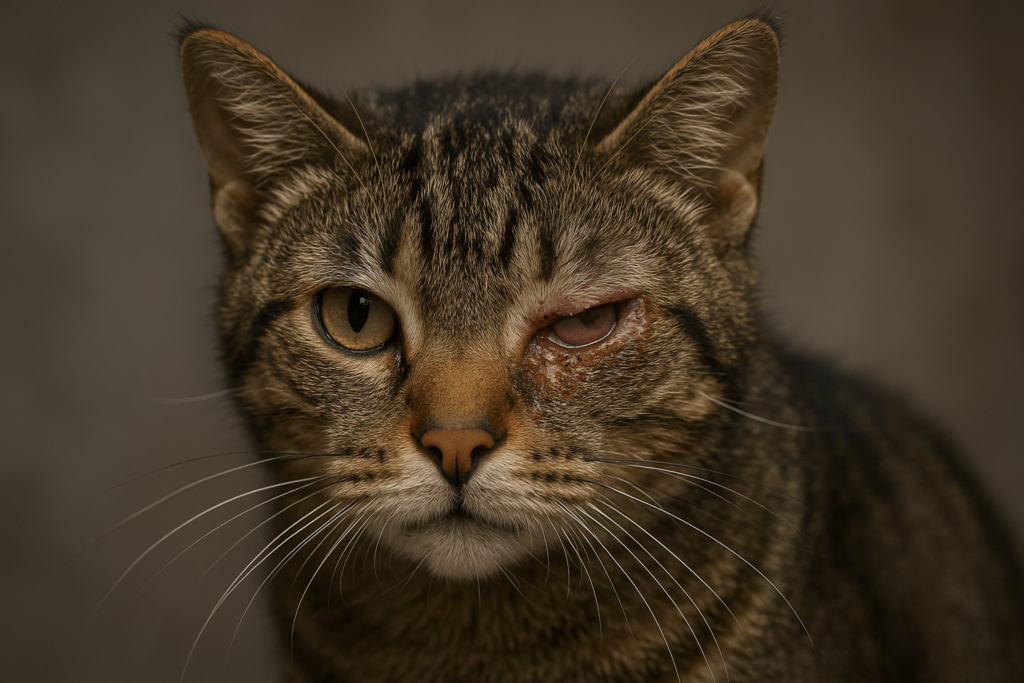
  • Eye Issues (Conjunctivitis or Keratitis):
    Red, swollen, watery eyes — sometimes with squinting or cloudiness — are classic indicators of ocular herpes.

     
  • Corneal Ulcers:
    In severe cases, the virus can erode the cornea, leading to painful ulcers that require immediate treatment.

     
  • Loss of Appetite:
    Nasal congestion can dull your cat’s sense of smell, making food unappealing and leading to rapid weight loss.

     
  • Lethargy and Fever:
    Your cat may seem unusually tired, withdrawn, or warm to the touch during an active flare-up.


If you notice any combination of these symptoms, especially in kittens or senior cats, contact your veterinarian promptly. Early intervention greatly improves outcomes.

Early Warning Signs When to Seek Emergency Care
Mild sneezing lasting more than 2 days Inability to open one or both eyes
Watery eyes or slight eye redness Thick yellow/green eye or nasal discharge
Reduced interest in food Refusal to eat for over 24 hours
Occasional lethargy Labored breathing or open-mouth breathing
Mild eye squinting Visible cloudiness or ulcer on the eye surface

How Herpes Affects Kittens and Senior Cats

Age plays a critical role in how severely feline herpes impacts your cat. Kittens and older cats are especially vulnerable due to weaker or immature immune systems.

 
  • Kittens:
    Their immune systems are still developing, making them prone to severe respiratory distress and even pneumonia from FHV-1.

     
  • Senior Cats:
    Aging cats often have chronic conditions (like kidney disease) that suppress immunity, increasing herpes flare-up frequency.

     
  • Orphaned or Shelter Kittens:
    These are at the highest risk due to early stress and overcrowding — many develop “herpes eye” that can cause permanent scarring.

     
  • Nursing Queens:
    Infected mothers can pass the virus to kittens during birth or through close contact in the first weeks of life.

     
  • Vaccination Gaps:
    Unvaccinated kittens miss critical protection, making early vet visits essential.


For these age groups, prevention, early diagnosis, and consistent care are non-negotiable. Never assume “it’s just a cold” — in vulnerable cats, herpes can be life-threatening.

Diagnosing Feline Herpes: What to Expect at the Vet

There’s no single definitive test for active herpes, but veterinarians use a combination of clinical signs, history, and lab tools to make an informed diagnosis.

 
  • Physical Examination:
    Your vet will check your cat’s eyes, nose, temperature, and lymph nodes for signs of infection.

     
  • PCR Testing:
    A swab from the eye or throat can detect viral DNA, confirming active FHV-1 shedding.

     
  • Fluorescein Stain Test:
    This dye highlights corneal ulcers under UV light — a common complication of ocular herpes.

     
  • Ruling Out Other Causes:
    Your vet may test for calicivirus, chlamydia, or allergies, which can mimic herpes symptoms.

     
  • Medical History Review:
    Recent stressors, vaccination status, and exposure to other cats help build the full picture.


While diagnosis can feel overwhelming, your vet’s goal is to confirm the cause and start supportive treatment quickly. Never delay care — eye damage from herpes can become irreversible within days.

Treatment and Management Strategies

There is no cure for feline herpes, but with proper care, most cats live full, happy lives. Treatment focuses on reducing symptoms, preventing complications, and minimizing flare-ups.

 
  • Antiviral Eye Drops:
    Medications like idoxuridine or famciclovir can suppress viral replication in the eyes.

     
  • Oral Antivirals:
    In severe cases, vets may prescribe oral famciclovir to control systemic symptoms.

     
  • L-Lysine Supplementation (Controversial):
    Once widely used, L-lysine is now debated — some studies show limited benefit, so consult your vet before using.

     
  • Antibiotics for Secondary Infections:
    Bacterial infections often follow viral damage; antibiotics help prevent pneumonia or sinusitis.

     
  • Humidified Air & Hydration:
    Steam therapy (e.g., bringing your cat into a steamy bathroom) eases congestion and supports recovery.


With consistent home care and vet guidance, even recurrent herpes can be kept under control. The goal is comfort and prevention — not elimination.

Preventing Herpes Transmission in Multi-Cat Homes

If you have more than one cat, containing the virus is crucial. FHV-1 spreads easily through shared items and close contact.

 
  • Isolate Infected Cats:
    Keep symptomatic cats in a separate room with their own food bowls, litter box, and bedding.

     
  • Wash Hands Thoroughly:
    Always wash hands or change clothes after handling a sick cat before interacting with others.

     
  • Disinfect Surfaces:
    Use pet-safe disinfectants (like bleach diluted 1:32) on bowls, toys, and floors — the virus survives up to 24 hours off-host.

     
  • Vaccinate All Cats:
    The FVRCP vaccine doesn’t prevent infection but significantly reduces severity and shedding.

     
  • Reduce Household Stress:
    Use Feliway diffusers, maintain routines, and provide hiding spots to lower flare-up triggers.


Prevention isn’t about perfection — it’s about minimizing risk. A calm, clean, and consistent environment goes a long way in managing herpes in multi-cat households.


Long-Term Care for Cats with Herpes

Living with a herpes-positive cat requires ongoing awareness, but it doesn’t mean constant illness. Most cats experience occasional flare-ups followed by long symptom-free periods.

 
  • Monitor for Recurrence:
    Keep a journal of symptoms, stressors, and treatments to identify personal triggers.

     
  • Support Immune Health:
    Feed high-quality, protein-rich food and ensure regular vet check-ups.

     
  • Avoid Unnecessary Stress:
    Plan vet visits, travel, or home changes thoughtfully to reduce viral reactivation.

     
  • Maintain Eye Hygiene:
    Gently wipe eye discharge with a warm, damp cloth to prevent crust buildup and secondary infection.

     
  • Stay in Touch with Your Vet:
    Establish a trusted relationship for quick advice during flare-ups — don’t wait for symptoms to worsen.


With love and attentiveness, your herpes-positive cat can thrive. The virus becomes just one small part of their story — not the defining chapter.


“Up to 97% of cats are exposed to feline herpes virus in their lifetime, and the virus causes a lifelong infection in up to 80% of exposed cats.” Cornell Feline Health Center

Frequently Asked Questions About Feline Herpes

Can humans catch herpes from cats?

No. Feline herpesvirus (FHV-1) is species-specific and cannot infect humans, dogs, or other animals.

No. Once infected, the virus remains for life. However, symptoms can be managed effectively with treatment and stress reduction.

Most flare-ups resolve within 1–3 weeks with proper care, though eye symptoms may linger longer.

Yes. The FVRCP vaccine helps reduce the severity and frequency of future outbreaks, even in infected cats.

Yes. Many cats are infected as kittens before adoption. Others may contract it from contaminated clothing, shoes, or new pets introduced to the home.

Supporting Your Cat Through Herpes with Compassion

Feline herpes is manageable, not catastrophic. With early recognition, veterinary support, and a stress-minimized home, your cat can enjoy a joyful, healthy life. Never view a herpes diagnosis as a burden — it’s simply a call to provide extra tenderness during vulnerable moments. Your awareness, patience, and love are the most powerful medicine your cat will ever receive.

Is Rawhide Bad for Cats? Best 7 Expert Tips!

Is Rawhide Bad for Cats? Best 7 Expert Tips! – Discover the risks, safe alternatives, and expert advice to keep your feline friend healthy and happy.

Is Rawhide Bad for Dogs? Best 7 Expert Tips!

Is Rawhide Bad for Dogs? Best 7 Expert Tips! – Discover the risks, benefits, and safer alternatives to rawhides for your dog’s chewing needs.

Understanding Anorexia in Cats: Best 7 Expert Tips!

Understanding Anorexia in Cats: Best 7 Expert Tips! – Learn why cats stop eating, spot warning signs, and discover how to help your feline regain appetite safely.

Understanding Anorexia in Dogs: Best 7 Expert Tips!

Understanding Anorexia in Dogs: Best 7 Expert Tips! – Learn causes, symptoms, and solutions to help your dog regain appetite and stay healthy.

Leave a Reply

Your email address will not be published. Required fields are marked *