

How to Comfort a Dog with Cushings Disease
Watching your dog face the effects of Cushing’s disease can be heartbreaking—but your care makes all the difference. This hormonal condition, caused by excess cortisol, leads to fatigue, increased thirst, skin changes, and anxiety. While it’s a lifelong diagnosis, comfort, stability, and love can dramatically improve your dog’s quality of life. With thoughtful adjustments and veterinary support, your loyal companion can still enjoy calm, joyful days. Here’s how to wrap your pup in the comfort they deserve.
Understanding Cushing’s Disease in Dogs
Before you can truly comfort your dog, it helps to understand what Cushing’s disease is and how it affects them. This condition occurs when the body produces too much cortisol—a stress hormone—due to a tumor on the pituitary or adrenal gland, or from long-term steroid use.
- Pituitary-dependent Cushing’s (most common):
About 80–85% of cases stem from a benign tumor in the pituitary gland that overstimulates cortisol production. - Adrenal-dependent Cushing’s:
Less common, this form originates from a tumor on one or both adrenal glands near the kidneys. - Iatrogenic Cushing’s:
Caused by prolonged use of corticosteroid medications, this type is often reversible once treatment is adjusted. - Common symptoms include:
Excessive thirst and urination, pot-bellied appearance, thinning skin, hair loss, and lethargy. - Diagnosis requires testing:
Veterinarians use blood tests like the ACTH stimulation test or low-dose dexamethasone suppression test to confirm the disease.
Understanding the source and signs helps you respond with empathy—not frustration—when your dog seems restless, thirsty, or tired.
Emotional and Behavioral Changes to Anticipate
Cushing’s doesn’t just affect the body—it can shift your dog’s mood and behavior, too. Excess cortisol mimics chronic stress, which may lead to restlessness, anxiety, or confusion, especially at night.
- Increased nighttime pacing or panting:
Many dogs with Cushing’s struggle to settle down after dark due to hormonal imbalances. - Heightened need for closeness:
Your dog may follow you more than usual or seek physical contact for reassurance. - Mild cognitive changes:
Some dogs become forgetful—forgetting commands, seeming “lost” in familiar rooms, or staring blankly. - Reduced tolerance for noise or change:
Loud sounds or visitors may trigger more anxiety than before diagnosis. - Decreased play drive:
While still affectionate, your dog might lose interest in toys or games they once loved.
Recognizing these shifts as part of the illness—not disobedience—helps you respond with patience and compassion.
Check this guide 👉Dog Diseases That Cause Aggression: Best 7 Expert Tips!
Check this guide 👉Can Black Skin Disease Kill a Dog? Best 7 Expert Tips!
Check this guide 👉Autoimmune Disease in Dogs: Best 7 Expert Tips!
| Comfort Strategies at Home | Veterinary Support Needs |
|---|---|
| Soft, supportive bedding to ease joint pressure | Regular blood monitoring for medication adjustments |
| Easy-access water stations to manage thirst | Skin infection checks during every vet visit |
| Nightlights to reduce nighttime confusion | Ultrasounds to monitor adrenal or pituitary tumors |
| Gentle grooming to prevent skin irritation | Dental exams (Cushing’s increases infection risk) |
| Consistent daily routines for emotional security | Medication refills and side-effect assessments |
Creating a Soothing Home Environment
A calm, predictable space can ease your dog’s stress and make daily life more comfortable. Small changes in your home can have a big emotional impact.
- Provide orthopedic bedding:
Memory foam or vet-approved dog beds reduce pressure on thinning skin and achy joints. - Place water bowls in multiple rooms:
Helps your dog stay hydrated without long walks—ideal for senior dogs or those with weak muscles. - Use non-slip rugs on hardwood floors:
Prevents slips and falls, which are more likely due to muscle weakness from Cushing’s. - Keep a quiet “retreat” space:
A cozy corner away from noise gives your dog a place to decompress when overwhelmed. - Maintain a consistent daily schedule:
Dogs with Cushing’s feel safer when mealtimes, walks, and bedtime happen at the same hour each day.
These thoughtful touches transform your home into a true sanctuary for your pup.
Diet and Hydration Support
Nutrition plays a quiet but powerful role in managing Cushing’s symptoms and supporting overall well-being.
- Choose low-fat, high-quality protein foods:
Excess cortisol increases fat storage; lean diets help maintain a healthier weight. - Avoid high-sodium treats:
Salt can worsen blood pressure and fluid retention—opt for low-sodium or homemade snacks. - Offer fresh water constantly:
Polydipsia (excessive thirst) is common; never restrict water, even if accidents happen. - Consider vet-approved supplements:
Omega-3s, phosphatidylserine, or lignans may support hormone balance—only under veterinary guidance. - Feed smaller, more frequent meals:
Helps stabilize energy and reduce bloating from the characteristic “pot belly.”
Always consult your vet before changing your dog’s diet—individual needs vary based on medication and other health factors.
Managing Skin and Coat Care
Thinning skin, hair loss, and slow healing are common with Cushing’s—making gentle grooming essential.
- Bathe only when necessary:
Use hypoallergenic, oatmeal-based shampoos to avoid drying out fragile skin. - Brush gently with soft bristles:
Daily light brushing removes dead hair and boosts circulation without causing irritation. - Trim nails regularly:
Long nails can alter gait and cause discomfort, especially if muscle mass is reduced. - Check for sores or hot spots daily:
Even minor scratches can become infected quickly due to weakened immunity. - Avoid flea collars or harsh topical products:
Opt for vet-recommended preventatives that won’t irritate sensitive skin.
A little extra care here prevents pain and keeps your dog feeling clean and dignified.
Supporting Mobility and Exercise
While your dog may seem tired, gentle movement is still important—but it must be tailored to their current ability.
- Short, frequent walks beat long hikes:
10–15 minutes twice a day maintains circulation without overexertion. - Use ramps or steps for furniture access:
Helps avoid jumps that strain weakened muscles or joints. - Try indoor enrichment games:
Snuffle mats or slow-feed puzzles offer mental stimulation without physical strain. - Consider vet-approved joint supplements:
Glucosamine or chondroitin may ease discomfort if arthritis is also present. - Watch for stumbling or weakness:
These may signal progression—report changes to your vet promptly.
The goal isn’t fitness—it’s comfort, connection, and preserving joy in motion.
Strengthening Your Emotional Bond
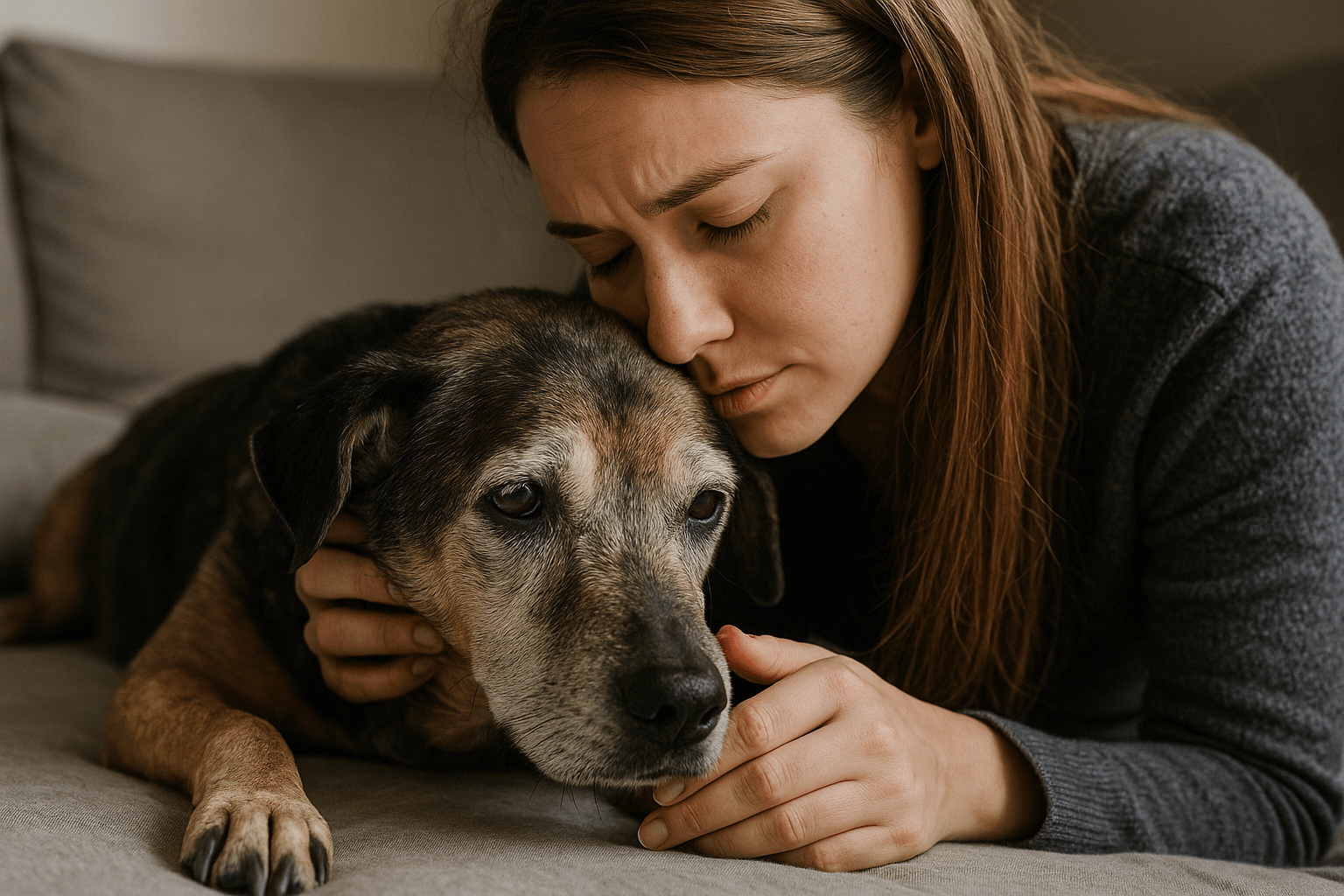
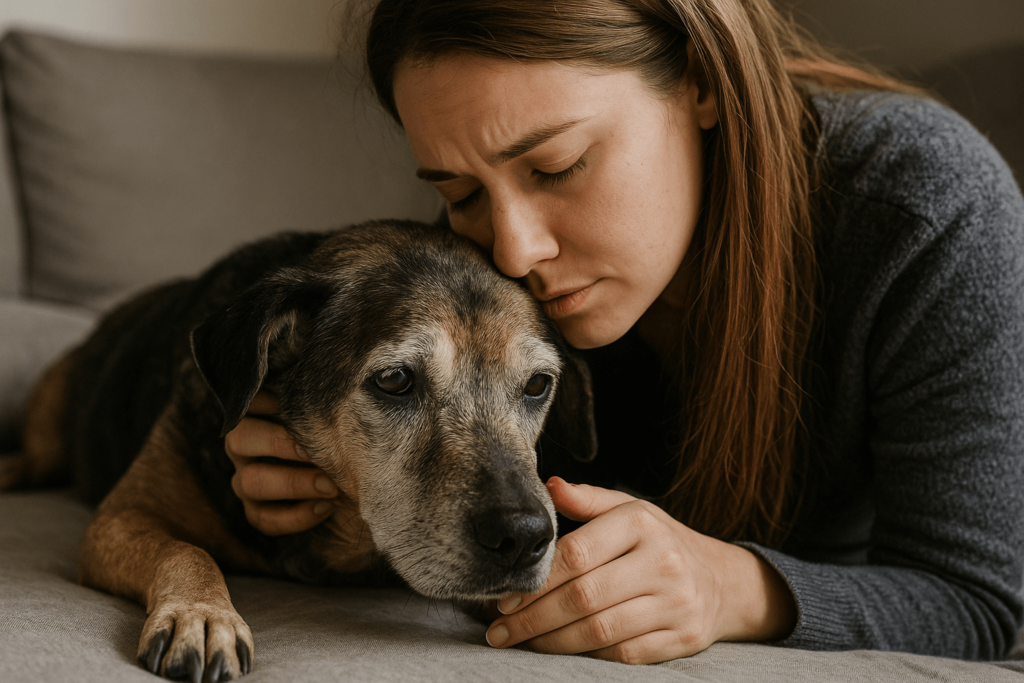
Cushing’s can make your dog feel vulnerable. Your presence, voice, and touch become their emotional anchor.
- Speak in soft, reassuring tones:
Calm words during vet visits or nighttime restlessness can lower anxiety. - Offer gentle massage:
Light stroking (avoiding thin skin areas) promotes relaxation and circulation. - Stay close during storms or loud events:
Your dog may be more noise-sensitive; your lap or side-by-side cuddle offers security. - Celebrate small moments of joy:
A tail wag, a nap in the sun, or a quiet purr-like sigh—these are victories worth honoring. - Avoid scolding for accidents or pacing:
These are symptoms, not misbehavior—respond with kindness, not correction.
Your love isn’t a cure—but it is medicine for the heart.
“Consider using non-slip mats on floors to prevent slipping, as muscle weakness can make stability an issue.”
— Petdirect Pharmacy
Frequently Asked Questions
Can Cushing’s disease be cured?
Pituitary-dependent Cushing’s is usually managed for life with medication. Adrenal tumors may be surgically curable if caught early and operable.
How long can a dog live with Cushing’s?
With proper treatment and care, many dogs live 2–4 years or more after diagnosis—often with good quality of life.
Does my dog feel pain from Cushing’s?
Not directly—but secondary issues like skin infections, muscle weakness, or arthritis can cause discomfort.
Should I still give my dog treats?
Yes, but choose low-fat, low-sodium options. Your dog still deserves joy—just in a Cushing’s-friendly way.
Is euthanasia ever necessary?
If your dog stops eating, becomes severely lethargic, or suffers despite treatment, humane end-of-life care may be the kindest choice—discuss this openly with your vet.
Final Thoughts – Love in the Time of Cortisol
Cushing’s disease changes your dog’s body—but not their spirit, nor your bond. By offering comfort through routine, compassion, and careful care, you give them something medicine alone cannot: the deep, quiet assurance that they are safe, seen, and cherished. Every soft blanket, every extra water bowl, every patient moment in the night—they all add up to a life still filled with dignity and love. And in the end, that’s the greatest comfort of all.
Is Rawhide Bad for Cats? Best 7 Expert Tips! – Discover the risks, safe alternatives, and expert advice to keep your feline friend healthy and happy.

Is Rawhide Bad for Dogs? Best 7 Expert Tips! – Discover the risks, benefits, and safer alternatives to rawhides for your dog’s chewing needs.

Understanding Anorexia in Cats: Best 7 Expert Tips! – Learn why cats stop eating, spot warning signs, and discover how to help your feline regain appetite safely.

Understanding Anorexia in Dogs: Best 7 Expert Tips! – Learn causes, symptoms, and solutions to help your dog regain appetite and stay healthy.