
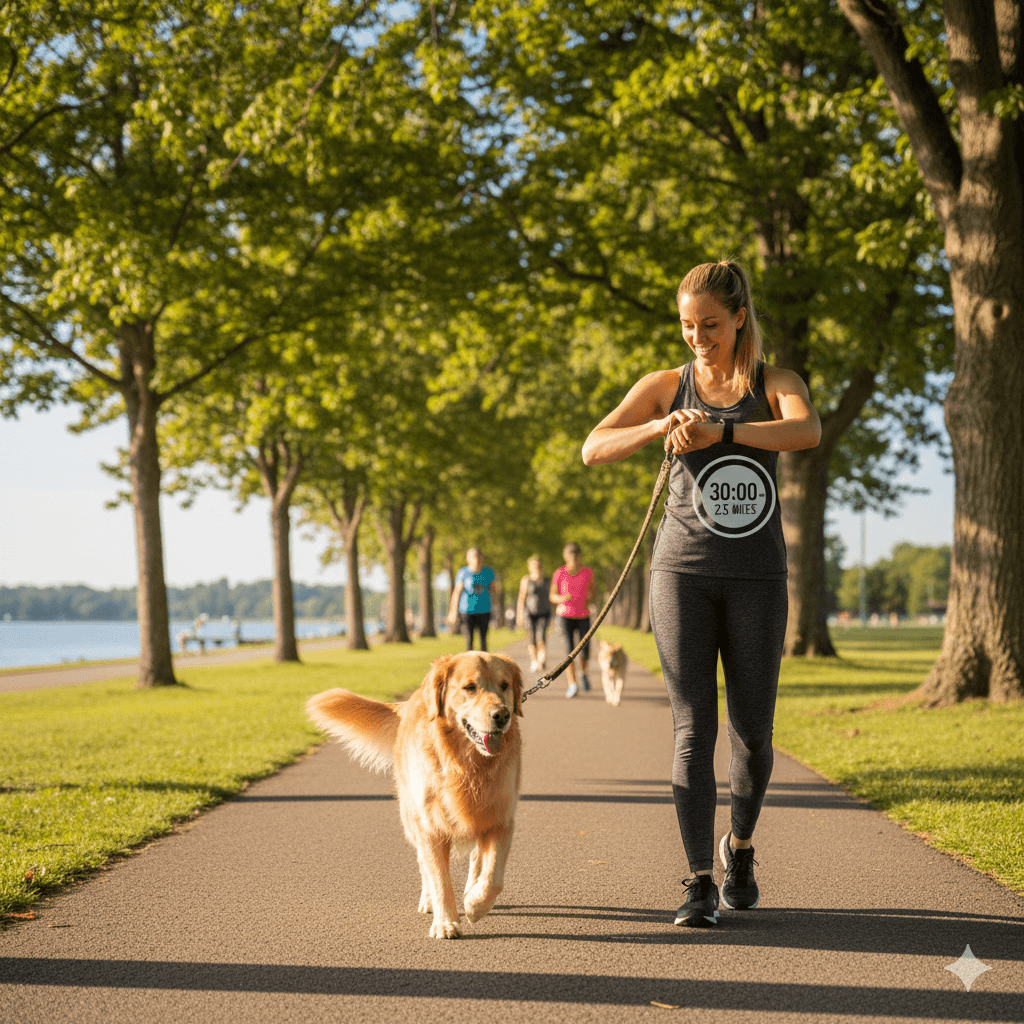

How Long Should I Walk My Dog: Best 7 Expert Tips!

How Long Should I Walk My Dog: Best 7 Expert Tips!

How Long Should I Walk My Dog: Best 7 Expert Tips

Walking your dog is more than just exercise—it’s an essential part of their physical and mental well-being. But how long should these walks be? The answer depends on factors like breed, age, size, and energy levels. Over-exercising or under-exercising can lead to health issues or behavioral problems, so finding the right balance is key. With expert advice, you can tailor a walking routine that keeps your furry friend happy and healthy for years to come.

Factors Influencing Your Dog’s Walking Needs

Every dog is unique, and several variables determine how long they should spend outside stretching their legs. Understanding these factors ensures you’re meeting your dog’s individual requirements while avoiding strain or boredom. Here’s what to consider:

 
  • Breed-Specific Traits:
    Some breeds, like Border Collies or Huskies, are built for endurance and need longer walks (60–90 minutes). Others, like Bulldogs or Pugs, thrive with shorter, gentler strolls (20–30 minutes).
     
  • Age and Life Stage:
    Puppies have boundless energy but tire quickly; aim for multiple short walks totaling 30–60 minutes daily. Senior dogs may slow down and benefit from leisurely-paced outings lasting 20–45 minutes.
     
  • Size and Weight Class:
    Larger breeds often require more movement to stay fit, while smaller dogs might burn energy faster during playtime rather than extended walks.
     
  • Health Conditions:
    Dogs with arthritis, heart conditions, or obesity need tailored routines—consult your vet before committing to specific durations or intensities.
     
  • Energy Levels and Temperament:
    High-energy dogs, regardless of breed, crave vigorous activity, while laid-back companions may prefer sniffing sessions over brisk hikes.
 

Taking these factors into account helps create a customized plan that aligns with your dog’s natural needs and abilities.

How Long Should I Walk My Dog: Best 7 Expert Tips!

General Guidelines for Daily Walk Durations

While every dog differs, general guidelines exist based on average activity levels across breeds. These recommendations serve as starting points before adjusting to suit your pet’s personality:

 
  • Toy Breeds (e.g., Chihuahuas):
    Aim for 20–30 minutes per day, split into two shorter walks to prevent exhaustion.
     
  • Small Breeds (e.g., Beagles):
    Provide 30–45 minutes of moderate-paced walking combined with interactive games like fetch.
     
  • Medium Breeds (e.g., Cocker Spaniels):
    Schedule 45–60 minutes of varied terrain or activities to engage both body and mind.
     
  • Large Breeds (e.g., Labradors):
    Plan for 60–90 minutes of steady walking, jogging, or swimming to meet their higher energy demands.
     
  • Giant Breeds (e.g., Great Danes):
    Keep it light at 30–60 minutes, focusing on low-impact exercises to protect joints and muscles.
 

These estimates work well for healthy adults, but always adapt them if your dog shows signs of fatigue or discomfort.

Exercise Type
Benefits for Your Dog
Brisk Walks
Improves cardiovascular health and builds stamina
Jogging/Hiking
Burns excess energy and strengthens muscles
Sniffari Adventures
Stimulates mental engagement through exploration
Fetch Games
Enhances agility and satisfies prey drive
Swimming Sessions
Low-impact workout ideal for joint-sensitive breeds

Signs You’re Walking Your Dog Enough

How do you know your walks are hitting the mark? Pay attention to subtle cues that indicate whether your dog feels fulfilled or still craves more:

 
  • Calm Behavior Indoors:
    A well-exercised dog will relax at home instead of pacing, chewing furniture, or barking excessively.
     
  • Healthy Weight Maintenance:
    Consistent walks help regulate metabolism and prevent obesity-related complications.
     
  • Improved Sleep Patterns:
    Adequate exercise promotes deeper, more restorative sleep cycles overnight.
     
  • Positive Mood Shifts:
    Happy tail wags, relaxed postures, and eagerness to interact signal emotional satisfaction.
     
  • Reduced Anxiety Symptoms:
    Regular outdoor time lowers stress hormones, reducing nervous behaviors like whining or panting.
 

When these signs align, you’ll know your walking routine is effective and balanced.

Risks of Under-Exercising Your Dog

Failing to provide enough physical activity can lead to a host of problems affecting both behavior and health. Recognizing these risks reinforces the importance of sticking to a consistent schedule:

 
  • Weight Gain and Obesity:
    Without sufficient calorie burn, dogs accumulate fat, increasing risks of diabetes, joint pain, and heart disease.
     
  • Destructive Behaviors:
    Boredom manifests as chewing, digging, or scratching—an outlet for pent-up energy.
     
  • Aggression or Hyperactivity:
    Excess energy often translates into reactivity, jumping, or difficulty calming down around people or other pets.
     
  • Weakened Immune System:
    Sedentary lifestyles compromise overall vitality, making dogs more susceptible to illnesses.
     
  • Mental Decline in Seniors:
    Lack of stimulation accelerates cognitive decline, worsening symptoms of dementia or confusion in older dogs.
 

Balanced exercise prevents these issues, ensuring your dog remains physically and emotionally resilient.

Adapting Walks for Special Needs Dogs

Some dogs require modifications to traditional walking routines due to medical conditions, injuries, or unique temperaments. Tailoring activities ensures inclusivity without compromising safety:

 
  • Arthritic or Elderly Dogs:
    Focus on flat, even surfaces and shorter, slower-paced walks to minimize joint strain.
     
  • Overweight or Obese Dogs:
    Gradually increase distance and intensity while monitoring breathing and gait to avoid overexertion.
     
  • Brachycephalic Breeds (e.g., Pugs):
    Avoid midday heat, stick to shaded areas, and prioritize frequent breaks to reduce respiratory stress.
     
  • Anxious or Reactive Dogs:
    Start with quiet neighborhoods or off-peak hours to build confidence before venturing into busier environments.
     
  • Puppies Under Six Months:
    Balance short bursts of play with rest periods to support developing bones and muscles.
 

Special needs don’t mean skipping walks—they simply call for thoughtful adjustments to keep everyone safe and content.

Creative Ways to Enhance Walk Time

Beyond standard leash walks, incorporating variety enriches your dog’s experience and maximizes benefits. Mixing up activities keeps things fresh and exciting for both of you:

 
  • Sniffaris:
    Let your dog set the pace, stopping frequently to sniff and explore scents—a mentally stimulating alternative to structured routes.
     
  • Trail Hikes:
    Venture onto nature trails for uneven terrain, new sights, and opportunities to practice recall commands.
     
  • Urban Adventures:
    Visit pet-friendly stores, cafes, or parks where your dog can socialize and encounter novel stimuli.
     
  • Treadmill Training:
    On rainy days, supervised treadmill sessions offer controlled cardio when outdoor options aren’t feasible.
     
  • Interactive Gear:
    Use treat-dispensing harnesses or backpacks to add mental challenges and distribute weight evenly during longer treks.
 

Adding creativity not only boosts engagement but also strengthens your bond through shared experiences.

Fun Facts About Dog Walking: Quirks and Curiosities

Walking your dog is more than just a routine—it’s packed with fascinating benefits and interesting insights that might surprise you. Here are some fun facts about dog walking that highlight its importance and impact on both pets and owners:

 
  • Bonding Booster:
    Studies show that regular walks strengthen the human-dog bond by releasing oxytocin, the “love hormone,” in both you and your furry companion.
     
  • Calorie Crusher:
    A 30-minute walk can burn up to 200 calories for an average-sized dog, making it a great way to manage weight while staying active yourself.
     
  • Sniffing Stimulates the Brain:
    Dogs experience the world through their noses—on a single walk, they can process thousands of scents, providing mental enrichment equivalent to solving puzzles.
     
  • Heart Health Hero:
    Dog owners who walk their dogs regularly have lower blood pressure and reduced risks of heart disease compared to non-dog walkers.
     
  • Behavioral Game-Changer:
    Most “bad” behaviors like chewing or barking stem from pent-up energy; consistent walks can curb these issues by channeling energy into positive outlets.
 

These quirky details remind us that dog walking isn’t just exercise—it’s an opportunity to nurture physical health, mental sharpness, and emotional connection for both you and your four-legged friend.

“Every dog’s daily schedule should include walking to ensure their physical and mental well-being. Typically, dogs require a minimum of one to two walks per day, unless advised otherwise by your veterinarian.” – PDSA

Frequently Asked Questions About Dog Walking

How many times a day should I walk my dog?

Most dogs benefit from at least two walks daily—one in the morning and one in the evening—but high-energy breeds may need additional outings.

Wait 30–60 minutes post-meal to prevent bloat, especially in deep-chested breeds prone to gastric torsion.

This could indicate fear, pain, or sensory overload. Rule out injuries first, then try shorter, positive-reinforcement-based sessions to rebuild confidence.

Avoid temperatures above 85°F (29°C) and always check pavement with your hand; if it’s too hot for you, it’s unsafe for paws.

Incorporate training drills, scent work, or surprise rewards along the route to keep your pup engaged and excited.

Building a Lifelong Walking Routine Together

Walking isn’t just about burning energy—it’s about connection, discovery, and mutual joy. By tailoring each outing to your dog’s unique needs, you foster trust, improve fitness, and deepen your relationship. Whether it’s a peaceful amble through the park or an adventurous hike up a mountain trail, every step strengthens the unbreakable bond between you. Remember, consistency matters more than perfection, so embrace the journey, celebrate small victories, and cherish the moments spent side by side. After all, life’s greatest adventures are best shared with your loyal companion by your side.

 
Is Rawhide Bad for Cats? Best 7 Expert Tips!

Is Rawhide Bad for Cats? Best 7 Expert Tips! – Discover the risks, safe alternatives, and expert advice to keep your feline friend healthy and happy.

Is Rawhide Bad for Dogs? Best 7 Expert Tips!

Is Rawhide Bad for Dogs? Best 7 Expert Tips! – Discover the risks, benefits, and safer alternatives to rawhides for your dog’s chewing needs.

Understanding Anorexia in Cats: Best 7 Expert Tips!

Understanding Anorexia in Cats: Best 7 Expert Tips! – Learn why cats stop eating, spot warning signs, and discover how to help your feline regain appetite safely.

Understanding Anorexia in Dogs: Best 7 Expert Tips!

Understanding Anorexia in Dogs: Best 7 Expert Tips! – Learn causes, symptoms, and solutions to help your dog regain appetite and stay healthy.

Leave a Reply

Your email address will not be published. Required fields are marked *