
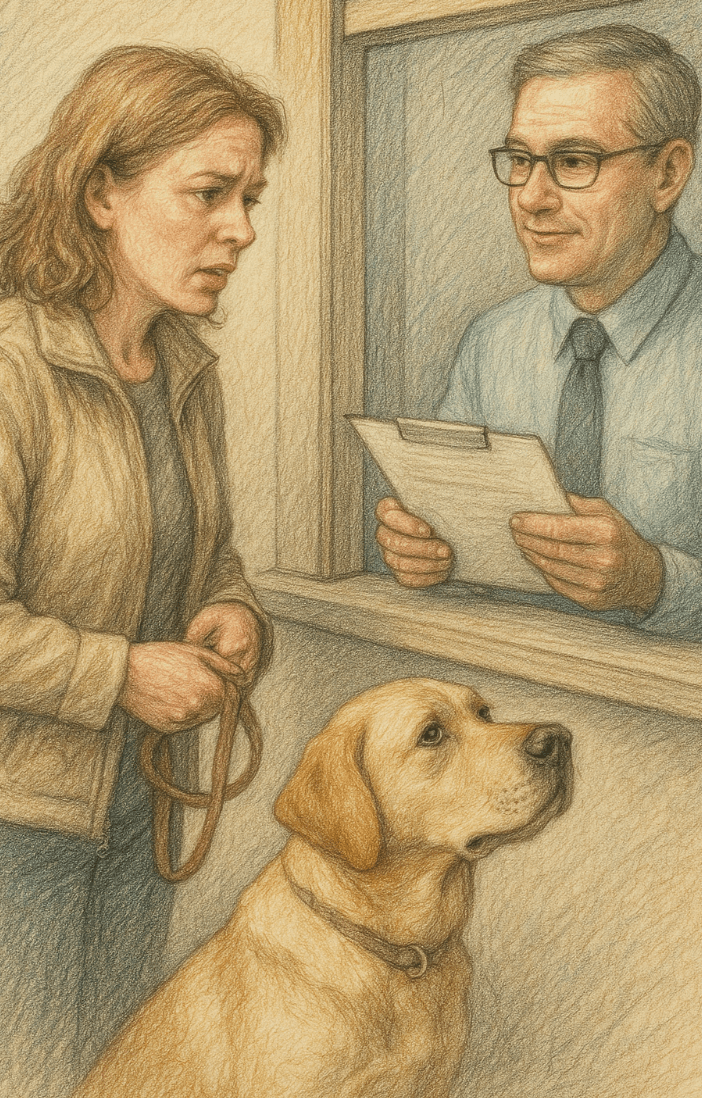

Do You Need a Permit to Walk Dogs? Best 7 Expert Tips!

Do You Need a Permit to Walk Dogs? Best 7 Expert Tips!

Do You Need a Permit to Walk Dogs?


Walking dogs is a rewarding activity, whether you’re doing it for fun, exercise, or as part of a professional dog-walking business. However, many people wonder if they need a permit or license to walk dogs, especially in public spaces or as a paid service. The answer depends on several factors, including local regulations, the type of walking (personal vs. professional), and specific rules in your area. Understanding these requirements is essential to ensure compliance and avoid potential fines or legal issues. In this blog post, we’ll explore everything you need to know about permits, licenses, and best practices for walking dogs safely and legally.

When Do You Need a Permit to Walk Dogs Professionally?


If you’re considering starting a dog-walking business or offering paid services, understanding permit requirements is crucial. Many cities and towns have specific regulations for professional dog walkers to ensure safety and accountability.

 
  • Local Business Licenses:
    Most areas require professional dog walkers to obtain a general business license, which allows them to operate legally within the community.

  • Specialized Dog-Walking Permits:
    Some municipalities issue specific permits for dog walkers, particularly if they plan to use public parks or trails frequently.

  • Insurance Requirements:
    Professional dog walkers may need liability insurance to cover accidents or injuries involving the dogs or third parties.

  • Zoning Laws:
    Certain zones may restrict commercial activities, including dog walking, so check local zoning regulations before starting your business.

  • Leash and Waste Regulations:
    Many areas enforce strict rules about leashing dogs and cleaning up after them, which professional walkers must adhere to.


By familiarizing yourself with these requirements, you can operate your dog-walking business responsibly and legally.


Permit Requirements for Walking Your Own Dog


For most pet owners, walking their own dog doesn’t typically require a permit. However, there are still rules and guidelines to follow to ensure a smooth experience.

 
  • Leash Laws:
    Many public spaces require dogs to be on a leash at all times, with specific length restrictions depending on the location.

  • Dog Tags and Registration:
    Most cities mandate that dogs wear identification tags and be registered with local animal control authorities.

  • Park-Specific Rules:
    Some parks have designated dog areas or off-leash zones where permits may be required for entry.

  • Waste Cleanup Policies:
    Owners are generally responsible for picking up after their dogs, and failure to do so can result in fines.

  • Breed Restrictions:
    Certain breeds may face additional restrictions or requirements in public spaces, depending on local laws.


Following these guidelines ensures that you and your dog can enjoy walks without running afoul of local regulations.

Do You Need a Permit to Walk Dogs? Best 7 Expert Tips!
Professional Dog Walker Requirements
Pet Owner Responsibilities
Obtain a business license
Ensure your dog wears ID tags
Secure liability insurance
Follow leash laws in public spaces
Adhere to park-specific permits
Pick up after your dog promptly
Comply with local zoning laws
Register your dog with local authorities
Maintain proper waste disposal practices
Respect breed-specific restrictions

How to Apply for a Dog-Walking Permit


If your area requires a permit for dog walking—whether for personal or professional purposes—the application process is typically straightforward. Here’s how to get started.

 
  • Research Local Regulations:
    Visit your city or county website to learn about specific permit requirements and application procedures.

  • Gather Necessary Documents:
    Prepare documents such as proof of residency, business registration, and insurance certificates if applicable.

  • Complete the Application Form:
    Fill out the permit application thoroughly, ensuring accuracy to avoid delays in processing.

  • Pay Any Applicable Fees:
    Many permits involve a fee, which varies depending on the type of permit and location.

  • Attend Orientation or Training (if required):
    Some jurisdictions require dog walkers to attend training sessions on safety and animal handling.


Once approved, your permit will allow you to walk dogs confidently while staying compliant with local laws.

Tips for Responsible Dog Walking Without a Permit


Even if no permit is required, responsible dog walking is essential for maintaining harmony in your community and protecting your furry friend.

 
  • Keep Your Dog Under Control:
    Always use a leash unless you’re in a designated off-leash area to prevent accidents or conflicts with others.

  • Carry Waste Bags:
    Bring plenty of poop bags to clean up after your dog immediately, demonstrating good citizenship.

  • Follow Park Hours and Rules:
    Respect posted hours and guidelines to ensure a positive experience for everyone using the space.

  • Be Mindful of Other People and Pets:
    Keep an eye on your dog’s behavior to avoid intimidating or harming other animals or humans.

  • Stay Informed About Local Laws:
    Regularly check for updates to leash laws, park regulations, or other rules that might affect your walks.


By adopting these practices, you contribute to a safer and more enjoyable environment for all.


Common Challenges Faced by Dog Walkers


Dog walking comes with its share of challenges, whether you’re doing it casually or professionally. Being aware of these hurdles can help you prepare and overcome them effectively.

 
  • Dealing with Aggressive Dogs:
    Encountering aggressive or poorly trained dogs can be stressful and dangerous. Learn basic defensive techniques to protect yourself and your group.

  • Managing Multiple Dogs:
    Walking several dogs at once requires skill and patience to keep them under control and prevent tangling leashes.

  • Weather Conditions:
    Extreme heat, rain, or cold can make walks uncomfortable or unsafe. Plan accordingly to prioritize your dog’s well-being.

  • Handling Emergencies:
    Accidents or injuries can happen unexpectedly. Carry a first-aid kit and know basic emergency procedures.

  • Client Communication Issues:
    For professional walkers, miscommunication with clients about schedules or expectations can lead to frustration. Set clear boundaries early on.


By anticipating these challenges, you can handle them proactively and ensure smooth walks every time.

Benefits of Having a Dog-Walking Permit


Obtaining a permit for dog walking offers numerous advantages, especially for professionals looking to build credibility and trust.

 
  • Legal Protection:
    A valid permit ensures you’re operating within the law, reducing the risk of fines or penalties.

  • Increased Credibility:
    Clients are more likely to hire certified or permitted dog walkers, viewing them as reliable and trustworthy.

  • Access to Restricted Areas:
    Some parks or trails may only allow permitted dog walkers, giving you exclusive access to scenic routes.

  • Improved Safety Standards:
    Many permits require training or certifications, equipping you with valuable skills to handle emergencies.

  • Networking Opportunities:
    Joining a regulated network of dog walkers can open doors to partnerships and referrals.


A permit not only benefits you but also enhances the overall experience for both you and the dogs you walk.

Environmental Considerations for Responsible Dog Walking


Responsible dog walking extends beyond permits and regulations—it includes caring for the environment and minimizing your impact on shared spaces.

 
  • Avoid Overcrowding Trails:
    Stick to less busy paths during peak hours to reduce congestion and preserve natural habitats.

  • Dispose of Waste Properly:
    Never leave poop bags behind, even if bins are full. Take waste home if necessary to maintain cleanliness.

  • Prevent Damage to Flora:
    Keep dogs away from sensitive plants or wildlife areas to protect local ecosystems.

  • Minimize Noise Pollution:
    Train your dog to remain calm and quiet to avoid disturbing other visitors or nearby residents.

  • Educate Others:
    Lead by example and encourage fellow dog walkers to adopt eco-friendly practices during their outings.


By prioritizing environmental responsibility, you contribute to preserving beautiful outdoor spaces for future generations of humans and dogs alike.

Frequently Asked Questions About Walking Dogs and Permits

 
Do I need a permit to walk my neighbor’s dog occasionally?

Generally, no, but if you’re being paid, you may need to comply with local business licensing laws.

You could face fines, penalties, or even legal action, depending on your location’s enforcement policies.

Yes, most areas require dog walkers to be at least 18 years old to apply for permits or licenses.

It depends on local regulations; some areas limit the number of dogs you can walk simultaneously without a permit.

Check your city or county’s official website or contact local animal control for detailed guidance.

Ensuring Safe and Legal Dog Walking Practices


Whether you’re walking your own dog or pursuing a career as a professional dog walker, understanding permit requirements and local regulations is vital. While personal dog walking rarely involves permits, professional services often require licenses, insurance, and adherence to specific rules. By staying informed, following guidelines, and practicing responsible dog walking, you can create a positive experience for yourself, your pets, and your community. Remember, a little preparation goes a long way in keeping tails wagging and paws happy!

 
Is Rawhide Bad for Cats? Best 7 Expert Tips!

Is Rawhide Bad for Cats? Best 7 Expert Tips! – Discover the risks, safe alternatives, and expert advice to keep your feline friend healthy and happy.

Is Rawhide Bad for Dogs? Best 7 Expert Tips!

Is Rawhide Bad for Dogs? Best 7 Expert Tips! – Discover the risks, benefits, and safer alternatives to rawhides for your dog’s chewing needs.

Understanding Anorexia in Cats: Best 7 Expert Tips!

Understanding Anorexia in Cats: Best 7 Expert Tips! – Learn why cats stop eating, spot warning signs, and discover how to help your feline regain appetite safely.

Understanding Anorexia in Dogs: Best 7 Expert Tips!

Understanding Anorexia in Dogs: Best 7 Expert Tips! – Learn causes, symptoms, and solutions to help your dog regain appetite and stay healthy.

Leave a Reply

Your email address will not be published. Required fields are marked *