

Farm Dog Breeds: The Perfect Companions for Work and Play
When it comes to life on the farm, having a reliable canine companion can make all the difference. Farm dog breeds are known for their hardworking nature, intelligence, and versatility. These dogs excel at herding livestock, guarding property, and providing companionship in rural settings. Whether you’re a farmer looking for a working partner or simply someone who admires the rugged charm of these breeds, understanding what makes them special is key. In this blog post, we’ll explore some of the best farm dog breeds, their unique traits, and how they contribute to farm life. By the end, you’ll have a clear idea of which breed might be the perfect fit for your needs.
Top Farm Dog Breeds You Should Know
From herding cattle to patrolling acres of land, certain dog breeds stand out as exceptional farm companions. Here’s a look at some of the most popular farm dog breeds and why they’re so well-suited to rural life:
Border Collie:
Known as the ultimate herding dog, Border Collies are intelligent, energetic, and highly trainable.Australian Shepherd:
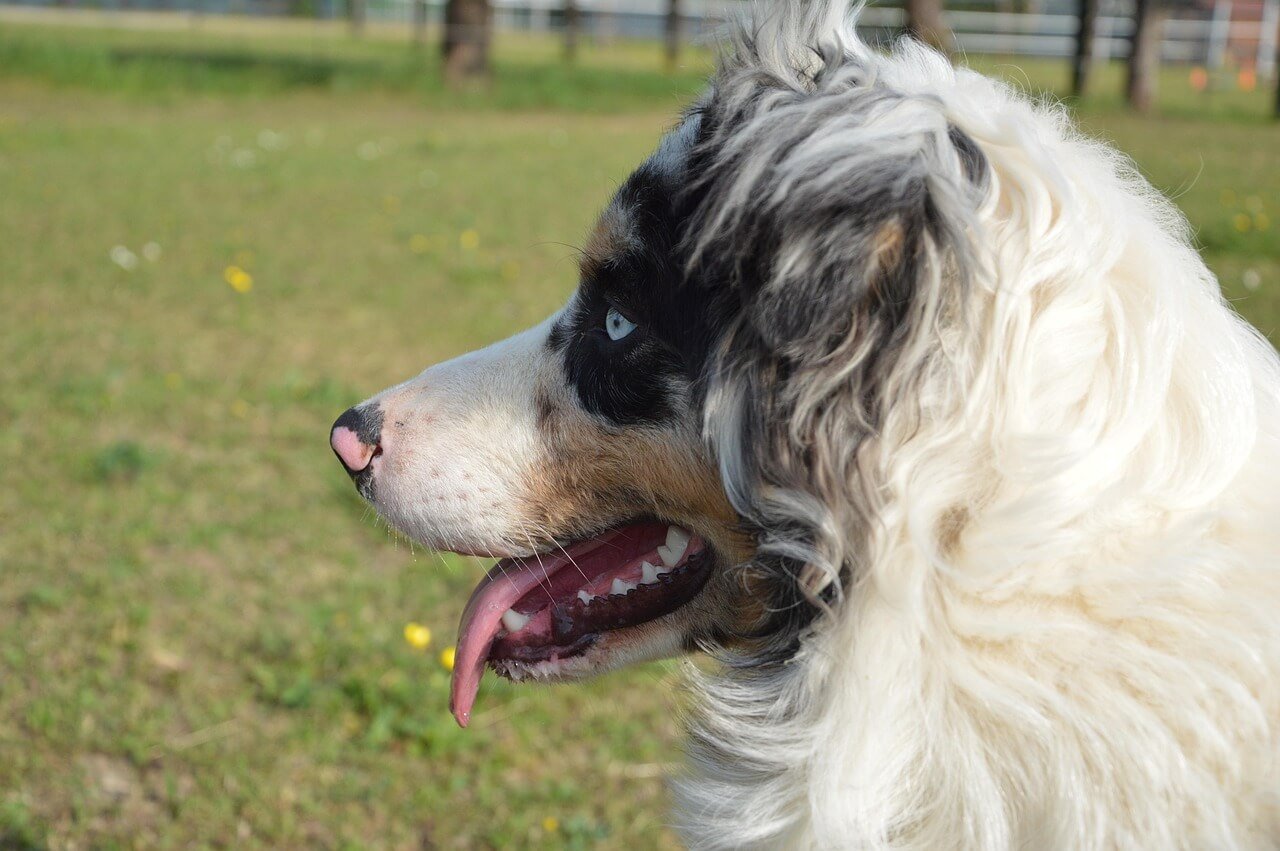
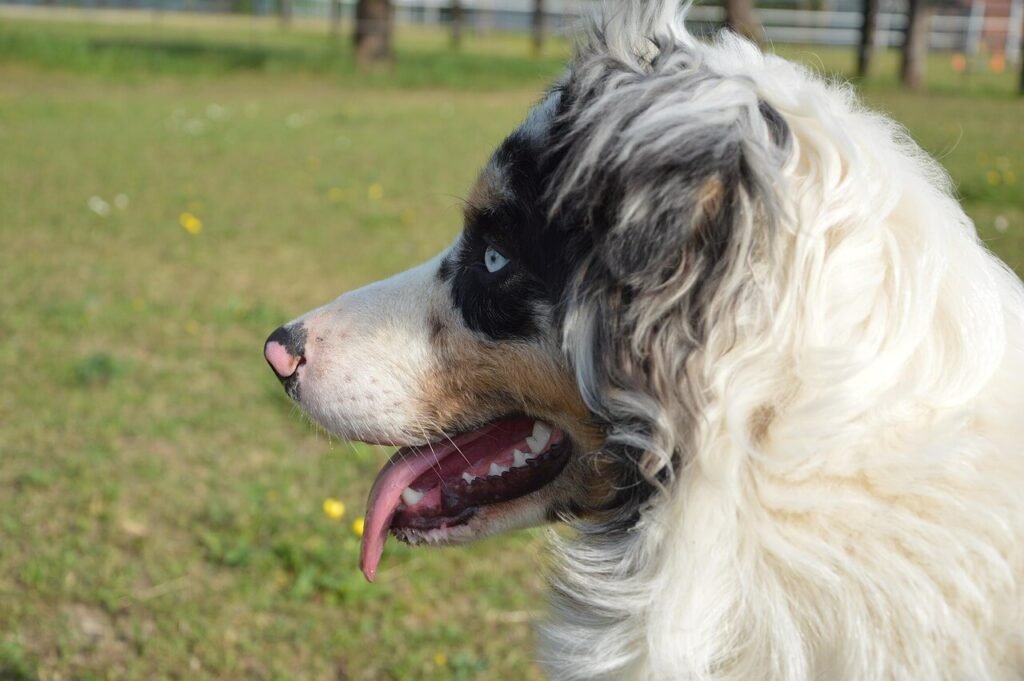
With their boundless energy and strong work ethic, Australian Shepherds thrive in active farm environments.Great Pyrenees:
This gentle giant is a natural guardian, protecting livestock from predators with calm confidence.Bernese Mountain Dog:
Strong and sturdy, Bernese Mountain Dogs are excellent at pulling carts and assisting with heavy tasks.Anatolian Shepherd:
Bred to guard flocks, Anatolian Shepherds are fiercely loyal and independent thinkers.
Each of these breeds brings something unique to the table, making them invaluable assets on any farm.
Key Traits of an Ideal Farm Dog
What sets farm dog breeds apart from other dogs? These traits are essential for thriving in a farm environment and ensuring success in various tasks.
High Energy Levels:
Farm dogs need plenty of stamina to keep up with long hours of work outdoors.Intelligence and Trainability:
A smart dog that learns quickly is crucial for mastering commands and performing complex tasks.Strong Work Ethic:
Farm dogs must be driven and willing to take on challenging jobs without hesitation.Loyalty and Protective Instincts:
Whether guarding livestock or property, a loyal dog is a trusted companion in rural settings.Adaptability to Weather Conditions:
Farm dogs often face harsh weather, so breeds with thick coats or weather-resistant fur are ideal.
These traits ensure that farm dogs can handle the demands of their roles while remaining reliable and dependable.
Check this guide 👉The Majestic South Russian Shepherd Dog: Best 7 Expert Tips!
Check this guide 👉Carpathian Shepherd Dog: Best 7 Expert Tips!
Check this guide 👉Alabai Dog Care: 7 Powerful Tips to Master Like a Pro
Farm Dog Breed | Best Suited For |
|---|---|
Border Collie | Herding livestock |
Great Pyrenees | Guarding livestock and property |
Australian Shepherd | Active farms with varied tasks |
Bernese Mountain Dog | Heavy-duty assistance work |
Anatolian Shepherd | Protecting flocks from predators |
How to Train Your Farm Dog for Success
Training is a critical part of preparing your farm dog for their role. Proper guidance ensures they perform their duties effectively while staying safe. Here are some tips for training your farm dog:
Start Early:
Begin training as a puppy to establish good habits and build a strong foundation.Use Positive Reinforcement:
Reward your dog with treats, praise, or playtime to encourage desired behaviors.Focus on Basic Commands First:
Teach commands like “sit,” “stay,” and “come” before moving on to more complex tasks.Simulate Real-Life Scenarios:
Practice herding, guarding, or other tasks in environments similar to their actual work setting.Be Consistent and Patient:
Training takes time, so remain consistent and avoid punishing mistakes harshly.
With patience and dedication, your farm dog will become a skilled and reliable partner.
Challenges of Owning a Farm Dog
While farm dogs are incredibly rewarding companions, owning one isn’t without its challenges. Being aware of these potential hurdles can help you prepare for a successful partnership.
High Exercise Needs:
Farm dogs require significant physical activity to stay happy and healthy.Time Commitment for Training:
Properly training a farm dog demands time, effort, and consistency.Exposure to Hazards:
Farm environments can pose risks such as machinery, predators, or extreme weather.Socialization Requirements:
Ensuring your dog interacts with people and animals helps prevent behavioral issues.Cost of Care:
Food, veterinary care, and equipment for large, active breeds can add up over time.
By addressing these challenges proactively, you can create a harmonious relationship with your farm dog.
Benefits of Having a Farm Dog
Farm dogs are more than just workers—they bring numerous benefits to both the farm and the family. Here are some key advantages of having a farm dog by your side:
Increased Security:
Farm dogs act as natural deterrents to intruders, whether human or animal, keeping your property safer.Improved Livestock Management:
Herding breeds help manage livestock efficiently, reducing stress on animals and farmers alike.Companionship in Rural Areas:
Farm dogs provide loyal companionship, which is especially valuable in isolated rural settings.Pest Control Assistance:
Many farm dogs instinctively chase away rodents and other pests, helping maintain a cleaner environment.Boosted Mental Well-Being:
The presence of a happy, energetic dog can reduce stress and improve overall mental health for farmers.
With so many benefits, it’s no wonder farm dogs are cherished members of the agricultural community.
Tips for Keeping Your Farm Dog Healthy
A healthy farm dog is a productive farm dog. To ensure your canine companion stays in top shape, here are some essential tips for their care:
Provide Regular Vet Check-Ups:
Schedule routine veterinary visits to catch any health issues early and keep vaccinations up to date.Feed a Balanced Diet:
Choose high-quality food that meets their energy needs, especially if they’re highly active.Ensure Access to Clean Water:
Always have fresh, clean water available, particularly during hot weather or intense workdays.Protect Against Parasites:
Use flea, tick, and heartworm prevention treatments to safeguard their health year-round.Give Them Rest Days:
Even the hardest-working dogs need downtime to recover and recharge.
By prioritizing your farm dog’s health, you’ll ensure they remain a reliable partner for years to come.
Fun Activities to Bond With Your Farm Dog
Building a strong bond with your farm dog isn’t just about work—it’s also about play and mutual enjoyment. Here are some fun activities to strengthen your connection:
Play Fetch in Open Spaces:
Use a ball or frisbee to engage their natural retrieving instincts in a wide-open area.Go on Long Walks or Hikes:
Explore nearby trails or fields together to give them physical exercise and mental stimulation.Teach New Tricks:
Challenge their intelligence by teaching commands or tricks beyond basic obedience.Host Playdates with Other Dogs:
Socializing with other friendly dogs helps them burn off energy and build confidence.Create Obstacle Courses:
Set up simple agility challenges like tunnels or jumps using farm materials.
These activities not only strengthen your bond but also provide enrichment for your hardworking pup.
Frequently Asked Questions About Farm Dog Breeds
Are farm dogs good family pets?
Many farm dog breeds are affectionate and loyal, making them great family pets if their exercise and mental stimulation needs are met.
Can small farms benefit from farm dogs too?
Absolutely! Even smaller farms can benefit from dogs trained for herding, guarding, or general assistance.
Do farm dogs need a lot of space?
While they thrive in open spaces, many farm dogs adapt well to smaller areas as long as they get enough exercise.
How do I choose the right farm dog breed?
Consider your farm’s specific needs, your lifestyle, and the breed’s temperament and energy level.
What should I feed my farm dog?
A high-quality, protein-rich diet tailored to their size and activity level is essential for maintaining their health.
Final Thoughts: Finding the Perfect Farm Dog for You
Farm dog breeds are truly remarkable companions, blending hard work, loyalty, and charm into one incredible package. Whether you need a herder, guardian, or all-around helper, there’s a breed out there that fits your needs perfectly. By understanding their traits, investing in proper training, and being mindful of potential challenges, you can build a lifelong bond with your farm dog. Remember, these dogs aren’t just workers—they’re valued members of the family who bring joy and purpose to farm life. So, take the time to find the right match, and enjoy the journey of sharing your days with a four-legged friend who shares your love for the land.
Is Rawhide Bad for Cats? Best 7 Expert Tips! – Discover the risks, safe alternatives, and expert advice to keep your feline friend healthy and happy.

Is Rawhide Bad for Dogs? Best 7 Expert Tips! – Discover the risks, benefits, and safer alternatives to rawhides for your dog’s chewing needs.

Understanding Anorexia in Cats: Best 7 Expert Tips! – Learn why cats stop eating, spot warning signs, and discover how to help your feline regain appetite safely.

Understanding Anorexia in Dogs: Best 7 Expert Tips! – Learn causes, symptoms, and solutions to help your dog regain appetite and stay healthy.