
Effective Ways to Track Your Dog
Types of GPS Trackers for Dogs
- Clip-On GPS Devices:
These compact trackers attach to your dog’s collar and are ideal for small breeds or dogs that don’t tolerate bulky gear. Many models offer live tracking via smartphone apps, allowing you to locate your dog instantly. - Built-In Smart Collars:
Smart collars integrate GPS tracking with additional features like activity monitoring, heart rate tracking, and even virtual fences. While slightly heavier, they provide a comprehensive solution for tech-savvy pet owners. - Subscription-Based Trackers:
Some GPS devices require monthly service fees to access cellular networks for real-time updates. These trackers are highly reliable but can become costly over time, so consider your budget before committing. - Long-Range Trackers for Outdoor Adventures:
Designed for hunting or hiking enthusiasts, these trackers offer extended range capabilities, often reaching several miles. They’re perfect for keeping tabs on your dog during off-leash activities in remote areas. - Waterproof and Rugged Models:
For active or adventurous dogs, waterproof and shockproof trackers ensure durability in harsh conditions. These devices are built to withstand rain, mud, and rough terrain without compromising performance.
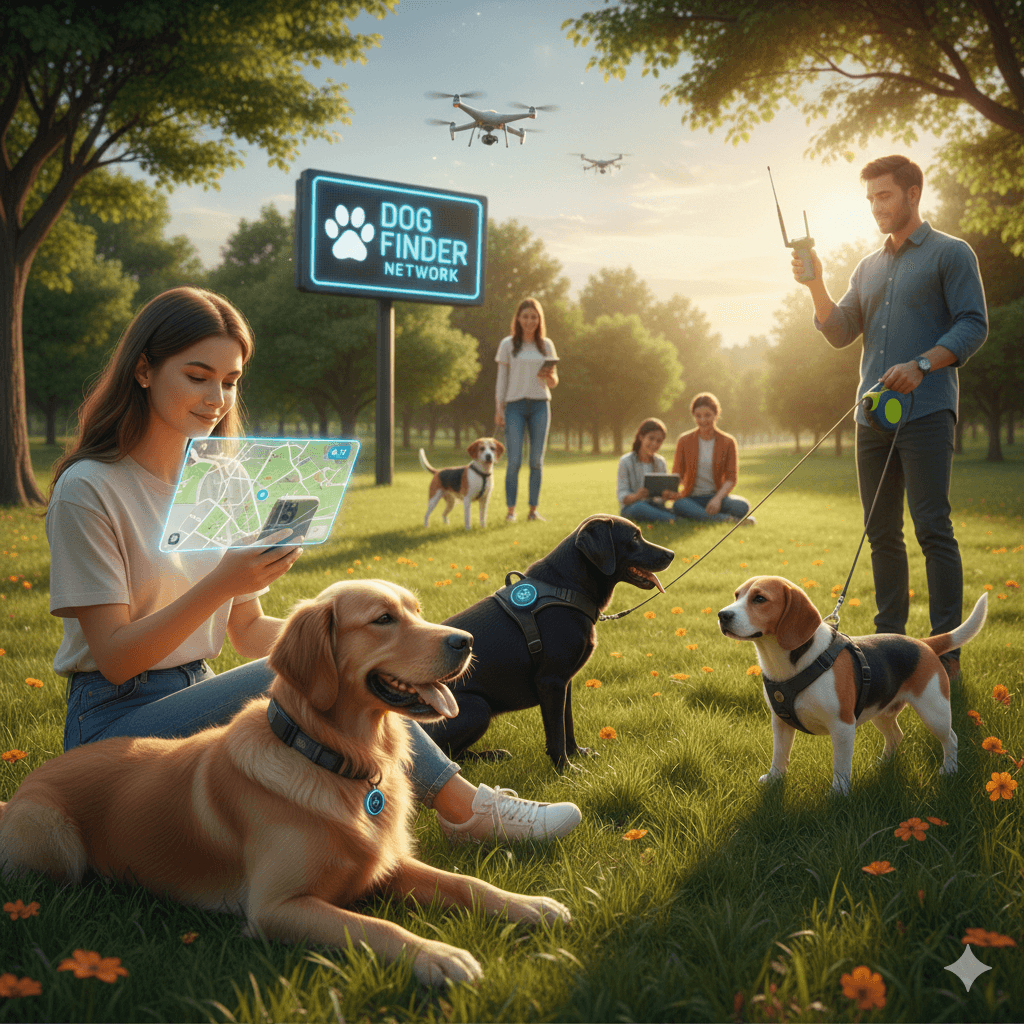
Benefits of Using GPS Trackers
- Real-Time Location Updates:
Most GPS trackers send live updates to your phone, allowing you to pinpoint your dog’s exact location within seconds. This feature is invaluable if your dog wanders off or escapes the yard unexpectedly. - Geofencing Alerts:
Many trackers let you create virtual boundaries around your home or park. If your dog crosses these limits, you’ll receive instant notifications, enabling you to act quickly before they stray too far. - Increased Peace of Mind:
Knowing you can locate your dog at any time reduces anxiety, especially if you live near busy roads, forests, or other hazardous areas where accidents could occur. - Activity Monitoring Features:
Some GPS devices double as fitness trackers, recording steps, distance traveled, and calories burned. This data helps you maintain your dog’s health and adjust their exercise routine accordingly. - Recovery Assistance for Lost Dogs:
In cases of runaway pets, GPS trackers significantly increase the chances of a safe return. Unlike traditional ID tags, which rely on others finding your dog, GPS provides direct control over recovery efforts.
Check this guide 👉Tracking Chips for Dogs: Best 7 Expert Tips!
Check this guide 👉What Does a Dog Chip Do: Best 7 Expert Tips!
Check this guide 👉How Much Does It Cost to Microchip a Dog? Best 7 Tips!
Feature | Description |
|---|---|
Real-Time Tracking | GPS trackers provide live location updates via smartphone apps, while microchips require scanning by a vet or shelter. |
Range | GPS devices offer ranges from a few miles to unlimited (via cellular networks), whereas microchips only work when scanned locally. |
Cost | GPS trackers cost $50–$300 upfront, plus potential subscription fees; microchips are a one-time fee of $20–$50. |
Durability | Waterproof and rugged GPS trackers withstand outdoor conditions; microchips are implanted under the skin and last a lifetime. |
Best Use Case | GPS is ideal for active dogs or outdoor adventures, while microchips serve as permanent ID for emergencies or shelters. |
Alternatives to GPS Trackers
- Microchipping:
A microchip implanted under your dog’s skin stores identifying information that shelters and veterinarians can scan. While not a real-time solution, it’s crucial for reuniting lost dogs with their owners. - RFID Tags and Smart Leashes:
Smart leashes equipped with RFID technology allow you to track short-range movements via Bluetooth. Though limited in range, they work well for walks or indoor monitoring. - Community-Based Apps:
Apps like PawBoost or Finding Rover connect you with local networks of pet owners who report sightings of lost animals. These platforms expand search efforts beyond your immediate reach. - Visual Identification Methods:
Brightly colored collars, reflective vests, or personalized tags make your dog easily recognizable, reducing the likelihood of them being mistaken for strays. - Training Recall Commands:
Teaching commands like “come” or “stay” reinforces your dog’s obedience, minimizing the risk of them wandering off in the first place.
Factors to Consider When Choosing a Tracker
- Battery Life and Charging Options:
Look for trackers with long battery life, ideally lasting days or weeks. Some models use rechargeable batteries, while others require replaceable ones—choose what suits your routine best. - Accuracy and Signal Range:
The tracker’s precision and range determine how reliably you can locate your dog. Urban environments may limit GPS accuracy, so opt for devices designed to handle obstructions. - Ease of Use and Setup:
User-friendly interfaces and straightforward setup processes ensure you can start tracking your dog quickly without technical frustrations. - Durability and Weather Resistance:
Your dog’s environment dictates the level of ruggedness needed. Waterproof and shockproof designs withstand outdoor adventures and unpredictable weather. - Cost vs. Value:
While some trackers are affordable upfront, subscription fees or replacement costs add up over time. Balance price with features to find the best value for your investment.
Training Your Dog to Stay Close
- Teach Reliable Recall Commands:
Practice recall commands like “come” or “here” consistently, rewarding your dog with treats or praise. Reinforce this skill in various environments to build reliability. - Use Positive Reinforcement Techniques:
Reward-based training encourages desired behaviors, such as staying near you during walks or playtime. Avoid punishment, as it can damage trust and hinder progress. - Introduce Leash Training Early:
Leash training teaches dogs boundaries and self-control, making outdoor excursions safer and more enjoyable for both of you. - Practice in Controlled Environments:
Start training in fenced yards or quiet parks before advancing to busier areas. Gradual exposure builds confidence and prevents overwhelming distractions. - Simulate Real-Life Scenarios:
Test your dog’s obedience in situations mimicking potential dangers, such as encountering other animals or passing open gates. This prepares them for unexpected challenges.
Addressing Concerns About Tracking Technology
- Privacy Protections:
Reputable brands prioritize user privacy by encrypting data and limiting access to authorized accounts. Research manufacturers’ policies to ensure your information remains secure. - Cost of Ownership:
Beyond the initial purchase, consider ongoing expenses like subscription fees or replacement parts. Budget-conscious owners can explore pay-as-you-go plans or non-subscription models. - Device Reliability:
Not all trackers perform equally; read reviews and compare features to avoid unreliable products. Look for models with proven track records and strong customer support. - Weight and Comfort for Your Dog:
Ensure the tracker isn’t too heavy or uncomfortable, particularly for smaller breeds. Lightweight designs prevent irritation and allow freedom of movement. - Compatibility with Other Devices:
Check whether the tracker integrates with your smartphone or existing smart home systems. Seamless connectivity enhances usability and convenience.
Combining Tools and Strategies for Maximum Safety
- Layered Tracking Systems:
Pair GPS trackers with microchips and ID tags for comprehensive coverage. Each method serves a unique purpose, ensuring redundancy in case one fails. - Routine Safety Checks:
Regularly inspect fences, gates, and leash hardware to prevent accidental escapes. Simple maintenance goes a long way toward keeping your dog contained. - Emergency Preparedness Plans:
Keep a recent photo, vet records, and contact info handy in case your dog goes missing. Quick action increases the chances of a swift reunion. - Engage Local Networks:
Join neighborhood groups or online communities dedicated to finding lost pets. Their collective efforts amplify your search capabilities. - Continuous Training Reinforcement:
Even after mastering basic commands, reinforce training regularly to maintain your dog’s skills and responsiveness. Consistency is key to long-term success.
“A microchip can reunite you with a lost pet, serve as proof of ownership in a dispute, or even mean the difference between euthanasia and medical care in an emergency.”
— Dr. Wendy Brooks, DVM, DABVP
Frequently Asked Questions About Tracking Your Dog
Can I use my phone’s GPS to track my dog?
No, your phone’s GPS won’t work unless it’s physically attached to your dog. Instead, invest in a dedicated GPS tracker designed for pets.
How far can GPS trackers locate my dog?
Most trackers have a range of several miles, but this varies by model. Long-range trackers are ideal for outdoor adventures or rural areas.
Do GPS trackers require a subscription?
Many GPS trackers rely on cellular networks for real-time updates, which often involve monthly fees. Check product details before purchasing.
Are GPS trackers safe for my dog?
What if my dog loses their GPS tracker?
Choose trackers with secure attachment mechanisms or built-in anti-loss alerts. Additionally, always pair GPS devices with microchips for backup identification.
A Lifeline in Every Step They Take

Is Rawhide Bad for Cats? Best 7 Expert Tips! – Discover the risks, safe alternatives, and expert advice to keep your feline friend healthy and happy.

Is Rawhide Bad for Dogs? Best 7 Expert Tips! – Discover the risks, benefits, and safer alternatives to rawhides for your dog’s chewing needs.

Understanding Anorexia in Cats: Best 7 Expert Tips! – Learn why cats stop eating, spot warning signs, and discover how to help your feline regain appetite safely.

Understanding Anorexia in Dogs: Best 7 Expert Tips! – Learn causes, symptoms, and solutions to help your dog regain appetite and stay healthy.