

Dog Urinalysis Normal Values: Best 7 Expert Tips!

Dog Urinalysis Normal Values: Best 7 Expert Tips!

Dog Urinalysis Normal Values: What Every Pet Owner Needs to Know


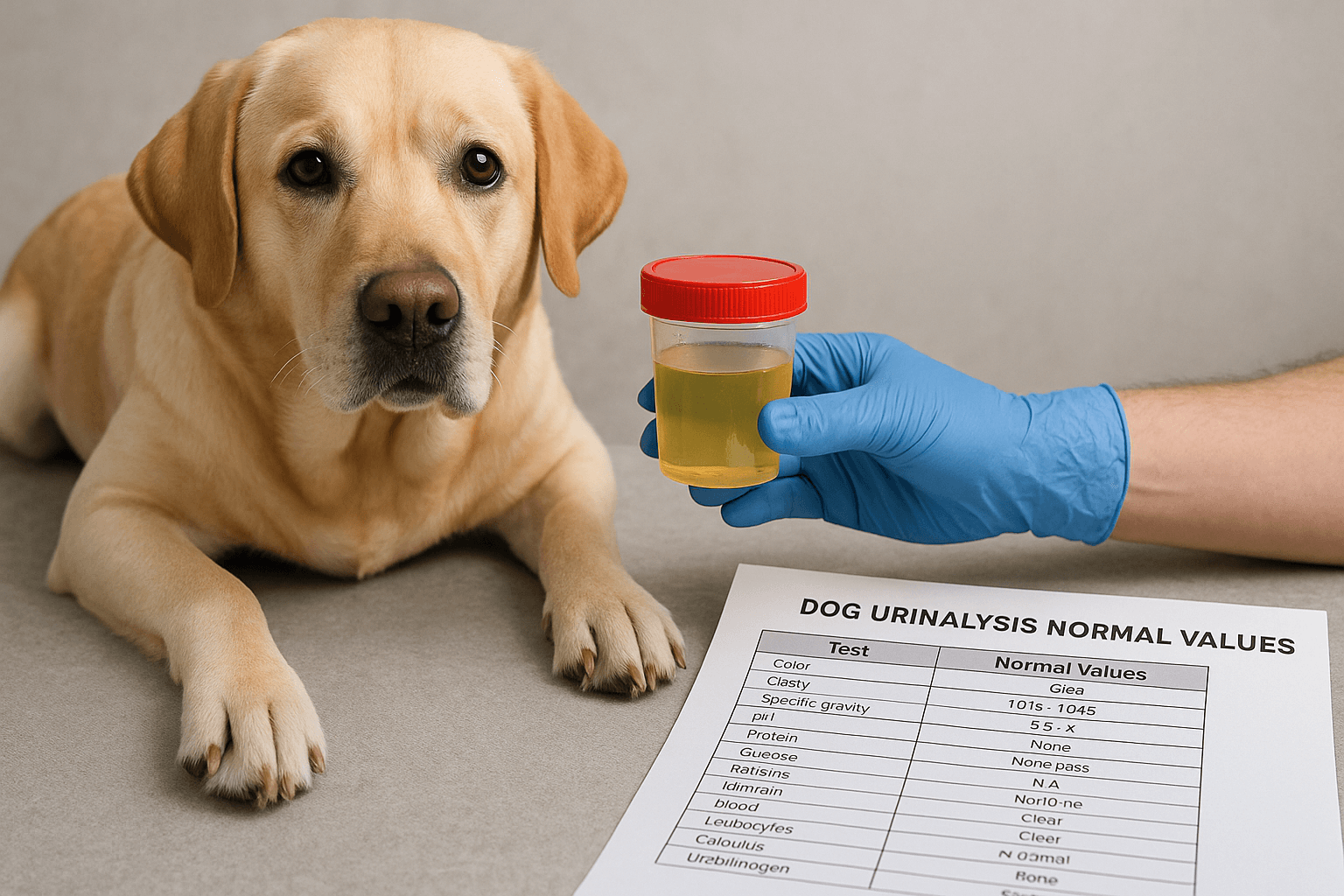
A dog’s urine is more than just waste—it’s a window into their internal health. When your vet recommends a urinalysis, they’re not just checking for infections. They’re reading a detailed biological report that can reveal early signs of kidney disease, diabetes, bladder stones, or even cancer. Understanding normal dog urinalysis values empowers you to ask better questions, recognize subtle changes, and act before a minor issue becomes critical.

Why a Dog Urinalysis Is a Vital Health Tool


A urinalysis isn’t optional—it’s essential preventive medicine. It’s one of the most cost-effective, non-invasive tests available, yet it provides insights no blood test or X-ray can match. Here’s why it matters:

 
  • Early Detection of Disease:
    Kidney dysfunction, diabetes, and urinary tract infections often show up in urine before symptoms appear.

  • Assessment of Hydration Status:
    Urine concentration tells you whether your dog is drinking enough—or too much.

  • Identification of Crystals or Casts:
    These microscopic elements can signal bladder stones or kidney damage before they cause pain.

  • Evaluation of Kidney Function:
    The kidneys filter waste; their efficiency is directly reflected in urine composition.

  • Baseline for Ongoing Health:
    Regular testing establishes what’s normal for your dog, making future abnormalities easier to spot.


A single urinalysis can catch problems you’d never notice—until it’s too late. That’s why it’s a cornerstone of senior dog care and routine wellness exams.

Dog Urinalysis Normal Values: Best 7 Expert Tips!

Key Components of a Canine Urinalysis and Their Normal Ranges


Every urinalysis breaks down into physical, chemical, and microscopic evaluations. Knowing what’s normal helps you understand your vet’s findings. Here’s what to expect:

 
  • Specific Gravity (SG):
    Measures urine concentration. Normal range: 1.015–1.045. Low values suggest poor kidney concentration; high values may indicate dehydration.

  • pH Level:
    Indicates acidity or alkalinity. Normal range: 6.0–7.5. Too acidic or alkaline can promote crystal formation.

  • Protein (PRO):
    Should be negative or trace. Persistent proteinuria may signal kidney disease, infection, or inflammation.

  • Glucose (GLU):
    Must be negative. Presence indicates diabetes mellitus or stress-induced hyperglycemia.

  • Ketones (KET):
    Should be absent. Detected ketones suggest uncontrolled diabetes or starvation.

  • Blood (BLD):
    Trace may be normal after exercise. Visible blood points to infection, stones, trauma, or tumors.

  • Bilirubin:
    Small amounts may be normal in dogs (unlike cats). Higher levels suggest liver disease or red blood cell breakdown.

  • Leukocytes (WBC):
    Negative or trace. Elevated levels indicate inflammation or infection in the urinary tract.

  • Urobilinogen:
    Usually trace to low positive. High levels can signal liver dysfunction or hemolysis.

  • Nitrites:
    Should be negative. Positive results suggest bacterial infection.


These values aren’t just numbers—they’re clues to your dog’s internal balance.

Parameter Normal Range in Dogs
Specific Gravity (SG) 1.015 – 1.045
pH 6.0 – 7.5
Protein (PRO) Negative or Trace
Glucose (GLU) Negative
Ketones (KET) Negative
Blood (BLD) Negative or Trace (post-exercise)
Bilirubin Trace to Low Positive
Leukocytes (WBC) Negative or Trace
Urobilinogen Trace to Low Positive
Nitrites Negative

What Abnormal Results Might Mean


Seeing an abnormal value doesn’t automatically mean your dog is sick—but it does mean you need to dig deeper. Here’s what common deviations suggest:

 
  • High Specific Gravity (above 1.045):
    Often due to dehydration, fever, or reduced kidney function. Recheck hydration status and consider bloodwork.

  • Low Specific Gravity (below 1.015):
    Indicates kidneys can’t concentrate urine—common in chronic kidney disease, Addison’s, or diabetes insipidus.

  • Positive Glucose:
    Strongly suggests diabetes mellitus. Look for increased thirst, urination, and weight loss.

  • Proteinuria (protein in urine):
    Could be from infection, inflammation, or glomerular disease. Persistent protein requires further testing.

  • Blood in Urine (Hematuria):
    May stem from UTIs, bladder stones, trauma, or cancer. A clean-catch sample helps rule out contamination.

  • Leukocytes or Nitrites Positive:
    Confirms bacterial infection. Antibiotics are often needed—but culture confirms the strain.

  • Crystals in Sediment:
    Struvite, calcium oxalate, or ammonium urate crystals can form stones. Type and quantity determine risk level.

  • Casts (especially waxy or granular):
    Indicate kidney damage. These are formed in the tubules and signal serious renal disease.


Never panic at one abnormal value—but don’t ignore it either. Context is everything.

How to Collect a Dog Urine Sample Correctly


The accuracy of your dog’s urinalysis depends entirely on how the sample is collected. Contamination ruins results.

 
  • Use a Clean Container:
    Sterile cups from your vet are best. Avoid household containers that may have soap residue.

  • Catch Mid-Stream:
    For males, catch urine mid-flow as they lift their leg. For females, place a shallow tray under them as they squat.

  • Avoid Contamination:
    Don’t collect from puddles, grass, or the floor. Hair, dirt, or feces skew results.

  • Test Within 30 Minutes:
    Urine changes rapidly. If you can’t get to the vet immediately, refrigerate the sample (not freeze).

  • Label Clearly:
    Include your dog’s name, date, and time of collection. This helps your vet interpret timing-related changes.


A poorly collected sample can lead to misdiagnosis. Your diligence ensures your dog gets the right care.

When to Schedule a Dog Urinalysis


Don’t wait for symptoms. Proactive testing saves lives. Here’s when to request one:

 
  • Annual Wellness Exams:
    Especially for dogs over 7 years old—kidney disease is common and silent in early stages.

  • Increased Thirst or Urination:
    Classic signs of diabetes, Cushing’s, or kidney failure.

  • Straining to Urinate or Accidents:
    Could indicate UTI, stones, or neurological issues.

  • Lethargy, Vomiting, or Poor Appetite:
    These non-specific signs often point to internal organ dysfunction.

  • Before Anesthesia or Surgery:
    Ensures kidneys are functioning well enough to process medications.

  • During Medication Monitoring:
    Dogs on long-term NSAIDs or steroids need regular urine checks for kidney stress.


Even healthy-looking dogs benefit from routine urinalysis. It’s the silent guardian of their internal health.

Factors That Can Skew Urinalysis Results


Not every abnormal result means disease. Sometimes, external factors create false signals.

 
  • Dehydration:
    Causes falsely high specific gravity and concentrated urine, mimicking kidney dysfunction.

  • Recent Exercise:
    Can cause trace blood or protein due to muscle stress—repeat test after rest.

  • Stress or Anxiety:
    May elevate glucose temporarily (stress-induced hyperglycemia).

  • Contamination:
    Fecal matter, vaginal discharge, or hair can cause false leukocytes or bacteria.

  • Medications:
    Antibiotics, steroids, or diuretics can alter pH, protein, or glucose levels.


Always tell your vet about recent changes in diet, activity, or medication. Context turns confusing results into clear answers.

FAQ: Dog Urinalysis Normal Values

 
Can I collect my dog’s urine at home?

Yes—if done correctly. Use a clean, shallow container and collect mid-stream. Refrigerate if not testing within 30 minutes.

No. It’s completely non-invasive. The only discomfort might come from collecting a sample if your dog is reluctant.


Typically $25–$75, depending on location and whether it’s done in-house. A very affordable screening tool.

Your vet may recommend bloodwork, ultrasound, or a urine culture. One test doesn’t tell the whole story.

Yes. Changes in specific gravity and protein levels often appear before blood markers like creatinine rise.

Trust the Urine—It Never Lies


Your dog’s urine doesn’t lie. It doesn’t hide behind a wagging tail or a happy lick. When their body is out of balance, their urine tells the truth—quietly, clearly, and without warning. A urinalysis isn’t just a test. It’s a conversation between your vet and your dog’s internal world.


You don’t need to understand every number. But you do need to know this: when your vet asks for a sample, say yes. When they say “let’s check it annually,” listen. When they say “this value is off,” don’t brush it aside.

 
Is Rawhide Bad for Cats? Best 7 Expert Tips!

Is Rawhide Bad for Cats? Best 7 Expert Tips! – Discover the risks, safe alternatives, and expert advice to keep your feline friend healthy and happy.

Is Rawhide Bad for Dogs? Best 7 Expert Tips!

Is Rawhide Bad for Dogs? Best 7 Expert Tips! – Discover the risks, benefits, and safer alternatives to rawhides for your dog’s chewing needs.

Understanding Anorexia in Cats: Best 7 Expert Tips!

Understanding Anorexia in Cats: Best 7 Expert Tips! – Learn why cats stop eating, spot warning signs, and discover how to help your feline regain appetite safely.

Understanding Anorexia in Dogs: Best 7 Expert Tips!

Understanding Anorexia in Dogs: Best 7 Expert Tips! – Learn causes, symptoms, and solutions to help your dog regain appetite and stay healthy.

Leave a Reply

Your email address will not be published. Required fields are marked *