
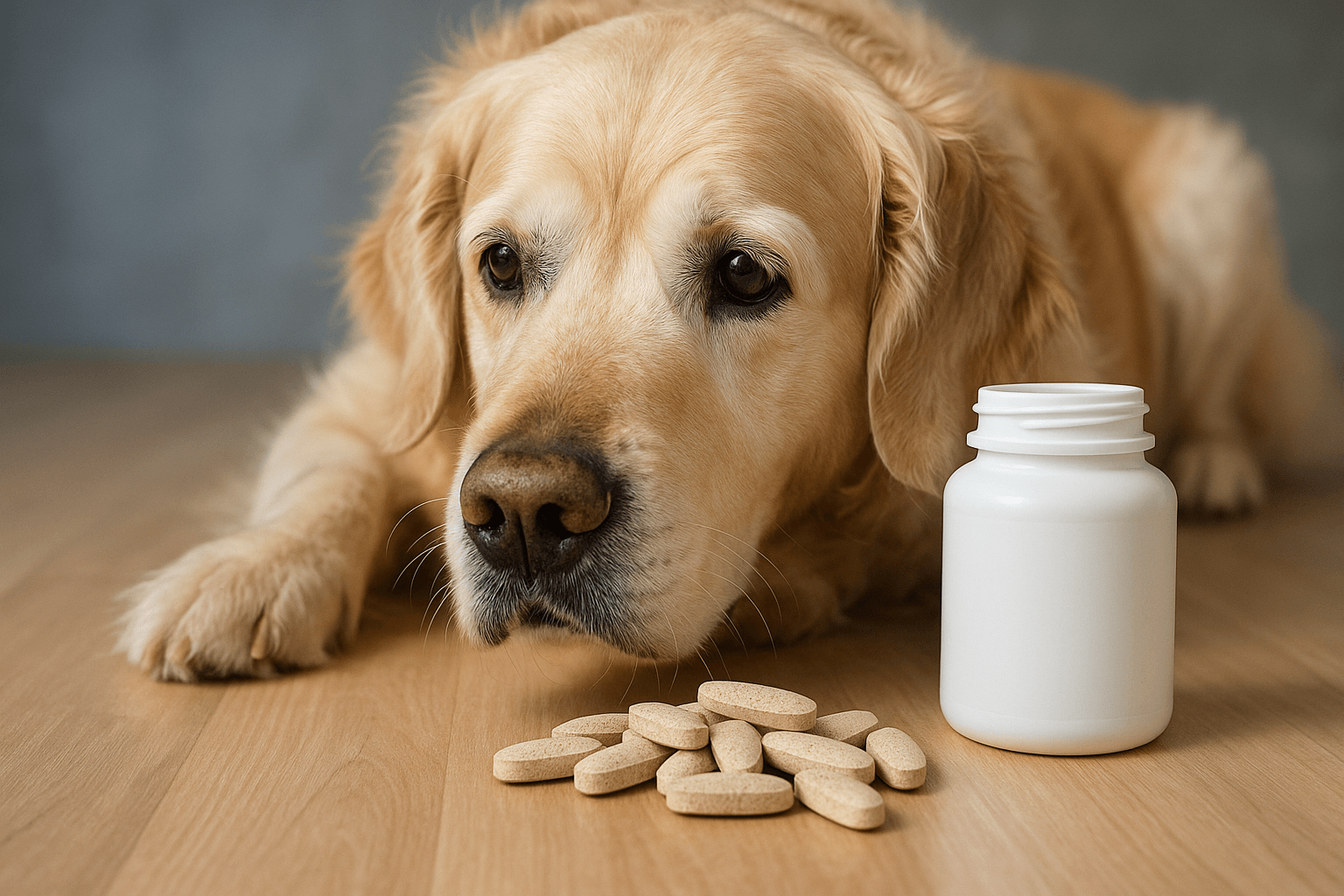

Dog Glucosamine Chondroitin: Supporting Joint Health the Natural Way
If your dog is slowing down on walks, hesitating on stairs, or showing stiffness after rest, joint discomfort could be the culprit—and glucosamine chondroitin might be the gentle, effective solution you’re looking for. These naturally occurring compounds play a vital role in maintaining healthy cartilage, lubrication, and mobility in dogs of all ages. While often associated with senior pets, joint support can benefit active breeds, large dogs, and even puppies prone to developmental conditions. In this comprehensive guide, we’ll explore how dog glucosamine chondroitin works, when to use it, and how to choose the right formula for your best friend’s needs.
What Are Glucosamine and Chondroitin?
Glucosamine and chondroitin are building blocks your dog’s body uses to maintain and repair joint cartilage. While they occur naturally, production declines with age or injury—making supplementation a proactive step for long-term mobility.
- Glucosamine:
A sugar-like compound that helps form and repair cartilage, synovial fluid, and connective tissues in joints. - Chondroitin:
A molecule that attracts fluid into cartilage, providing shock absorption and inhibiting enzymes that break down joint tissue. - Synergistic Effect:
When combined, these two ingredients work better together than alone—enhancing cartilage resilience and reducing inflammation. - Natural Sources:
Glucosamine is often derived from shellfish shells; chondroitin typically comes from bovine or marine cartilage. - Not a Painkiller, But a Builder:
Unlike NSAIDs, this duo doesn’t mask pain—it supports the joint’s structure over time for lasting comfort.
Understanding how they function helps you make informed choices about your dog’s joint wellness plan.
Signs Your Dog Might Need Joint Support
Joint issues aren’t always obvious—especially in stoic or clever dogs who hide discomfort. Watch for subtle shifts in behavior that could signal early wear or inflammation.
- Reluctance to jump or climb:
Hesitating before leaping onto the couch or avoiding stairs may indicate joint stiffness. - Limping after activity:
A slight limp that appears after play or walks often points to overuse or early arthritis. - Licking or chewing paws or legs:
This can be a sign of referred pain or discomfort in the joints. - Slower to rise from rest:
“Morning stiffness” that improves after moving around is classic for osteoarthritis. - Reduced enthusiasm for walks:
If your once-eager walker now lags or sits down mid-route, joint pain could be the cause.
Early intervention with joint supplements can slow progression and improve quality of life—long before severe symptoms appear.
Check this guide 👉What Can I Give My Dog for Swelling? Best 7 Expert Tips!
Check this guide 👉Dog Painful Poop: Best 7 Health Tips!
Check this guide 👉Dog Lower Back Pain Symptoms: Best 7 Expert Tips!
| Best Candidates for Glucosamine Chondroitin | When to Consult a Vet First |
|---|---|
| Senior dogs (7+ years) | Sudden or severe lameness |
| Large or giant breeds (e.g., Labs, Danes) | Swelling or heat in a joint |
| Dogs with prior joint injuries | Loss of appetite or lethargy |
| Post-surgical orthopedic recovery | Unexplained vocalizing or aggression |
| Puppies of predisposed breeds (e.g., German Shepherds) | No improvement after 8–12 weeks of use |
Key Ingredients to Look for in Quality Supplements
Not all joint formulas are created equal. The best dog glucosamine chondroitin blends include synergistic ingredients that enhance absorption and target inflammation more effectively.
- MSM (Methylsulfonylmethane):
A natural sulfur compound that supports connective tissue and reduces oxidative stress in joints. - Omega-3 Fatty Acids (EPA/DHA):
Powerful anti-inflammatories that complement glucosamine’s structural support with soothing effects. - Hyaluronic Acid:
Boosts synovial fluid viscosity, improving joint lubrication and cushioning. - Green-Lipped Mussel:
A sustainable marine source rich in omega-3s, glycosaminoglycans, and minerals that support cartilage health. - Turmeric or Curcumin:
Adds antioxidant and anti-inflammatory benefits—especially helpful for dogs with chronic discomfort.
A well-rounded formula delivers more than just glucosamine and chondroitin—it creates a full-spectrum approach to joint wellness.
Forms of Glucosamine Chondroitin: Which Is Best?
From chewables to liquids, delivery methods vary in palatability, absorption, and ease of use. Your dog’s preference and health needs should guide your choice.
- Soft Chews:
Most popular—tasty, easy to dose, and often fortified with extra ingredients like turmeric or vitamins. - Tablets or Capsules:
Precise dosing and longer shelf life, but harder to administer to picky eaters. - Powders:
Mix easily into food; ideal for dogs who won’t take chews or for multi-dog households. - Liquids:
Fast absorption and customizable dosing, though flavor and stability can be concerns. - Treat-Style Supplements:
Convenience-focused options that double as rewards—but check label potency to ensure therapeutic levels.
Choose a form your dog will consistently accept—because consistency is key to seeing real results.
What to Avoid in Joint Supplements
Just because a product is labeled “joint support” doesn’t mean it’s safe or effective. Watch out for these red flags when shopping.
- Artificial colors, flavors, or preservatives:
Unnecessary additives can trigger sensitivities or long-term health concerns. - Vague ingredient lists:
Phrases like “proprietary blend” without milligram amounts make it impossible to assess potency. - Excessive fillers (e.g., corn, soy, wheat):
These offer no joint benefit and may worsen inflammation in sensitive dogs. - Glucosamine hydrochloride without chondroitin:
Less effective alone; the sulfate form is often preferred, but pairing with chondroitin is essential. - No third-party testing or quality certification:
Look for NASC (National Animal Supplement Council) or GMP (Good Manufacturing Practices) seals.
Choosing a clean, transparent formula ensures your dog gets real support—not just marketing hype.
When to Start Glucosamine Chondroitin for Prevention
Joint care isn’t just for older dogs. Starting early—especially in at-risk breeds—can delay or even prevent serious issues later in life.
- Large and giant breeds:
Begin as early as 6–12 months, during rapid growth phases when joint stress is high. - Working or athletic dogs:
Sporting, agility, or service dogs benefit from early support due to repetitive joint impact. - Dogs with family history of hip/elbow dysplasia:
Genetic predisposition warrants proactive supplementation under vet guidance. - Post-injury recovery:
Even after a minor sprain or ligament strain, joint support can aid long-term healing. - Overweight dogs:
Extra weight stresses joints—combining weight management with glucosamine chondroitin offers dual protection.
Preventive care is far more effective than trying to reverse damage once it’s already underway.
Managing Expectations: How Long Until You See Results?
Patience is essential—dog glucosamine chondroitin works gradually as your pet’s body rebuilds cartilage and improves joint fluid.
- Initial changes may take 4–6 weeks:
Some dogs show subtle improvements in energy or mobility within a month. - Full benefits often appear after 8–12 weeks:
Cartilage regeneration is slow; consistent daily use is crucial during this window. - Results vary by age and severity:
Younger dogs or those in early stages of joint wear respond faster than seniors with advanced arthritis. - Don’t stop too soon:
Even if you don’t see dramatic changes, internal repair may be underway—stick with it. - Combine with other supportive care:
Gentle exercise, weight control, and orthopedic beds enhance the supplement’s effectiveness.
Think of it as a long-term investment in your dog’s comfort—not a quick fix.
“Glucosamine acts as a mild anti-inflammatory and is used by the joints to make cartilage components and by the urinary tract for protection. Chondroitin inhibits destruction and promotes production of cartilage components.”
Frequently Asked Questions
Can I give my dog human glucosamine chondroitin?
No. Human formulas may contain xylitol, excessive dosing, or inactive ingredients toxic to dogs. Always use veterinary-approved pet products.
Are there side effects of glucosamine chondroitin for dogs?
Rare, but mild digestive upset (gas, soft stool) can occur. Shellfish-allergic dogs should use shellfish-free alternatives like glucosamine from corn fermentation.
Can puppies take glucosamine chondroitin?
Yes—if they’re a breed prone to joint issues and under veterinary supervision. Avoid in very young puppies unless advised.
How much glucosamine chondroitin does my dog need?
Typical doses: 20 mg glucosamine + 15–20 mg chondroitin per pound of body weight daily. Always follow label or vet guidance.
Can it replace pain medication for arthritis?
Not always. In moderate to severe cases, it works best alongside vet-prescribed pain management—not as a sole solution.
Supporting Every Step With Love and Science
Your dog’s ability to run, leap, and curl up beside you comfortably is precious—and joint health plays a quiet but powerful role in that joy. Dog glucosamine chondroitin isn’t a miracle cure, but a science-backed ally in preserving mobility, reducing discomfort, and adding vibrant years to your companion’s life. Whether you’re preventing future issues or managing current ones, choosing a high-quality supplement, staying consistent, and partnering with your veterinarian sets the foundation for long-term wellness. Because every wag, every walk, and every quiet moment together deserves to be pain-free—and full of life.
Is Rawhide Bad for Cats? Best 7 Expert Tips! – Discover the risks, safe alternatives, and expert advice to keep your feline friend healthy and happy.

Is Rawhide Bad for Dogs? Best 7 Expert Tips! – Discover the risks, benefits, and safer alternatives to rawhides for your dog’s chewing needs.

Understanding Anorexia in Cats: Best 7 Expert Tips! – Learn why cats stop eating, spot warning signs, and discover how to help your feline regain appetite safely.

Understanding Anorexia in Dogs: Best 7 Expert Tips! – Learn causes, symptoms, and solutions to help your dog regain appetite and stay healthy.