
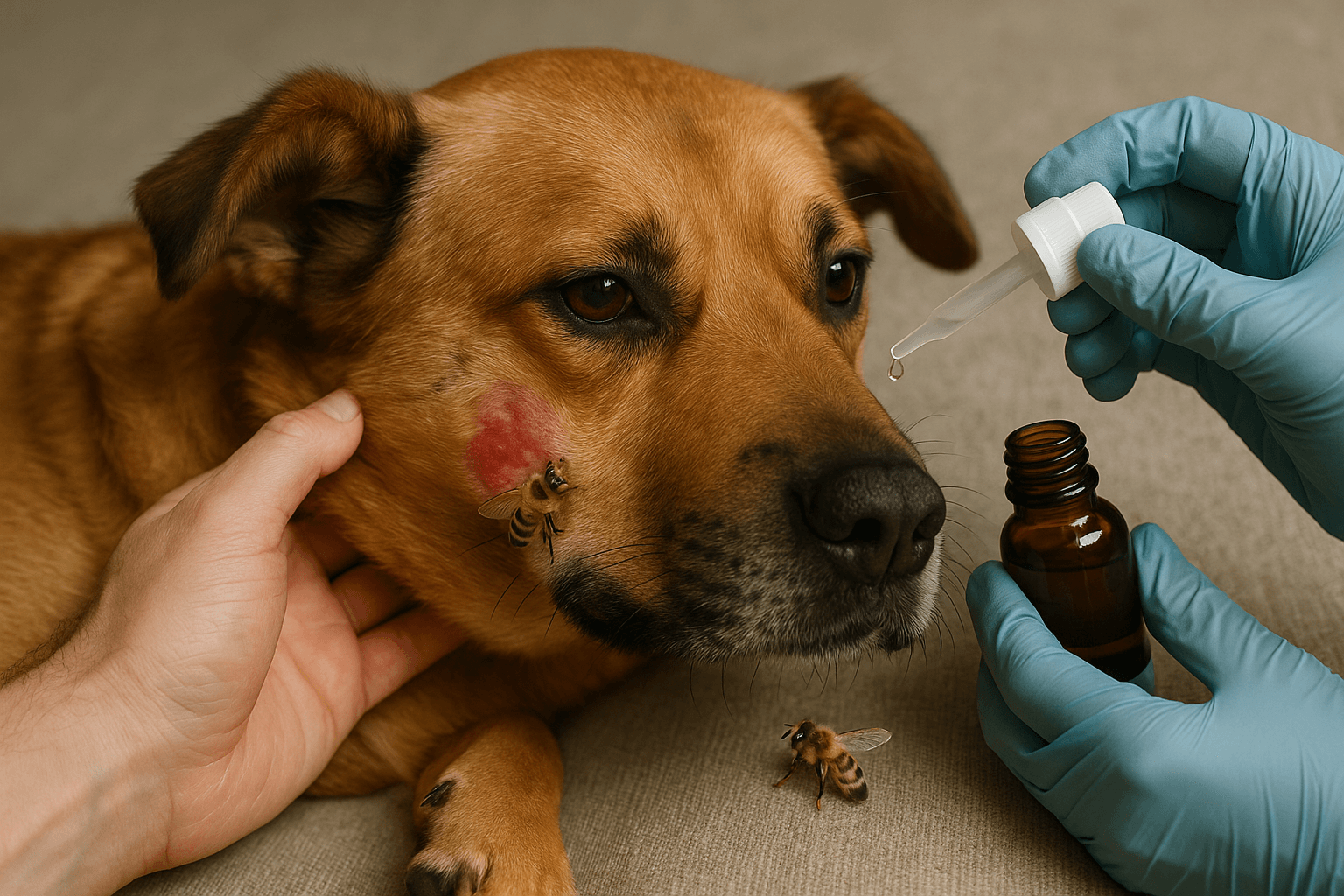
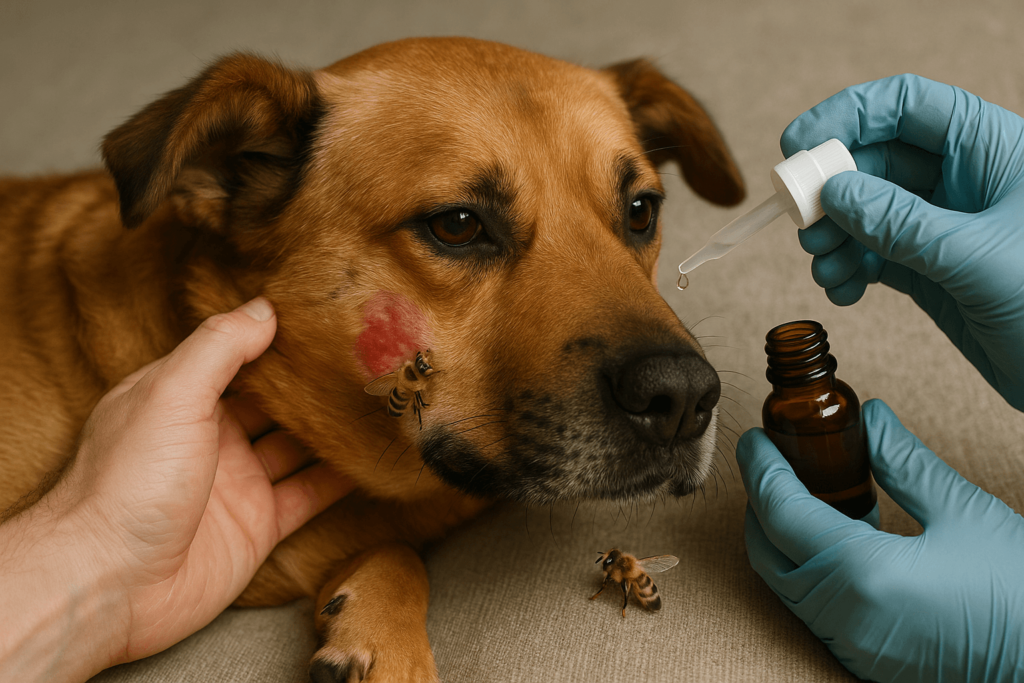

Dog Bee Sting Treatment: Best 7 Expert Tips!

Dog Bee Sting Treatment: Best 7 Expert Tips!

Dog Bee Sting Treatment: What Every Pet Owner Needs to Know

Few things are more alarming than seeing your dog yelp, paw at their face, or swell up after a sunny walk—especially if a bee is buzzing nearby. While most bee stings are mild, they can escalate quickly in sensitive dogs. Knowing how to respond with calm, confidence, and care can make all the difference between a minor hiccup and a veterinary emergency. This guide walks you through everything you need to know about dog bee sting treatment, from immediate first aid to when to rush to the vet.

Why Dogs Get Stung by Bees (And Why It Matters)

Dogs are naturally curious—sniffing flowers, chasing insects, or poking their noses into bushes without a second thought. Unfortunately, this curiosity often leads to bee stings, especially on the face, paws, or mouth. While a single sting is usually not life-threatening, it can cause pain, swelling, and in rare cases, a severe allergic reaction. Understanding how and why stings happen is the first step toward prevention and effective treatment.

 
  • Outdoor Exploration:
    Dogs love to investigate gardens, meadows, and backyards—prime bee territory—making encounters almost inevitable during warm months.

  • Playful Instincts:
    Chasing or batting at bees seems like a game to your dog, but it’s a direct invitation for a defensive sting.

  • Sensitive Areas at Risk:
    Stings on the nose, lips, or tongue can cause rapid swelling that may partially block the airway—a serious concern.

  • Repeated Exposure:
    Dogs stung multiple times (e.g., disturbing a hive) face higher toxin loads, increasing risk of systemic reactions.

  • Allergic Sensitization:
    Just like humans, dogs can develop allergies over time—even if previous stings caused no issues.


While most stings are manageable at home, knowing the warning signs and acting quickly ensures your dog stays safe, comfortable, and out of danger.

Dog Bee Sting Treatment: Best 7 Expert Tips!

Immediate First Aid for a Bee Sting in Dogs

Time is critical in the minutes following a bee sting. Quick, calm action can reduce pain, minimize swelling, and prevent complications. Unlike wasps, honeybees leave their stinger behind—so your first step is to remove it correctly.

 
  • Locate and Remove the Stinger:
    Use a credit card or fingernail to gently scrape the stinger out. Avoid tweezers—they can squeeze more venom into the skin.

     
  • Wash the Area Gently:
    Rinse the sting site with cool water and mild soap to reduce the risk of infection and remove residual bee pheromones that might attract more insects.

     
  • Apply a Cold Compress:
    Wrap an ice pack in a thin towel and hold it on the sting for 10 minutes to reduce swelling and numb pain.

     
  • Monitor Breathing and Behavior:
    Watch closely for labored breathing, excessive drooling, vomiting, or collapse—signs of anaphylaxis that require emergency care.

     
  • Prevent Licking or Scratching:
    Use a cone or cover the area lightly if your dog tries to chew or paw at the sting, which can worsen irritation.


This immediate response sets the stage for a smooth recovery. Most dogs feel better within a few hours—but ongoing observation is essential.

At-Home Care Steps When to Call the Vet
Scrape out stinger (don’t pinch) Facial or throat swelling
Apply cool compress for 10 mins Difficulty breathing or wheezing
Keep dog calm and quiet Vomiting, diarrhea, or collapse
Offer fresh water Multiple stings (3+)
Watch for 24–48 hours No improvement after 12 hours

Safe Home Remedies to Soothe Your Dog After a Sting

While veterinary care is essential for severe reactions, mild stings often respond well to gentle, natural remedies. These supportive measures can ease discomfort and speed up healing—without risking side effects.

 
  • Baking Soda Paste:
    Mix 1 tablespoon of baking soda with water to form a paste. Apply to the sting for 10–15 minutes to neutralize acidic bee venom and reduce itching.

     
  • Oatmeal Bath (for multiple stings):
    A lukewarm colloidal oatmeal bath can soothe irritated skin if your dog was stung in several places—just avoid the face.

     
  • Aloe Vera Gel:
    Use pure, pet-safe aloe vera (no added alcohol or lidocaine) to cool and moisturize the area—ideal for sensitive skin.

     
  • Chamomile Compress:
    Steep a chamomile tea bag in cool water, then gently press it to the sting. Its anti-inflammatory properties can calm redness.

     
  • Hydration and Rest:
    Encourage your dog to drink water and rest in a quiet space—stress can worsen inflammation.


Always check with your vet before using any home remedy, especially if your dog has underlying health conditions or is on medication.

What NOT to Do After a Dog Bee Sting

Well-meaning actions can sometimes do more harm than good. Avoid these common mistakes to keep your dog safe during recovery.

 
  • Don’t Use Human Antihistamines Without Vet Approval:
    Doses for humans can be toxic to dogs; even “safe” brands like Benadryl require precise dosing based on weight.

     
  • Don’t Squeeze or Poke the Sting Site:
    This forces more venom into the tissue and increases pain and swelling.

     
  • Don’t Assume One Sting Is Always Harmless:
    Even a single sting on the tongue can swell enough to obstruct breathing—never ignore facial stings.

     
  • Don’t Apply Essential Oils:
    Many essential oils (e.g., tea tree, eucalyptus) are toxic to dogs and can worsen irritation or cause poisoning.

     
  • Don’t Skip Monitoring:
    Delayed allergic reactions can occur up to 24 hours later. Keep a close eye, especially during the first night.


Staying calm and informed prevents panic-driven errors that could endanger your dog’s health.

Recognizing Signs of a Severe Allergic Reaction

Anaphylaxis is rare but life-threatening. Knowing the red flags could save your dog’s life—especially in the first 20 minutes after a sting.

 
  • Swelling Beyond the Sting Site:
    Rapid puffiness around the eyes, muzzle, or neck is a major warning sign.

     
  • Pale Gums or Tongue:
    This indicates poor circulation and possible shock—seek help immediately.

     
  • Weakness or Collapse:
    Your dog may stagger, lie down suddenly, or be unable to stand.

     
  • Excessive Drooling or Gagging:
    Could signal throat swelling or nausea from systemic reaction.

     
  • Rapid or Shallow Breathing:
    Labored breaths mean oxygen levels are dropping—this is an emergency.


If you see any of these signs, call your nearest emergency vet while en route. Every minute counts.

Preventing Future Bee Stings During Walks and Playtime

Prevention is easier than treatment. With a few smart habits, you can significantly reduce your dog’s risk of stings during outdoor adventures.

 
  • Avoid Flower-Rich Areas in Peak Season:
    Bees are most active in late morning to early afternoon from spring through fall—steer clear of blooming gardens during these times.

     
  • Keep Your Dog on a Leash Near Bushes:
    This prevents them from nosing into hives hidden in shrubs, compost piles, or under decks.

     
  • Inspect Your Yard Weekly:
    Check for ground nests, hanging hives, or swarms near play areas—call a professional for safe removal.

     
  • Don’t Let Dogs Chase Insects:
    Redirect their attention with toys or commands when you see bees hovering.

     
  • Use Protective Gear (for high-risk dogs):
    Some hiking vests or lightweight snoods offer mild facial protection for dogs with known allergies.


A little vigilance goes a long way in keeping your dog sting-free all season.

“If the stinger can be found, scrape it out with a credit card or other stiff material… To help neutralize some of the acidic venom, apply a paste mixture of baking soda and water to the sting area. Prevent your pet from licking at the area by using an Elizabethan collar.” — Roger Gfeller, DVM, DACVECC

When to Create an Emergency Action Plan

If your dog has a history of allergic reactions—even mild ones—it’s wise to prepare. An emergency plan ensures you’re never caught off guard.

 
  • Ask Your Vet About an Epinephrine Kit:
    For severely allergic dogs, vets may prescribe an EpiPen-like device for emergency use.

     
  • Keep Vet and Emergency Clinic Numbers Handy:
    Save them in your phone and post them on your fridge.

     
  • Learn Basic Canine CPR:
    While not always needed, it’s a valuable skill if your dog stops breathing en route to the vet.

     
  • Carry a First Aid Travel Kit:
    Include tweezers (for wasps, not bees), gauze, cold pack, and your vet’s written instructions.

     
  • Share the Plan With Pet Sitters or Walkers:
    Anyone caring for your dog should know the signs and response steps.


Preparedness turns panic into purpose—and could be the difference between crisis and calm.

Frequently Asked Questions About Dog Bee Sting Treatment

What’s the difference between a bee sting and a wasp sting in dogs?

Bees leave stingers and inject acidic venom; wasps don’t leave stingers and use alkaline venom. Treatment is similar, but bee stingers must be scraped out.

Only under veterinary guidance. Typical dose is 1 mg per pound of body weight—but never assume without calling your vet first.

Mild swelling usually peaks within 24 hours and fades in 1–3 days. If it worsens after 48 hours, contact your vet.

No breed is immune, but smaller dogs may show more dramatic symptoms from the same amount of venom due to body size.

Not always—but always for stings inside the mouth, multiple stings, or if your dog shows any signs of distress.

Stay Calm, Act Fast, and Trust Your Instincts

A bee sting can be scary—but with knowledge, preparation, and a steady hand, you can protect your dog and ease their discomfort effectively. Most stings are minor, but your awareness turns a simple first aid moment into a lifesaving act when it matters most. Keep your vet’s number close, your yard safe, and your dog’s comfort at the heart of every decision. After all, peace of mind is the best gift you can give your loyal companion during those unexpected summer surprises.

Is Rawhide Bad for Cats? Best 7 Expert Tips!

Is Rawhide Bad for Cats? Best 7 Expert Tips! – Discover the risks, safe alternatives, and expert advice to keep your feline friend healthy and happy.

Is Rawhide Bad for Dogs? Best 7 Expert Tips!

Is Rawhide Bad for Dogs? Best 7 Expert Tips! – Discover the risks, benefits, and safer alternatives to rawhides for your dog’s chewing needs.

Understanding Anorexia in Cats: Best 7 Expert Tips!

Understanding Anorexia in Cats: Best 7 Expert Tips! – Learn why cats stop eating, spot warning signs, and discover how to help your feline regain appetite safely.

Understanding Anorexia in Dogs: Best 7 Expert Tips!

Understanding Anorexia in Dogs: Best 7 Expert Tips! – Learn causes, symptoms, and solutions to help your dog regain appetite and stay healthy.

Leave a Reply

Your email address will not be published. Required fields are marked *