
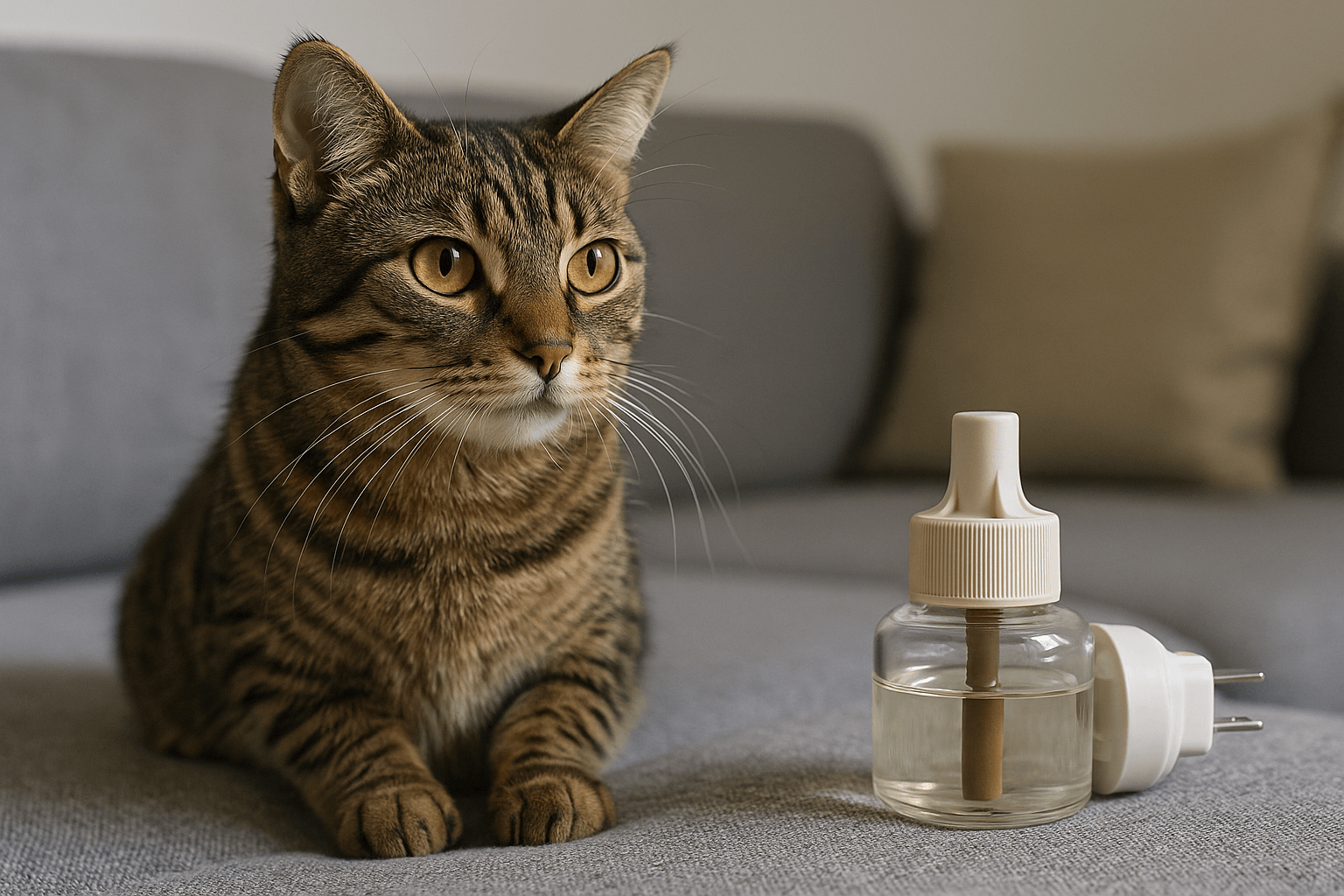
Do Cat Pheromones Work? The Science-Backed Truth About Feline Calming Solutions
Cats are masters of silent communication — and one of their most powerful tools is chemistry. Cat pheromones are natural scent signals that influence behavior, emotion, and social bonding. But do synthetic versions — sold as sprays, diffusers, or collars — actually work? The answer isn’t simple. While they won’t fix every behavioral issue, research and veterinary experience show they can be remarkably effective when used correctly. This guide dives deep into how cat pheromones function, what science says about their impact, and how to use them to reduce stress, curb marking, and create a calmer home for your feline.
How Cat Pheromones Naturally Function in the Wild
Before exploring synthetic solutions, it’s essential to understand the biological purpose of pheromones in a cat’s daily life. These chemical signals are invisible but deeply influential, shaping everything from territorial boundaries to social harmony.
Feline Facial Pheromones (F3):
Released when cats rub their cheeks against objects or people, these signal safety and familiarity — a way of saying, “This place is mine and calm.”Feline Appeasing Pheromones (FAP):
Produced by nursing mothers, these reassure kittens and promote bonding — now replicated in products designed to soothe anxious cats.Urine Marking Pheromones:
Used to establish territory, especially in multi-cat households or when stress triggers over-marking.Inter-cat Communication Signals:
Cats use pheromones to avoid conflict, signal non-aggression, and recognize familiar individuals without direct interaction.Stress Response Modulation:
Exposure to familiar pheromone cues reduces cortisol levels and lowers heart rate, helping cats feel secure even in unfamiliar environments.
These natural signals are why your cat rubs against your legs, nuzzles your pillow, or scratches near the door — they’re not being “bad.” They’re communicating. Synthetic pheromones mimic these signals to create a sense of emotional safety.
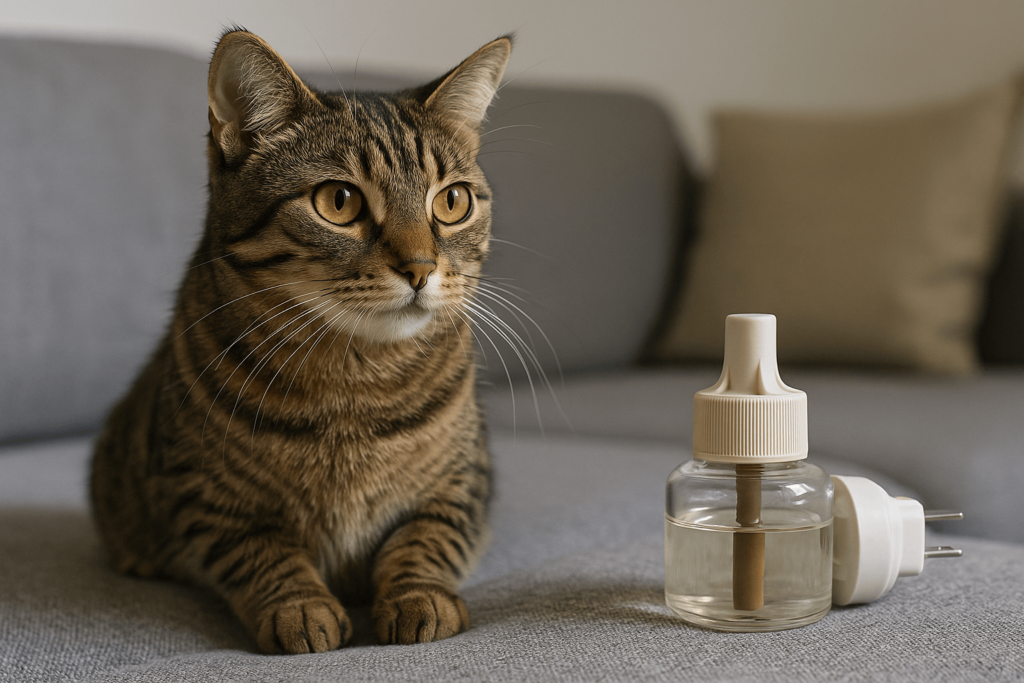
The Science Behind Synthetic Cat Pheromones
Decades of research have examined whether lab-created pheromones can replicate the calming effects of natural ones. The results are clear: when used appropriately, they work — but not as magic bullets.
Feliway® Studies Show Measurable Results:
Independent veterinary trials found that Feliway Classic diffusers reduced urine marking by up to 90% in multi-cat households within 4 weeks.Pheromone Diffusers Reduce Anxiety During Travel:
A 2018 study in the Journal of Feline Medicine and Surgery showed cats exposed to synthetic facial pheromones during vet visits exhibited significantly lower stress scores.Effectiveness Varies by Individual and Context:
While many cats respond positively, about 15–20% show little to no change — often due to underlying medical issues or severe environmental stressors.Not a Replacement for Behavioral Therapy:
Pheromones work best alongside environmental enrichment, routine, and training — not as standalone fixes for aggression or trauma.Safety Is Well Documented:
No toxic side effects have been reported in cats, even with long-term use. They’re odorless to humans and non-invasive.
The evidence supports pheromones as a legitimate, science-backed tool — not a gimmick. Their power lies in subtlety: they don’t sedate. They reassure.
Check this guide 👉 Cat Anxiety Treatment: Best 7 Expert Tips!
Check this guide 👉Cat Separation Anxiety Symptoms: Best 7 Expert Tips!
Check this guide 👉I Have Separation Anxiety from My Cat: Best 7 Tips!
| Type of Pheromone | Primary Use Case |
|---|---|
| Feline Facial Pheromone (F3/Feliway Classic) | Reduces marking, eases anxiety in new environments, promotes calm during vet visits |
| Feline Appeasing Pheromone (FAP/Feliway MultiCat) | Improves social harmony in multi-cat homes, reduces tension between cats |
| Synthetic Urine Marking Mimics | Not recommended — can trigger more marking; avoid products claiming to mimic urine signals |
| Collar-Based Pheromones | Best for short-term use during travel or temporary stressors like guests or construction |
| Spray Formulations | Ideal for targeted application on carriers, beds, or furniture before introducing change |
When Do Cat Pheromones Work Best? Real-Life Scenarios
Pheromones aren’t universal cures — their success depends on context, timing, and consistency. Here’s where they make the biggest difference.
Moving to a New Home:
Spray pheromones on carriers and new bedding 24–48 hours before arrival. Diffusers should run continuously for at least 30 days.Introducing a New Pet:
Use Feliway MultiCat diffusers in shared spaces 1–2 weeks before the new cat arrives to reduce territorial tension.Veterinary Visits:
Spray the carrier and car seat with pheromone spray 15 minutes before transport. Many vets now offer Feliway wipes for exam rooms.Holiday Stress or Loud Events:
Fireworks, parties, or renovations can trigger anxiety. Start diffusers 3–5 days ahead of the event for best results.Chronic Overgrooming or Hiding:
Often signs of stress-related behavioral issues. Pheromones help create a “safe zone,” especially when paired with hiding spots and elevated perches.
The key? Consistency. One spray won’t fix months of anxiety. Treat pheromones like a calming background hum — not a loud alarm.
Common Misconceptions About Cat Pheromones
Despite growing popularity, myths still cloud understanding. Let’s clear up the biggest misunderstandings.
Myth: “Pheromones sedate cats like medication.”
False. They don’t alter brain chemistry. Instead, they mimic natural signals that trigger feelings of safety — no drowsiness or side effects.Myth: “They work instantly.”
Most cats need 3–7 days to respond. For chronic issues, 30 days of continuous use is recommended for full effect.Myth: “All brands are the same.”
No. Only Feliway (by Ceva) and Comfort Zone (by Zenergie) have peer-reviewed clinical validation. Generic brands often lack active ingredients.Myth: “If it doesn’t work immediately, it’s useless.”
Many cats show subtle changes — less hiding, more grooming, improved appetite — before overt behavioral shifts occur.Myth: “Pheromones replace training or vet care.”
They’re a support tool. If your cat is urinating outside the litter box, rule out UTIs or arthritis first. Pheromones help, but don’t diagnose.
Understanding these myths prevents disappointment and ensures you use pheromones as intended — as part of a holistic approach.
How to Use Cat Pheromones Effectively: A Step-by-Step Plan
Using pheromones correctly makes all the difference. Follow this proven protocol for maximum impact.
Choose the Right Product for the Problem:
Use Feliway Classic for general anxiety or marking. Use Feliway MultiCat for multi-cat conflict or tension.Place Diffusers Strategically:
Plug into outlets in rooms your cat frequents — not behind furniture. One diffuser covers up to 700 sq. ft.Replace Refills on Time:
Diffusers lose effectiveness after 4 weeks. Set a calendar reminder — don’t wait until the light goes off.Use Sprays for Targeted Areas:
Spray bedding, carriers, or furniture before introducing change. Reapply every 4–6 hours if needed — avoid spraying directly on skin or food bowls.Combine With Environmental Enrichment:
Add vertical space, toys, and routine. Pheromones work best when the environment feels predictable and safe.
Don’t expect miracles. Do expect peace — if you’re consistent, patient, and precise.
What Doesn’t Work: When Pheromones Fall Short
Pheromones aren’t a cure-all. Recognizing their limits saves time, money, and frustration.
Underlying Medical Issues:
If your cat suddenly starts spraying, check for urinary tract infections, kidney disease, or arthritis. Medication may be needed first.Severe Trauma or Abuse:
Cats with deep psychological trauma may need behaviorists, anti-anxiety meds, or long-term therapy — pheromones alone won’t heal this.Poor Product Quality:
Cheap “cat calming” sprays often contain essential oils or alcohol — which can irritate cats. Stick to vet-recommended brands.Inconsistent Use:
Turning the diffuser off on weekends or skipping spray applications reduces effectiveness by 60–80%.Incorrect Placement:
Placing a diffuser in a closed closet or unused room renders it useless. Cats need to breathe the pheromones in their safe zones.
Know when to stop — and when to seek help. Pheromones are powerful, but not omnipotent.
Top 5 Recommended Pheromone Products (Backed by Vets)
Not all products are created equal. Here are the only five with proven efficacy and veterinary endorsement.
Feliway Classic Diffuser + Refill:
The gold standard for general anxiety, marking, and travel stress. Clinically tested for over 15 years.Feliway MultiCat Diffuser + Refill:
Specifically formulated for households with 2+ cats. Reduces tension, hissing, and resource guarding.Feliway Classic Spray:
Perfect for carriers, car seats, or new furniture. Fast-acting and portable.Comfort Zone with Feliway MultiCat Diffuser:
A budget-friendly alternative with similar active ingredients. Check expiration dates carefully.Sentry Calming Collar for Cats (with Feline Facial Pheromone):
Ideal for short-term use during travel, vet visits, or overnight stays. Not for continuous wear.
Avoid anything labeled “natural lavender” or “calming essential oils” — many are toxic to cats. Stick to pheromone-specific formulas.
Frequently Asked Questions About Cat Pheromones
Can I use pheromones around other pets like dogs or birds?
Yes. Cat pheromones are species-specific and have no effect on dogs, birds, or humans. They’re completely safe in mixed households.
How long does it take for a diffuser to start working?
Most cats show subtle improvements within 3–5 days. Full effects typically appear after 2–4 weeks of continuous use.
Do pheromones work on older cats?
Absolutely. Senior cats often benefit most — they’re more sensitive to environmental changes and may hide or stop eating due to stress.
Can I use multiple pheromone products at once?
Yes — for example, a diffuser in the living room and a spray on the carrier. Just avoid mixing different pheromone types (e.g., Classic + MultiCat) in the same room.
Are there any side effects?
None have been scientifically documented. Some cats may briefly sniff or lick the diffuser — this is normal and harmless.
Embrace Calm, Not Control
Cat pheromones don’t force behavior. They don’t punish. They don’t manipulate. They simply whisper to your cat’s ancient instincts: You are safe here. In a world full of loud noises, unfamiliar faces, and sudden changes, that whisper is powerful. When used with knowledge, patience, and consistency, synthetic pheromones become one of the most gentle, effective tools in your cat care toolkit. They won’t fix every problem — but they can transform anxiety into peace, marking into calm, and fear into trust.
You’re not just managing behavior. You’re honoring your cat’s biology. And in doing so, you’re not just helping your cat — you’re deepening the quiet, unspoken bond between you. A calm cat is a happy cat. And a happy cat makes a home feel like sanctuary.

Is Rawhide Bad for Cats? Best 7 Expert Tips! – Discover the risks, safe alternatives, and expert advice to keep your feline friend healthy and happy.

Is Rawhide Bad for Dogs? Best 7 Expert Tips! – Discover the risks, benefits, and safer alternatives to rawhides for your dog’s chewing needs.

Understanding Anorexia in Cats: Best 7 Expert Tips! – Learn why cats stop eating, spot warning signs, and discover how to help your feline regain appetite safely.

Understanding Anorexia in Dogs: Best 7 Expert Tips! – Learn causes, symptoms, and solutions to help your dog regain appetite and stay healthy.