

Understanding the Chow Chow Dog Size
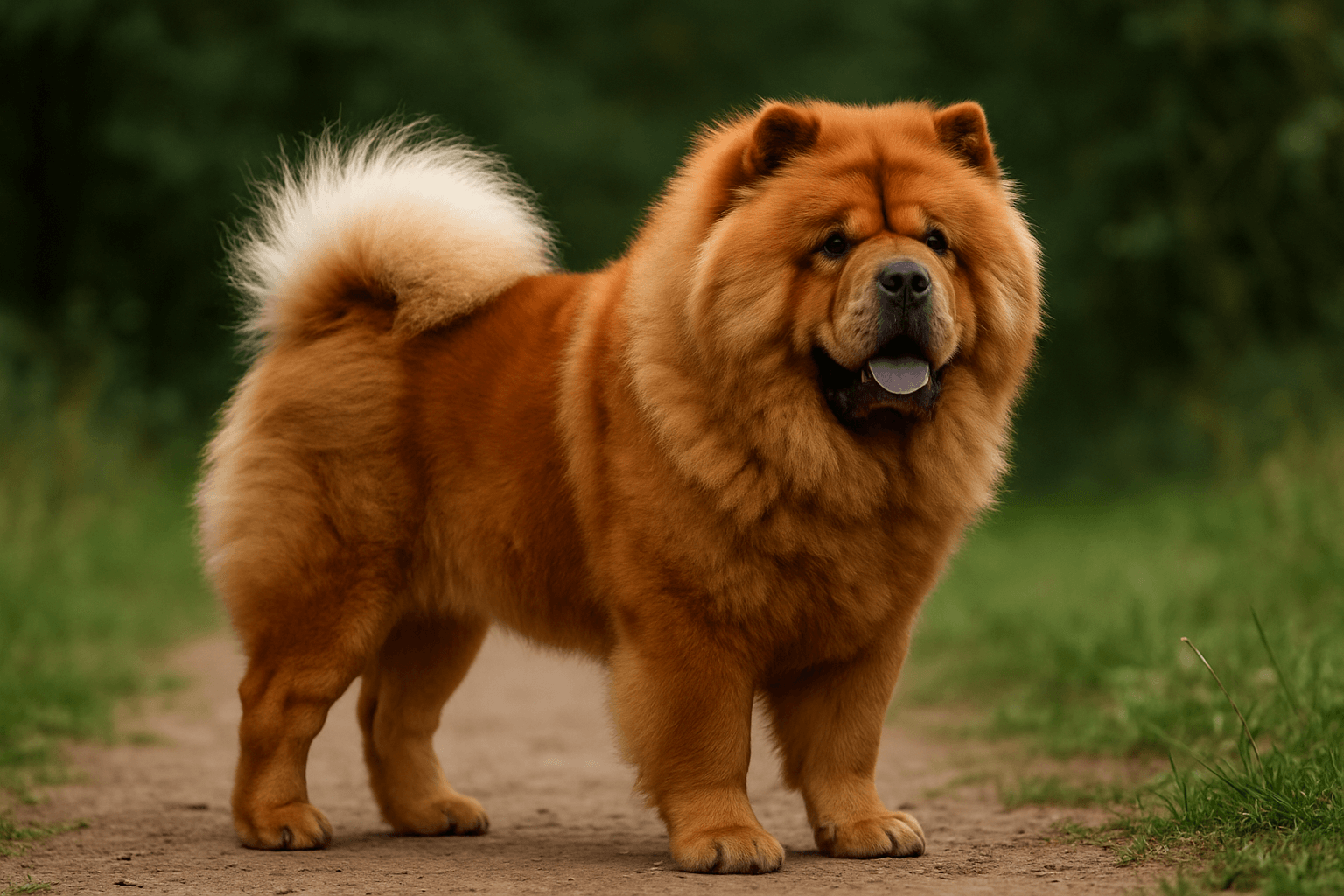
When it comes to iconic dog breeds, few command attention quite like the Chow Chow—renowned for its lion-like ruff, scowling expression, and distinctive blue-black tongue. But beyond its regal aura lies a practical consideration every potential owner must understand: How big does a Chow Chow really get? This breed’s size directly influences everything from housing and exercise to grooming logistics and long-term joint health. Whether you’re drawn to their dignity or considering them as a family companion, knowing their true physical dimensions is essential for responsible, compassionate care.
Where Exactly Does the Chow Chow Dog Size Fall on the Breed Spectrum?
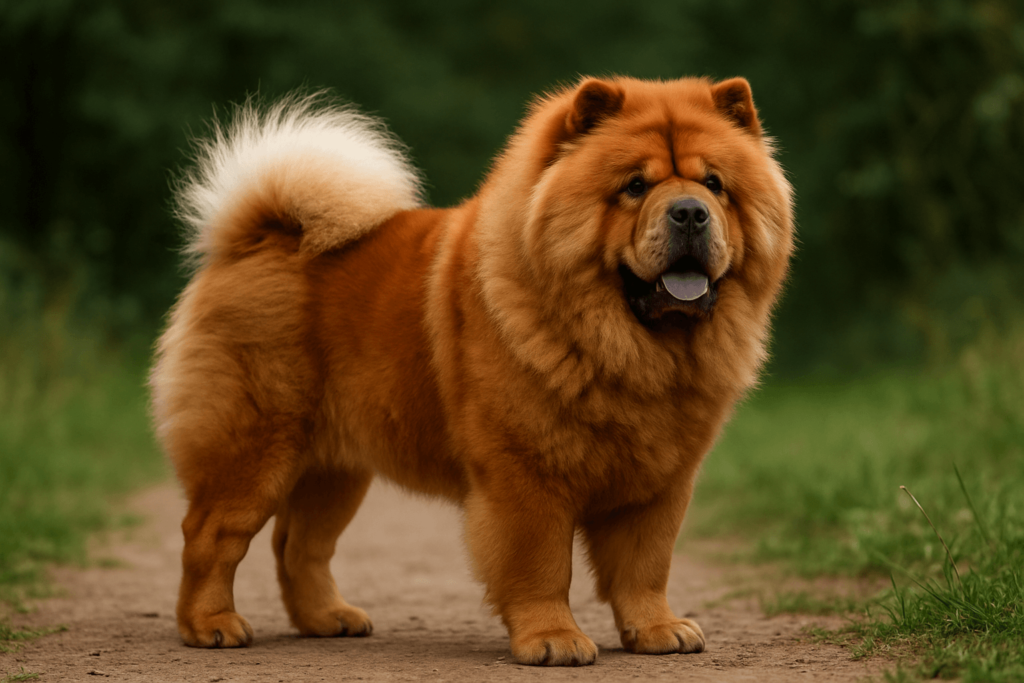
The Chow Chow is classified as a medium-to-large breed with a compact, squarely built frame and dense double coat that adds impressive visual volume. Originating in ancient China as a multi-purpose working dog—used for hunting, herding, pulling sleds, and guarding—their size reflects both endurance and quiet strength. They are neither overly leggy nor bulky, but solidly proportioned for agility and resilience in cold climates.
- Height range:
Adult males typically stand 19–22 inches (48–56 cm) at the withers, while females are slightly more petite at 18–20 inches (46–51 cm). - Weight expectations:
Healthy males weigh between 50–75 pounds (23–34 kg); females generally range from 45–60 pounds (20–27 kg). - Square, balanced proportions:
The breed standard emphasizes a near-perfect square silhouette—body length approximately equal to height at the shoulder. - Thick double coat creates illusion of bulk:
Their voluminous ruff, plush undercoat, and feathered tail can make them appear significantly larger than their skeletal frame suggests. - Slow maturation timeline:
Chow Chows grow steadily and often don’t achieve full physical or mental maturity until 18–24 months of age.
Despite their calm demeanor, their size gives them quiet authority—and requires thoughtful space and lifestyle planning.
Why the Chow Chow Dog Size Matters for Daily Life
A Chow Chow’s physical dimensions aren’t just about aesthetics; they shape how the dog interacts with your home, your routine, and even your vet visits. Their sturdy build supports a calm, independent personality—but also brings specific care needs tied directly to their medium-large frame.
- Space adaptability with caveats:
While they’re not hyperactive indoors, their size means they need room to stretch, turn, and rest comfortably—especially on hard floors. - Heat sensitivity due to coat and mass:
Their dense fur and muscular build make them prone to overheating; short, cool walks are safer than long summer hikes. - Joint stress with excess weight:
Even a few extra pounds significantly increase strain on hips and knees, raising the risk of dysplasia or arthritis. - Grooming demands scale with surface area:
Their large body covered in thick fur requires regular brushing—2–3 times weekly—to prevent painful mats and skin issues. - Handling during emergencies or vet care:
Most adult Chows are too heavy to lift, so early training for cooperative walking and standing still is essential.
In essence, the Chow Chow’s size is a silent partner in every aspect of ownership—from choosing a dog bed to planning travel.
Check this guide 👉Saint Bernard Chow Chow Mix: Best 7 Expert Tips!
Check this guide 👉Rhodesian Ridgeback Chow Chow Mix: Best 7 Expert Tips!
Check this guide 👉Chow Chow Husky Mix: Best 7 Expert Tips!
Signs Your Chow Chow Is at a Healthy Size | Daily Care Tips for Size Management |
|---|---|
Visible waistline when viewed from above | Measure meals precisely—never free-feed |
Ribs palpable under a light fat layer | Weigh your dog every 2–3 months |
Smooth, effortless gait | Use non-slip flooring or rugs indoors |
Willingness to walk or play moderately | Choose low-impact activities like scent games |
Shiny coat without bald patches or flaking | Schedule wellness checks every 6 months |
Common Causes of Size-Related Health Issues in Chow Chows
While the Chow Chow’s build is naturally robust, certain factors can push their size from healthy to problematic. Misconceptions about their “fluffy” appearance often lead to overfeeding, while their stoic nature masks discomfort until issues become serious. Understanding what distorts their ideal size helps prevent long-term harm.
- Overfeeding during puppyhood:
Rapid growth from excess calories can misalign developing joints, increasing hip dysplasia risk. - Treat overuse without activity balance:
High-calorie snacks without offsetting exercise quickly lead to weight gain in this low-energy breed. - Lack of early muscle development:
Without gentle, age-appropriate exercise, puppies develop poor muscle tone, straining ligaments later. - Assuming fluff equals “small dog” needs:
Many owners underestimate their caloric and spatial needs due to the breed’s plush, cuddly look. - Ignoring breed-specific metabolism:
Chow Chows have a naturally slower metabolism—what works for a Labrador may cause obesity in a Chow.
Prevention begins with seeing past the fluff and treating them as the substantial, structured dogs they truly are.
Diagnosing Size-Related Concerns: What Vets Assess
Because Chow Chows rarely vocalize pain and hide discomfort instinctively, weight or joint issues often go unnoticed until mobility declines. Veterinarians use body condition scoring (BCS), gait analysis, and palpation to evaluate whether a Chow’s size is supporting—or sabotaging—their health.
- Body Condition Score (BCS) evaluation:
Vets assign a 1–9 score; ideal Chows fall at 4–5, with ribs easily felt but not seen. - Hip and knee palpation:
Gentle joint manipulation checks for crepitus, pain, or instability linked to excess weight. - Gait observation on different surfaces:
Watching how they walk on tile vs. carpet reveals subtle limps or reluctance to bear weight. - Weight-to-height ratio analysis:
Charts specific to the breed help determine if a dog is over or under ideal mass. - Ruling out hypothyroidism:
This common condition in Chows can cause unexplained weight gain and lethargy.
Early intervention can reverse many size-related issues—before arthritis or heart strain sets in.
Managing Chow Chow Size: Practical Strategies
Unlike high-drive breeds that burn calories easily, Chow Chows thrive on consistency, portion control, and low-stress routines. The goal isn’t slimness for appearance’s sake, but optimal body condition for longevity and comfort.
- Portion-controlled feeding with breed-specific food:
Choose formulas designed for medium/large breeds with joint support and moderate calories. - Daily structured walks (not just backyard time):
30–45 minutes of leash walking helps maintain muscle and metabolism. - Interactive feeding puzzles:
These slow eating and add mental stimulation without physical strain. - Regular body checks at home:
Weekly rib and waistline checks help catch slow weight creep before it becomes problematic. - Seasonal weight adjustments:
Slightly higher intake in winter is normal; reduce slightly in summer to compensate for lower activity.
With mindful habits, your Chow can maintain a size that supports decades of dignified companionship.
Long-Term Considerations for a Healthy Chow Chow Frame
Even a Chow at ideal weight benefits from lifelong joint and mobility support. Their size means cumulative stress on knees and hips—so proactive care is key to preserving their famous poise into old age.
- Daily joint supplements:
Glucosamine, chondroitin, and omega-3 fatty acids help maintain cartilage and reduce inflammation. - Orthopedic dog beds:
Memory foam supports pressure points and eases stiffness after long naps. - Controlled access to furniture:
Provide ramps or stairs to sofas to avoid high jumps that jar aging joints. - Biannual vet wellness exams:
Early bloodwork and mobility checks catch metabolic or arthritic changes before symptoms appear. - Environmental traction upgrades:
Add area rugs or paw-grip socks to prevent slips on hardwood or tile.
A well-maintained Chow moves with the same quiet confidence at 12 as at 2.
Preventing Size-Related Challenges Before They Start
The best approach to Chow Chow size management is prevention—starting the day you bring them home. By establishing healthy habits early, you set the stage for a lifetime of balance and ease.
- Feed for ideal adult weight, not current puppy size:
Use vet-guided growth charts to avoid over-nutrition during development. - Avoid “cute” overfeeding:
Their stoic face may seem pleading, but consistency with meals builds better health than extra treats. - Choose appropriately sized gear:
Harnesses, crates, and beds should fit their full-grown frame—not their fluffy illusion. - Monitor treats as part of daily calories:
Even healthy snacks count; keep them under 10% of total intake. - Celebrate stillness, not inactivity:
Chow Chows are naturally calm—encourage gentle movement without pushing for high energy.
Respect for their natural size is the first act of love you can offer this ancient, noble breed.
“A Chow Chow, full-grown, stands 17–20 inches tall and weighs 45–70 pounds.” — Autumn Madden, DVM
Frequently Asked Questions About the Chow Chow Dog Size
Do male and female Chow Chows differ significantly in size?
Yes—males are typically 1–2 inches taller and 10–15 pounds heavier than females, though both share the same square build.
At what age is a Chow Chow fully grown?
Most reach adult height by 12 months but continue filling out and maturing until 18–24 months old.
Can a Chow Chow live comfortably in an apartment?
Absolutely—if their size-related needs are met: daily walks, non-slip floors, and climate control to manage their thick coat.
Is obesity common in Chow Chows?
Yes—due to their low energy, hearty appetite, and insulating coat that hides weight gain, they’re at high risk without portion control.
How can I tell if my Chow Chow is overweight?
Check for a visible waist behind the ribs and easily felt (not seen) ribs; if you can’t feel them, your dog likely carries excess weight.
A Final Word: Honoring the Chow Chow’s Noble Proportions
The Chow Chow carries itself with the quiet dignity of an ancient temple guardian—every step measured, every glance deliberate. But that grace rests on a foundation of balanced size, strong joints, and thoughtful care. By respecting their true physical dimensions—not the illusion created by fur—you ensure they remain not just a striking presence, but a healthy, joyful companion for years to come. After all, their silent loyalty deserves nothing less than the clearest understanding of how to keep them strong, comfortable, and proudly themselves.
Is Rawhide Bad for Cats? Best 7 Expert Tips! – Discover the risks, safe alternatives, and expert advice to keep your feline friend healthy and happy.

Is Rawhide Bad for Dogs? Best 7 Expert Tips! – Discover the risks, benefits, and safer alternatives to rawhides for your dog’s chewing needs.

Understanding Anorexia in Cats: Best 7 Expert Tips! – Learn why cats stop eating, spot warning signs, and discover how to help your feline regain appetite safely.

Understanding Anorexia in Dogs: Best 7 Expert Tips! – Learn causes, symptoms, and solutions to help your dog regain appetite and stay healthy.
Is Rawhide Bad for Cats? Best 7 Expert Tips! – Discover the risks, safe alternatives, and expert advice to keep your feline friend healthy and happy.
Is Rawhide Bad for Dogs? Best 7 Expert Tips! – Discover the risks, benefits, and safer alternatives to rawhides for your dog’s chewing needs.
Understanding Anorexia in Cats: Best 7 Expert Tips! – Learn why cats stop eating, spot warning signs, and discover how to help your feline regain appetite safely.
Understanding Anorexia in Dogs: Best 7 Expert Tips! – Learn causes, symptoms, and solutions to help your dog regain appetite and stay healthy.