

Cheyletiella in Dogs: Best 7 Expert Tips!

Cheyletiella in Dogs: Best 7 Expert Tips!

Cheyletiella in Dogs: The Itchy Truth Behind “Walking Dandruff”

If you’ve noticed your dog constantly scratching, shaking their coat, or sporting an unusual amount of flaky skin that seems to move, you might be dealing with Cheyletiella—a surprisingly common but often overlooked skin parasite. Nicknamed “walking dandruff” for the way mites carry skin scales as they crawl, this condition is highly contagious but treatable with the right approach. While it’s rarely life-threatening, it causes real discomfort for your dog and can even affect humans in the household. Understanding what Cheyletiella is, how it spreads, and how to stop it is the first step toward relief. In this comprehensive guide, we’ll walk you through everything you need to know—so you can help your pup feel like themselves again.

What Is Cheyletiella in Dogs?


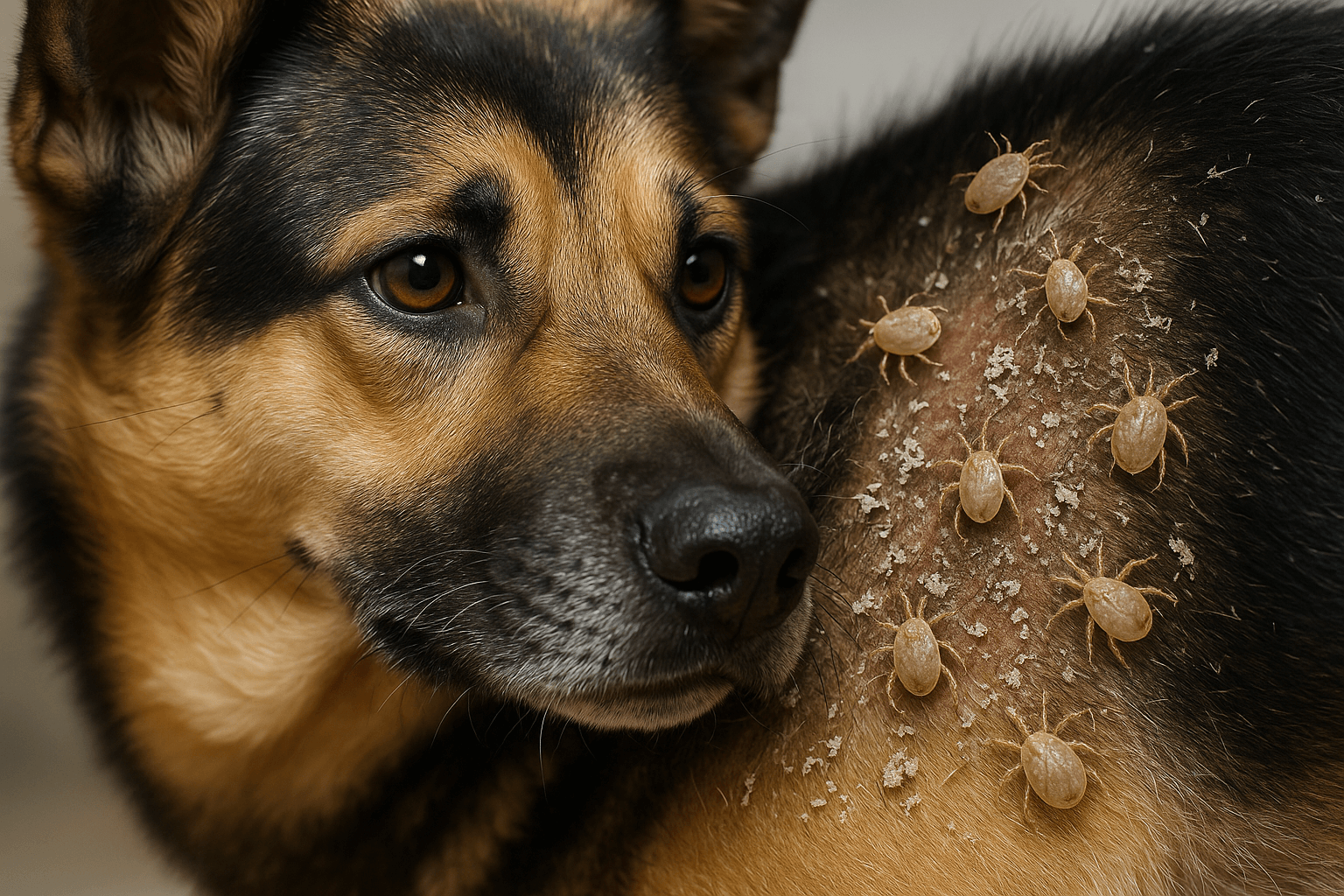
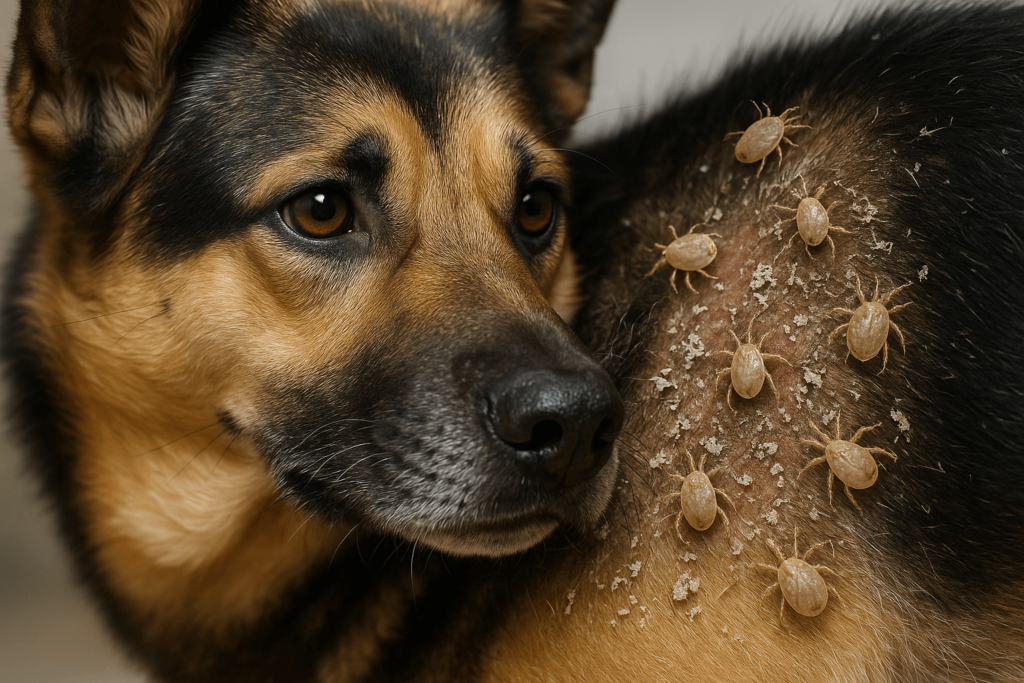
Cheyletiella is a genus of mites that live on the surface of a dog’s skin, feeding on skin debris and oils. Unlike mange mites that burrow deep, Cheyletiella stays superficial—yet still causes significant irritation. These mites are large enough to be seen with the naked eye under good lighting, appearing as tiny, slow-moving white specks among flakes of skin.

 
  • Species-specific but cross-contagious:
    While Cheyletiella yasguri primarily infests dogs, it can temporarily affect cats, rabbits, and even humans—especially during close contact.
     
  • Surface-dwelling parasites:
    They don’t burrow but live in the keratin layer of the skin, making them easier to detect and treat than some other mites.
     
  • Highly contagious through direct contact:
    Dogs often pick up Cheyletiella from kennels, groomers, dog parks, or multi-pet households.
     
  • Zoonotic potential:
    Humans in the home may develop itchy red bumps, usually on arms or torso—though the mites can’t complete their life cycle on us.
     
  • Often misdiagnosed as dry skin or allergies:
    Because symptoms mimic other conditions, proper veterinary testing is essential for accurate identification.
 

Recognizing Cheyletiella early—before it spreads to other pets or people—makes treatment faster and far more effective.

Cheyletiella in Dogs: Best 7 Expert Tips!

Common Signs and Symptoms to Watch For


Not all skin issues look the same, but Cheyletiella has a few telltale patterns. If you notice these signs, especially along your dog’s back or neck, it’s time to consult your vet.

 
  • Excessive dandruff that seems to shift or crawl:
    This “walking dandruff” is the hallmark sign—flakes that move due to mites underneath.
     
  • Intense itching or scratching:
    Your dog may chew, lick, or rub affected areas, sometimes leading to secondary sores.
     
  • Dry, scaly patches along the spine:
    Most commonly seen from the neck to the base of the tail, where mites thrive.
     
  • Hair loss in moderate cases:
    Chronic scratching can cause thinning fur, especially in long-coated breeds.
     
  • Restlessness or irritability:
    Constant skin irritation can make even calm dogs seem agitated or sleepless.
 

If your dog’s “dandruff” doesn’t improve with brushing or moisturizing shampoos—and seems to worsen—it’s likely not just dry skin.

At-Home Observations Veterinary Confirmation Steps
Moving skin flakes along the back Skin scraping or combing test under microscope
Persistent scratching despite flea treatment Differentiation from sarcoptic or demodectic mange
Other pets showing similar symptoms Testing all household animals, even if asymptomatic
Human family members with itchy bumps Review of exposure history and timeline
No improvement with standard shampoos Trial treatment if diagnostics are inconclusive

How Cheyletiella Is Diagnosed


Veterinarians use a few reliable methods to confirm Cheyletiella—because visual suspicion alone isn’t enough. Accurate diagnosis ensures you’re treating the right problem.

 
  • Superficial skin scraping:
    A gentle scrape collects skin cells and mites for microscopic exam—though mites can be elusive.
     
  • Acetate tape test:
    Clear tape pressed to flaky areas picks up mites and eggs; it’s non-invasive and often revealing.
     
  • Flea comb collection:
    Combing the coat over a dark surface may reveal moving mites or white eggs stuck to hair shafts.
     
  • Fecal flotation (in some cases):
    If a dog licks the area, mites may appear in stool samples—a less common but possible route.
     
  • Response to treatment trial:
    If tests are negative but suspicion remains, a vet may prescribe anti-mite treatment to see if symptoms resolve.
 

Since Cheyletiella mimics allergies, fungal infections, or seborrhea, lab confirmation prevents wasted time and unnecessary treatments.

Effective Treatment Options


Once diagnosed, Cheyletiella is highly treatable—especially when all pets in the home are addressed simultaneously. Your vet will tailor a plan to your dog’s age, health, and lifestyle.

 
  • Topical parasiticides (e.g., selamectin, moxidectin):
    Monthly spot-on treatments are often effective and convenient for long-haired dogs.
     
  • Oral medications (e.g., fluralaner, afoxolaner):
    Single-dose oral chews from the isoxazoline class can eliminate mites quickly and safely.
     
  • Medicated dips or shampoos:
    Lime-sulfur dips are safe for puppies and pregnant dogs but require weekly use for 4–6 weeks.
     
  • Environmental cleaning:
    Wash bedding, vacuum furniture, and disinfect surfaces to remove mite eggs and prevent reinfestation.
     
  • Treating all household animals:
    Even asymptomatic pets can carry mites—so cats, rabbits, and other dogs must be included in treatment.
 

Most dogs show improvement within days, but completing the full course is essential to break the mite’s life cycle.


What NOT to Do When Treating Cheyletiella


Good intentions can backfire if you rely on myths or outdated remedies. Avoid these common mistakes during treatment.

 
  • Using over-the-counter flea sprays not labeled for mites:
    Many lack efficacy against Cheyletiella and may irritate sensitive skin.
     
  • Skipping treatment for other pets:
    Leaving one animal untreated turns them into a reservoir for reinfestation.
     
  • Assuming it’s “just dandruff” and waiting:
    Delaying care allows mites to multiply and spread to people or other animals.
     
  • Bathing too frequently with harsh shampoos:
    This can dry the skin further and worsen flaking, even if mites are dying.
     
  • Stopping treatment after symptoms fade:
    Mite eggs can hatch days later—always follow your vet’s full protocol.
 

Patience and precision are key: thorough treatment prevents frustrating relapses.

Preventing Future Infestations


Prevention is far easier than dealing with a full-blown outbreak. A few smart habits can keep Cheyletiella from returning.

 
  • Regular parasite prevention:
    Many monthly preventatives (like those for fleas) also control Cheyletiella—discuss options with your vet.
     
  • Quarantine new pets briefly:
    Before introducing a new dog, cat, or rabbit, have them checked for skin parasites.
     
  • Wash bedding weekly during outbreaks:
    Hot water and high-heat drying kill mites and eggs in fabrics.
     
  • Avoid high-risk environments during peak seasons:
    Kennels or shelters with poor hygiene increase exposure risk—choose reputable facilities.
     
  • Monitor for early signs:
    A quick weekly once-over of your dog’s coat can catch flaking before it becomes severe.
 

Consistent care turns prevention into routine—keeping your home mite-free long-term.

Special Considerations for Puppies, Seniors, and Multi-Pet Homes


Cheyletiella affects dogs of all ages—but treatment must be adapted for vulnerable individuals and complex households.

 
  • Puppies under 8 weeks:
    Many medications aren’t approved for young pups; lime-sulfur dips are often the safest choice.
     
  • Senior dogs with thin skin:
    Gentler topical treatments and reduced bathing frequency help avoid irritation.
     
  • Homes with cats or rabbits:
    Use only vet-approved products safe for all species—some dog treatments are toxic to cats.
     
  • Immunocompromised pets:
    Underlying illness can worsen infestations; address root health issues alongside mite treatment.
     
  • Large multi-pet households:
    Coordinate treatments on the same day and deep-clean shared spaces to stop the cycle.
 

With thoughtful planning, even the most complex homes can eliminate Cheyletiella without stress or setbacks.

“Cheyletiellosis is an uncommon but highly contagious skin parasite of dogs, cats, humans, and rabbits, caused by Cheyletiella mites. It is also referred to as ‘walking dandruff’ due to the appearance of the large, whitish mites as they crawl across skin and fur, and the excessive scaling that accompanies the infection.” – Malcolm Weir, DVM, MSc, MPH

Frequently Asked Questions

Is Cheyletiella in dogs contagious to humans?

Yes—but only temporarily. Humans may develop itchy red bumps, usually resolving within 1–3 weeks once the pet is treated.

Most dogs improve within a week, but full eradication takes 4–6 weeks to ensure all mite life stages are eliminated.

Yes, if re-exposure occurs or if all pets/environment weren’t treated. Reinfection is common without thorough decontamination.

Long-haired breeds (like Shih Tzus or Lhasa Apsos) may hide mites more easily, but any dog can be affected.

No—washing in hot water and drying on high heat kills mites. Vacuuming upholstery and rugs is usually sufficient.

Clear Skins, Happy Tails: Winning the Battle Against Cheyletiella


Cheyletiella may be small, but its impact on your dog’s comfort—and your peace of mind—is anything but. The good news? With accurate diagnosis, consistent treatment, and smart prevention, this “walking dandruff” can be fully resolved. More importantly, your vigilance protects not just your dog, but your entire household. Remember: flaky skin isn’t always harmless dryness. When in doubt, a quick vet visit can bring relief, clarity, and a return to the happy, itch-free life your dog deserves. After all, a healthy coat isn’t just about looks—it’s a sign of a dog feeling their best, from skin to soul.

Is Rawhide Bad for Cats? Best 7 Expert Tips!

Is Rawhide Bad for Cats? Best 7 Expert Tips! – Discover the risks, safe alternatives, and expert advice to keep your feline friend healthy and happy.

Is Rawhide Bad for Dogs? Best 7 Expert Tips!

Is Rawhide Bad for Dogs? Best 7 Expert Tips! – Discover the risks, benefits, and safer alternatives to rawhides for your dog’s chewing needs.

Understanding Anorexia in Cats: Best 7 Expert Tips!

Understanding Anorexia in Cats: Best 7 Expert Tips! – Learn why cats stop eating, spot warning signs, and discover how to help your feline regain appetite safely.

Understanding Anorexia in Dogs: Best 7 Expert Tips!

Understanding Anorexia in Dogs: Best 7 Expert Tips! – Learn causes, symptoms, and solutions to help your dog regain appetite and stay healthy.

Leave a Reply

Your email address will not be published. Required fields are marked *