

Cat Rapid Sneezing: Best 7 Expert Tips!

Cat Rapid Sneezing: Best 7 Expert Tips!

Cat Rapid Sneezing: Why It Happens and What You Can Do

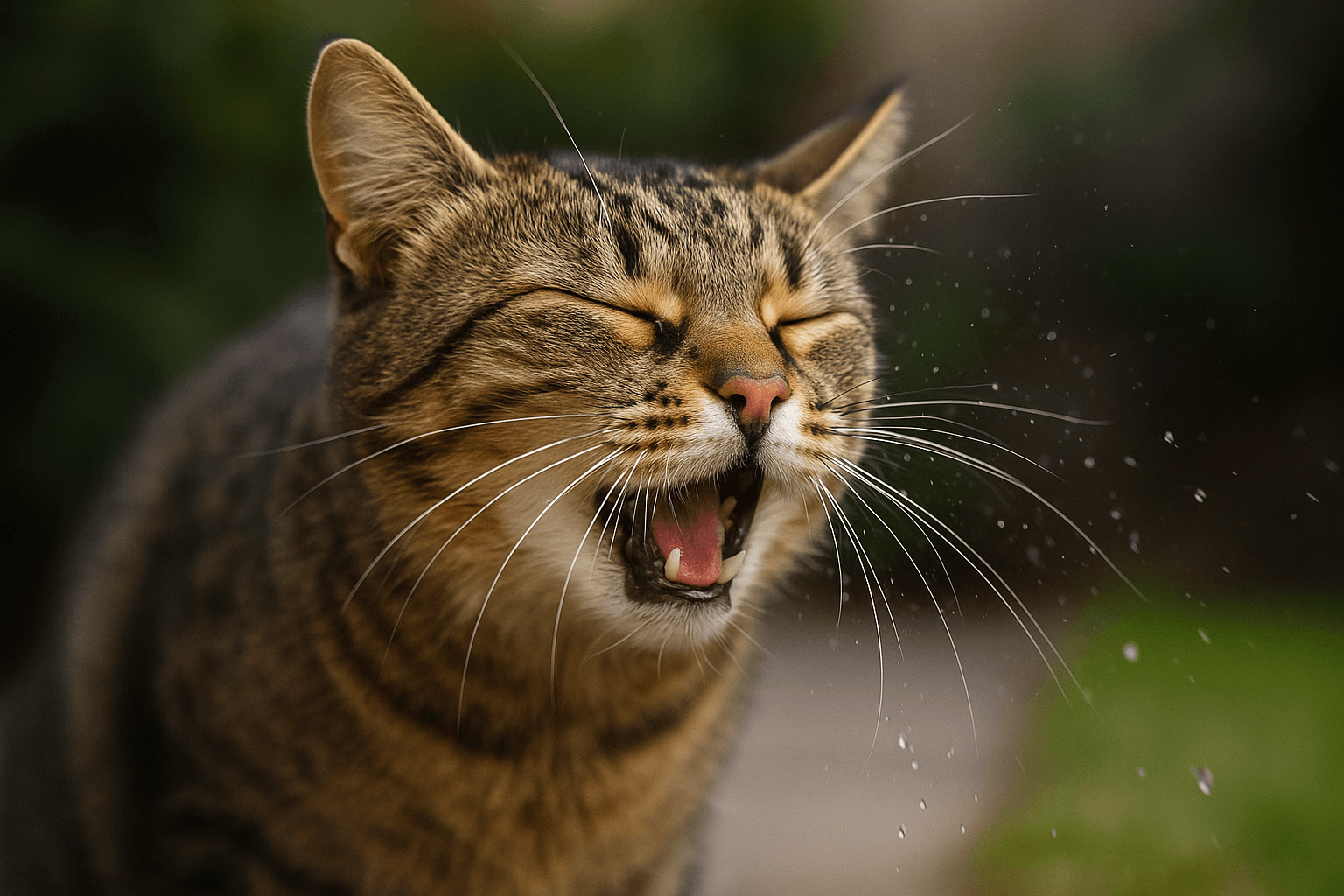
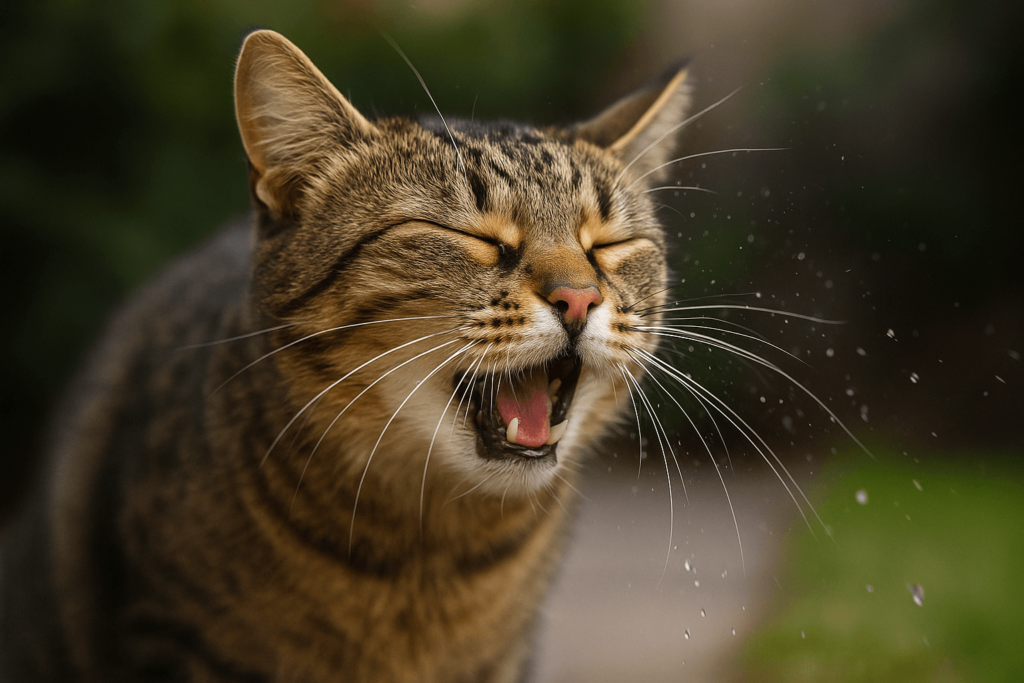
Cats don’t sneeze the way humans do — but when they do, especially in rapid bursts, it can be alarming. Is it just dust? A cold? Or something more serious? Cat rapid sneezing is often misunderstood, dismissed as harmless, or overreacted to. The truth lies somewhere in between. Understanding the causes, recognizing warning signs, and knowing how to respond can turn confusion into calm — and protect your cat’s health before it escalates.

Common Causes of Cat Rapid Sneezing

Rapid sneezing in cats isn’t random — it’s a physical response to an irritant, infection, or underlying condition. Recognizing the root cause is the first step toward effective care.

 
  • Environmental Irritants:
    Dust, perfume, cigarette smoke, cleaning sprays, or even strong litter scents can trigger sudden, repeated sneezing as your cat’s nasal passages react to airborne particles.

  • Upper Respiratory Infections (URIs):
    Viruses like feline herpesvirus or calicivirus are leading culprits, especially in multi-cat households or shelters. These often cause sneezing alongside runny eyes, nasal discharge, or lethargy.

  • Allergies:
    Cats can develop allergies to pollen, mold, certain foods, or even fabrics. Rapid sneezing may occur seasonally or after exposure to new items in the home.

  • Foreign Objects:
    A blade of grass, a small seed, or even a piece of litter can become lodged in the nasal passage, prompting violent, repeated sneezing attempts to expel it.

  • Dental Issues:
    Infections in the teeth or gums — especially in the upper molars — can spread to the nasal cavity, causing chronic or intermittent rapid sneezing due to sinus inflammation.


When your cat sneezes rapidly but seems otherwise fine, it’s usually mild. But when it’s frequent, persistent, or paired with other symptoms, it’s time to pay closer attention.

Cat Rapid Sneezing: Best 7 Expert Tips!

When Cat Rapid Sneezing Signals a Health Problem

Not all sneezing is created equal. Some cases are temporary and harmless. Others are red flags requiring veterinary intervention. Knowing the difference saves lives.

 
  • Persistent or Daily Sneezing:
    If your cat sneezes rapidly for more than a few days without improvement, it may indicate a chronic infection or structural issue.

  • Discharge from Nose or Eyes:
    Thick, yellow, green, or bloody discharge is a clear sign of bacterial infection or advanced viral illness.

  • Loss of Appetite or Lethargy:
    Sneezing combined with refusal to eat, hiding, or reduced activity suggests systemic illness, not just irritation.

  • Noisy Breathing or Open-Mouth Breathing:
    This indicates respiratory distress — your cat may be struggling to breathe due to nasal blockage or inflammation.

  • Fever or Weight Loss:
    A fever (normal cat temp: 100.5–102.5°F) or unexplained weight loss alongside sneezing points to immune system compromise.


These signs aren’t “wait-and-see” situations. Delaying care can allow minor issues to become severe — especially in kittens, seniors, or immunocompromised cats.

Normal Sneezing Concerning Sneezing
Occasional, isolated episodes Multiple times daily for over 3 days
No nasal or eye discharge Yellow, green, or bloody discharge
Cat remains playful and eats normally Loss of appetite, weight loss, or lethargy
Triggered by dust or perfume No obvious trigger — sneezing occurs randomly
Resolves within 24–48 hours Worsens over time or is accompanied by fever

How to Identify Allergies as the Cause

Allergies are increasingly common in cats — and often mistaken for colds. If your cat’s rapid sneezing coincides with seasonal changes or new household products, allergies may be the culprit.

 
  • Seasonal Patterns:
    Sneezing that spikes in spring or fall often correlates with pollen, mold spores, or grass allergens entering through open windows.

  • Itchy Skin or Ear Infections:
    Allergic cats frequently scratch their ears, lick their paws, or develop skin rashes alongside sneezing — a classic triad of atopy.

  • Food Allergies:
    Though less common, sudden sneezing after switching food may indicate a reaction to proteins like chicken, fish, or beef.

  • Improved Symptoms After Removal:
    If sneezing stops after removing a new air freshener, litter brand, or cleaning product, the trigger is likely identified.

  • Diagnosis Requires Testing:
    Skin or blood tests, elimination diets, and trial antihistamines are often needed to confirm allergies — your vet can guide you.


Unlike infections, allergies don’t cause fever or thick discharge. Instead, they bring subtle, persistent irritation that worsens over time unless addressed.

The Role of Viral Infections Like Feline Herpesvirus

Feline herpesvirus (FHV-1) is the most common cause of chronic upper respiratory disease in cats — and it often presents as rapid, recurring sneezing.

 
  • Highly Contagious:
    Spreads easily between cats through shared food bowls, grooming, or airborne droplets — especially in shelters or multi-cat homes.

  • Lifelong Carrier State:
    Once infected, most cats remain carriers for life. Stress, illness, or pregnancy can trigger flare-ups with sneezing, eye ulcers, or nasal congestion.

  • Symptoms Come in Waves:
    Your cat may seem fine for months, then suddenly start sneezing again after moving homes or during a vet visit.

  • Eye Involvement Is Common:
    Conjunctivitis, squinting, or cloudy eyes often accompany sneezing in herpesvirus cases.

  • Treatment Focuses on Management:
    There’s no cure — but antiviral medications, lysine supplements, and stress reduction can dramatically reduce flare-up frequency and severity.


Never assume “it’s just a cold.” Feline herpesvirus requires veterinary management to prevent long-term damage to the nasal passages and eyes.

What to Do When Your Cat Starts Rapidly Sneezing

Immediate action doesn’t mean panic — it means thoughtful, informed steps to protect your cat’s health.

 
  • Observe and Document:
    Note the frequency, duration, and any accompanying symptoms (discharge, coughing, appetite loss). A symptom log helps your vet diagnose faster.

  • Remove Potential Irritants:
    Switch to dust-free litter, stop using air fresheners, avoid scented candles, and clean HVAC filters to reduce airborne triggers.

  • Increase Humidity:
    Use a humidifier in your cat’s favorite room — moist air soothes irritated nasal passages and loosens congestion.

  • Keep Your Cat Warm and Quiet:
    Stress worsens symptoms. Provide a calm, cozy space away from loud noises or other pets.

  • Do Not Use Human Medications:
    Never give your cat decongestants, antihistamines, or OTC cold remedies without veterinary approval — many are toxic to cats.


Early intervention often prevents minor sneezing from becoming a full-blown respiratory crisis.

When to Visit the Veterinarian

Some cases can be managed at home. Others demand professional care. Here’s when to make that call.

 
  • Sneezing lasts longer than 5–7 days without improvement, even after removing irritants.

  • Nasal or eye discharge becomes thick, colored, or bloody.

  • Your cat stops eating for more than 24 hours — cats can develop hepatic lipidosis (fatty liver) quickly if they stop eating.

  • You notice labored breathing, wheezing, or open-mouth breathing.

  • Your cat is a kitten, senior, or has pre-existing conditions like kidney disease or FIV — their immune systems are more vulnerable.


A vet may recommend nasal swabs, bloodwork, X-rays, or even rhinoscopy to identify the cause. Early diagnosis means faster relief — and fewer complications.


Preventing Future Episodes of Rapid Sneezing

Prevention is always better than cure. These steps reduce the likelihood of future sneezing episodes and keep your cat healthier long-term.

 
  • Keep Your Home Clean and Dust-Free:
    Vacuum regularly, use HEPA filters, and avoid aerosol sprays near your cat’s resting areas.

  • Use Dust-Free, Unscented Litter:
    Clay or scented litters are major irritants. Opt for paper-based or silica crystals instead.

  • Vaccinate Regularly:
    Ensure your cat is up to date on FVRCP (feline viral rhinotracheitis, calicivirus, panleukopenia) vaccines — they reduce severity and frequency of URIs.

  • Minimize Stress:
    Provide safe spaces, consistent routines, and enrichment like puzzle feeders or window perches to reduce anxiety-triggered flare-ups.

  • Schedule Annual Check-Ups:
    Especially for older cats. Dental exams and nasal health screenings can catch problems before they escalate.


A little prevention goes a long way — and keeps your cat breathing easy.

Frequently Asked Questions About Cat Rapid Sneezing

Why is my cat sneezing so much all of a sudden?

Sudden rapid sneezing is often triggered by environmental irritants, new litter, or a viral flare-up. Start by eliminating recent changes in your home.

No. Human cold viruses don’t infect cats. But cats can catch feline-specific viruses from other cats — especially in close quarters.

If caused by a virus like herpesvirus or calicivirus — yes. Isolate the sneezing cat until you consult your vet, especially if you have other cats or kittens.

Only under veterinary guidance. Some human saline sprays contain additives harmful to cats. Never use without approval.

It depends on the cause. Allergies may improve with age or environmental control. Viral carriers will have flare-ups under stress. Dental causes require treatment — they won’t resolve on their own.

Embracing Your Cat’s Health — One Sneeze at a Time

Rapid sneezing in cats isn’t a nuisance — it’s a message. It’s your cat’s way of telling you something isn’t right. Whether it’s dust in the air, a virus in the system, or pain in the mouth, your attention makes the difference. You don’t need to be a vet to be a great caregiver — you just need to observe, act with care, and know when to seek help. By understanding the reasons behind the sneezes, you’re not just protecting your furniture — you’re protecting your companion’s well-being. A healthy nose means a happy cat. And a happy cat means a peaceful, purring home.

Is Rawhide Bad for Cats? Best 7 Expert Tips!

Is Rawhide Bad for Cats? Best 7 Expert Tips! – Discover the risks, safe alternatives, and expert advice to keep your feline friend healthy and happy.

Is Rawhide Bad for Dogs? Best 7 Expert Tips!

Is Rawhide Bad for Dogs? Best 7 Expert Tips! – Discover the risks, benefits, and safer alternatives to rawhides for your dog’s chewing needs.

Understanding Anorexia in Cats: Best 7 Expert Tips!

Understanding Anorexia in Cats: Best 7 Expert Tips! – Learn why cats stop eating, spot warning signs, and discover how to help your feline regain appetite safely.

Understanding Anorexia in Dogs: Best 7 Expert Tips!

Understanding Anorexia in Dogs: Best 7 Expert Tips! – Learn causes, symptoms, and solutions to help your dog regain appetite and stay healthy.

Leave a Reply

Your email address will not be published. Required fields are marked *