

Cat Parasite Coccidia: What Every Owner Needs to Know
If your cat is suffering from diarrhea, lethargy, or poor appetite, a tiny but troublesome parasite called coccidia could be the culprit. While often mild in healthy adult cats, coccidia can pose serious risks—especially for kittens, senior cats, or those with weakened immune systems. This microscopic intestinal invader is more common than many realize, yet frequently misunderstood. Understanding how it spreads, how to recognize it, and how to treat it effectively can make all the difference in your feline’s recovery. Let’s break down everything you need to know about coccidia—so you can protect your cat with confidence.
What Is Coccidia and How Does It Affect Cats?
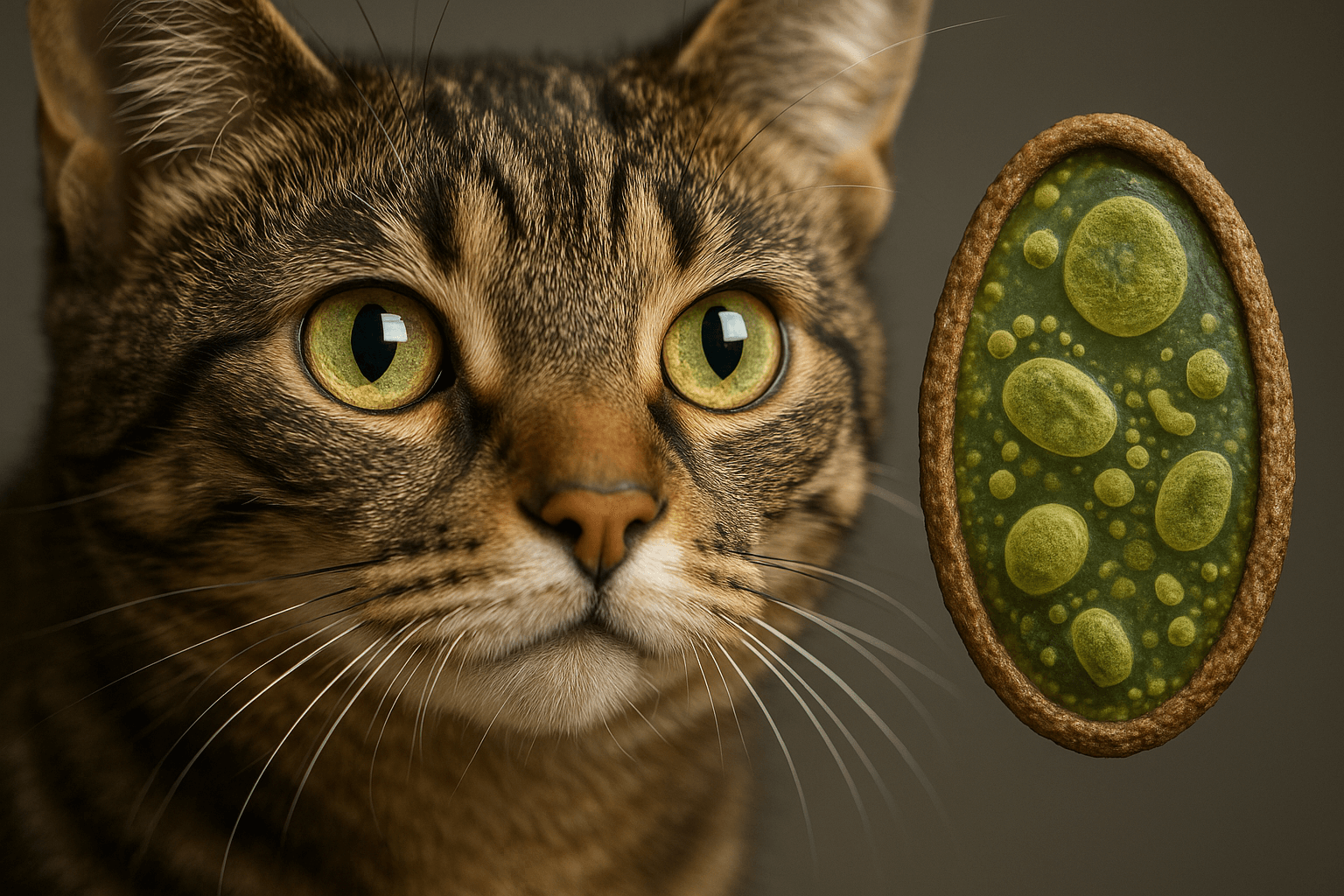
Coccidia are single-celled parasites that infect the intestinal lining of cats, disrupting digestion and nutrient absorption. Though several species exist, Isospora felis and Isospora rivolta are the most common in domestic felines. Infection occurs when a cat ingests oocysts—immature forms of the parasite—usually from contaminated environments.
- Targets intestinal cells:
Once inside the gut, coccidia reproduce rapidly, damaging the lining and causing inflammation that leads to diarrhea. - Most dangerous for young cats:
Kittens under six months are especially vulnerable due to immature immune systems and close contact in shelters or litters. - Not always symptomatic:
Many adult cats carry low levels of coccidia without showing signs—becoming silent shedders in multi-cat households. - Highly contagious in group settings:
Catteries, shelters, and breeding facilities often see outbreaks due to shared litter boxes and stress-induced shedding. - Self-limiting in some cases:
Healthy adult cats may clear mild infections on their own, but treatment is still recommended to prevent spread.
While coccidia rarely causes death in otherwise healthy cats, it can severely weaken young or immunocompromised individuals—making early detection essential.
How Do Cats Get Infected with Coccidia?
Transmission happens through the fecal-oral route, meaning cats swallow oocysts shed in infected feces. These oocysts become infectious after 1–7 days in the environment, making contaminated surfaces a major risk.
- Litter box exposure:
Cats grooming after using a shared or poorly cleaned box may ingest oocysts stuck to their paws or fur. - Hunting or scavenging:
Ingesting infected rodents or insects (like cockroaches) that carry oocysts can introduce the parasite. - Environmental contamination:
Oocysts can survive for weeks in soil, grass, or bedding—especially in warm, humid conditions. - Mother-to-kitten transmission:
While not passed in utero, kittens often become infected shortly after birth from a contaminated nest or grooming by the queen. - Stress as a trigger:
Moving, illness, or overcrowding can weaken immunity, allowing dormant coccidia to flare into active infection.
Preventing exposure hinges on hygiene, stress reduction, and prompt fecal cleanup—especially in multi-cat homes.
Check this guide 👉Cat Coronavirus Treatment: Best 7 Expert Tips!
Check this guide 👉Can Cats Get Norovirus from Humans? Best 7 Health Tips!
Check this guide 👉Cat Parasites That Cause Diarrhea: Best 7 Expert Tips!
| Signs of Mild Coccidia | Red Flags Needing Vet Care |
|---|---|
| Occasional soft stool | Watery, bloody diarrhea |
| Slight decrease in energy | Severe dehydration or sunken eyes |
| Normal appetite maintained | Refusing food for more than 24 hours |
| No weight loss | Rapid weight loss or weakness |
| Stays hydrated | Vomiting alongside diarrhea |
Diagnosing Coccidia in Cats
Veterinarians typically confirm coccidia through a fecal examination. Because oocysts are shed intermittently, a single negative test doesn’t always rule out infection—especially if symptoms persist.
- Fecal flotation test:
The most common method; a stool sample is mixed with a solution that causes oocysts to float for microscopic identification. - Multiple samples may be needed:
Due to inconsistent shedding, vets sometimes request 2–3 samples over several days for accuracy. - PCR testing (in complex cases):
More sensitive than flotation, this DNA-based test can identify specific coccidia species and rule out other parasites. - Rule out other causes:
Your vet may also test for giardia, worms, or bacterial infections that mimic coccidia symptoms. - Physical exam supports diagnosis:
Dehydration, abdominal pain, or poor body condition help contextualize lab findings.
Early and accurate diagnosis ensures your cat gets the right treatment—without unnecessary medications.
Standard Treatment Options for Coccidia
The good news? Coccidia is treatable, and most cats respond well with proper care. While no drug kills the parasite instantly, supportive therapy halts reproduction and allows the immune system to clear it.
- Sulfadimethoxine (Albon):
The most common prescription; given orally for 5–20 days depending on severity and response. - Supportive hydration:
Subcutaneous or oral fluids may be needed if diarrhea has caused dehydration, especially in kittens. - Probiotics and gut support:
Help restore healthy intestinal flora after infection and antibiotic use. - Environmental decontamination:
Cleaning with steam or ammonia-based disinfectants (not bleach—oocysts are bleach-resistant) reduces reinfection risk. - Isolation during treatment:
Sick cats should use separate litter boxes and bowls to prevent spreading oocysts to housemates.
Treatment success depends on consistency—always complete the full course, even if symptoms improve quickly.
What NOT to Do When Your Cat Has Coccidia
Well-meaning actions can sometimes backfire. Avoid these common mistakes to ensure a safe, effective recovery.
- Don’t skip vet care for “just diarrhea”:
Coccidia can escalate quickly in kittens—delaying treatment risks life-threatening dehydration. - Don’t use over-the-counter dewormers:
Most OTC wormers target roundworms or tapeworms, not coccidia—they won’t help and may cause side effects. - Don’t rely on bleach for cleanup:
Coccidia oocysts are highly resistant to bleach; use steam cleaning or ammonium compounds instead. - Don’t stop medication early:
Even if stool firms up, stopping treatment prematurely can lead to relapse or chronic shedding. - Don’t ignore other pets:
Even asymptomatic cats may be carriers—ask your vet if housemates need testing or preventive care.
When in doubt, follow your veterinarian’s guidance—home remedies rarely address coccidia effectively.
Preventing Coccidia in Multi-Cat Homes and Catteries
Prevention is far easier than treatment—especially in environments where cats share space. A proactive hygiene routine dramatically reduces risk.
- Scoop litter boxes daily:
Oocysts take 1–7 days to become infectious, so daily removal prevents maturation in the environment. - Disinfect surfaces weekly:
Use steam cleaners or veterinary-approved disinfectants on floors, bedding, and feeding areas. - Minimize stress:
Overcrowding, frequent changes, or poor nutrition weaken immunity—maintain calm, consistent routines. - Quarantine new arrivals:
Isolate new cats for 2–4 weeks and test feces before introducing them to resident pets. - Avoid outdoor hunting exposure:
Keep cats indoors or supervise outdoor time to reduce contact with infected wildlife or soil.
In high-density settings like shelters, strict sanitation protocols can stop outbreaks before they start.
Long-Term Outlook and Immunity After Infection
Most cats recover fully from coccidia with no lasting effects—especially when treated promptly. However, immunity isn’t perfect, and reinfection is possible.
- Healthy adults gain partial immunity:
After clearing an infection, many cats resist severe symptoms upon re-exposure. - Kittens remain vulnerable:
Their developing immune systems may not mount strong protection, making early prevention critical. - Chronic carriers are rare but possible:
Some cats intermittently shed oocysts without symptoms—regular fecal checks help monitor this. - No vaccine exists:
Unlike some parasites, there’s no coccidia vaccine for cats—so management relies on hygiene and early care. - Good prognosis with treatment:
Over 95% of treated cats recover completely within 1–2 weeks if dehydration is managed.
With attentive care, coccidia is a manageable bump in the road—not a lifelong sentence.
“Coccidiosis is an intestinal tract infection caused by a single-celled organism (protozoa) called coccidia. Cystoisospora species are the most common type of coccidia affecting cats, and while many infected cats show no symptoms, kittens and immunocompromised adults may develop severe, watery diarrhea, dehydration, and abdominal distress.” — Malcolm Weir, DVM, MSc, MPH
Frequently Asked Questions
Can humans get coccidia from cats?
No. The species that infect cats (Isospora) are not transmissible to people. However, always wash hands after handling feces.
How long does coccidia last in cats?
With treatment, symptoms usually improve within 3–5 days, though oocyst shedding may continue for up to two weeks.
Can coccidia go away on its own?
Mild cases in healthy adults might resolve spontaneously, but treatment prevents spread and complications—especially in multi-cat homes.
Is coccidia contagious between cats?
Yes. Infected cats shed oocysts in feces, which become infectious after 1–7 days and can easily contaminate shared spaces.
What kills coccidia in the environment?
Heat (steam cleaning), ammonia-based disinfectants, and prolonged drying help. Bleach and most household cleaners are ineffective.
Final Thoughts – Protect, Treat, and Prevent with Peace of Mind
Coccidia may be microscopic, but its impact on your cat’s health—especially young or vulnerable ones—can be significant. The good news? With prompt diagnosis, appropriate medication, and smart hygiene practices, this parasite is both treatable and preventable. By staying observant, acting quickly at the first sign of trouble, and maintaining a clean environment, you give your feline friend the best chance at a quick recovery and long-term wellness. Remember: a healthy gut means a happy cat—and your vigilance is the first line of defense.
Is Rawhide Bad for Cats? Best 7 Expert Tips! – Discover the risks, safe alternatives, and expert advice to keep your feline friend healthy and happy.

Is Rawhide Bad for Dogs? Best 7 Expert Tips! – Discover the risks, benefits, and safer alternatives to rawhides for your dog’s chewing needs.

Understanding Anorexia in Cats: Best 7 Expert Tips! – Learn why cats stop eating, spot warning signs, and discover how to help your feline regain appetite safely.

Understanding Anorexia in Dogs: Best 7 Expert Tips! – Learn causes, symptoms, and solutions to help your dog regain appetite and stay healthy.