

Cat Heat Stroke Survival Rate: Best 7 Expert Tips!

Cat Heat Stroke Survival Rate: Best 7 Expert Tips!

Cat Heat Stroke Survival Rate: What Every Cat Owner Needs to Know

Heat stroke is a silent, fast-moving emergency for cats—one that can escalate from mild distress to life-threatening within minutes. While cats are often seen lounging in sunbeams, they’re far less equipped than humans to regulate their body temperature in extreme heat. Understanding the survival rate, early signs, and critical response steps could mean the difference between recovery and tragedy. This guide breaks down everything you need to know about feline heat stroke, from prevention to prognosis. Because when the thermometer rises, your cat’s life may depend on how quickly you act.

Understanding Feline Heat Stroke


Unlike humans, cats can’t sweat effectively—they rely on panting, paw pad evaporation, and seeking cool spots to stay safe in hot weather. When those systems fail, their core temperature soars, triggering heat stroke: a condition where vital organs begin to shut down. Recognizing it early is essential.

 
  • Core temperature above 106°F (41.1°C):
    This is the clinical threshold for heat stroke in cats—normal is 100–102.5°F—and damage begins rapidly beyond this point.
     
  • Rapid breathing or open-mouth panting:
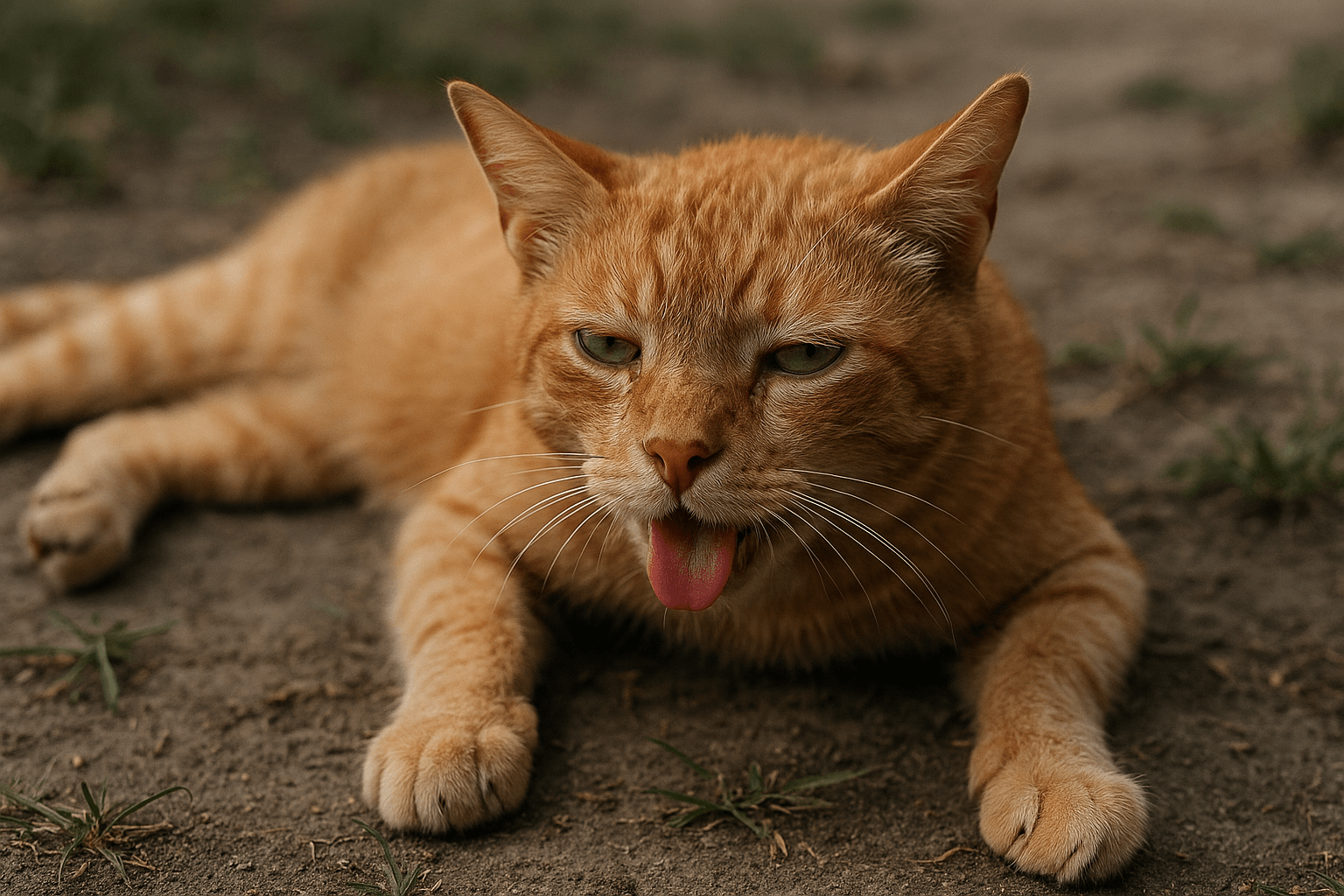
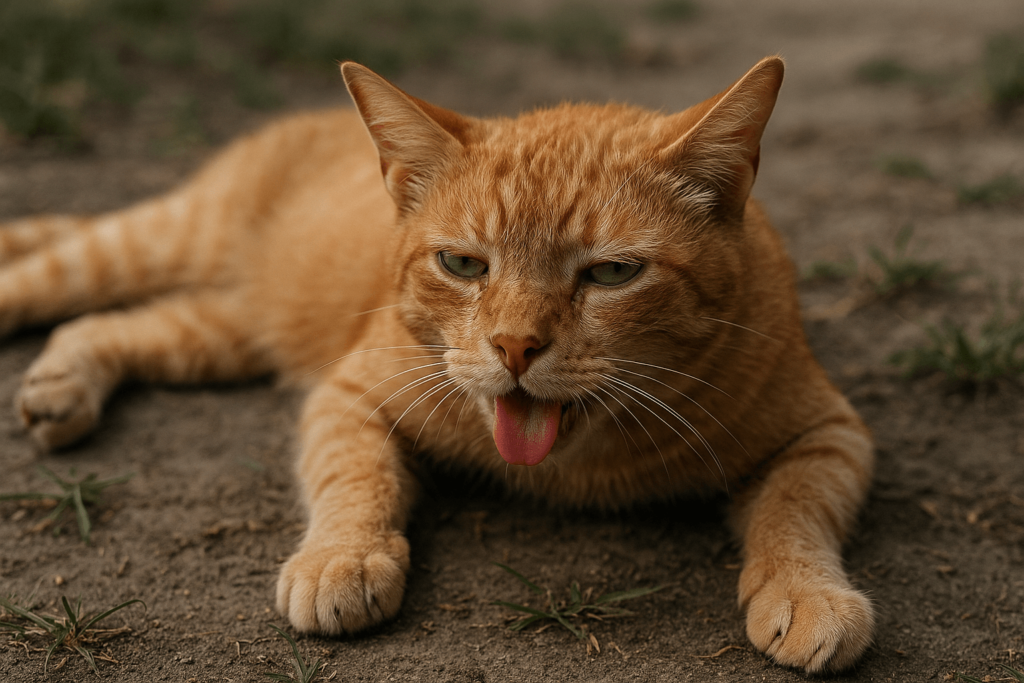
    While rare in cats, panting is a major red flag and often one of the first visible signs of overheating.
     
  • Bright red gums and tongue:
    Indicates poor circulation and oxygen deprivation as the body struggles to cool itself.
     
  • Lethargy or collapse:
    A cat suffering heat stroke may appear disoriented, weak, or unresponsive—never mistake this for “just resting.”
     
  • Vomiting, diarrhea, or seizures:
    In advanced cases, neurological and gastrointestinal systems fail, signaling a dire emergency.
 

Heat stroke isn’t just “being hot”—it’s a systemic crisis that demands immediate cooling and veterinary intervention.

Cat Heat Stroke Survival Rate: Best 7 Expert Tips!

What Influences Survival Rate?


The cat heat stroke survival rate varies widely—studies suggest 50% to 90%, depending on how quickly treatment begins and the severity at presentation. Several key factors tip the odds.

 
  • Time to intervention:
    Cats cooled within 30 minutes and seen by a vet within an hour have dramatically higher survival odds.
     
  • Age and underlying health:
    Kittens, seniors, and cats with heart, kidney, or respiratory conditions face greater risks and lower recovery rates.
     
  • Breed susceptibility:
    Brachycephalic (flat-faced) breeds like Persians struggle more with thermoregulation due to narrowed airways.
     
  • Indoor vs. outdoor exposure:
    Outdoor cats trapped in hot sheds or cars suffer more severe cases than indoor cats accidentally left in warm rooms.
     
  • Presence of complications:
    Organ damage (e.g., kidney failure, brain swelling, or blood clotting disorders) significantly lowers survival chances.
 

Early recognition and action are the single greatest predictors of a positive outcome.

Signs of Early Overheating Heat Stroke Emergency Indicators
Seeking cool floors or shade Body temperature above 106°F
Mild panting or drooling Bright red or pale gums
Reduced activity Vomiting or bloody diarrhea
Warm ears and paws Seizures or collapse
Increased water intake Unresponsiveness or coma

Immediate First Aid Steps (Before the Vet)


If you suspect heat stroke, every minute counts. Start cooling your cat while someone calls the vet or prepares for transport—never delay.

 
  • Move to a cool, shaded area:
    Immediately bring your cat indoors or under shade; avoid enclosed spaces like cars or garages.
     
  • Apply cool (not cold) water:
    Use lukewarm or cool—not ice-cold—water on ears, paws, and belly to avoid shock from rapid cooling.
     
  • Offer small sips of water:
    If conscious and able to swallow, let your cat drink slowly—but never force fluids.
     
  • Use fans or air conditioning:
    Increase airflow to speed evaporation and lower body temperature gradually.
     
  • Never use ice or alcohol:
    Ice can cause vasoconstriction, trapping heat inside; alcohol is toxic if absorbed through skin.
 

These steps buy critical time—but emergency veterinary care is non-negotiable, even if your cat seems to improve.

What to Expect at the Vet


Veterinary treatment for heat stroke focuses on stabilizing core temperature, supporting organ function, and preventing complications like kidney failure or blood clots.

 
  • Intravenous fluids:
    Restore hydration, flush toxins, and support blood pressure and kidney function.
     
  • Temperature monitoring:
    Core temp is tracked closely to avoid overcooling once it drops below 103°F.
     
  • Bloodwork and diagnostics:
    Tests check for organ damage, electrolyte imbalances, and signs of disseminated intravascular coagulation (DIC).
     
  • Oxygen support:
    If breathing is labored or oxygen levels are low, supplemental oxygen may be provided.
     
  • Hospitalization:
    Most cats stay 24–72 hours for observation, as complications can appear days later.
 

Even if your cat seems fine after initial cooling, internal damage may be brewing—professional care is essential.

Long-Term Effects and Recovery


Surviving heat stroke doesn’t always mean a full return to health. Some cats face lingering issues that require ongoing management.

 
  • Kidney damage:
    Heat stress can cause acute kidney injury, sometimes leading to chronic kidney disease.
     
  • Neurological deficits:
    Seizures or brain swelling during heat stroke may result in temporary or permanent coordination or behavior changes.
     
  • Increased future sensitivity:
    Cats that have had heat stroke are more prone to recurrence and should avoid heat entirely.
     
  • Dental or tongue damage:
    Severe cases can cause tissue necrosis in the mouth due to poor circulation.
     
  • Emotional trauma:
    Some cats become anxious or reclusive after the ordeal, needing patience and gentle reintroduction to routine.
 

Follow-up vet visits and a cool, stress-free environment are crucial during recovery.

Prevention Strategies That Save Lives


The best outcome is no heat stroke at all. Simple, consistent habits dramatically reduce risk—especially in summer or hot climates.

 
  • Never leave cats in cars—even “just for a minute”:
    Temperatures inside vehicles can exceed 120°F in under 10 minutes, even on mild days.
     
  • Ensure access to cool, shaded areas indoors:
    Use fans, AC, or cooled tile floors; close blinds during peak sun hours.
     
  • Provide fresh water in multiple locations:
    Consider a cat water fountain to encourage drinking.
     
  • Limit outdoor time in hot weather:
    Keep outdoor cats indoors when temperatures rise above 85°F (29°C).
     
  • Monitor high-risk cats closely:
    Seniors, obese cats, and brachycephalic breeds need extra vigilance during heat waves.
 

Prevention is effortless compared to the trauma—and cost—of emergency treatment.

Myths About Cats and Heat


Misconceptions can delay life-saving action. Let’s clear up dangerous myths that put feline lives at risk.

 
  • “Cats can handle heat because they love sunbathing”:
    Sunbathing is instinctual, but it doesn’t mean they’re immune to overheating—especially in enclosed spaces.
     
  • “If my cat is drinking water, they’re fine”:
    By the time a cat shows thirst, dehydration may already be setting in.
     
  • “Indoor cats can’t get heat stroke”:
    Without AC or ventilation, indoor temps can soar—especially in attics or sun-facing apartments.
     
  • “Panting is normal for cats”:
    It’s not. Panting in cats is always abnormal and warrants investigation.
     
  • “If they stop panting, the danger is over”:
    Internal damage may still be progressing even after symptoms seem to resolve.
 

Trust facts over folklore—your cat’s survival depends on it.

“The quicker a cat with heatstroke is cooled and taken to a vet, the better their chances of a full recovery.”
PDSA Veterinary Team

Frequently Asked Questions

What is the survival rate for cat heat stroke?

With prompt treatment, survival rates range from 70% to 90%. Delays beyond 1–2 hours drop survival to below 50%, especially if organ damage occurs.

Many do—if treated early. However, some develop long-term kidney, neurological, or cardiovascular issues requiring ongoing care.

Indoor temperatures above 85°F (29°C) pose risks, especially with poor airflow. Ideal is 70–78°F (21–26°C).

Yes—restlessness, hiding in cool spots, excessive grooming, or reduced appetite can precede full heat stroke.

No. Ice or very cold water can cause shock. Use cool, not cold, water and focus on gradual cooling.

Final Thoughts – Cool Heads Save Feline Lives


Heat stroke in cats is terrifying—but preventable, treatable, and survivable when met with knowledge and speed. The cat heat stroke survival rate isn’t just a statistic; it’s a reflection of how quickly and wisely we act. By recognizing early signs, responding calmly, and prioritizing prevention, you give your feline companion the best chance at a long, healthy life—even in the hottest months. Keep your home cool, your eyes open, and your vet’s number handy. Because when it comes to heat, there’s no such thing as “just being cautious enough.”

Is Rawhide Bad for Cats? Best 7 Expert Tips!

Is Rawhide Bad for Cats? Best 7 Expert Tips! – Discover the risks, safe alternatives, and expert advice to keep your feline friend healthy and happy.

Is Rawhide Bad for Dogs? Best 7 Expert Tips!

Is Rawhide Bad for Dogs? Best 7 Expert Tips! – Discover the risks, benefits, and safer alternatives to rawhides for your dog’s chewing needs.

Understanding Anorexia in Cats: Best 7 Expert Tips!

Understanding Anorexia in Cats: Best 7 Expert Tips! – Learn why cats stop eating, spot warning signs, and discover how to help your feline regain appetite safely.

Understanding Anorexia in Dogs: Best 7 Expert Tips!

Understanding Anorexia in Dogs: Best 7 Expert Tips! – Learn causes, symptoms, and solutions to help your dog regain appetite and stay healthy.

Leave a Reply

Your email address will not be published. Required fields are marked *