
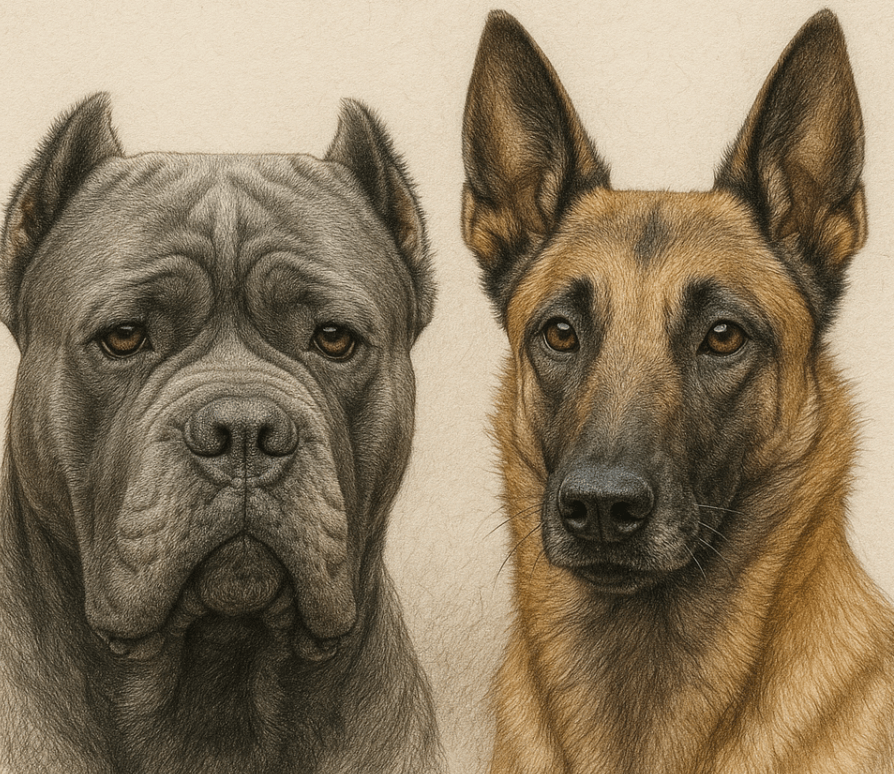

Cane Corso vs Belgian Malinois: Best 7 Expert Tips!

Cane Corso vs Belgian Malinois: Best 7 Expert Tips!

Cane Corso vs Belgian Malinois: Which Breed is Right for You?


When it comes to choosing a loyal and protective companion, the Cane Corso and the Belgian Malinois are two breeds that often stand out. Both are highly intelligent, athletic, and devoted dogs, but they have distinct personalities, physical traits, and care requirements. The Cane Corso is known for its imposing size and calm demeanor, making it an excellent family guardian. On the other hand, the Belgian Malinois is celebrated for its boundless energy and versatility in roles like police work and search-and-rescue missions.

Whether you’re looking for a steadfast protector or an active working partner, understanding the differences between these breeds will help you make an informed decision. Let’s dive into a detailed comparison of the Cane Corso and the Belgian Malinois to determine which might be the perfect match for your lifestyle.

Key Differences Between the Cane Corso and Belgian Malinois


While both breeds share some similarities, their differences set them apart in terms of temperament, physical characteristics, and suitability for various households. Here’s a breakdown of what makes each breed unique.

 
  • Size and Build:
    The Cane Corso is a large, muscular dog weighing 90-120 pounds, while the Belgian Malinois is medium to large, typically weighing 40-80 pounds.

  • Energy Levels:
    The Belgian Malinois has extremely high energy levels, requiring hours of exercise daily, whereas the Cane Corso is more moderate and calmer in comparison.

  • Temperament:
    Cane Corsos are known for their laid-back, affectionate nature with family, while Belgian Malinois are highly driven, alert, and always on the go.

  • Trainability:
    Both breeds are intelligent, but the Belgian Malinois excels in advanced training due to its intense focus and eagerness to please.

  • Lifespan:
    The Belgian Malinois generally lives longer (12-14 years) compared to the Cane Corso (9-12 years), offering slightly more time with your furry friend.


Understanding these distinctions will help you decide which breed aligns better with your household dynamics and personal preferences.

Physical Characteristics of the Cane Corso and Belgian Malinois


Each breed has a distinct appearance that reflects its purpose and heritage. Their physical traits not only make them visually striking but also influence their functionality as working dogs or family pets.

 
  • Coat Type:
    The Cane Corso sports a short, dense coat that sheds moderately, while the Belgian Malinois has a sleek, weather-resistant double coat that sheds seasonally.

  • Color Variations:
    Cane Corsos come in shades like black, fawn, gray, and brindle, while Belgian Malinois are typically fawn or mahogany with a black mask.

  • Ears and Expression:
    Cane Corsos often have cropped or natural drop ears, giving them a regal look, whereas Belgian Malinois have upright, triangular ears that enhance their alert expression.

  • Height and Proportions:
    Cane Corsos stand taller (24-28 inches) and are heavier-set, while Belgian Malinois are slightly shorter (22-26 inches) with a leaner build.

  • Facial Features:
    The Cane Corso’s broad head and strong jaw contrast with the Belgian Malinois’ narrower muzzle and fox-like face.


These physical differences highlight how each breed’s appearance aligns with its role as either a guardian or a versatile worker.

Cane Corso vs Belgian Malinois: Best 7 Expert Tips!
Cane Corso Traits
Belgian Malinois Traits
Large, muscular build
Medium to large, athletic frame
Calmer, more relaxed energy
High-energy, always ready to work
Minimal grooming needs
Moderate shedding, requires brushing
Ideal for experienced dog owners
Best suited for active, disciplined handlers
Lifespan: 9-12 years
Lifespan: 12-14 years

Training Needs of the Cane Corso and Belgian Malinois


Both breeds require consistent training, but their approaches and intensity levels differ significantly. Understanding their unique needs ensures successful training and a harmonious relationship.

 
  • Cane Corso Training Approach:
    Focus on early socialization and obedience to prevent overprotectiveness; use positive reinforcement methods.

  • Belgian Malinois Training Approach:
    Channel their high energy into structured tasks like agility or protection work; reward-based training keeps them motivated.

  • Mental Stimulation Requirements:
    Belgian Malinois need constant mental challenges, while Cane Corsos are content with simpler commands and routines.

  • Behavioral Challenges:
    Cane Corsos may become stubborn without proper leadership, while Belgian Malinois can develop destructive habits if bored.

  • Professional Guidance Recommendations:
    First-time owners should consider hiring trainers, especially for the high-drive Belgian Malinois.


Tailoring your training strategy to each breed’s strengths and weaknesses ensures a well-behaved and happy companion.


Exercise Requirements for the Cane Corso and Belgian Malinois


Exercise plays a critical role in maintaining the health and happiness of both breeds, though their needs vary greatly. Providing adequate activity prevents behavioral issues and promotes bonding.

 
  • Cane Corso Exercise Needs:
    Moderate walks, playtime, and occasional runs suffice; avoid overexertion due to their heavy build.

  • Belgian Malinois Exercise Needs:
    Require at least 1-2 hours of vigorous exercise daily, including running, hiking, or agility training.

  • Interactive Play Ideas:
    Fetch and tug-of-war suit the Cane Corso, while complex games like hide-and-seek challenge the Belgian Malinois.

  • Supervision During Outdoor Time:
    Both breeds benefit from secure fencing, but extra caution is needed for the Malinois due to their high prey drive.

  • Signs of Insufficient Exercise:
    A restless Cane Corso may bark excessively, while an under-exercised Malinois could chew furniture or escape yards.


Meeting their exercise demands ensures a balanced and joyful pet.


Common Misconceptions About These Breeds


Misunderstandings about the Cane Corso and Belgian Malinois often lead to unrealistic expectations. Addressing these misconceptions ensures you’re fully prepared for ownership.

 
  • They Are Naturally Aggressive:
    While protective, both breeds are affectionate and gentle when raised and trained correctly.

  • Cane Corsos Don’t Need Much Exercise:
    Though less demanding than Malinois, they still require daily walks and mental stimulation.

  • Belgian Malinois Are Easy to Train Without Effort:
    Their intelligence requires skilled handling and consistency to channel their energy effectively.

  • First-Time Owners Can Handle Them Easily:
    Both breeds demand experienced owners who understand their specific needs and behaviors.

  • They’re Just Like Any Other Dog:
    Their unique traits and high demands set them apart from typical family pets.


Clarifying these myths helps prospective owners make informed decisions.


Health Considerations for Each Breed


Both breeds are generally healthy, but certain genetic predispositions warrant attention. Being proactive about their health ensures a long, happy life.

 
  • Cane Corso Health Concerns:
    Prone to hip dysplasia, elbow dysplasia, and cardiac issues; regular vet check-ups are essential.

  • Belgian Malinois Health Concerns:
    At risk for epilepsy, cataracts, and skin allergies; monitor symptoms closely and seek treatment promptly.

  • Preventive Care Tips:
    Maintain a balanced diet, ensure regular exercise, and keep up with vaccinations and parasite control.

  • Joint Health Management:
    Supplements like glucosamine can support joint health, particularly for larger breeds like the Cane Corso.

  • Signs of Illness to Watch For:
    Lethargy, limping, excessive scratching, or changes in appetite signal potential health problems.


Prioritizing preventive care minimizes risks and enhances their quality of life.


Fun Activities to Enjoy with Your Dog


Engaging in activities tailored to your breed’s strengths strengthens your bond and keeps them mentally and physically stimulated.

 
  • For Cane Corsos:
    Long walks, swimming sessions, and obedience trials provide enjoyable outlets for their energy.

  • For Belgian Malinois:
    Agility courses, scent detection games, and herding trials tap into their natural instincts.

  • Interactive Toys:
    Puzzle feeders and treat-dispensing toys entertain both breeds during downtime.

  • Outdoor Adventures:
    Hiking trails and camping trips allow exploration and bonding in nature.

  • Structured Training Sessions:
    Regular practice reinforces commands and builds trust through teamwork.


Participating in these activities ensures a fulfilling life for your canine companion.

Frequently Asked Questions About the Cane Corso and Belgian Malinois

 
Are these breeds good with children?

Yes, both can be great with kids if properly trained and socialized, though supervision is recommended.

Early introductions help foster positive relationships, though their prey drives may pose challenges.

Both have low-maintenance coats but require regular brushing to manage shedding.

The Cane Corso is slightly more adaptable, but neither breed is ideal for inexperienced owners.

Cane Corsos may suffer from hip dysplasia and heart conditions, while Belgian Malinois are prone to epilepsy and allergies.

Choosing Between the Cane Corso and Belgian Malinois


Deciding between the Cane Corso and the Belgian Malinois ultimately depends on your lifestyle, experience level, and ability to meet their unique needs. If you value a calm, protective presence and prefer a lower-energy companion, the Cane Corso might be your ideal choice. However, if you thrive on adventure, crave a highly trainable dog, and are prepared for relentless activity, the Belgian Malinois could be your perfect match. Regardless of which breed you choose, both offer unmatched loyalty and devotion, making them incredible additions to the right home. With proper care, training, and commitment, either breed can bring joy and fulfillment to your life.

Is Rawhide Bad for Cats? Best 7 Expert Tips!

Is Rawhide Bad for Cats? Best 7 Expert Tips! – Discover the risks, safe alternatives, and expert advice to keep your feline friend healthy and happy.

Is Rawhide Bad for Dogs? Best 7 Expert Tips!

Is Rawhide Bad for Dogs? Best 7 Expert Tips! – Discover the risks, benefits, and safer alternatives to rawhides for your dog’s chewing needs.

Understanding Anorexia in Cats: Best 7 Expert Tips!

Understanding Anorexia in Cats: Best 7 Expert Tips! – Learn why cats stop eating, spot warning signs, and discover how to help your feline regain appetite safely.

Understanding Anorexia in Dogs: Best 7 Expert Tips!

Understanding Anorexia in Dogs: Best 7 Expert Tips! – Learn causes, symptoms, and solutions to help your dog regain appetite and stay healthy.

Leave a Reply

Your email address will not be published. Required fields are marked *