
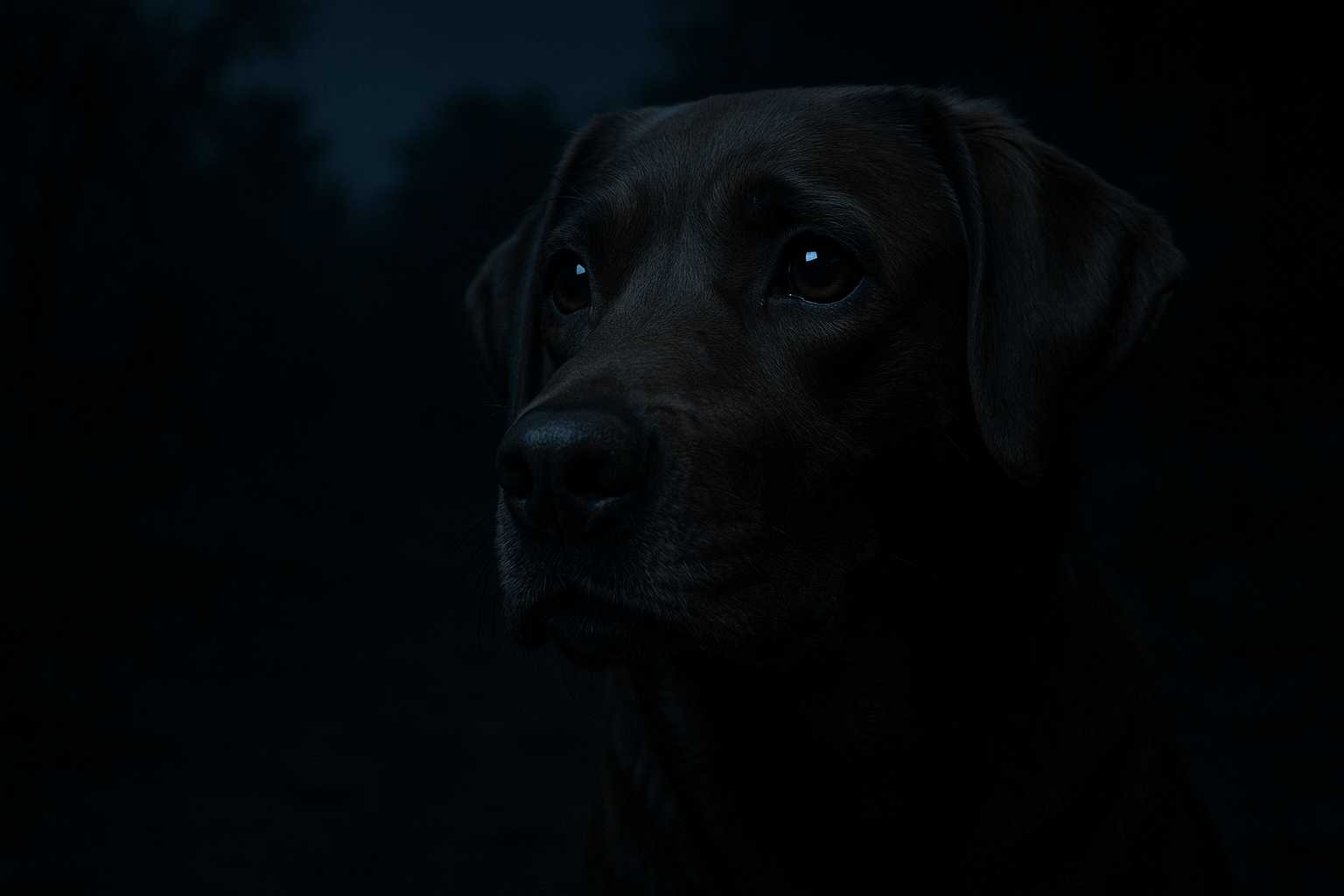
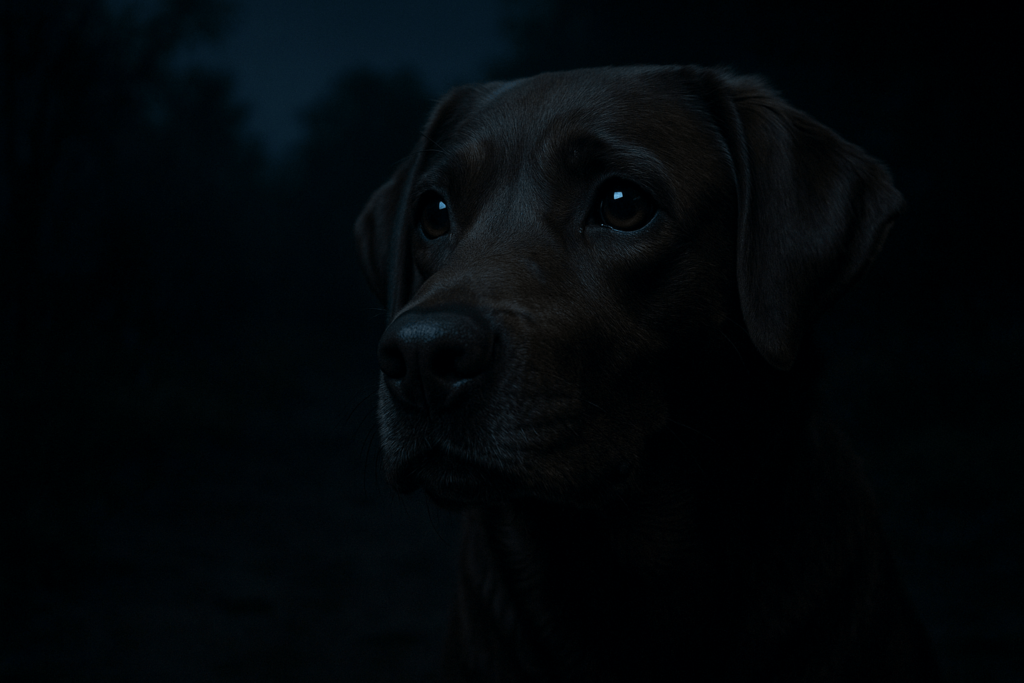

Can Dogs See in the Dark? Best 7 Expert Tips!

Can Dogs See in the Dark? Best 7 Expert Tips!

Can Dogs See in the Dark? Unlocking the Secrets of Your Pup’s Night Vision

Ever wonder if your dog spots you sneaking to the kitchen for a midnight snack—or if they truly navigate the backyard with ease after sunset? Dogs possess remarkable visual abilities that differ greatly from ours, especially when the lights go out. While they may not see in total darkness, their eyes are finely tuned for low-light conditions, giving them a distinct advantage after dusk. Understanding how your dog perceives the world at night not only satisfies curiosity but also helps you care for them more thoughtfully.

How Dog Vision Differs from Human Vision

Before diving into night vision, it’s essential to grasp how canine eyes work compared to ours. Dogs don’t see the world in the same vibrant detail we do—but they make up for it with enhanced motion detection and superior low-light vision. Their eyes evolved for survival as crepuscular hunters, active during dawn and dusk, which explains much of their visual design.

 
  • Fewer Cone Cells, More Rod Cells
    Dogs have fewer color-detecting cone cells but far more light-sensitive rod cells, which boosts their ability to see in dim lighting.
     
  • Limited Color Spectrum
    While humans enjoy full-color vision, dogs see primarily in blues, yellows, and grays—similar to red-green color blindness in people.
     
  • Wider Field of View
    With eyes set slightly more to the sides of their heads, dogs enjoy a visual field of about 240 degrees, compared to our 180.
     
  • Faster Flicker Fusion Rate
    Dogs process visual information more quickly, making them exceptionally good at spotting fast movement—even in shadow.
     
  • Less Visual Acuity
    Dogs see the world in softer focus; an object clear to us at 100 feet might only be discernible to them at 20 feet.
 

These differences don’t make dog vision “worse”—just adapted to different priorities, especially when the sun goes down.

Can Dogs See in the Dark? Best 7 Expert Tips!

The Science Behind Dogs’ Night Vision

Dogs don’t have supernatural sight, but their eyes are equipped with biological features that dramatically improve visibility in low light. Evolution favored these traits in wild canids, who often hunted during twilight hours when prey was active and predators less visible.

 
  • Tapetum Lucidum: The Eye’s Built-In Flashlight
    This reflective layer behind the retina bounces light back through the photoreceptors, giving dogs a “second chance” to detect it—causing their eyes to glow in photos or car headlights.
     
  • Larger Pupils for More Light
    A dog’s pupil can open wider than a human’s, allowing more ambient light to enter the eye in dark conditions.
     
  • Higher Rod-to-Cone Ratio
    More rods mean heightened sensitivity to light and motion, even when color detail is sacrificed.
     
  • Adaptation to Dusk and Dawn
    Unlike nocturnal animals, dogs are crepuscular—most active during low-light periods, not pitch blackness.
     
  • Limited Use in Total Darkness
    Without any light source (moonlight, streetlights, etc.), dogs cannot see—just like humans. They rely on scent and hearing instead.
 

Thanks to these adaptations, your dog can confidently trot through a dimly lit room or backyard long after you’ve fumbled for a flashlight.

Low-Light Advantages
Limitations in Darkness
Excellent motion detection in shadows
Cannot distinguish fine details or text
Enhanced depth perception in dim light
Struggle with static or slow-moving objects
Stronger contrast sensitivity
Colors appear muted or absent
Efficient use of minimal ambient light
Need some light—can’t see in total blackness
Quick adaptation from light to dark environments
Slower to adjust from dark to bright light

Behavioral Signs That Your Dog Sees Well at Night

You don’t need a lab to test your dog’s night vision—just observe their behavior. Dogs with healthy vision typically move with confidence and awareness in low-light settings, using their eyes in tandem with other senses.

 
  • Confident Movement in Dim Rooms
    If your dog trots through a dark hallway without bumping into furniture, their night vision is likely strong.
     
  • Alert Responses to Nighttime Stimuli
    Barking at a passing cat or rustling leaves at dusk shows they’re detecting motion others might miss.
     
  • Steady Eye Contact in Low Light
    Dogs often maintain focus on their human even in shadow, tracking movements with ease.
     
  • Relaxed Body Language After Dark
    Tension or hesitation may signal poor vision, while calm exploration suggests visual comfort.
     
  • Interest in Outdoor Night Activities
    Many dogs perk up during evening walks, showing they’re visually engaged with their surroundings.
 

These subtle cues confirm that your dog isn’t just guessing—they’re truly seeing, even when you can’t.


Breeds with Superior Night Vision

While all dogs share basic visual anatomy, some breeds have slight advantages due to skull shape, eye placement, or historical roles. Hunting, herding, and guarding breeds often developed enhanced low-light capabilities.

 
  • German Shepherds
    Bred for patrol and protection, they have large eyes and excellent motion detection in low light.
     
  • Siberian Huskies
    Their almond-shaped eyes and Arctic origins support vision in snow-dappled twilight.
     
  • Border Collies
    Herding at dawn and dusk honed their ability to track movement in variable lighting.
     
  • Doberman Pinschers
    As guard dogs, their alertness extends into nighttime, supported by strong peripheral vision.
     
  • Belgian Malinois
    Used in military and police work, they excel in low-light tactical environments.
 

That said, even toy breeds like your Affenpinscher benefit from the same core biology—just on a smaller scale.


How Age and Health Affect a Dog’s Night Vision

Just like humans, dogs experience vision changes as they age or face health issues. What once was clear in twilight may become blurry or disorienting over time.

 
  • Cataracts
    Clouding of the lens reduces light entry, severely impacting night vision—common in older dogs or those with diabetes.
     
  • Progressive Retinal Atrophy (PRA)
    This genetic condition gradually destroys photoreceptor cells, often starting with night blindness.
     
  • Glaucoma
    Increased eye pressure damages the optic nerve, leading to peripheral and low-light vision loss.
     
  • Nuclear Sclerosis
    A normal aging change that makes the lens appear cloudy but usually doesn’t impair vision significantly.
     
  • Retinal Detachment or Injury
    Trauma or illness can disrupt the retina’s function, including rod cell performance in dim light.
 

Regular vet check-ups—including eye exams—can catch these issues early and preserve your dog’s quality of life.

Practical Tips to Support Your Dog’s Vision at Night

You can’t give your dog night-vision goggles—but you can optimize their environment and routines to support their natural abilities.

 
  • Use Soft, Ambient Lighting Indoors
    A dim nightlight in hallways or bedrooms helps aging dogs without disrupting sleep cycles.
     
  • Keep Walkways Clear of Obstacles
    Reduce tripping hazards, especially for senior dogs whose depth perception may be declining.
     
  • Avoid Sudden Light Changes
    Let your dog’s eyes adjust gradually when moving between bright and dark spaces.
     
  • Schedule Regular Eye Exams
    Annual checks can detect early signs of vision loss before it affects daily life.
     
  • Use Reflective Gear for Evening Walks
    While your dog sees well, drivers may not—so reflective leashes and collars enhance safety for both of you.
 

These small adjustments make a big difference in your dog’s comfort and confidence after dark.


Common Myths About Dogs and Night Vision

Pop culture often exaggerates what dogs can see, leading to misconceptions that can affect care decisions. Let’s separate fact from fiction.

 
  • Myth: Dogs See Perfectly in Pitch Black
    Truth: They need at least a little ambient light—starlight or moonlight is usually enough, but not zero light.
     
  • Myth: All Dogs Have the Same Night Vision
    Truth: While biology is similar, health, age, and individual eye structure cause variation.
     
  • Myth: Glowing Eyes Mean Better Vision
    Truth: The tapetum lucidum causes eye shine in all dogs—but brightness doesn’t correlate with visual acuity.
     
  • Myth: Night Vision Replaces Smell and Hearing
    Truth: Dogs integrate all senses; vision guides them, but scent and sound fill in the gaps.
     
  • Myth: Puppies See as Well at Night as Adults
    Truth: Puppy eyes mature over months—full night vision develops around 8–12 weeks.
 

Clearing up these myths helps you understand your dog’s real capabilities—and limits.

“Dogs have a higher flicker fusion threshold than humans, so a television screen that appears to show continuous motion to humans might appear to flicker to a dog, while this sharpened ability to see flickering light allows the dog to detect slighter movements in the dark.”
— Dr. Jerry Klein

Frequently Asked Questions About Dogs and Night Vision

Can dogs see in complete darkness?

No. Dogs need some ambient light—like moonlight or streetlights—to see. In total darkness, they rely on scent and hearing.

The tapetum lucidum reflects light back through the retina, enhancing low-light vision and causing the characteristic eye shine.

Not necessarily, but older dogs or those with vision issues may benefit from soft lighting to navigate safely.

It depends on the cause. Conditions like cataracts may be surgically treatable, while genetic diseases like PRA are not—but management is possible.

Observe their movement in a dim room with familiar furniture. Hesitation, bumping, or clinging may indicate vision issues—consult your vet if concerned.

Seeing the World Through Your Dog’s Eyes—Even After Sunset

Your dog’s ability to see in the dark isn’t magic—it’s a marvel of evolutionary engineering. From the reflective tapetum lucidum to their motion-sensitive retinas, every feature serves a purpose rooted in survival, companionship, and connection. While they may not read street signs at midnight, they can track a squirrel’s dart across moonlit grass or find their favorite toy in a shadowy corner with quiet confidence. By understanding and supporting their unique vision, you honor not just their biology, but the deep bond you share—one that thrives just as brightly in the soft glow of twilight as it does in full daylight.

Is Rawhide Bad for Cats? Best 7 Expert Tips!

Is Rawhide Bad for Cats? Best 7 Expert Tips! – Discover the risks, safe alternatives, and expert advice to keep your feline friend healthy and happy.

Is Rawhide Bad for Dogs? Best 7 Expert Tips!

Is Rawhide Bad for Dogs? Best 7 Expert Tips! – Discover the risks, benefits, and safer alternatives to rawhides for your dog’s chewing needs.

Understanding Anorexia in Cats: Best 7 Expert Tips!

Understanding Anorexia in Cats: Best 7 Expert Tips! – Learn why cats stop eating, spot warning signs, and discover how to help your feline regain appetite safely.

Understanding Anorexia in Dogs: Best 7 Expert Tips!

Understanding Anorexia in Dogs: Best 7 Expert Tips! – Learn causes, symptoms, and solutions to help your dog regain appetite and stay healthy.

Is Rawhide Bad for Cats? Best 7 Expert Tips!

Is Rawhide Bad for Cats? Best 7 Expert Tips! – Discover the risks, safe alternatives, and expert advice to keep your feline friend healthy and happy.

Is Rawhide Bad for Dogs? Best 7 Expert Tips!

Is Rawhide Bad for Dogs? Best 7 Expert Tips! – Discover the risks, benefits, and safer alternatives to rawhides for your dog’s chewing needs.

Understanding Anorexia in Cats: Best 7 Expert Tips!

Understanding Anorexia in Cats: Best 7 Expert Tips! – Learn why cats stop eating, spot warning signs, and discover how to help your feline regain appetite safely.

Understanding Anorexia in Dogs: Best 7 Expert Tips!

Understanding Anorexia in Dogs: Best 7 Expert Tips! – Learn causes, symptoms, and solutions to help your dog regain appetite and stay healthy.

Leave a Reply

Your email address will not be published. Required fields are marked *