
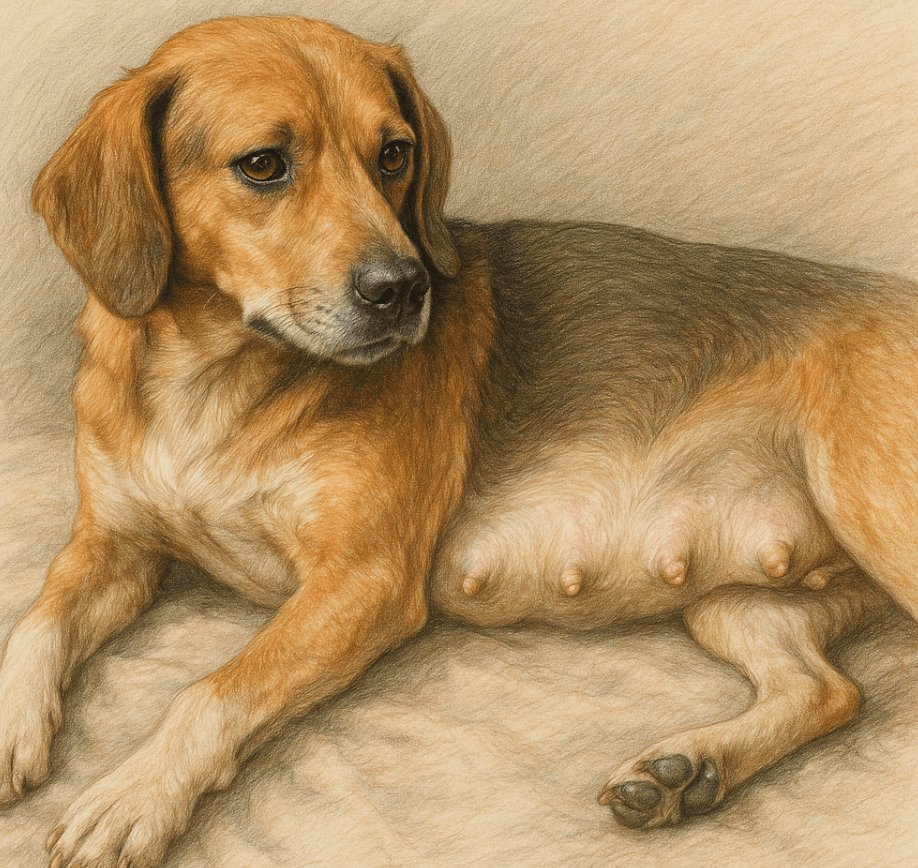

Can Dogs Lactate Without Being Pregnant? Best 7 Tips!

Can Dogs Lactate Without Being Pregnant? Best 7 Tips!

Can Dogs Lactate Without Being Pregnant?


The idea of a dog producing milk without being pregnant might sound unusual, but it’s not as uncommon as you might think. Lactation in dogs is typically associated with pregnancy and nursing puppies, but there are other circumstances where a female—or even a male—dog may exhibit this behavior. Hormonal imbalances, medical conditions, or external stimuli can all trigger milk production in dogs who aren’t pregnant. Understanding the reasons behind this phenomenon is crucial for ensuring your dog’s health and well-being. In this blog post, we’ll explore the science behind lactation, its potential causes, and what you should do if your dog begins producing milk unexpectedly.

Common Causes of Lactation in Non-Pregnant Dogs


While lactation is most commonly linked to pregnancy, several other factors can cause a dog to produce milk even if they haven’t been pregnant. Recognizing these triggers can help you determine whether your dog needs veterinary attention.

 
  • False Pregnancy (Pseudopregnancy):
    A false pregnancy occurs when hormonal changes mimic the symptoms of pregnancy, including lactation, even though the dog isn’t actually pregnant.

  • Hormonal Imbalances:
    Conditions like hypothyroidism or elevated progesterone levels can disrupt normal hormone regulation, leading to unexpected milk production.

  • Nipple Stimulation:
    Excessive licking or rubbing of the mammary glands by the dog or another animal can stimulate milk production due to increased blood flow to the area.

  • Medications or Treatments:
    Certain medications, such as those containing hormones, can inadvertently trigger lactation as a side effect.

  • Mastitis or Infections:
    Inflammation or infections in the mammary glands can sometimes cause milk-like discharge, even in non-pregnant dogs.


If your dog exhibits signs of lactation without being pregnant, it’s important to consult your veterinarian to rule out underlying health issues.

Signs Your Dog May Be Lactating Without Pregnancy


Detecting lactation in a non-pregnant dog requires careful observation. These signs can help you identify whether your dog is experiencing abnormal milk production.

 
  • Swollen Mammary Glands:
    Enlarged or tender mammary glands are one of the most obvious indicators of lactation.

  • Milk-Like Discharge:
    Check for any fluid leaking from the nipples, which may resemble milk or be watery in consistency.

  • Behavioral Changes:
    Some dogs may act as though they’re “nesting” or caring for imaginary puppies, especially during a false pregnancy.

  • Excessive Licking of Nipples:
    Dogs may lick their mammary area frequently, which could indicate discomfort or stimulation.

  • Loss of Appetite or Lethargy:
    If accompanied by lactation, these symptoms could signal an infection or hormonal imbalance requiring medical attention.


Recognizing these signs early allows you to address the issue promptly and ensure your dog’s comfort and health.

 
Can Dogs Lactate Without Being Pregnant? Best 7 Tips!
Possible Causes of Lactation
Steps to Address the Issue
False pregnancy
Monitor symptoms; consult vet if severe
Hormonal imbalances
Schedule blood tests; adjust hormone levels under vet guidance
Nipple stimulation
Discourage excessive licking; use protective clothing if necessary
Medications or treatments
Review medications with your vet; discuss alternatives if needed
Mastitis or infections
Administer antibiotics as prescribed; keep the area clean and dry

What You Should Do if Your Dog Is Lactating Without Being Pregnant


If you notice your dog lactating unexpectedly, taking prompt and appropriate action is essential. Follow these steps to ensure their well-being.

 
  • Schedule a Veterinary Exam:
    A thorough checkup can help identify the root cause of lactation and rule out serious conditions like infections or tumors.

  • Avoid Squeezing or Stimulating the Nipples:
    Manipulating the mammary glands can worsen inflammation or encourage further milk production.

  • Monitor Behavior Closely:
    Keep track of any additional symptoms, such as lethargy, appetite changes, or behavioral shifts, to share with your vet.

  • Provide Comfort and Rest:
    Ensure your dog has a quiet, comfortable space to rest while they recover from any stress or discomfort.

  • Follow Veterinary Recommendations:
    Whether it’s medication, dietary adjustments, or monitoring, adhere to your vet’s advice for managing the situation.


Taking these steps ensures your dog receives the care they need while preventing complications.

Preventing Unnecessary Lactation in Dogs


While some causes of lactation are beyond your control, there are measures you can take to minimize the risk of unnecessary milk production in your dog.

 
  • Spaying Early:
    Spaying your dog reduces the likelihood of hormonal fluctuations that can lead to lactation or false pregnancies.

  • Limit Nipple Stimulation:
    Discourage behaviors like excessive licking or scratching of the mammary area to prevent triggering milk production.

  • Manage Stress Levels:
    High-stress environments can exacerbate hormonal imbalances, so provide a calm and stable home for your pet.

  • Regular Vet Checkups:
    Routine examinations help catch hormonal or health issues early before they escalate into problems like lactation.

  • Use Proper Medications:
    Always inform your vet about any medications your dog takes to avoid prescriptions that might induce lactation.


By implementing these preventive measures, you can reduce the chances of your dog experiencing unnecessary lactation episodes.

Myths About Lactation in Dogs


Misconceptions about lactation in dogs abound, leading to confusion among pet owners. Here are some myths debunked to help you better understand this phenomenon.

 
  • Myth: Only Pregnant Dogs Can Lactate:
    False. Hormonal imbalances, medications, or nipple stimulation can also cause lactation in non-pregnant dogs.

  • Myth: Lactation Always Indicates Illness:
    Not true. In many cases, lactation is harmless, such as during a mild false pregnancy.

  • Myth: Male Dogs Cannot Produce Milk:
    While rare, male dogs can lactate due to hormonal abnormalities or specific health conditions.

  • Myth: Spaying Prevents All Hormonal Issues:
    Spaying significantly reduces risks but doesn’t eliminate all possibilities of hormonal imbalances or lactation.

  • Myth: Lactation Will Stop on Its Own Without Intervention:
    While some cases resolve naturally, others require veterinary treatment to prevent complications.


Understanding these truths helps dispel misinformation and promotes better care for your dog.


How Hormones Influence Lactation in Dogs


Hormones play a critical role in regulating lactation, even in non-pregnant dogs. Here’s how different hormones contribute to this process.

 
  • Progesterone:
    Elevated progesterone levels after heat cycles can mimic pregnancy symptoms, including lactation.

  • Prolactin:
    This hormone stimulates milk production and can be triggered by nipple stimulation or stress.

  • Estrogen:
    Fluctuations in estrogen levels can impact mammary gland activity and lead to milk secretion.

  • Thyroid Hormones:
    Imbalances in thyroid function can disrupt overall hormonal regulation, potentially causing lactation.

  • Cortisol:
    Chronic stress increases cortisol levels, which may indirectly influence lactation through hormonal pathways.


Understanding the hormonal mechanisms provides insight into why lactation occurs and how to address it.

When to Seek Immediate Veterinary Attention


Certain signs accompanying lactation warrant immediate veterinary care to prevent serious complications. Here’s what to watch for.

 
  • Fever or Warmth Around Mammary Glands:
    These could indicate mastitis or an infection requiring urgent treatment.

  • Bloody or Pus-Like Discharge:
    Abnormal discharge suggests an underlying condition that needs prompt diagnosis and care.

  • Extreme Swelling or Hard Lumps:
    These may point to tumors or abscesses that require surgical intervention.

  • Significant Behavioral Changes:
    Sudden aggression, depression, or withdrawal could signal pain or distress related to lactation.

  • Refusal to Eat or Drink:
    Loss of appetite combined with lactation may indicate a systemic issue needing immediate attention.


Acting quickly in these situations ensures your dog receives timely care and minimizes risks to their health.

Frequently Asked Questions About Lactation in Non-Pregnant Dogs

 
Is it normal for a spayed dog to lactate?

While rare, spayed dogs can still lactate due to residual ovarian tissue or hormonal imbalances. Consult your vet if this occurs.

Yes, male dogs can produce milk-like discharge due to hormonal imbalances or certain medications, though it’s extremely uncommon.

Most false pregnancies resolve on their own, but severe cases may need medical intervention to manage symptoms.

It can be uncomfortable or painful, especially if accompanied by swelling, infection, or excessive stimulation of the mammary glands.

The duration varies depending on the cause, but it typically resolves within a few weeks once the underlying issue is addressed.

Understanding and Managing Lactation in Non-Pregnant Dogs


Lactation in non-pregnant dogs may seem puzzling, but it’s often the result of hormonal changes, medical conditions, or external factors. By staying informed and vigilant, you can identify the cause and take appropriate action to ensure your dog’s health. Whether it’s scheduling a vet visit, addressing behavioral triggers, or making lifestyle adjustments, your proactive efforts will go a long way in keeping your furry friend happy and healthy. Remember, every dog is unique, so trust your instincts and seek professional guidance whenever needed.

Is Rawhide Bad for Cats? Best 7 Expert Tips!

Is Rawhide Bad for Cats? Best 7 Expert Tips! – Discover the risks, safe alternatives, and expert advice to keep your feline friend healthy and happy.

Is Rawhide Bad for Dogs? Best 7 Expert Tips!

Is Rawhide Bad for Dogs? Best 7 Expert Tips! – Discover the risks, benefits, and safer alternatives to rawhides for your dog’s chewing needs.

Understanding Anorexia in Cats: Best 7 Expert Tips!

Understanding Anorexia in Cats: Best 7 Expert Tips! – Learn why cats stop eating, spot warning signs, and discover how to help your feline regain appetite safely.

Understanding Anorexia in Dogs: Best 7 Expert Tips!

Understanding Anorexia in Dogs: Best 7 Expert Tips! – Learn causes, symptoms, and solutions to help your dog regain appetite and stay healthy.

Leave a Reply

Your email address will not be published. Required fields are marked *