
Can Dogs Be Allergic to Pollen?
Yes—just like humans, dogs can suffer from seasonal allergies triggered by pollen. While they may not sneeze dramatically or reach for tissues, our canine companions often experience itchy skin, watery eyes, or irritated paws when exposed to airborne allergens. These reactions can significantly impact their comfort and daily life, especially during peak blooming seasons. Recognizing the signs early and understanding how to manage pollen allergies is essential for any loving pet parent. With proper care, your dog can breeze through allergy season with far less discomfort.
How Pollen Affects Dogs: The Hidden Seasonal Struggle
Unlike humans, who often react to pollen with respiratory symptoms, dogs typically manifest allergies through their skin. This condition—known as atopic dermatitis—can turn a normally relaxed pup into a restless, scratching mess during spring and summer. Pollen from trees, grasses, and weeds settles on fur, paws, and skin, triggering an immune response that’s both uncomfortable and persistent. Below are key ways pollen impacts our four-legged friends:
- Skin Irritation and Itching:
Pollen exposure often causes intense itching, especially around the face, belly, ears, and paws, leading to constant licking or chewing. - Ear Infections:
Allergies can create a warm, moist environment in the ears, making them prone to bacterial or yeast infections that cause redness, odor, and head shaking. - Red or Watery Eyes:
Some dogs develop conjunctivitis-like symptoms, with inflamed eyes that may appear bloodshot or produce excess discharge. - Sneezing or Coughing (Less Common):
Though rare, a few dogs may exhibit mild respiratory signs such as occasional sneezing or a dry cough when pollen counts are high. - Behavioral Changes:
Frustration from chronic itching can lead to restlessness, irritability, or disrupted sleep, altering your dog’s usual demeanor.
While these symptoms mimic other health issues, recurring seasonal patterns often point to pollen as the culprit—making timing a crucial diagnostic clue.
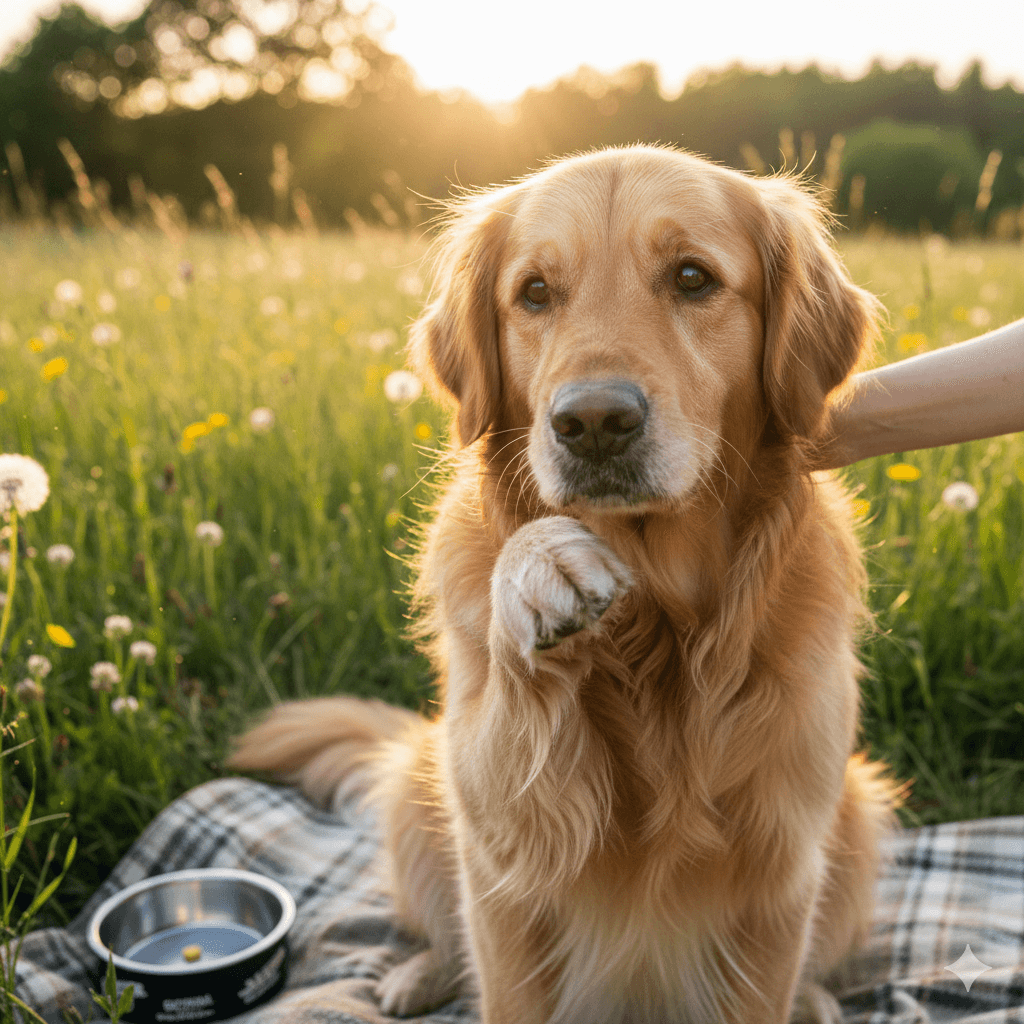
Common Types of Pollen That Trigger Canine Allergies
Not all pollen is created equal, and different plants release allergens at different times of year. Dogs can react to a wide range of airborne particles, but certain pollens are more notorious for triggering allergic responses than others. Understanding which plants are active in your region can help you anticipate and mitigate your dog’s symptoms.
- Tree Pollen (Late Winter to Early Spring):
Species like oak, birch, cedar, and maple produce lightweight pollen that travels far—and sticks easily to fur and skin. - Grass Pollen (Late Spring to Early Summer):
Common lawn and field grasses such as Bermuda, Timothy, and Kentucky bluegrass are frequent triggers, especially for dogs who love rolling in the yard. - Weed Pollen (Late Summer to Fall):
Ragweed, sagebrush, and lamb’s quarters release high volumes of allergenic pollen that peak in late summer, often worsening symptoms into autumn. - Mold Spores (Year-Round, Worse in Damp Seasons):
While not pollen, outdoor mold spores act similarly and often co-occur with plant pollens, compounding allergic reactions. - Cross-Reactivity with Food Allergens:
Some dogs allergic to certain pollens (like birch) may also react to related proteins in foods such as apples or carrots—a phenomenon known as oral allergy syndrome.
Identifying the specific pollen source isn’t always necessary, but knowing the seasonal patterns in your area can help you take proactive steps to protect your pup.
Check this guide 👉Understanding Dog Allergy Shots: Best 7 Expert Tips!
Check this guide 👉Dog Allergy Testing: Best 7 Expert Tips!
Check this guide 👉Flea Allergy Dermatitis in Dogs: Best 7 Expert Tips!
| Signs Your Dog Has Pollen Allergies | Daily Management Strategies |
|---|---|
| Excessive paw licking or chewing | Wipe paws with a damp cloth after outdoor walks |
| Frequent ear scratching or head shaking | Clean ears weekly with a vet-approved solution |
| Red, inflamed skin or hot spots | Bathe weekly with hypoallergenic, soothing shampoos |
| Rubbing face on furniture or carpet | Use a cool compress on irritated areas for relief |
| Seasonal timing of symptoms | Keep windows closed and use air purifiers indoors |
Diagnosing Pollen Allergies in Dogs: What to Expect at the Vet
If you suspect your dog is allergic to pollen, a veterinary visit is the best next step. Diagnosis isn’t always straightforward, as many skin conditions share similar symptoms. However, vets use a combination of history, physical examination, and testing to pinpoint pollen as the cause.
- Detailed Medical History:
Your vet will ask about symptom onset, seasonality, diet changes, and any home remedies tried—clues that help rule out other causes. - Physical Skin Examination:
They’ll check for patterns of redness, hair loss, or infection that suggest environmental allergies over food or flea issues. - Intradermal Skin Testing:
Considered the gold standard, this involves injecting small amounts of common allergens under the skin to observe reactions—usually done by a veterinary dermatologist. - Blood (Serum) Allergy Testing:
A less invasive option that measures antibody levels to specific pollens, though it may have slightly lower accuracy than skin tests. - Elimination of Other Causes:
Flea control, food trials, and skin scrapings may be used first to exclude parasites, infections, or dietary sensitivities.
Accurate diagnosis is key—not just to confirm pollen as the trigger, but to develop a long-term management or immunotherapy plan tailored to your dog.
Effective Treatment Options for Pollen-Allergic Dogs
Once diagnosed, several treatment paths can help reduce your dog’s suffering. The goal isn’t necessarily to eliminate allergies (which is rarely possible) but to control symptoms and improve quality of life. Many strategies work best when combined.
- Antihistamines (Under Veterinary Guidance):
Some dogs respond well to over-the-counter antihistamines like cetirizine or diphenhydramine, though effectiveness varies by individual. - Prescription Medications:
Drugs like Apoquel or Cytopoint target the immune response directly, offering rapid relief from itching with fewer side effects than steroids. - Topical Therapies:
Medicated shampoos, sprays, and mousses containing oatmeal, chlorhexidine, or hydrocortisone soothe irritated skin and reduce inflammation. - Allergen-Specific Immunotherapy:
Custom allergy shots or oral drops gradually desensitize your dog to specific pollens—effective in 60–80% of cases over time. - Omega-3 Fatty Acid Supplements:
These natural anti-inflammatories support skin barrier health and may reduce overall allergic reactivity when used consistently.
Treatment success often depends on consistency and early intervention—waiting until symptoms peak can make relief harder to achieve.
Home and Lifestyle Adjustments to Reduce Pollen Exposure
Beyond medication, everyday habits play a huge role in minimizing your dog’s contact with allergens. Small changes to your routine can lead to big improvements in comfort—especially during high-pollen months.
- Post-Walk Paw and Coat Wipes:
Use a soft, damp microfiber cloth to gently remove pollen from fur, belly, and paws immediately after outdoor time. - Regular Bathing Schedule:
Bathe your dog every 5–7 days during allergy season with a gentle, hypoallergenic shampoo to rinse away accumulated allergens. - Keep Windows Closed on High-Pollen Days:
Monitor local pollen forecasts and limit open windows when counts are elevated—especially in the early morning. - Use HEPA Air Purifiers Indoors:
These filters capture airborne pollen particles, significantly improving indoor air quality for both pets and people. - Wash Bedding Frequently:
Pollen clings to fabrics; washing your dog’s bed weekly in hot water reduces allergen buildup where they rest most.
These proactive steps form the foundation of environmental management—often reducing the need for stronger medications over time.
Preventing Secondary Infections in Allergy-Prone Dogs
Constant scratching and licking don’t just cause discomfort—they break the skin’s natural barrier, opening the door to bacterial or yeast overgrowth. These secondary infections can worsen itching and delay recovery if left untreated.
- Monitor for Hot Spots:
Look for oozing, crusty, or foul-smelling patches of skin—signs of a bacterial infection needing prompt veterinary care. - Address Ear Odor or Discharge:
A yeasty smell or dark debris in the ears signals infection; early cleaning and treatment prevent chronic issues. - Trim Fur Around Affected Areas:
Keeping hair short around paws or belly improves airflow and makes topical treatments more effective. - Avoid Overuse of Steroids:
While helpful short-term, long-term steroid use can suppress immunity and increase infection risk—use only as directed. - Support Skin Microbiome Health:
Probiotic sprays or shampoos designed for dogs may help restore healthy skin flora and resist pathogenic overgrowth.
Preventing infection is part of allergy management—it turns a reactive cycle into a proactive wellness strategy.
Long-Term Outlook for Dogs with Pollen Allergies
With thoughtful care, dogs with pollen allergies can live full, happy lives. While the condition is typically lifelong, symptoms often become more manageable over time—especially with consistent routines and professional support.
- Symptoms May Worsen with Age:
Allergies can intensify in early adulthood but often stabilize or even improve with proper long-term management. - Seasonal Patterns Can Shift:
Climate change and urban landscaping alter pollen seasons; stay alert to new triggers or extended allergy windows. - Immunotherapy Offers Hope:
Many dogs on allergy shots or drops see significant improvement within 6–12 months, reducing or eliminating daily medications. - Owner Vigilance is Key:
Early recognition of flare-ups allows for quicker intervention, preventing severe skin damage or behavioral distress. - Quality of Life Remains High:
When managed well, pollen-allergic dogs enjoy playtime, walks, and cuddles just like any other pup—itch-free and content.
Pollen allergies don’t define your dog—they’re simply a factor to plan around, much like diet or dental care.
“Pollen allergies are the most common cause of seasonal allergies in dogs. When a dog inhales pollen or ingests it while grooming, their immune system may mistakenly see it as a threat. This overreaction triggers allergy symptoms such as itching, redness, and inflammation.”
— Melissa Boldan, DVM
Frequently Asked Questions About Pollen Allergies in Dogs
Can dogs really be allergic to pollen?
Yes—pollen is one of the most common environmental allergens for dogs, often causing seasonal skin and ear issues.
How do I know if it’s pollen and not fleas or food?
Pollen allergies follow seasonal patterns, while flea or food allergies persist year-round. A vet can help differentiate through testing.
Are certain breeds more prone to pollen allergies?
Yes—breeds like West Highland White Terriers, Bulldogs, Retrievers, and Shih Tzus have higher genetic predispositions.
Can I give my dog human allergy medicine?
Only under veterinary supervision. Some antihistamines are safe, but dosage and formulation matter greatly.
Will my dog outgrow pollen allergies?
Unlikely—environmental allergies are usually lifelong, but symptoms can be well-controlled with proper care.
Embracing Life with a Pollen-Sensitive Pup
Living with a dog allergic to pollen requires awareness, patience, and a bit of seasonal planning—but it’s far from a barrier to joy. With the right mix of veterinary guidance, home care, and love, your furry friend can thrive despite the sniffles of spring or the haze of fall. More than anything, your attention to their comfort sends a powerful message: no itch is too small when your dog’s happiness is on the line. After all, their wagging tail and trusting eyes deserve nothing less than a life free from unnecessary suffering—season after season.

Is Rawhide Bad for Cats? Best 7 Expert Tips! – Discover the risks, safe alternatives, and expert advice to keep your feline friend healthy and happy.

Is Rawhide Bad for Dogs? Best 7 Expert Tips! – Discover the risks, benefits, and safer alternatives to rawhides for your dog’s chewing needs.

Understanding Anorexia in Cats: Best 7 Expert Tips! – Learn why cats stop eating, spot warning signs, and discover how to help your feline regain appetite safely.

Understanding Anorexia in Dogs: Best 7 Expert Tips! – Learn causes, symptoms, and solutions to help your dog regain appetite and stay healthy.