

Can Claritin Kill a Cat? Best 7 Expert Tips!

Can Claritin Kill a Cat? Best 7 Expert Tips!

Can Claritin Kill a Cat? The Truth About Antihistamines and Feline Safety


Claritin is a common over-the-counter antihistamine used by humans to treat seasonal allergies. But when it comes to cats — curious, sensitive, and metabolically unique — the question isn’t just “Is it safe?” It’s “Could it be deadly?” The answer is more complex than you think. While Claritin itself isn’t inherently lethal in small, controlled doses under veterinary supervision, accidental ingestion, incorrect dosage, or formulations containing toxic additives can turn a simple allergy pill into a life-threatening emergency. This guide breaks down everything you need to know: how Claritin affects cats, what makes it dangerous, what to do if your cat ingests it, and how to prevent future incidents. Your cat’s life may depend on understanding these details.

Why Claritin Is Not a Simple “Cat-Friendly” Medication


Claritin (loratadine) may seem harmless because it’s widely available and marketed as non-drowsy for humans — but cats are not small humans. Their livers process medications differently, and even seemingly safe substances can become toxic. Here’s why you must treat Claritin with extreme caution:

 
  • Loratadine is metabolized slowly in cats, leading to potential accumulation and overdose even at low human doses.

  • Many Claritin formulations contain xylitol, an artificial sweetener that is instantly toxic to cats — causing rapid insulin release, hypoglycemia, liver failure, and death.

  • Some versions include pseudoephedrine or other decongestants, which are highly dangerous and can cause seizures, heart arrhythmias, or fatal hypertension in cats.

  • Cats lack the enzymes to break down many human antihistamines efficiently, making them far more vulnerable to side effects than dogs or humans.

  • There is no safe “over-the-counter” dose for cats — what’s safe for a 150-pound human can be lethal for a 10-pound feline.


Never assume a medication is safe just because it’s sold without a prescription. What helps your allergy symptoms could be a silent killer for your cat.

Can Claritin Kill a Cat? Best 7 Expert Tips!

The Real Dangers: How Claritin Can Harm or Kill a Cat


Even pure loratadine — without additives — carries risks when given without veterinary guidance. Cats are incredibly sensitive to dosage, and the margin between a therapeutic and toxic amount is razor-thin. Here’s what happens when Claritin goes wrong:

 
  • Toxicity from overdose can cause extreme lethargy, vomiting, tremors, or seizures within hours of ingestion.

  • Liver damage occurs when the cat’s system struggles to process loratadine, leading to jaundice, loss of appetite, and internal bleeding.

  • Cardiovascular stress is common — elevated heart rate, high blood pressure, and irregular rhythms can lead to cardiac arrest.

  • Neurological effects include disorientation, uncoordinated movement, or even coma in severe cases.

  • Delayed symptoms mean your cat may seem fine for 12–24 hours — then suddenly collapse. Waiting too long to act can be fatal.


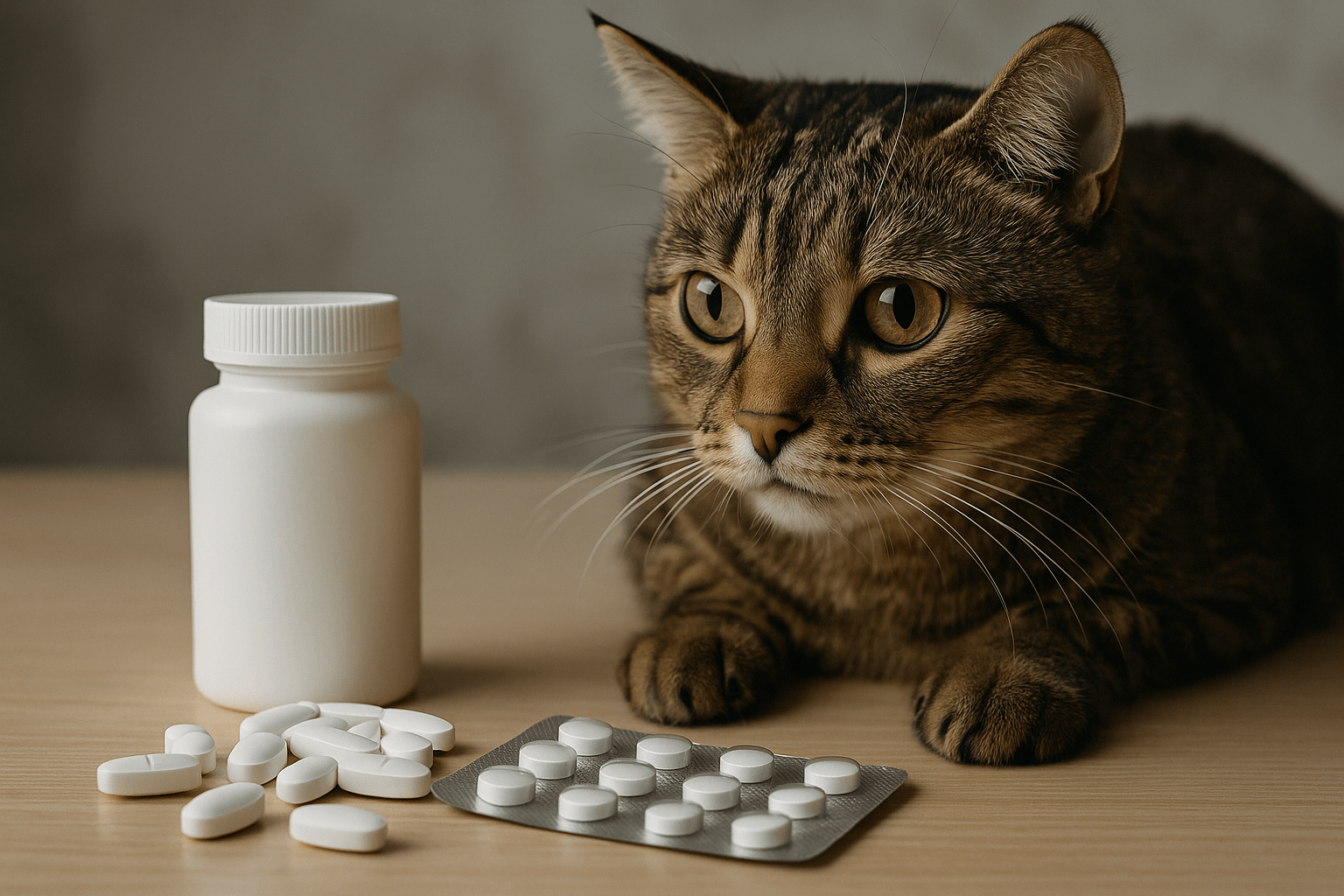
A single tablet meant for a human can easily exceed a cat’s safe limit. Ingestion of Claritin Plus, Claritin-D, or any multi-symptom version increases the risk exponentially. Time is critical — if your cat has ingested Claritin, don’t wait for symptoms. Act immediately.

Risk Factor Potential Consequence in Cats
Ingestion of Claritin-D (with pseudoephedrine) Severe hypertension, seizures, hyperthermia, possible death
Xylitol-containing formulations Rapid hypoglycemia, liver failure, coma, death within hours
Dosage exceeding 5 mg total Lethargy, vomiting, increased heart rate, neurological impairment
Repeated dosing over 24 hours Toxic buildup, liver toxicity, kidney strain
Giving without veterinary approval Masking symptoms of other illnesses, delaying proper treatment

What to Do If Your Cat Ingests Claritin — Immediate Action Steps


If your cat has eaten Claritin — whether one pill or half — your response must be swift and decisive. Delaying can cost your cat their life. Here’s what to do right now:

 
  • Do NOT induce vomiting unless instructed by a vet — some toxins cause more damage coming back up than staying down.

  • Call your veterinarian or an emergency animal poison control center immediately — the ASPCA Animal Poison Control Center (888-426-4435) is available 24/7.

  • Have the product packaging ready — note the exact name, active ingredients, dosage, and time of ingestion.

  • Do not wait for symptoms — cats hide illness until it’s critical. Even if your cat seems fine, internal damage may already be occurring.

  • Follow professional guidance — they may instruct you to bring your cat in for activated charcoal, IV fluids, or bloodwork.


Every minute counts. A call to poison control takes seconds — but could save your cat’s life.

Why You Should Never Give Claritin to Your Cat Without Veterinary Guidance


Some well-meaning owners give Claritin hoping to relieve sneezing or itching — but this is dangerous self-medication. Here’s why it’s never a safe DIY solution:

 
  • Cats rarely suffer from human-style seasonal allergies — their itching is often caused by fleas, mites, or skin infections, not histamine release.

  • Loratadine is not FDA-approved for cats — its use is “off-label,” meaning it’s only considered under strict veterinary supervision.

  • Symptoms of allergy mimic other serious conditions — giving Claritin could mask signs of kidney disease, hyperthyroidism, or cancer.

  • Drug interactions are common — if your cat is on other medications (e.g., steroids, antibiotics), Claritin can create dangerous combinations.

  • There are safer, approved alternatives — veterinarians have feline-specific antihistamines and treatments with proven safety profiles.


Giving Claritin “just to see if it helps” is gambling with your cat’s health. Always consult a vet first — even for something that seems minor.

Signs of Claritin Toxicity in Cats — Know the Red Flags


Early detection can mean the difference between recovery and tragedy. Watch for these signs after suspected ingestion:

 
  • Lethargy or weakness — your cat may lie in one spot, unresponsive to play or treats.

  • Vomiting or drooling — nausea is a common early reaction to toxin exposure.

  • Rapid or irregular heartbeat — check for fluttering chest movements or panting without exertion.

  • Tremors or seizures — involuntary muscle spasms or full-body convulsions require emergency care.

  • Pale gums or collapse — signs of low blood pressure or shock, indicating advanced toxicity.


If you notice even one of these signs — even hours after ingestion — get your cat to a vet immediately. Don’t wait for all symptoms to appear.

How to Prevent Accidental Ingestion of Claritin and Other Human Medications


Prevention is the best medicine. Cats are agile, curious, and excellent at finding hidden pills. Here’s how to keep them safe:

 
  • Store all medications in sealed, child-proof containers — and keep them on high shelves or locked cabinets.

  • Never leave pills on nightstands, counters, or bathroom sinks — cats jump. Always assume they can reach anything.

  • Dispose of used pill packaging immediately — the smell of medication can attract curious noses.

  • Use a pill dispenser with a timer — this reduces the chance of misplacing pills or leaving them out.

  • Educate everyone in the household — children, guests, and housekeepers may not realize how dangerous human meds are to pets.


A moment of carelessness can have lifelong consequences. Make your home a medication-safe zone.

FAQ: Claritin and Your Cat’s Safety

 
Can a small amount of Claritin hurt my cat?

Yes. Even one 10 mg tablet can be toxic to a 10-pound cat. There is no “safe” amount without veterinary calculation.

No. While loratadine is sometimes prescribed off-label by vets in very controlled doses, there is no “cat-specific” Claritin formulation.

Symptoms can appear within 30 minutes to 12 hours. Some effects, like liver damage, may take 24–48 hours to show.

Only under direct veterinary supervision. Sneezing is usually caused by infections, not allergies. Giving Claritin may delay proper diagnosis.

Even trace amounts can be harmful if the tablet contained xylitol. Contact your vet immediately — don’t wait for symptoms.

Protecting Your Cat Starts with Knowledge — Not Assumptions


Claritin isn’t a harmless remedy for your cat — it’s a potential poison disguised as a solution. What’s safe for you is not safe for them. Cats don’t understand pills. They don’t know the difference between your medicine and a treat. That’s why the responsibility falls entirely on you. Every pill you leave out, every “quick fix” you consider, every assumption you make — it all matters. By understanding the risks, acting fast in emergencies, and preventing access before it happens, you’re not just protecting your home. You’re protecting your companion. A cat’s life is fragile. But with awareness, vigilance, and love, you can give them the safety they deserve — one responsible choice at a time.

Is Rawhide Bad for Cats? Best 7 Expert Tips!

Is Rawhide Bad for Cats? Best 7 Expert Tips! – Discover the risks, safe alternatives, and expert advice to keep your feline friend healthy and happy.

Is Rawhide Bad for Dogs? Best 7 Expert Tips!

Is Rawhide Bad for Dogs? Best 7 Expert Tips! – Discover the risks, benefits, and safer alternatives to rawhides for your dog’s chewing needs.

Understanding Anorexia in Cats: Best 7 Expert Tips!

Understanding Anorexia in Cats: Best 7 Expert Tips! – Learn why cats stop eating, spot warning signs, and discover how to help your feline regain appetite safely.

Understanding Anorexia in Dogs: Best 7 Expert Tips!

Understanding Anorexia in Dogs: Best 7 Expert Tips! – Learn causes, symptoms, and solutions to help your dog regain appetite and stay healthy.

Leave a Reply

Your email address will not be published. Required fields are marked *