
Can Cats Be Allergic to Pollen?
Yes—believe it or not, your feline friend might be sneezing, scratching, or licking more than usual not because of fleas or food, but due to something floating in the spring air. Cats can indeed develop allergies to pollen, just like humans and dogs. Though often overlooked, environmental allergens like tree, grass, and weed pollens can trigger a range of uncomfortable symptoms in sensitive cats. Understanding this hidden discomfort is the first step toward helping your pet breathe—and live—more comfortably all season long.
How Pollen Allergies Affect Cats
While we commonly associate seasonal allergies with humans, cats are far from immune. Feline pollen allergies fall under the category of atopic dermatitis—an immune overreaction to environmental allergens that typically manifests through the skin rather than the respiratory system. Unlike humans who sneeze or get watery eyes, cats often respond with intense itching, hair loss, or skin lesions. Recognizing these subtle signs early can make a significant difference in your cat’s quality of life.
- Skin Irritation and Itching
Cats with pollen allergies frequently scratch, lick, or chew at their skin—especially around the face, belly, and base of the tail—leading to redness or sores. - Hair Loss and Overgrooming
Excessive grooming is a common coping mechanism; this can result in bald patches that owners sometimes mistake for stress or parasites. - Ear Infections or Head Shaking
Pollen can settle in the ear canal, triggering inflammation, wax buildup, or secondary yeast infections. - Seasonal Flare-Ups
Symptoms often worsen during high-pollen months (spring through early fall), offering a clue that the trigger is environmental rather than food-related. - Secondary Skin Infections
Broken skin from scratching creates openings for bacteria, potentially leading to hot spots or crusty lesions that require veterinary care.
Though silent compared to a human’s sneeze, your cat’s behavior speaks volumes—paying attention to seasonal patterns in their discomfort is key to identifying pollen as the culprit.
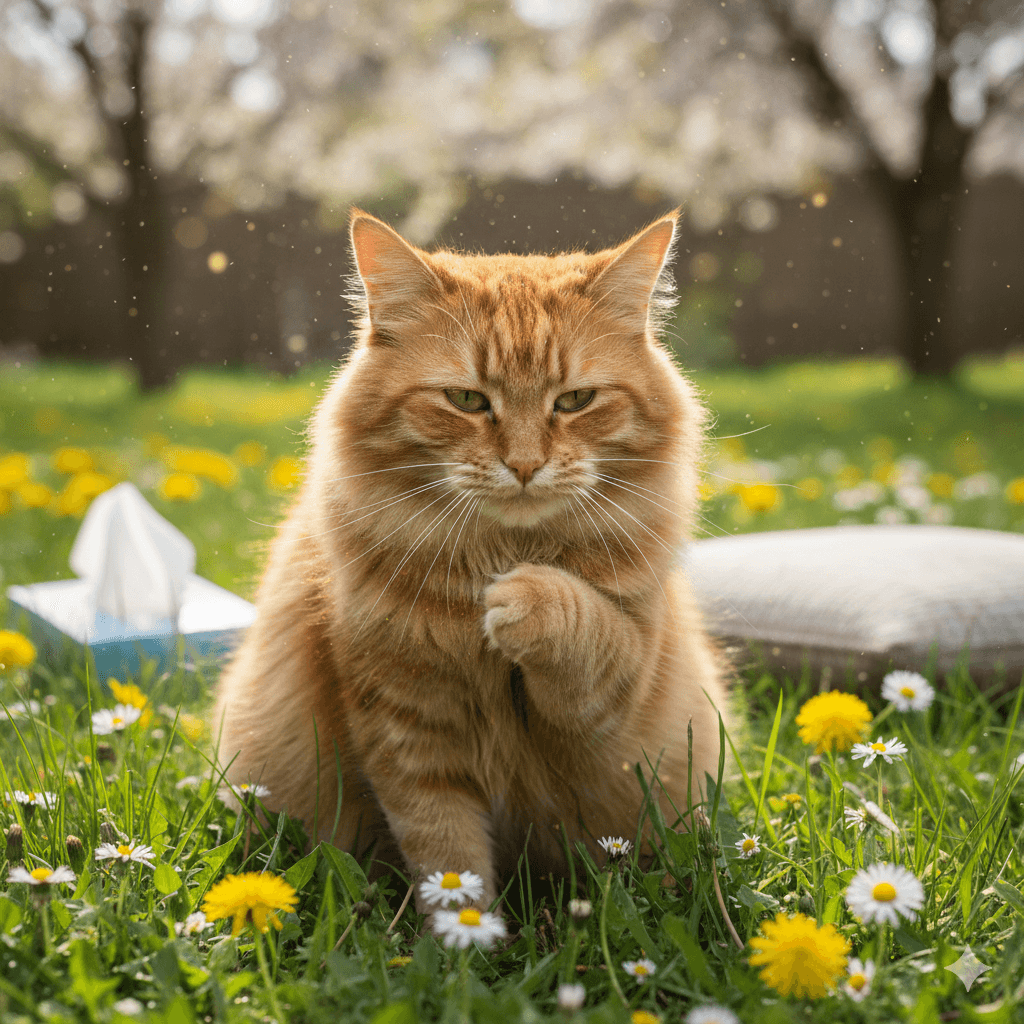
Common Types of Pollen That Trigger Cat Allergies
Not all pollen is created equal when it comes to feline sensitivities. While any airborne plant particle can potentially cause a reaction, certain pollens are more prevalent—and more problematic—depending on your region and the time of year. Understanding which pollens are most active can help you anticipate and manage your cat’s symptoms before they escalate.
- Tree Pollen (Spring)
Trees like oak, birch, cedar, and maple release lightweight pollen in early spring, which easily drifts indoors through open windows or on clothing. - Grass Pollen (Late Spring to Early Summer)
Warm-season grasses such as Bermuda, Timothy, and Kentucky bluegrass are major allergens, especially in lawns and parks near homes. - Weed Pollen (Late Summer to Fall)
Ragweed, sagebrush, and lamb’s quarters release highly potent pollen that can travel for miles on the wind, affecting even indoor cats. - Indoor Plant Pollen
Some houseplants—like lilies, ferns, or flowering varieties—can contribute to indoor pollen loads, though this is less common than outdoor sources. - Cross-Reactivity with Foods
Interestingly, some cats allergic to certain pollens (like birch) may also react to related proteins in foods such as apples or carrots—a phenomenon known as oral allergy syndrome.
By tracking local pollen counts and noting when your cat’s symptoms peak, you can often pinpoint the specific plant family causing distress.
Check this guide 👉Cat Allergy Vaccine: Best 7 Expert Tips!
Check this guide 👉Natural Cat Allergy Remedies: Best 7 Expert Tips!
Check this guide 👉Cat Allergy Eyes: Best 7 Expert Tips!
| Temperament Highlights | Care Considerations |
|---|---|
| Fearless and confident beyond size | Weekly brushing to prevent matting |
| Loyal and deeply attached to family | Regular beard cleaning (food debris traps easily) |
| Playful with a mischievous streak | Moderate exercise needs (30 mins/day) |
| Can be stubborn during training | Sensitive to extreme heat and cold |
| Alert and makes an excellent watchdog | Prone to dental issues—daily teeth brushing recommended |
Diagnosing Pollen Allergies in Cats
Because pollen allergy symptoms mimic those of fleas, mites, fungal infections, or food sensitivities, a veterinary diagnosis is essential. Self-treating without confirmation can delay proper care and worsen your cat’s condition. Fortunately, vets have reliable tools to identify environmental allergies and rule out other causes.
- Physical Examination and History Review
Your vet will assess skin lesions, ask about symptom timing, and review your cat’s lifestyle (indoor vs. outdoor access, diet changes, etc.). - Intradermal Skin Testing
Considered the gold standard, this test involves injecting small amounts of common allergens under the skin to observe reactions—performed by veterinary dermatologists. - Serum Allergy Blood Tests
A less invasive alternative that measures IgE antibodies to specific pollens; while convenient, it may yield false positives and is best interpreted alongside clinical signs. - Elimination of Other Causes
Flea treatments, fungal cultures, and food trials are often conducted first to exclude non-allergic triggers before confirming atopy. - Response to Symptomatic Treatment
Temporary relief from antihistamines or corticosteroids can support an allergy diagnosis, though it’s not definitive on its own.
Accurate diagnosis ensures your cat receives targeted therapy—not just a band-aid for a deeper issue.
Treatment Options for Feline Pollen Allergies
Once pollen allergy is confirmed, your vet can recommend a multi-pronged approach to manage symptoms and improve long-term comfort. While there’s no “cure,” many cats achieve excellent control with consistent care and environmental adjustments.
- Antihistamines (Veterinary-Approved)
Medications like cetirizine or chlorpheniramine may help some cats, though they’re effective in only about 30–40% of cases. - Corticosteroids for Acute Flare-Ups
Short-term use of prednisolone can quickly reduce inflammation and itching, but long-term use requires careful monitoring due to side effects. - Immunotherapy (Allergy Shots or Drops)
Customized desensitization therapy gradually exposes your cat to tiny amounts of pollen allergens, training the immune system to tolerate them over time—often the most effective long-term solution. - Topical Therapies
Medicated shampoos, sprays, or wipes containing oatmeal, chlorhexidine, or hydrocortisone can soothe irritated skin and remove surface allergens. - Omega-3 Fatty Acid Supplements
These natural anti-inflammatories support skin barrier health and may reduce overall reactivity when used consistently.
Treatment success depends on combining medical support with proactive allergen reduction at home.
Reducing Pollen Exposure at Home
Since cats spend most of their time indoors, controlling the indoor environment is one of the most effective ways to minimize pollen exposure. Simple, consistent habits can dramatically lower your cat’s allergen load without major lifestyle changes.
- Limit Outdoor Access During Peak Pollen Hours
Pollen counts are highest between 5 a.m. and 10 a.m.; keeping cats inside during these windows reduces direct contact. - Use High-Efficiency Air Filters
Install HEPA air purifiers in rooms your cat frequents, especially bedrooms or favorite lounging spots. - Remove Shoes and Change Clothes After Being Outside
Pollen clings to fabric and footwear—changing before handling your cat prevents transferring allergens. - Vacuum Frequently with a HEPA Vacuum
Regular cleaning (2–3 times weekly) removes pollen that settles into carpets, rugs, and upholstery. - Avoid Line-Drying Cat Bedding or Blankets
Outdoor drying traps pollen in fabric; always use a dryer during allergy season.
These small steps create a cleaner, calmer sanctuary for your sensitive feline.
Myths and Misconceptions About Cat Allergies
Pollen allergies in cats are often misunderstood, leading to delayed care or ineffective remedies. Separating fact from fiction helps owners make informed decisions and avoid common pitfalls.
- “Only outdoor cats get pollen allergies”
False—airborne pollen enters homes through vents, windows, and on clothing, affecting strictly indoor cats too. - “If my cat isn’t sneezing, it’s not allergies”
Incorrect—cats rarely show respiratory symptoms; skin issues are the primary sign of environmental allergies. - “Allergy medications are unsafe for cats”
Not true—many human antihistamines are toxic, but vet-approved options exist and are safe when dosed correctly. - “Bathing will dry out my cat’s skin”
With the right hypoallergenic shampoo and frequency (every 1–2 weeks during peak season), bathing can be soothing, not damaging. - “Pollen allergies only happen in spring”
Misleading—depending on your region, allergens can circulate from February through October, including grasses and weeds.
Clearing up these myths empowers you to respond to your cat’s needs accurately and compassionately.
When to See a Veterinarian
While mild seasonal itching might seem harmless, uncontrolled allergies can lead to serious complications. Knowing when to seek professional help ensures your cat doesn’t suffer unnecessarily.
- Persistent Scratching for More Than a Few Days
Especially if it disrupts sleep or daily behavior. - Visible Skin Damage
Open sores, scabs, or oozing lesions indicate infection risk and need immediate attention. - Hair Loss That Spreads or Worsens
This suggests chronic irritation that won’t resolve without treatment. - Signs of Ear Infection
Dark discharge, odor, or frequent head shaking warrant a vet visit. - No Improvement After Home Care
If allergen reduction and gentle grooming don’t ease symptoms within 1–2 weeks, professional diagnosis is needed.
Early intervention prevents minor irritation from becoming a long-term health burden.
“Keeping your cat in a bubble to avoid allergens is not an option, thus desensitization therapy, which is quite safe and effective, is something to consider for all allergic cats, while they still live a happy and normal life.” – Dr. Jangi Bajwa, Board-Certified Veterinary Dermatologist
Frequently Asked Questions About Cats and Pollen Allergies
Can cats really be allergic to pollen?
Yes—they commonly develop atopic dermatitis triggered by tree, grass, or weed pollens, though symptoms appear mostly on the skin rather than through sneezing.
Are indoor cats at risk for pollen allergies?
Absolutely. Pollen enters homes on clothing, through open windows, and via HVAC systems, so even strictly indoor cats can be affected.
What’s the difference between flea allergy and pollen allergy in cats?
Both cause itching, but flea allergies typically concentrate around the lower back and tail base, while pollen allergies often affect the face, ears, and belly—and follow seasonal patterns.
Can I give my cat human allergy medicine?
Never without veterinary approval. Many human antihistamines contain ingredients toxic to cats, such as pseudoephedrine or acetaminophen.
How long does pollen allergy season last for cats?
It varies by region, but most cats experience symptoms from early spring through late fall, depending on which plants are pollinating.
A Healthier, Happier Season for Your Feline Friend
Cats may not sneeze dramatically or rub their eyes like humans do, but their silent suffering from pollen allergies is real—and treatable. By tuning into subtle behavioral shifts, reducing environmental triggers, and partnering with your veterinarian, you can transform allergy season from a time of discomfort into one of calm and comfort. Your cat’s soft purrs, relaxed grooming, and peaceful naps are worth the extra effort. After all, a happy cat isn’t just allergy-free—it’s free to be its curious, affectionate, wonderfully quirky self, all year round.

Is Rawhide Bad for Cats? Best 7 Expert Tips! – Discover the risks, safe alternatives, and expert advice to keep your feline friend healthy and happy.

Is Rawhide Bad for Dogs? Best 7 Expert Tips! – Discover the risks, benefits, and safer alternatives to rawhides for your dog’s chewing needs.

Understanding Anorexia in Cats: Best 7 Expert Tips! – Learn why cats stop eating, spot warning signs, and discover how to help your feline regain appetite safely.

Understanding Anorexia in Dogs: Best 7 Expert Tips! – Learn causes, symptoms, and solutions to help your dog regain appetite and stay healthy.