
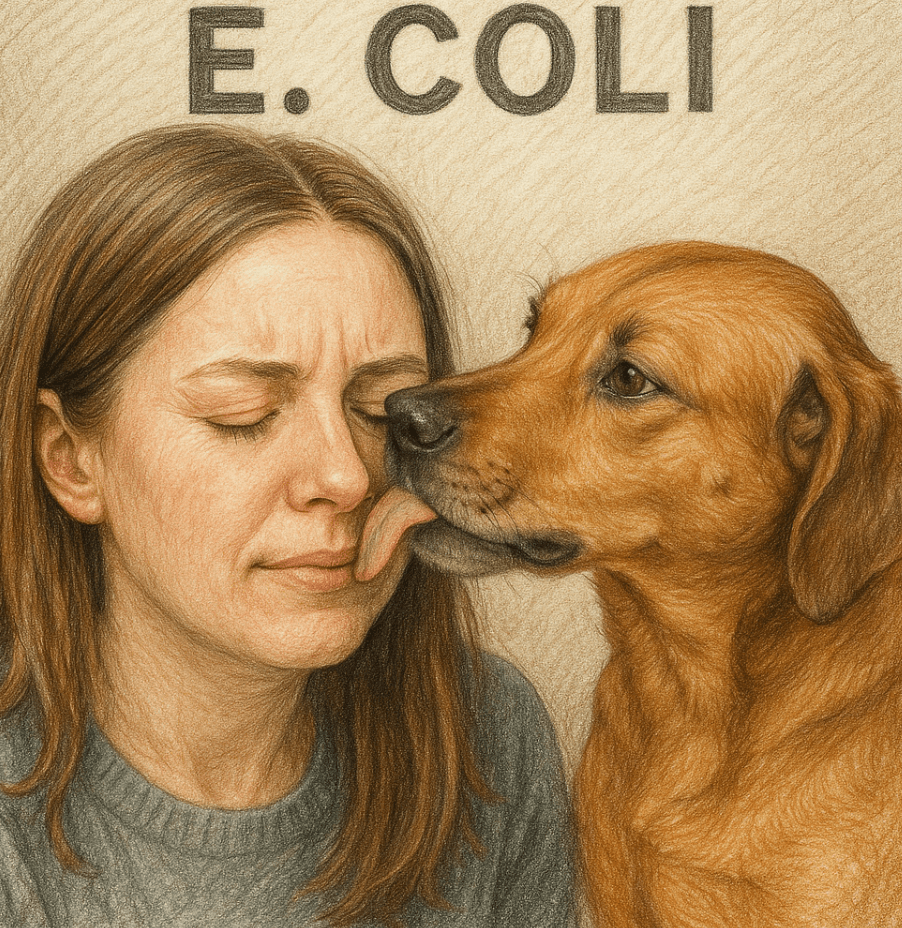

Can a Human Get E Coli from a Dog?
E. coli, or Escherichia coli, is a type of bacteria commonly found in the intestines of humans and animals. While most strains are harmless, some can cause serious illness. Many pet owners wonder whether their beloved dogs could potentially transmit harmful E. coli to them. The short answer is yes, but the likelihood depends on several factors, including hygiene practices and the health of both the dog and the owner.
Understanding how E. coli spreads and how to minimize risks is essential for maintaining a safe and healthy relationship with your furry companion. In this blog post, we’ll explore everything you need to know about E. coli transmission from dogs to humans, along with practical tips to protect yourself and your family.
How E. Coli Can Be Transmitted from Dogs to Humans
While not all dogs carry harmful strains of E. coli, there are specific ways the bacteria can spread from your pet to you. Being aware of these transmission routes helps reduce the risk of infection.
Contact with Feces:
Harmful E. coli can be present in a dog’s feces. Direct contact or accidental ingestion of contaminated particles can lead to transmission.Licking Behavior:
If a dog licks its rear end and then licks a person’s face or hands, it may transfer bacteria.Contaminated Surfaces:
Areas where your dog frequently eliminates, such as yards or litter boxes, can harbor E. coli if not cleaned properly.Improper Hand Hygiene:
Failing to wash your hands after handling your dog or cleaning up after them increases the risk of exposure.Shared Food or Water Bowls:
Using the same bowls for pets and humans without proper cleaning can create opportunities for cross-contamination.
By understanding these pathways, you can take proactive steps to minimize the chances of E. coli transmission.
Signs and Symptoms of E. Coli Infection in Humans
If you suspect you’ve been exposed to E. coli through your dog, recognizing the symptoms early is crucial for prompt treatment. Here’s what to look out for:
Diarrhea (Often Bloody):
One of the hallmark signs of an E. coli infection is persistent diarrhea, which may contain blood.Abdominal Cramps:
Severe stomach pain or cramping often accompanies gastrointestinal distress caused by the bacteria.Nausea and Vomiting:
Some individuals experience nausea or vomiting as part of their body’s response to the infection.Fever:
A mild fever may develop in certain cases, signaling the body’s immune response to the bacteria.Fatigue and Weakness:
Dehydration from diarrhea and vomiting can lead to extreme tiredness and weakness.
If you notice any of these symptoms, seek medical attention promptly to confirm the diagnosis and receive appropriate care.
Check this guide 👉Can I Give My Dog Human Probiotics? Best 7 Expert Tips!
Check this guide 👉Can Dogs Get Stomach Bugs from Humans? Best 7 Tips!
Check this guide 👉Can Humans Get Worms from Dogs? Best 7 Tips!
Ways to Prevent E. Coli Transmission | High-Risk Scenarios to Avoid |
|---|---|
Wash hands thoroughly after handling pets | Allowing dogs to lick your face or mouth |
Clean up pet waste immediately | Neglecting to disinfect shared surfaces |
Use separate food and water bowls | Ignoring hand hygiene after gardening |
Regularly bathe and groom your dog | Feeding raw diets without precautions |
Keep outdoor play areas clean | Letting children play near fecal matter |
Steps to Minimize the Risk of E. Coli Transmission
Preventing E. coli transmission involves simple yet effective practices that protect both you and your dog. Follow these steps to reduce the risk significantly.
Practice Good Hygiene:
Always wash your hands with soap and water after touching your dog, their toys, or cleaning up after them.Dispose of Waste Properly:
Pick up your dog’s feces immediately using gloves or a bag, and dispose of it in sealed trash bins.Maintain a Clean Environment:
Regularly sanitize surfaces, floors, and bedding to eliminate potential bacterial contamination.Avoid Sharing Personal Items:
Never share towels, utensils, or other personal items with your dog to prevent cross-contamination.Monitor Your Dog’s Health:
Schedule regular vet check-ups to ensure your dog is free from infections that could pose risks to humans.
These habits create a safer environment for everyone in your household.
When to Seek Veterinary Care for Your Dog
Your dog’s health plays a significant role in preventing E. coli transmission. If you notice any unusual symptoms, consulting a veterinarian is essential.
Changes in Bowel Movements:
Diarrhea, bloody stools, or constipation may indicate an underlying issue requiring professional attention.Loss of Appetite:
A sudden refusal to eat could signal illness or discomfort in your dog.Lethargy or Weakness:
Unexplained fatigue or lack of energy might point to an infection or other health concern.Excessive Licking of the Rear End:
Frequent licking around the anal area could suggest irritation or the presence of harmful bacteria.Unusual Odor from Feces:
Strong or foul-smelling feces might indicate digestive problems or bacterial overgrowth.
Addressing these signs promptly ensures your dog remains healthy and reduces the risk of spreading infections to humans.
Common Misconceptions About E. Coli and Pets
Several myths surround E. coli and its connection to dogs. Clearing up these misconceptions helps you better understand the realities of transmission.
Myth: Only Sick Dogs Carry Harmful E. Coli:
Even healthy dogs can harbor harmful strains, though they may not show symptoms themselves.Myth: E. Coli Is Always Deadly:
Most infections are mild and resolve with proper care, though some strains can cause severe illness.Myth: Washing Hands Isn’t Necessary After Petting:
Handwashing is critical, especially after handling pets or cleaning up waste.Myth: E. Coli Only Comes from Food:
While foodborne outbreaks are common, direct contact with animals is another significant source.Myth: Indoor Dogs Pose No Risk:
Regardless of lifestyle, all dogs can carry and potentially transmit E. coli.
Understanding the truth behind these myths keeps you better prepared to handle potential risks.
Tips for Families with Children and Pets
Children are particularly vulnerable to E. coli due to their developing immune systems and frequent hand-to-mouth behavior. These tips help keep young ones safe while fostering a positive relationship with pets.
Teach Hand Hygiene Early:
Encourage kids to wash their hands thoroughly after playing with pets or being outdoors.Supervise Interactions:
Ensure children interact safely with dogs, avoiding behaviors like kissing or hugging too tightly.Clean Play Areas Regularly:
Disinfect spaces where pets and kids spend time together to prevent bacterial buildup.Educate About Boundaries:
Teach children not to disturb dogs while eating or resting to reduce stress-related behaviors.Involve Kids in Pet Care:
Assign age-appropriate tasks, like filling water bowls, to instill responsibility and awareness.
With these strategies, families can enjoy harmonious coexistence between kids and pets.
The Role of Diet in Reducing E. Coli Risks
Your dog’s diet can influence their gut health and, consequently, the presence of harmful bacteria. Making informed dietary choices supports overall wellness.
Choose High-Quality Commercial Foods:
Reputable brands prioritize safety and nutritional balance, reducing the risk of contamination.Handle Raw Diets Carefully:
If opting for raw feeding, freeze ingredients before use and clean preparation areas meticulously.Include Probiotics:
Adding probiotics to your dog’s diet promotes healthy gut flora, potentially crowding out harmful bacteria.Avoid Feeding Table Scraps:
Human food can upset your dog’s digestion and introduce unwanted pathogens into their system.Stay Consistent with Meals:
Regular feeding schedules support stable digestion and reduce gastrointestinal disruptions.
A thoughtful approach to nutrition benefits both your dog and your household’s health.
Frequently Asked Questions About E. Coli and Dogs
Can all dogs carry E. coli?
Yes, most dogs naturally have E. coli in their intestines, but not all strains are harmful.
Is it safe to let my dog lick me?
It’s generally safe, but avoid letting them lick your face or open wounds to minimize risks.
What should I do if I suspect E. coli poisoning?
Contact your doctor immediately and provide details about potential exposure sources.
Are puppies more likely to spread E. coli?
Puppies have weaker immune systems, making them more susceptible to infections and potentially higher carriers of harmful bacteria.
Does raw feeding increase the risk of E. coli?
Feeding raw diets can heighten the risk if proper hygiene and preparation aren’t followed.
Staying Safe While Loving Your Dog
While the idea of getting E. coli from your dog may sound alarming, taking preventive measures makes it easy to maintain a safe and loving bond with your pet. By practicing good hygiene, monitoring your dog’s health, and staying vigilant about potential risks, you can enjoy all the joys of pet ownership without compromising safety. Remember, knowledge is power—understanding how E. coli spreads and how to mitigate those risks ensures peace of mind for you and a happy, healthy life for your furry friend.
Is Rawhide Bad for Cats? Best 7 Expert Tips! – Discover the risks, safe alternatives, and expert advice to keep your feline friend healthy and happy.

Is Rawhide Bad for Dogs? Best 7 Expert Tips! – Discover the risks, benefits, and safer alternatives to rawhides for your dog’s chewing needs.

Understanding Anorexia in Cats: Best 7 Expert Tips! – Learn why cats stop eating, spot warning signs, and discover how to help your feline regain appetite safely.

Understanding Anorexia in Dogs: Best 7 Expert Tips! – Learn causes, symptoms, and solutions to help your dog regain appetite and stay healthy.