
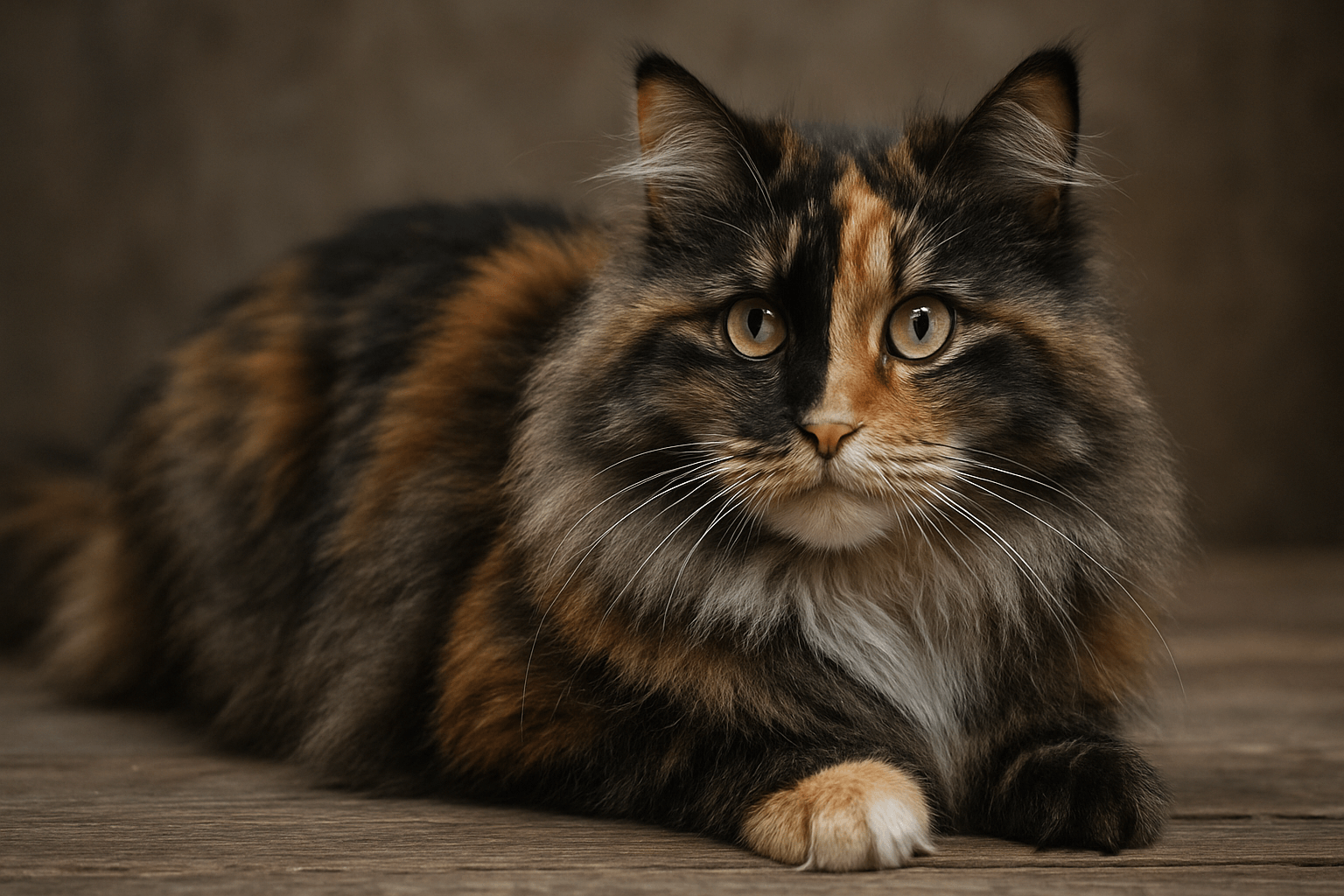
Calico Tortoiseshell Siberian Cat: A Rare Fusion of Beauty, Temperament, and Heritage
The calico tortoiseshell Siberian cat is not just a pet—it’s a living work of art. With its mosaic coat blending fiery oranges, deep blacks, and snowy whites, layered over the robust, forest-born frame of Russia’s native breed, this cat captivates hearts and sparks curiosity. Beyond its stunning looks lies a gentle, intelligent companion shaped by centuries of natural adaptation and affectionate disposition. In this guide, we’ll explore what makes this rare combination so special—and how to care for one if you’re lucky enough to welcome her into your home.
The Genetic Magic Behind Calico Tortoiseshell Patterns
The calico tortoiseshell coat isn’t a breed—it’s a genetic marvel that almost exclusively appears in female cats. This pattern emerges from a fascinating interplay of X-chromosome inactivation, pigment genes, and pure biological chance.
X-Chromosome Expression:
Calico and tortoiseshell patterns require two X chromosomes, which is why over 99% of these cats are female. Males are extremely rare and often sterile.Random Pigment Distribution:
As embryos develop, patches of cells randomly “turn off” either the orange or black pigment gene, creating the signature mosaic effect.White Spotting Gene Required for Calico:
True calico cats must have white in their coat—this comes from a separate “white spotting” gene not present in standard tortoiseshells.No Two Are Alike:
Just like human fingerprints, no two calico tortoiseshell coats are identical—even in the same litter.Siberian Base Enhances Contrast:
The Siberian’s naturally thick, triple-layered coat makes the calico tortoiseshell colors appear richer and more textured than in short-haired breeds.
This genetic complexity is why a calico tortoiseshell Siberian cat is considered a rare treasure—both visually and biologically. Owning one is like holding a piece of feline folklore in your lap.
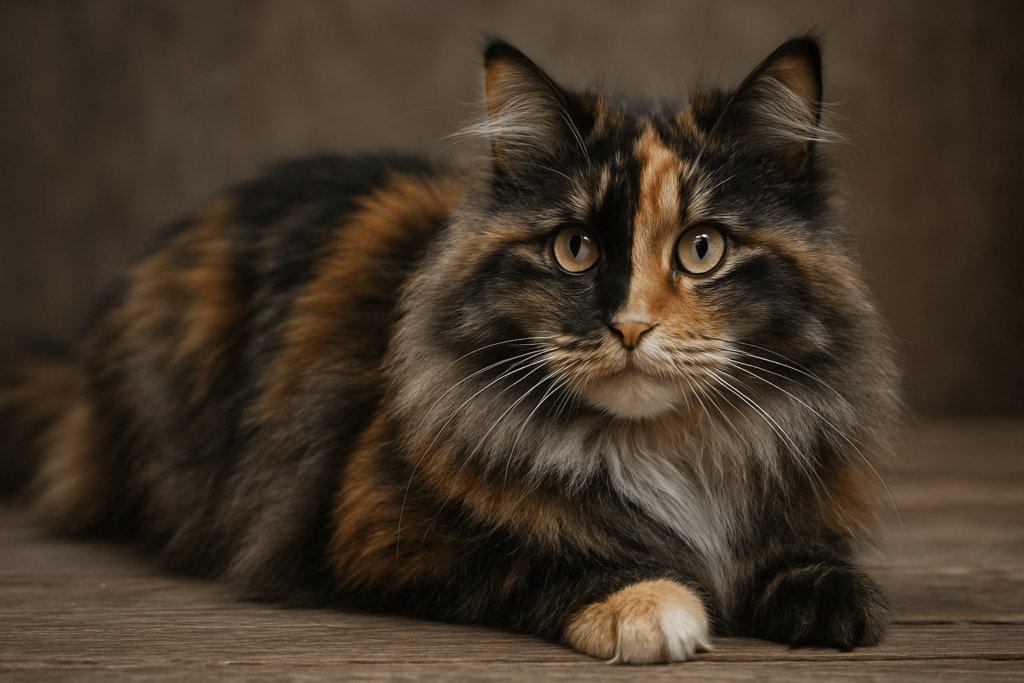
Siberian Cats: Ancient Guardians of the Russian Forest
Originating from the frigid forests of Siberia, the Siberian cat is Russia’s native forest cat—resilient, agile, and deeply bonded to humans for over a thousand years. Their semi-longhair coat evolved not for show, but for survival.
Natural Breed with No Human Engineering:
Unlike many modern breeds, Siberians developed without selective breeding, making them genetically robust and less prone to inherited diseases.Hypoallergenic Qualities:
Though not 100% allergy-free, Siberians produce lower levels of Fel d 1, the primary allergen in cat saliva, making them more tolerable for some allergy sufferers.Water-Loving Instincts:
Unusual for cats, many Siberians enjoy playing with water—splashing in sinks or dipping paws into bowls—possibly an adaptation from fishing in icy streams.Powerful and Athletic Build:
With strong hind legs, a muscular torso, and a bushy tail, Siberians can leap astonishing heights and navigate dense underbrush with ease.Historical Reverence:
Russian folklore often portrayed Siberians as magical protectors of homes, and they were even featured in early children’s tales long before formal cat registries existed.
The Siberian’s blend of hardiness and affection makes it the perfect canvas for the calico tortoiseshell pattern—adding mythic depth to an already enchanting appearance.
Check this guide 👉Calico Siberian Cat: Best 7 Expert Tips!
Check this guide 👉Calico Scottish Fold Cat: Best 7 Expert Tips!
Check this guide 👉Tortoiseshell Cat vs Calico: Best 7 Expert Tips!
| Calico Tortoiseshell Traits | Siberian Cat Traits |
|---|---|
| Tri-color coat (orange, black, white) | Triple-layered, water-resistant fur |
| >99% female due to X-linked genetics | Naturally hypoallergenic (lower Fel d 1) |
| Unique, non-reproducible coat pattern | Strong, muscular, and agile physique |
| Often called “money cats” in folklore | Loyal, dog-like companionship |
| Associated with good luck in many cultures | Historic presence in Russian households |
Personality and Temperament of the Calico Tortoiseshell Siberian
When you combine the spirited reputation often attributed to calico and tortoiseshell cats (“tortitude”) with the gentle loyalty of the Siberian, you get a personality that’s both vibrant and deeply affectionate.
Gentle Yet Assertive:
These cats know what they want—but they’ll ask politely. Expect soft chirps and headbutts rather than demands.Strong Bonding Tendencies:
Siberians form deep attachments to their humans. A calico tortoiseshell Siberian may follow you room to room, always keeping you in sight.Playful Intelligence:
They solve puzzles, open cabinets, and invent games. Interactive toys and clicker training work exceptionally well.Vocal but Not Noisy:
They communicate with trills, murmurs, and chirps—rarely with loud meows—unless dinner is late!Social with Family and Pets:
Unlike aloof breeds, they thrive in multi-pet households and often “adopt” dogs or other cats as siblings.
Far from being moody, the calico tortoiseshell Siberian blends emotional sensitivity with joyful curiosity—a true emotional barometer of the home.
Grooming Needs for a Tri-Color Forest Cat
That luxurious, triple-layered coat requires consistent care—but it’s less high-maintenance than you might think, thanks to its natural oil balance and resilience.
Weekly Brushing Is Essential:
Use a stainless-steel comb and slicker brush to prevent mats, especially during seasonal shedding in spring and fall.Bathing Is Rarely Needed:
Their coat repels dirt and water naturally. Bathe only if visibly soiled or recommended by a vet.Ear and Eye Checks:
Light-colored patches around the eyes or ears may need gentle wiping to prevent tear or wax buildup.Nail Trimming Every 2–3 Weeks:
Keeps claws healthy and minimizes furniture damage—especially important since they love to climb and scratch.Dental Hygiene Matters:
Brush teeth weekly or use dental treats. Siberians are generally healthy, but dental disease can affect any cat.
With regular grooming, their coat stays gleaming, and grooming becomes a cherished bonding ritual rather than a chore.
Health Considerations and Longevity
Siberian cats are among the healthiest natural breeds, and the calico tortoiseshell pattern itself doesn’t introduce genetic risks—though female-specific care is key.
Typical Lifespan of 12–18 Years:
With proper care, many live well into their late teens, remaining active and playful.Low Risk of Breed-Specific Illnesses:
Unlike purebreds with narrow gene pools, Siberians have diverse genetics, reducing inherited disorders.Monitor for Urinary Health:
Like all cats, they benefit from high-moisture diets to support kidney and bladder function—wet food is ideal.Spay Female Calicos Early:
Prevents pyometra and reduces mammary cancer risk, especially important since nearly all are female.Watch for Hairballs During Shedding:
Despite self-grooming efficiency, extra fur ingestion in spring may require hairball paste or high-fiber supplements.
Routine vet visits, quality nutrition, and mental stimulation are the pillars of a long, joyful life for your calico tortoiseshell Siberian.
Finding and Adopting a Calico Tortoiseshell Siberian Cat
Due to their rarity, finding one requires patience, research, and ethical sourcing. Beware of inflated prices or backyard breeders.
Reputable Breeders Are Key:
Look for breeders registered with TICA or FIFe who perform genetic health testing and socialize kittens early.Ask to See Parent Cats:
A responsible breeder will let you meet the mother (and often father) to assess temperament and coat quality.Consider Rescue Organizations:
While rare, mixed Siberians or misidentified cats with Siberian traits sometimes appear in rescues—especially in colder regions.Expect a Waitlist:
True calico tortoiseshell Siberians are uncommon. Ethical breeders may have waiting lists of 6–12 months.Price Reflects Care, Not Novelty:
Costs typically range from $1,200–$2,500—not because of the coat, but due to health testing, care, and breeding ethics.
Never purchase from pet stores or online marketplaces without visiting in person. Your cat’s lifelong health begins with responsible origins.
Living with a Calico Tortoiseshell Siberian: Tips for Harmony
Once home, your cat will thrive with an environment that honors her instincts, intelligence, and affectionate nature.
Provide Vertical Space:
Install cat trees, shelves, or window perches—Siberians love to survey their domain from above.Offer Scratching Surfaces:
Use tall, sturdy posts wrapped in sisal. Their strong claws need robust outlets to stay healthy.Engage with Daily Play:
15–20 minutes of interactive play mimics hunting and prevents boredom-related mischief.Create Quiet Retreats:
Despite their sociability, they appreciate cozy hideaways for naps or calm during loud events.Introduce Gradually to New Pets:
Use scent swapping and controlled meetings. Their confidence helps, but patience ensures smooth integration.
Your home becomes their kingdom—and with the right setup, they’ll rule it with grace, warmth, and the occasional orange-and-black blur of joyful energy.
“Heterozygous females (O/O′) exhibit both pigment types simultaneously, resulting in the tortoiseshell (tortie) phenotype caused by random X-chromosome inactivation (Lyonization) during early embryonic development.”
— Górska, A., Zieniuk, B., & Wojciechowska, M.
Frequently Asked Questions About Calico Tortoiseshell Siberian Cats
Can a calico tortoiseshell Siberian cat be male?
Extremely rarely—less than 1 in 3,000. Male calicos usually have XXY chromosomes (Klinefelter syndrome) and are often sterile.
Are they more aggressive because of “tortitude”?
No. While some tortoiseshell cats show feisty traits, the Siberian’s calm, loyal nature typically balances this out beautifully.
Do they shed a lot?
Yes—they have seasonal shedding “blowouts” in spring and fall. Weekly brushing minimizes loose fur around the house.
Are they good with children?
Absolutely. Siberians are known for their patience and playfulness with respectful kids. Supervise young interactions as with any pet.
Is the calico pattern recognized in cat shows?
Yes! TICA and other registries accept all color and pattern variations in Siberians, including calico and tortoiseshell.
A Living Mosaic of Myth, Nature, and Love
The calico tortoiseshell Siberian cat is more than a pet—she’s a convergence of genetic wonder, ancient resilience, and heartfelt companionship. Her coat tells a story written in chromosomes; her eyes hold the quiet wisdom of forest guardians. To care for one is to embrace both responsibility and joy, discipline and delight. In her presence, your home doesn’t just gain a cat—it gains a legend, curled up softly on your lap, purring like a winter hearth. Treat her with love, respect her instincts, and she’ll reward you with a lifetime of loyalty, laughter, and luminous beauty.

Is Rawhide Bad for Cats? Best 7 Expert Tips! – Discover the risks, safe alternatives, and expert advice to keep your feline friend healthy and happy.

Is Rawhide Bad for Dogs? Best 7 Expert Tips! – Discover the risks, benefits, and safer alternatives to rawhides for your dog’s chewing needs.

Understanding Anorexia in Cats: Best 7 Expert Tips! – Learn why cats stop eating, spot warning signs, and discover how to help your feline regain appetite safely.

Understanding Anorexia in Dogs: Best 7 Expert Tips! – Learn causes, symptoms, and solutions to help your dog regain appetite and stay healthy.