
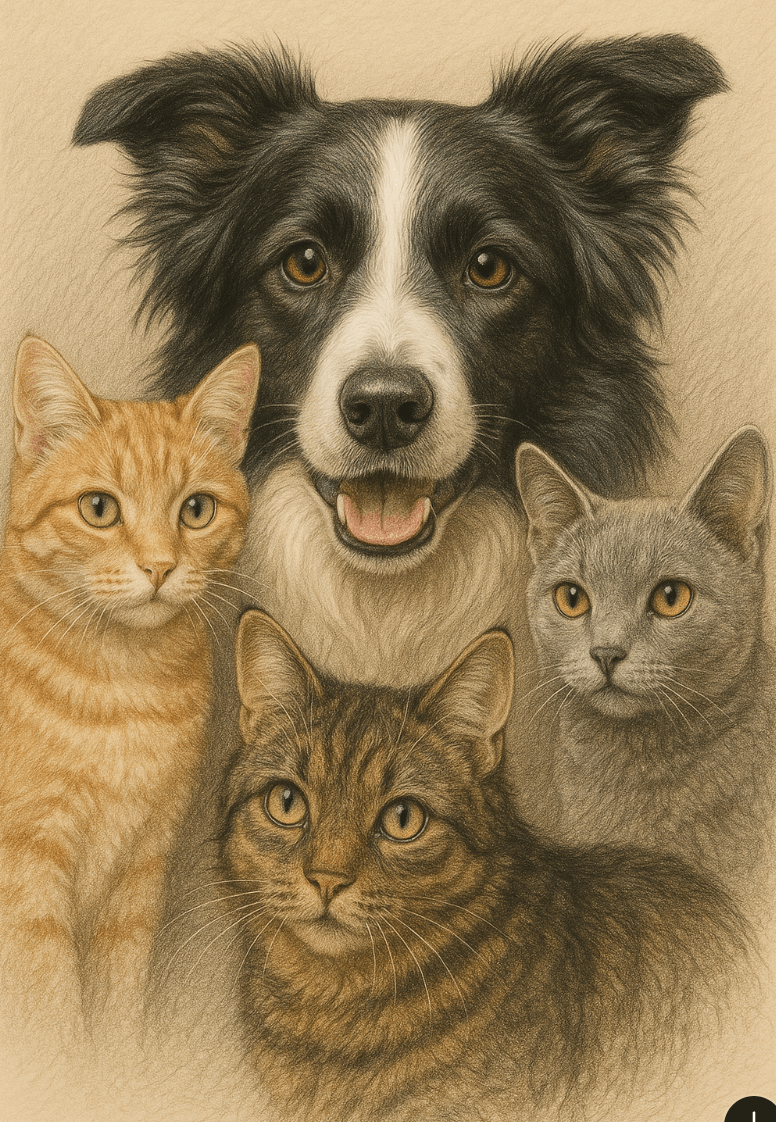


Border Collie with Cats: Can They Coexist Harmoniously?
The Border Collie, known for its intelligence, energy, and herding instincts, is one of the most beloved dog breeds worldwide. However, introducing a high-energy breed like the Border Collie to a household with cats can raise questions about compatibility. Will their herding tendencies overwhelm your feline friend? Can they learn to coexist peacefully? The good news is that with proper training, patience, and understanding, Border Collies and cats can form strong, affectionate bonds. In this blog post, we’ll explore everything you need to know about fostering a harmonious relationship between your Border Collie and your cat, ensuring a happy home for all.
Understanding the Border Collie’s Nature Around Cats
Before introducing a Border Collie to a cat, it’s essential to understand the breed’s natural instincts and behaviors. These traits will influence how they interact with smaller animals in the home.
Herding Instincts:
Border Collies are bred to herd livestock, which means they may try to “herd” your cat by nipping or circling them. This behavior isn’t aggressive but can be stressful for cats.High Energy Levels:
Their boundless energy might overwhelm more laid-back cats, especially if the dog doesn’t know how to calm down around them.Intelligence and Trainability:
Border Collies are highly trainable, making it easier to teach them appropriate behaviors around cats through consistent guidance.Prey Drive Variability:
While some Border Collies have a low prey drive, others may instinctively chase small, fast-moving animals like cats unless properly socialized.Desire for Companionship:
Border Collies thrive on companionship and may view your cat as a potential playmate or family member if introduced correctly.
Understanding these traits helps set realistic expectations and lays the groundwork for a successful introduction.
Tips for Introducing a Border Collie to Your Cat
A smooth introduction is key to fostering a positive relationship between your Border Collie and your cat. Follow these steps to ensure both pets feel safe and comfortable.
Start with Separate Spaces:
Keep the Border Collie and cat in separate areas initially to allow them to get used to each other’s scent without direct contact.Use Controlled Meetings:
Introduce them on neutral ground, such as a hallway or living room, while keeping the dog on a leash to maintain control.Reward Calm Behavior:
Praise and reward your Border Collie for staying calm and relaxed during interactions with the cat to reinforce positive associations.Monitor Body Language:
Watch for signs of stress in both animals, such as hissing from the cat or excessive barking from the dog, and separate them if needed.Gradual Increase in Interaction Time:
Slowly increase the amount of time they spend together under supervision until they’re comfortable sharing space.
By taking these steps, you can create a peaceful environment where both pets feel secure and respected.
Check this guide 👉Border Collie Coonhound Mix: Best 7 Expert Tips!
Check this guide 👉Catahoula Border Collie Mix: Best 7 Expert Tips!
Check this guide 👉Dutch Shepherd Border Collie Mix: Best 7 Expert Tips!
Benefits of a Border Collie-Cat Relationship | Challenges to Be Aware Of |
|---|---|
Both animals can provide companionship | High energy levels may overwhelm cats |
Cats can help tire out active Border Collies | Herding instincts may stress the cat |
Opportunity for mutual enrichment | Prey drive may lead to chasing |
Strong bond possible with proper training | Requires time and patience to establish harmony |
Shared playtime can enhance mental stimulation | Potential for territorial conflicts |
Training Tips for Border Collies to Live Peacefully with Cats
Training plays a crucial role in helping your Border Collie adapt to life with a cat. These tips will guide you in teaching your dog appropriate behaviors.
Teach Basic Commands:
Ensure your Border Collie knows commands like “sit,” “stay,” and “leave it” to manage their interactions with the cat effectively.Practice Impulse Control:
Work on exercises that teach your dog self-control, such as waiting patiently before approaching the cat.Redirect Herding Behavior:
Channel their herding instincts into structured activities like agility training or fetch instead of focusing on the cat.Use Positive Reinforcement:
Reward your dog with treats or praise whenever they exhibit calm and respectful behavior around the cat.Supervise Playtime:
Always monitor interactions to prevent rough play or accidental injuries, especially during the initial stages of bonding.
Consistent training ensures your Border Collie learns to respect the cat’s boundaries while enjoying their company safely.
Signs Your Border Collie and Cat Are Bonding Well
Positive signs indicate that your Border Collie and cat are developing a healthy relationship. Look for these behaviors to gauge their progress.
Relaxed Body Language:
Both animals appear calm and comfortable in each other’s presence, with relaxed postures and no signs of tension.Mutual Grooming or Sniffing:
Cats and dogs often show affection by grooming or sniffing each other gently, indicating trust and familiarity.Shared Space Without Conflict:
If they nap or hang out in the same room peacefully, it’s a sign they’ve accepted each other as part of the family.Playful Interactions:
Gentle play, such as paw batting or chasing (without aggression), shows they enjoy spending time together.No Signs of Fear or Aggression:
Neither animal displays defensive behaviors like growling, hissing, or fleeing, signaling a harmonious dynamic.
These indicators demonstrate that your efforts to foster a bond are paying off, creating a peaceful multi-pet household.
Common Mistakes to Avoid When Introducing a Border Collie to a Cat
Avoiding common pitfalls can make the introduction process smoother and reduce stress for both pets. Here are mistakes to steer clear of.
Rushing the Process:
Forcing quick introductions can overwhelm the cat and trigger unwanted reactions from the dog. Take things slowly.Ignoring Warning Signs:
Failing to notice signs of fear or aggression can escalate conflicts; always intervene if either pet seems uncomfortable.Allowing Unsupervised Access Too Soon:
Leaving them alone together prematurely increases the risk of accidents or misunderstandings.Neglecting Training:
Skipping obedience training for your Border Collie can lead to uncontrolled behaviors around the cat.Expecting Immediate Friendship:
Not all pets will become best friends overnight—some may simply learn to tolerate each other over time.
By avoiding these errors, you set the stage for a successful and stress-free introduction.
Fun Activities to Enjoy with Your Border Collie and Cat
Once they’ve bonded, there are plenty of fun activities you can enjoy with your Border Collie and cat to strengthen their connection.
Interactive Play Sessions:
Use feather wands or laser pointers to engage both pets in shared playtime, encouraging teamwork and fun.Agility Training for the Dog:
Set up a mini agility course for your Border Collie while letting the cat observe or participate at their own pace.Quiet Nap Times Together:
Create cozy spots where both animals can relax side by side, fostering a sense of companionship.Treat Dispensing Toys:
Provide puzzle toys filled with treats for both pets to enjoy simultaneously, promoting positive associations.Outdoor Adventures (For the Dog):
Take your Border Collie on outdoor excursions to burn off excess energy, leaving the cat undisturbed at home.
These activities cater to their unique needs while nurturing their growing friendship.
Managing Challenges in a Multi-Pet Household
Living with a Border Collie and a cat comes with challenges, but proactive strategies can help maintain harmony.
Separate Feeding Areas:
Feed your pets in different locations to prevent resource guarding or food-related conflicts.Provide Safe Spaces for the Cat:
Install cat trees or shelves where your cat can retreat if they feel overwhelmed by the dog’s energy.Set Boundaries for the Dog:
Use baby gates or crates to give your cat uninterrupted downtime when needed.Address Resource Guarding Early:
Train your Border Collie not to interfere with the cat’s toys, food, or litter box to avoid territorial disputes.Regular Exercise for the Dog:
Tire out your Border Collie with daily walks, runs, or games to minimize hyperactive behavior around the cat.
By addressing these challenges proactively, you can ensure a balanced and peaceful multi-pet household.
Frequently Asked Questions About Border Collies and Cats
Can Border Collies live with cats?
Yes, Border Collies can live harmoniously with cats if properly introduced and trained to respect their boundaries.
How long does it take for them to get along?
The adjustment period varies but typically takes a few weeks to several months, depending on the individual personalities involved.
What should I do if my Border Collie chases the cat?
Redirect the chasing behavior with toys or commands and reward calm interactions to discourage unwanted actions.
Do Border Collies hurt cats accidentally?
Their enthusiasm and herding instincts can sometimes overwhelm cats, so supervision is key to preventing accidents.
Are certain cats better suited for Border Collies?
Confident, assertive cats tend to handle the high energy of Border Collies better than timid or fearful ones.
Building a Happy Home for Your Border Collie and Cat
With patience, consistency, and understanding, a Border Collie and a cat can become wonderful companions, enriching each other’s lives in unique ways. By respecting their individual needs and personalities, you can create an environment where both animals thrive. Remember, every pet is different, so tailor your approach to suit their specific dynamics. Whether they’re lounging together or engaging in playful antics, watching your Border Collie and cat bond is a rewarding experience that showcases the beauty of interspecies friendships.
Is Rawhide Bad for Cats? Best 7 Expert Tips! – Discover the risks, safe alternatives, and expert advice to keep your feline friend healthy and happy.

Is Rawhide Bad for Dogs? Best 7 Expert Tips! – Discover the risks, benefits, and safer alternatives to rawhides for your dog’s chewing needs.

Understanding Anorexia in Cats: Best 7 Expert Tips! – Learn why cats stop eating, spot warning signs, and discover how to help your feline regain appetite safely.

Understanding Anorexia in Dogs: Best 7 Expert Tips! – Learn causes, symptoms, and solutions to help your dog regain appetite and stay healthy.